The mezcal capital, the molé motherland, and the most culturally rich state in Mexico. Oaxaca is a world unto itself.
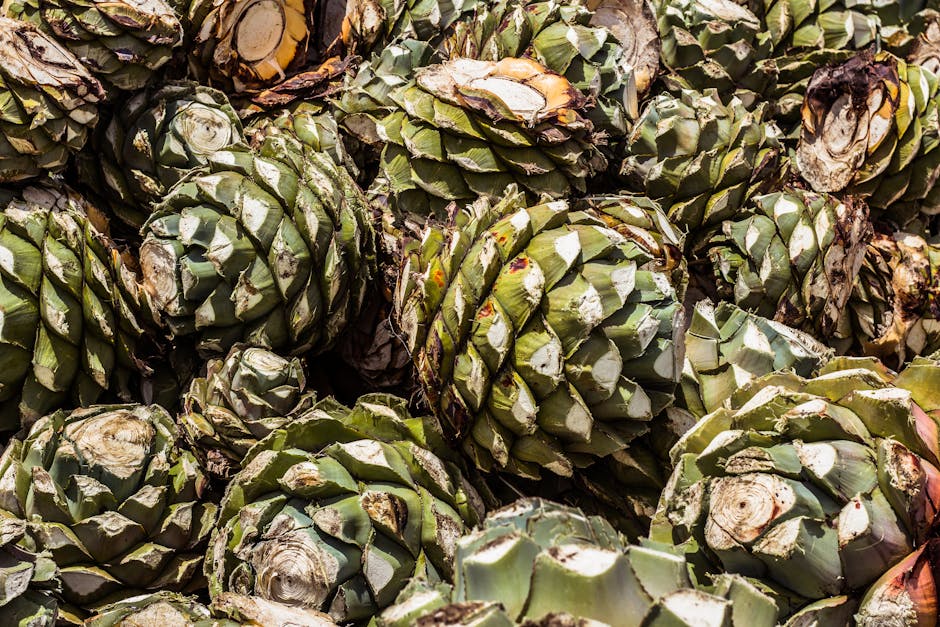
Oaxaca is where Mexico’s depth becomes undeniable. The state — not just the city — contains more indigenous cultures, more culinary traditions, and more biodiversity than most countries. The Zapotec ruins of Monte Albán predate the Aztecs by a millennium. The molé tradition here — seven canonical varieties, each a universe of chiles, spices, and technique — is one of the great achievements of world gastronomy. The mezcal is not a drink but a culture, produced by maestros who tend their agave for decades before harvest.
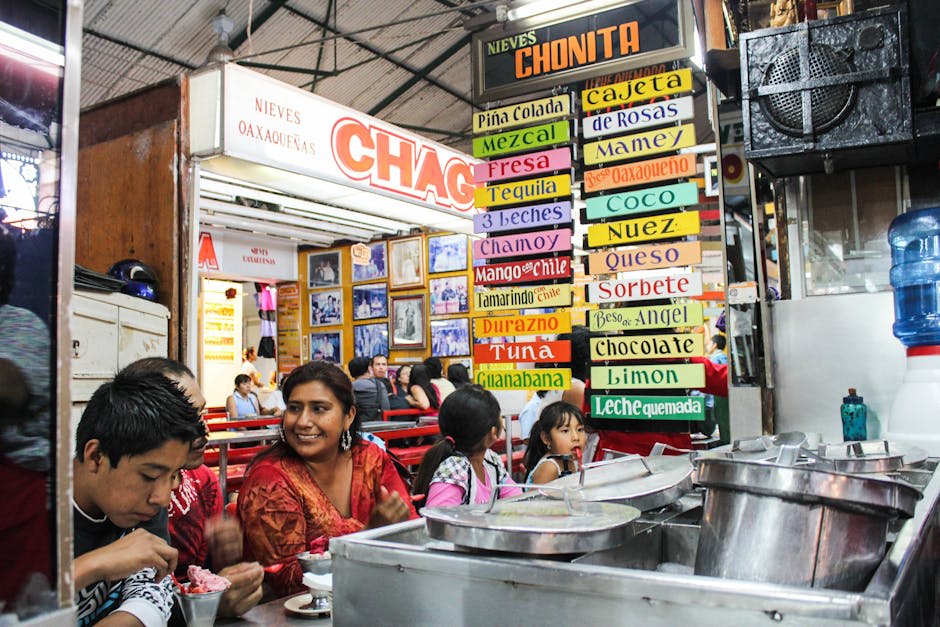
The city is colonial, colourful, and walkable. The zócalo is the centre of gravity. The Mercado 20 de Noviembre’s smoke corridor is essential eating — tasajo grilled over coals, served with handmade tortillas and black beans. Jalatlaco, the neighbourhood north of the centre, is quieter and more residential, with small galleries and cafés.
The mezcal palenques outside the city — in Santa Catarina Minas, Santiago Matatlán, San Baltazar Chichicapam — are where the spirit is made by families who have been distilling for generations. Visit with guidance from Mezcaloteca in the city centre, which will point you toward the producers making tobaziche, cuixe, and tepeztate from wild agave.
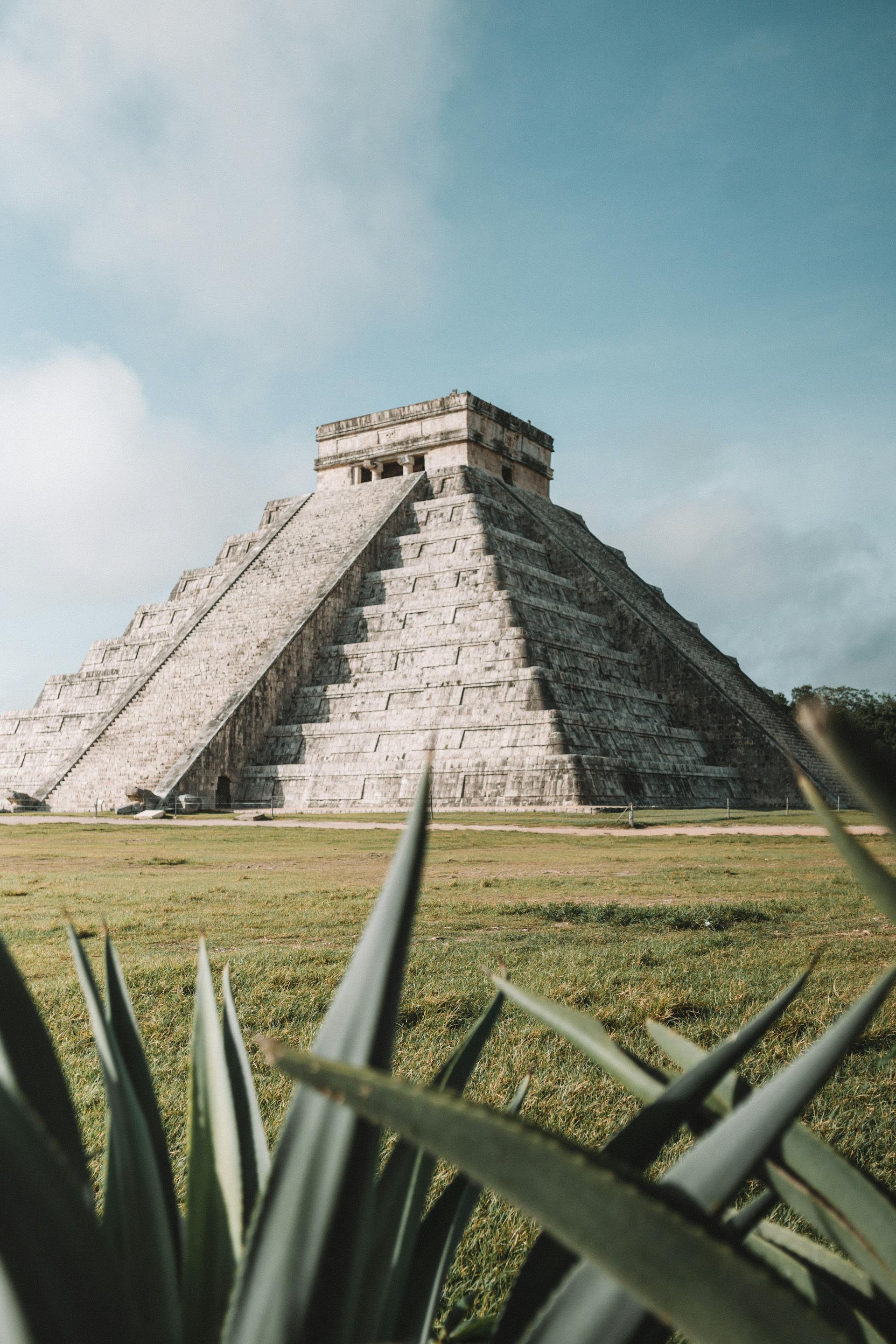
Monte Albán — arrive at 8am. The Zapotec ruins, perched on a flattened mountaintop above the valley, are among the most atmospheric in the Americas when you have them to yourself.
The coast — Puerto Escondido and the surrounding beaches — offers a different Oaxaca entirely: Pacific surf, fresh ceviche, and a pace that makes the city feel urgent by comparison.
When to go: October to December. November is ideal — Day of the Dead, the end of the rains, warm golden light.
Explore
Places in Oaxaca
 mexico
 Apoala
A Mixtec village folded into a limestone canyon in the Mixteca Alta, where the ancient codices say the first humans emerged from two trees growing from a rock. The turquoise pools and the natural stone arch at the canyon's heart are worth the two hours of unpaved road it takes to reach them.
Explore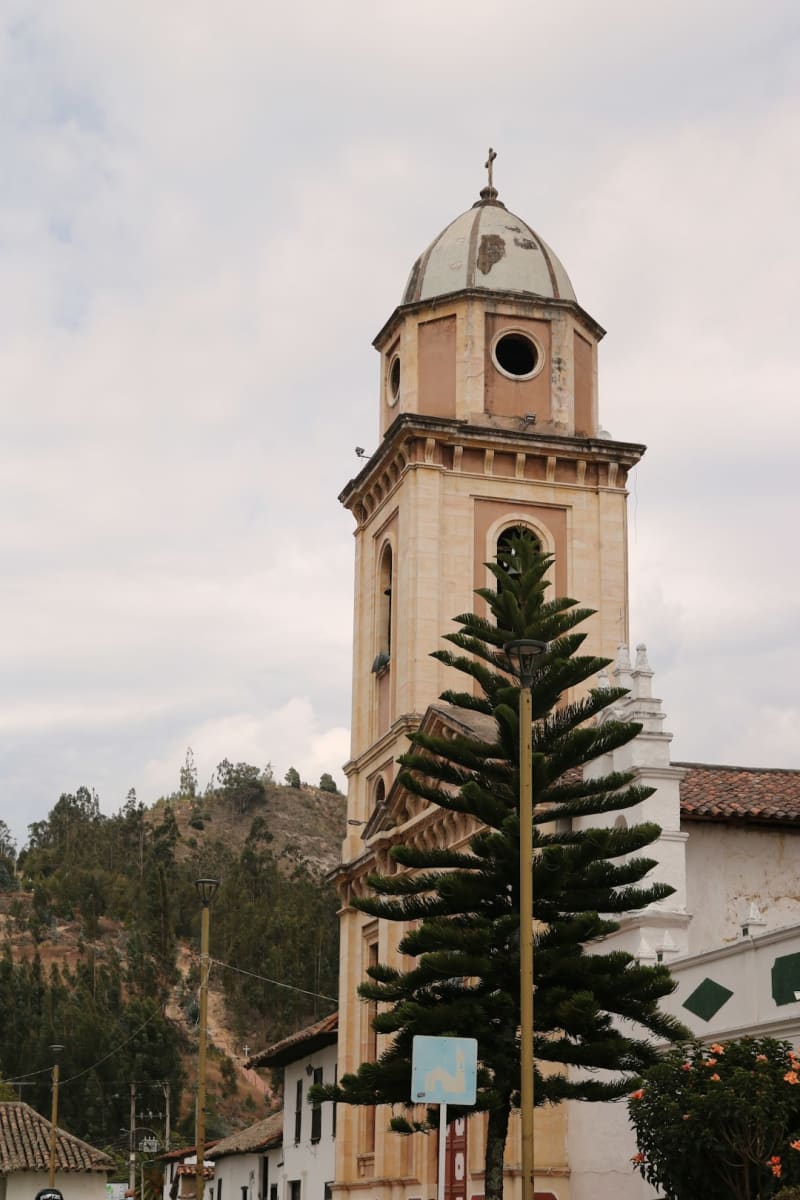 mexico
 Capulálpam de Méndez
A Zapotec pueblo mágico high in the misty pine-oak forest of the Sierra Juárez, north of Oaxaca city. A community that runs its own tourism — cabins, forest trails, a trout stream — around a former gold-and-silver mine, a wooden-roofed colonial church, and a living tradition of herbal medicine.
Explore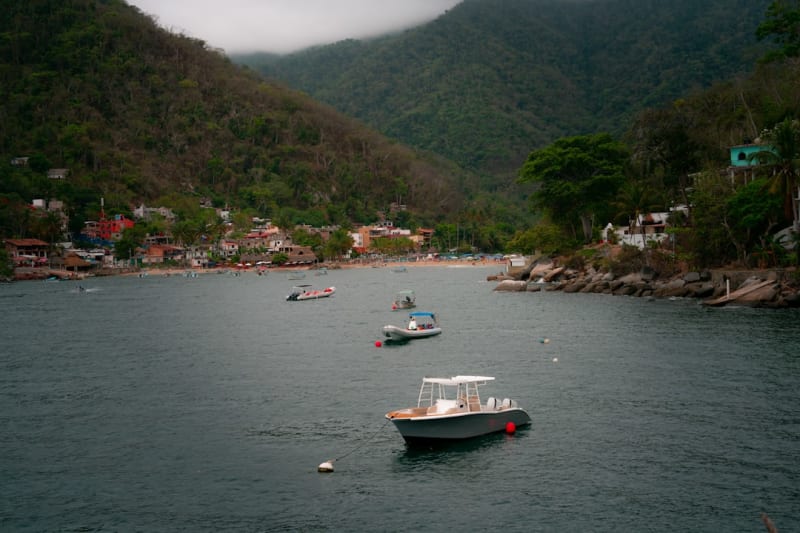 mexico
 Chacahua
A remote Oaxacan lagoon system accessible only by boat, where the mangrove channels lead to a Pacific beach with no road, the crocodiles sun on the banks in the afternoon, and the fishing community that lives here has been here since before Mexico existed.
Explore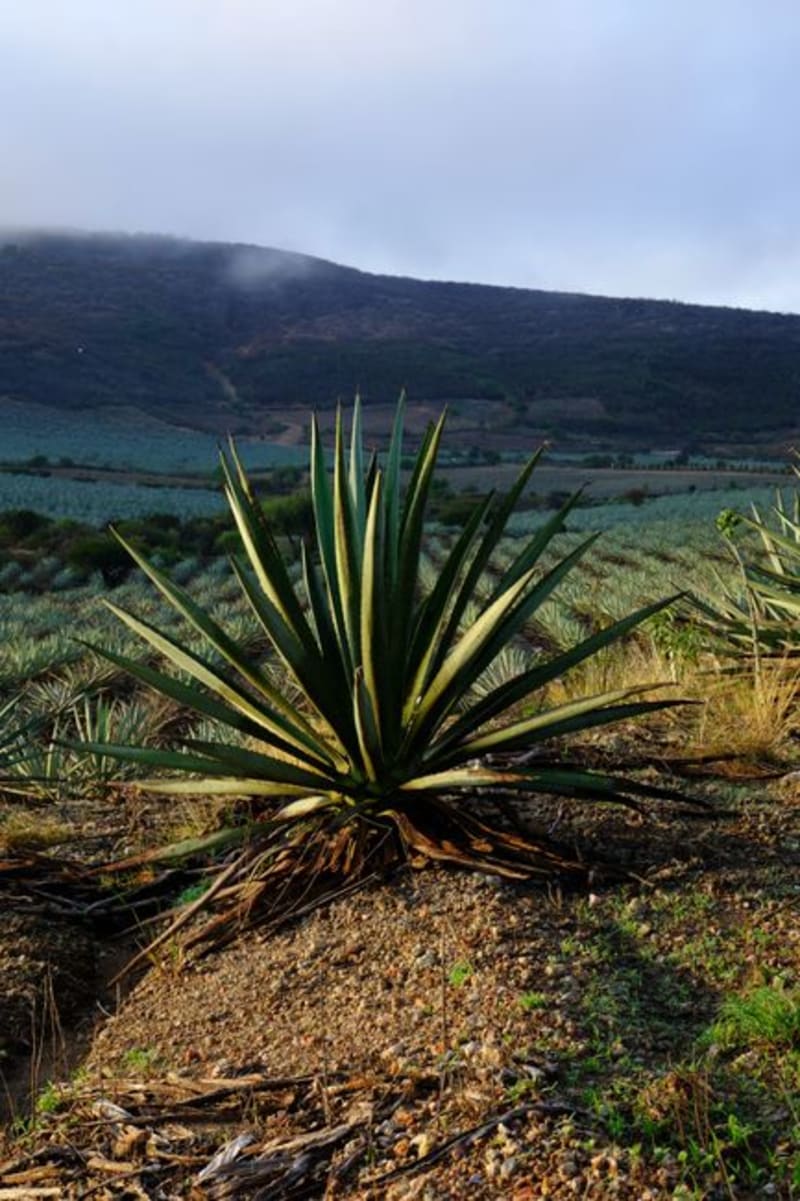 mexico
 Coixtlahuaca
A remote Mixteca Alta town built over a pre-Hispanic trade hub, anchored by a sixteenth-century Dominican ex-convent whose scale and ornamentation feel almost confrontational against the surrounding eroded ridges. Few people come here, which is precisely the point.
Explore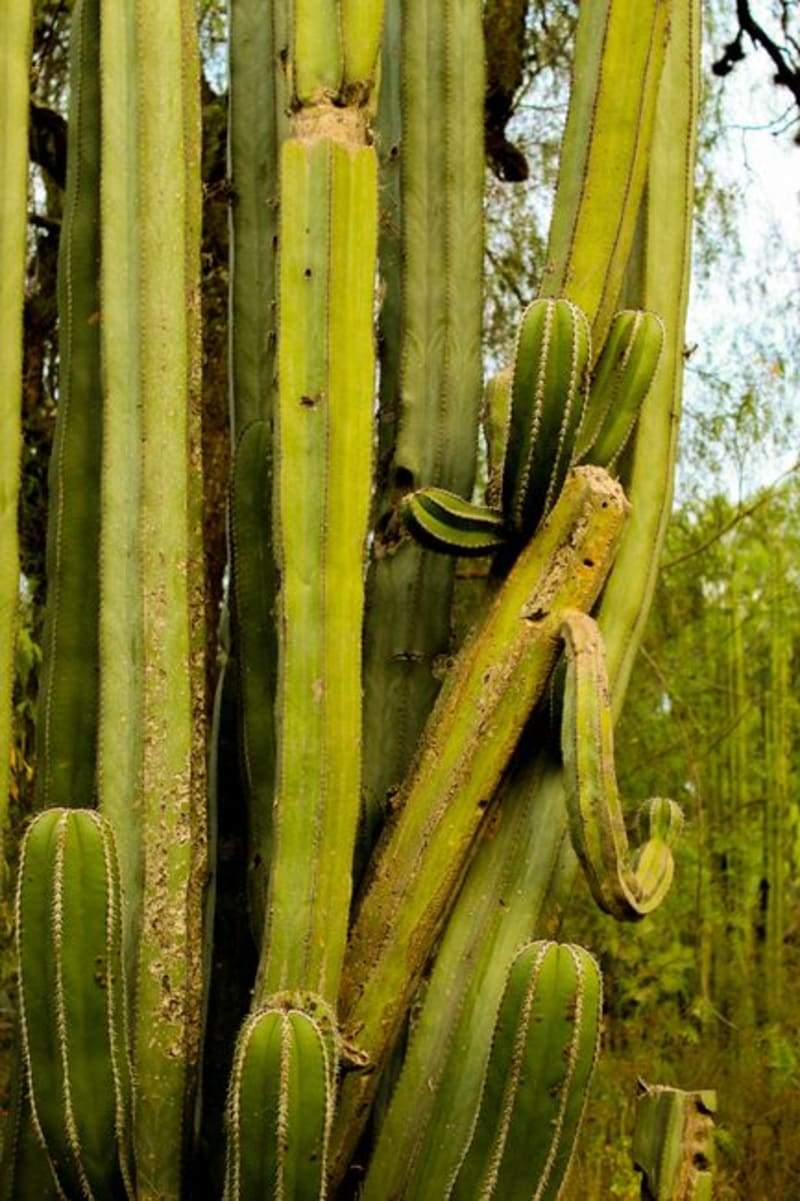 mexico
 Cuicatlán
Gateway to the Tehuacán-Cuicatlán canyon biosphere — UNESCO-listed for its extraordinary density of columnar cacti and pre-Hispanic irrigation works threaded through the rock — Cuicatlán is small, dusty, and hotter than it looks on a map. The canyon it overlooks is genuinely otherworldly.
Explore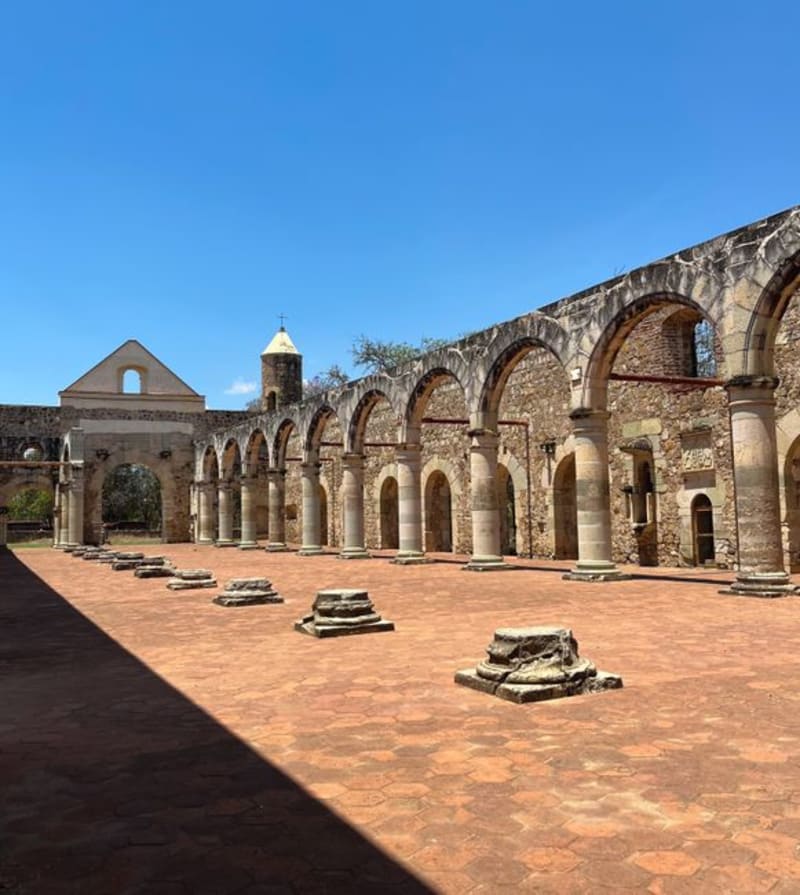 mexico
 Cuilapan de Guerrero
Eight kilometers south of Oaxaca city, the unfinished Dominican convent of Cuilapan de Guerrero is one of the most imposing religious structures in the state — a sixteenth-century open-air basilica where the sky serves as the ceiling and the proportions make you feel usefully small. It also holds the cell where Vicente Guerrero, a president and hero of Mexican independence, was imprisoned before his execution in 1831.
Explore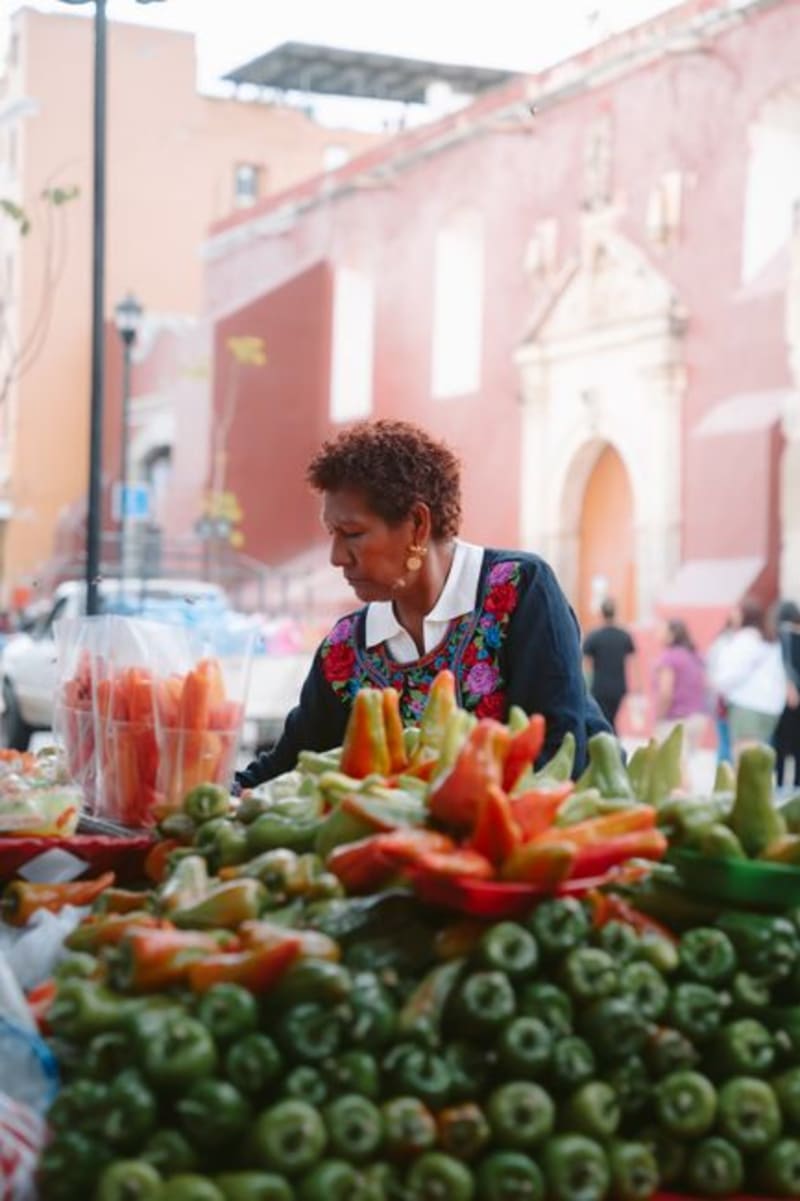 mexico
 Ejutla de Crespo
Ejutla de Crespo is a small Zapotec market town seventy kilometers south of Oaxaca City that most visitors pass without stopping. Its Friday tianguis draws vendors from a dozen sierra communities, trading mezcal, textiles, and produce at prices that reflect what things actually cost. Nobody here is performing for tourists — they are simply trading, and that distinction matters.
Explore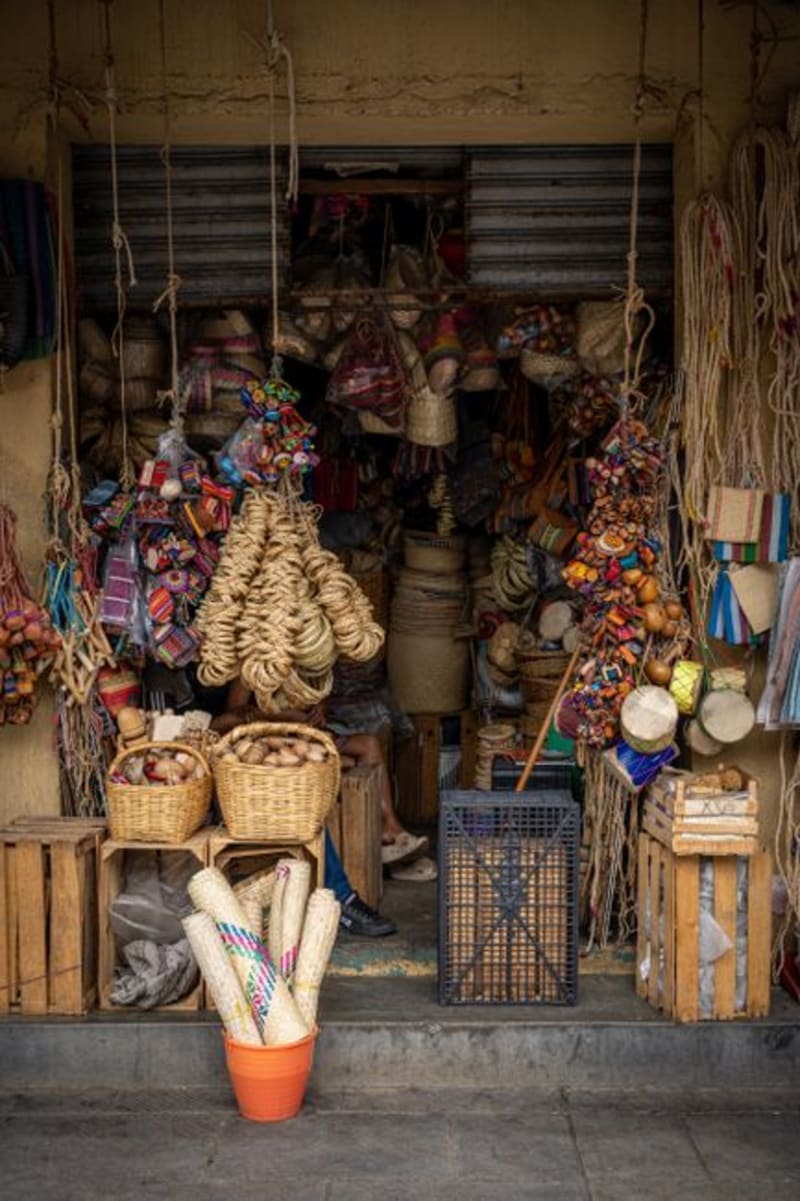 mexico
 Etla
The Valle de Etla, twenty minutes north of Oaxaca City, runs a Wednesday market that is the best uncrowded market in the state for fresh cheese, dried chiles, and produce — alongside a converted textile factory turned arts center and a handful of mezcal producers who have not bothered with branding yet.
Explore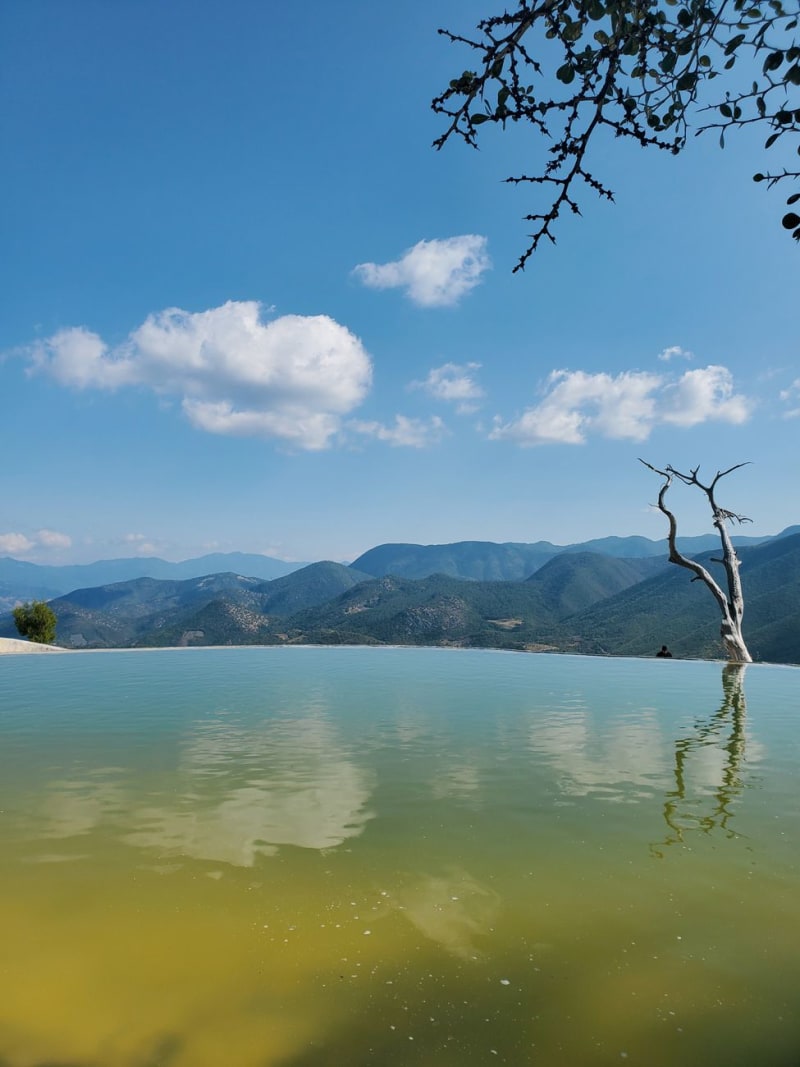 mexico
 Hierve el Agua
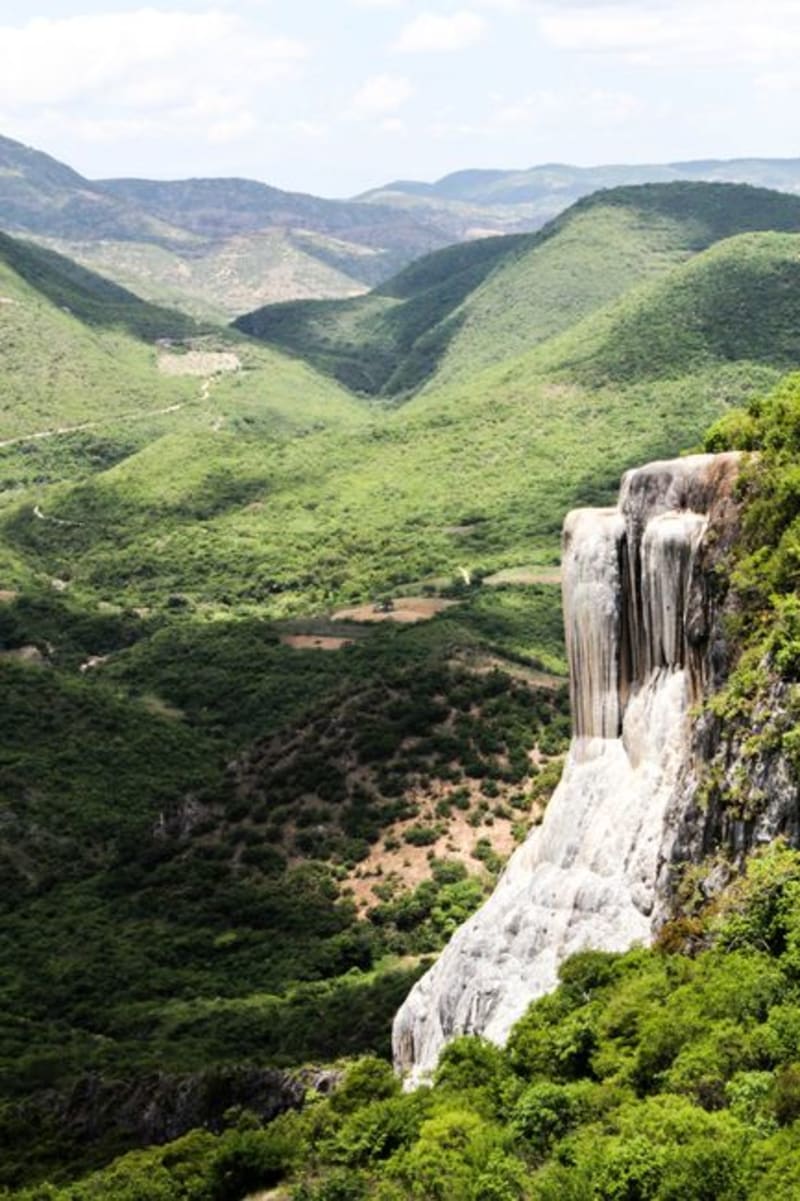
A pair of petrified waterfalls and mineral springs perched on a cliff edge in the Oaxacan mountains, where you swim in pools that hang over a valley two thousand years deep.
Explore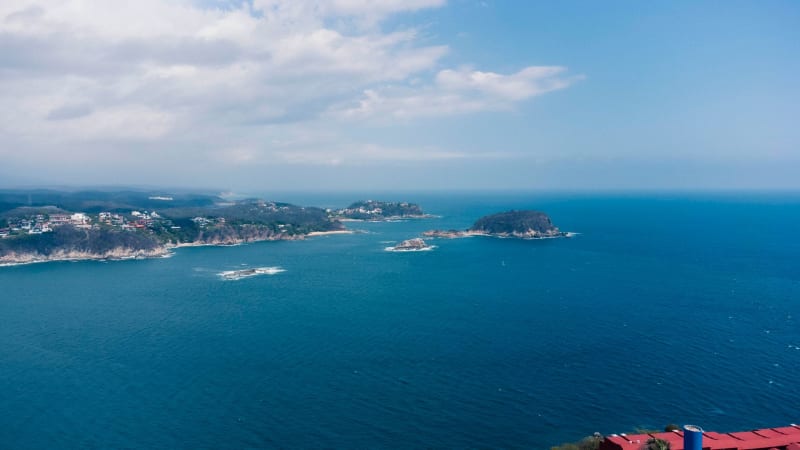 mexico
 Huatulco
Nine bays of Pacific coastline in Oaxacan jungle — federally protected, ecologically intact, and free of the mass tourism that has consumed the rest of the Mexican coast.
Explore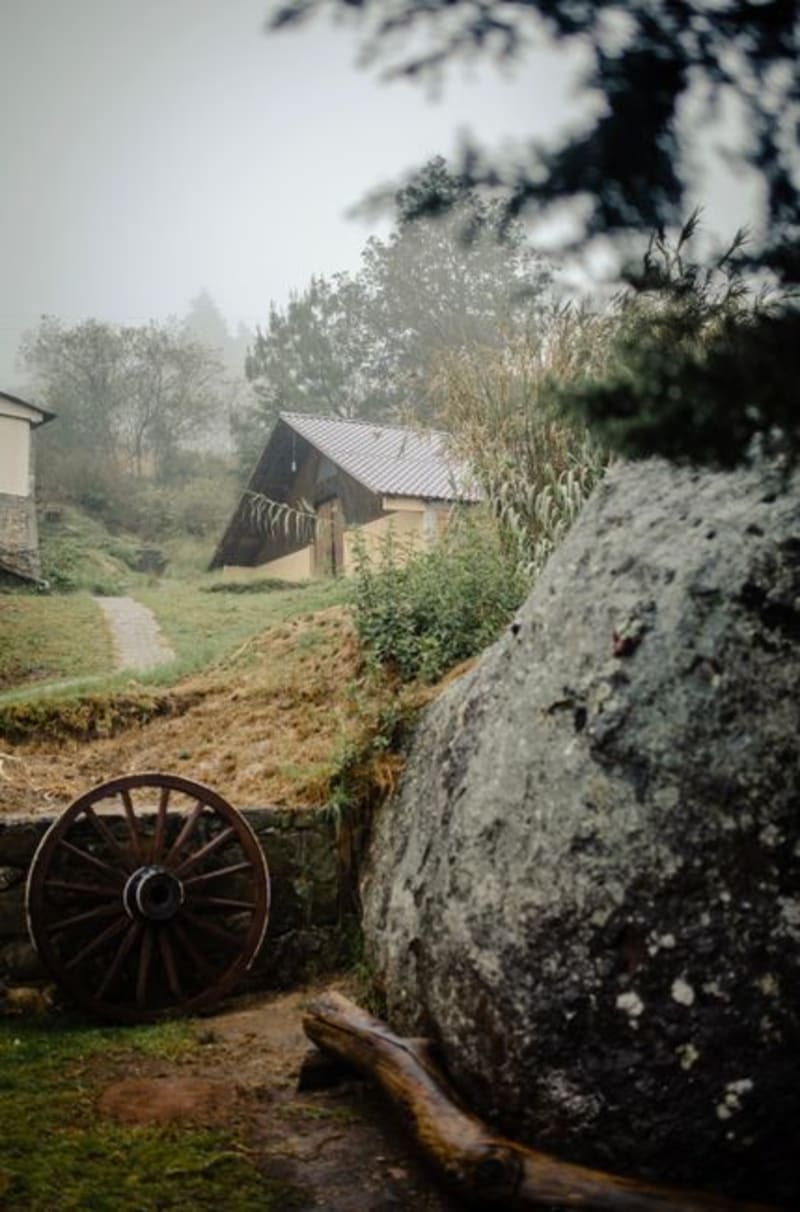 mexico
 Huautla de Jiménez
High in the Sierra Mazateca, Huautla de Jiménez sits inside the clouds at nearly 1,700 meters — a Mazatec town that became briefly famous when María Sabina shared her sacred mushroom ceremonies with the outside world, and has been carefully guarding what remains ever since. The road alone justifies the journey.
Explore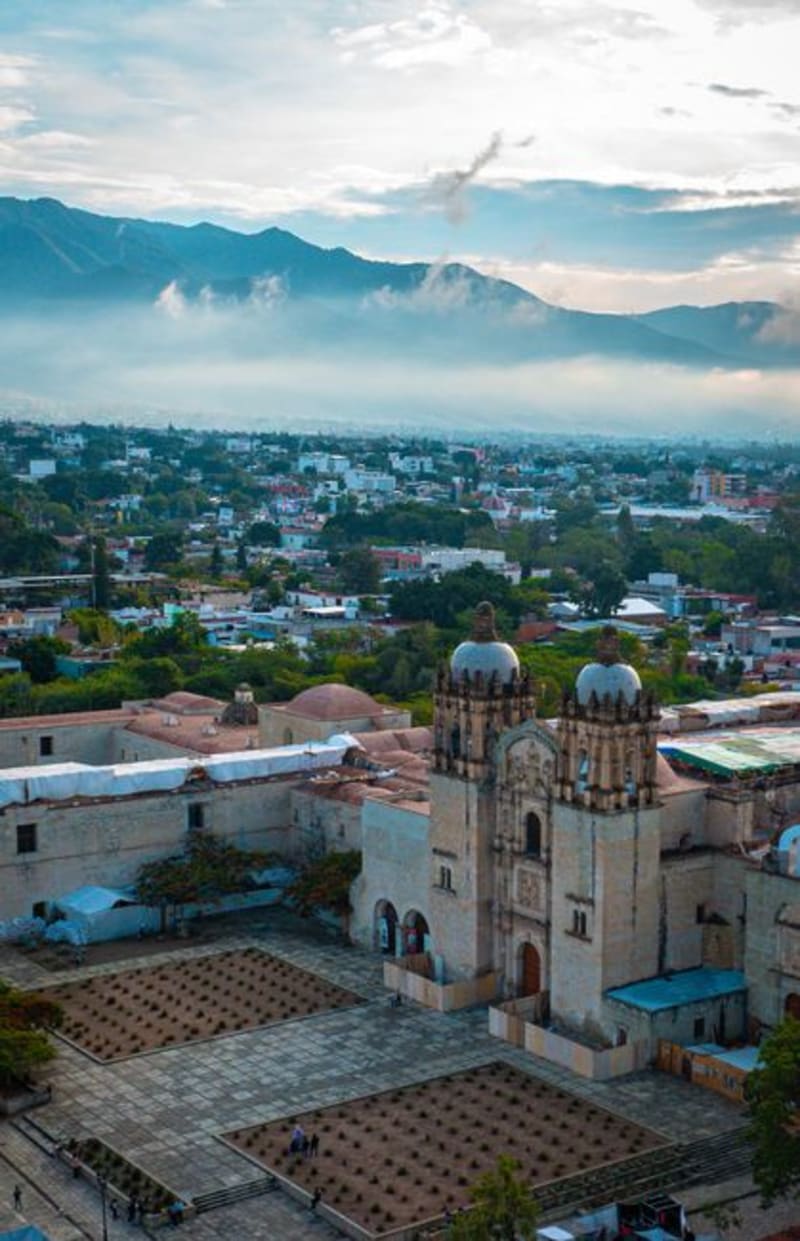 mexico
 Ixtlán de Juárez
A Zapotec town high in the Sierra Juárez of northern Oaxaca, wrapped in cloud forest and pine and run, unusually, by the community itself. Celebrated community ecotourism — cabins, trails, birdwatching — in one of the most biodiverse forests in Mexico, cool and misty, and proud of both its trees and its most famous native son's namesake.
Explore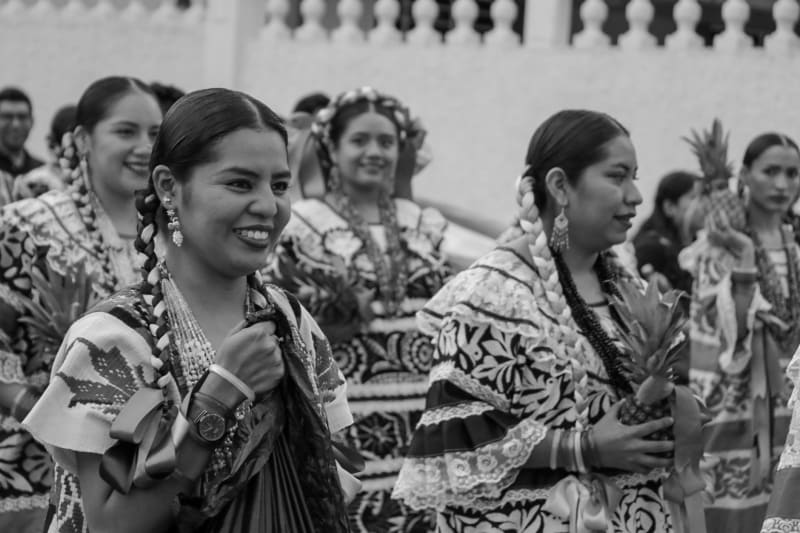 mexico
 Juchitán de Zaragoza
A Zapotec city on the Isthmus of Tehuantepec where women run the markets and the economy, the muxe (third-gender people) are celebrated rather than hidden, the traditional embroidered dress is worn to the market on Tuesdays, and the velas (week-long fiestas) happen 40 times per year.
Explore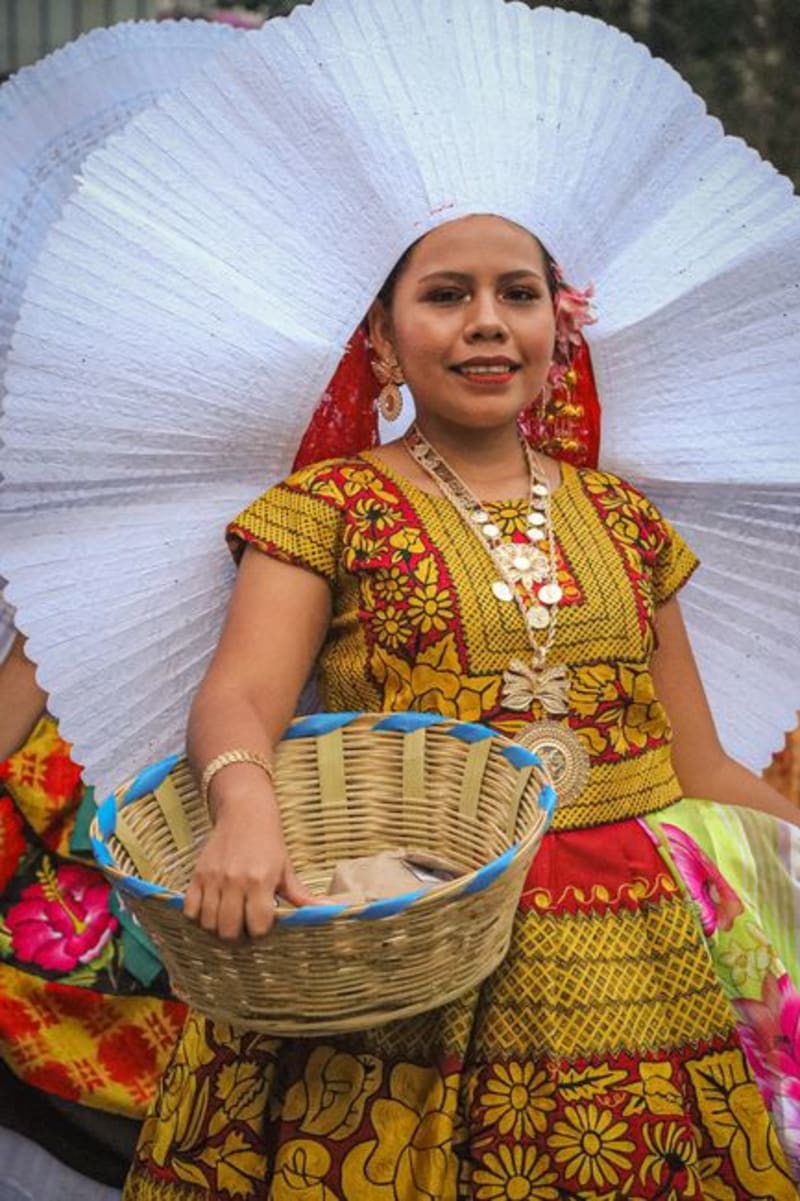 mexico
 Santiago Juxtlahuaca
The commercial capital of the Mixteca Baja, Juxtlahuaca is where Mixtec, Triqui, and Amuzgo vendors converge in a market that no tourist shop in Oaxaca city could replicate. The surrounding landscape — eroded canyons, dry hills, towers of cacti — looks like a different country entirely.
Explore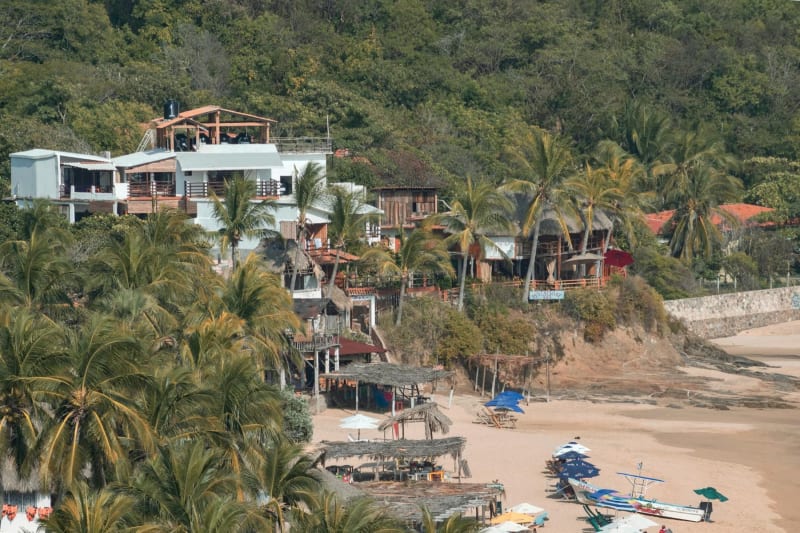 mexico
 Mazunte
A former turtle-slaughtering village on the Oaxacan Pacific coast that reinvented itself as a producer of natural cosmetics.
Explore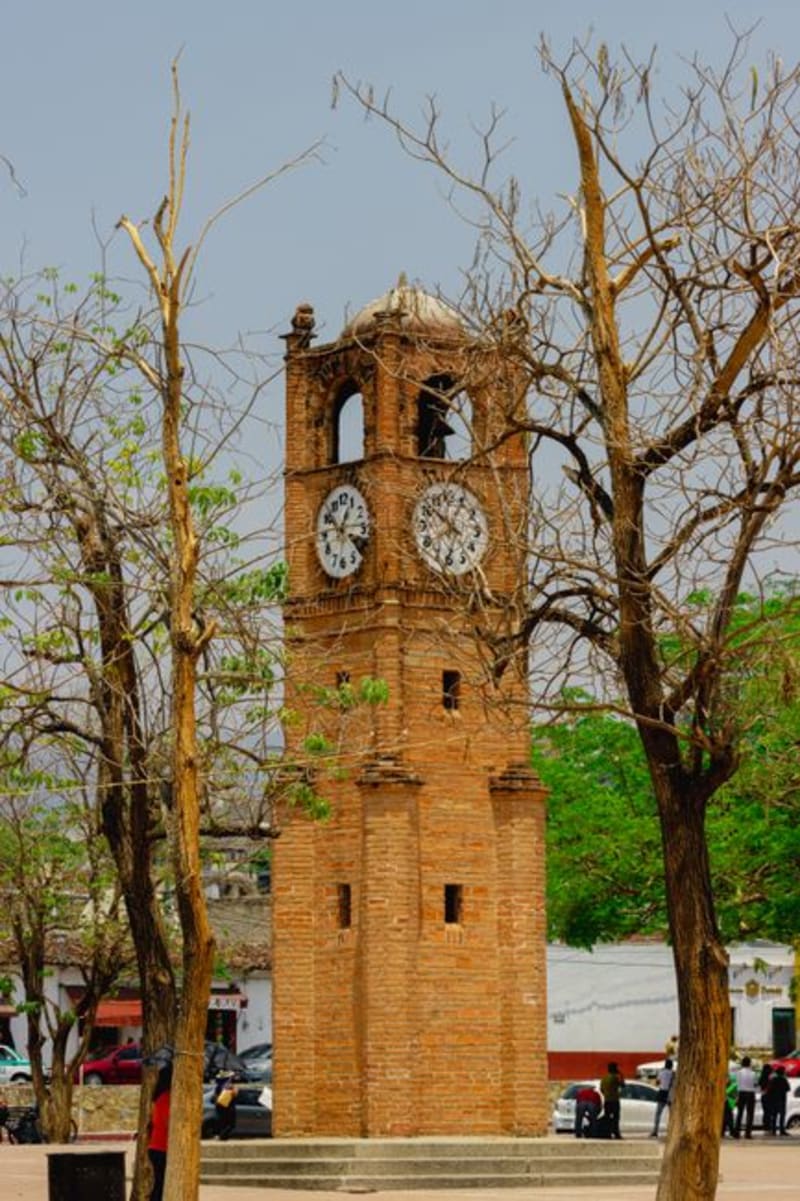 mexico
 Miahuatlán de Porfirio Díaz
A sierra market town in the pine-oak highlands south of Oaxaca, where Zapotec villages pour into the Monday tianguis and mezcal palenques dot the back roads. Few foreigners ever make the detour off the Puerto Escondido highway.
Explore mexico
 Miahuatlán de Porfirio Díaz
Deep in the sierra south of Oaxaca City, Miahuatlán sits at the center of a mezcal-producing valley where agave fields climb every hillside and family palenques operate on schedules set by nobody but themselves. The Sunday tianguis pulls Chatino and Zapotec vendors in from surrounding villages, and the local mezcal costs less than a coffee back home.
Explore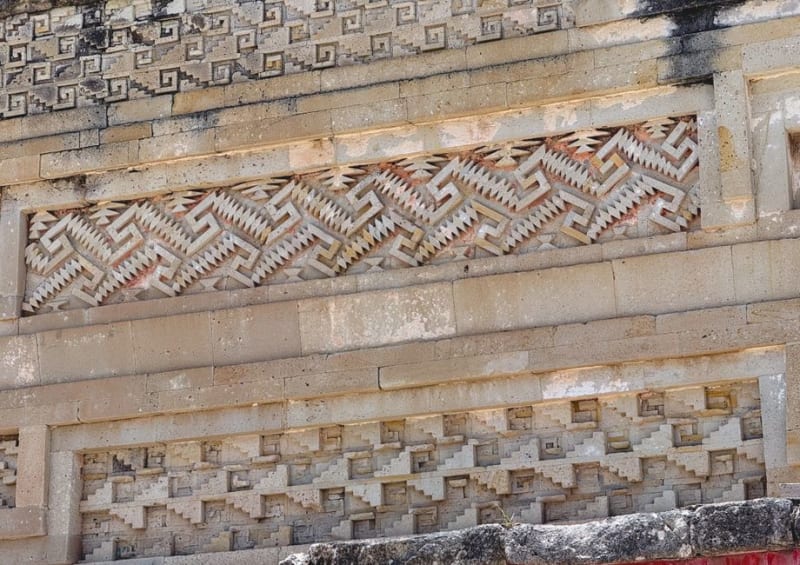 mexico
 Mitla
The Zapotec city of the dead — intricate geometric stone mosaics covering every interior wall, mezcal distilleries in the village, and a Sunday market that has been operating on the same site for a thousand years.
Explore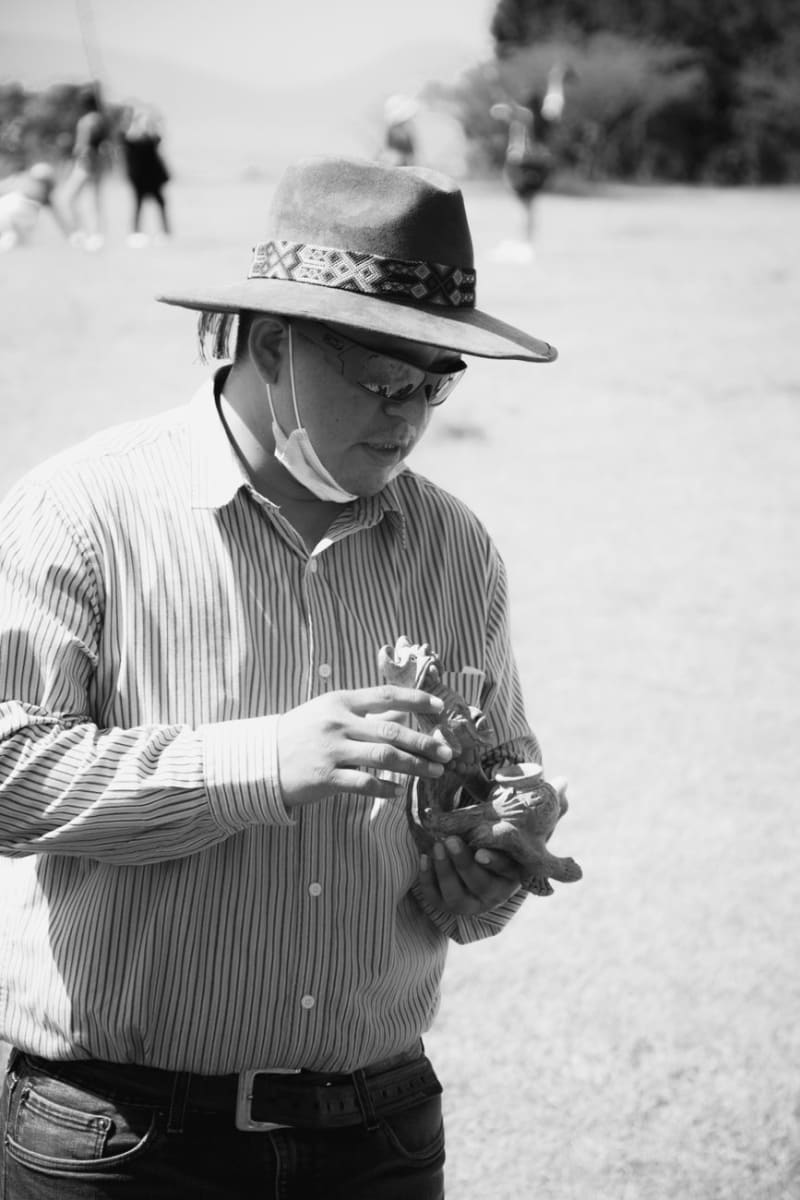 mexico
 Monte Albán
Monte Albán is the mountaintop that the Zapotecs flattened and built on for over a thousand years — a Grand Plaza 300 meters long, temples, a ballcourt, an astronomically aligned observatory, and carved stone slabs depicting captured rulers in positions that make Versailles look restrained. Nine kilometers from Oaxaca City, arrive when it opens or give the site to the tour buses.
Explore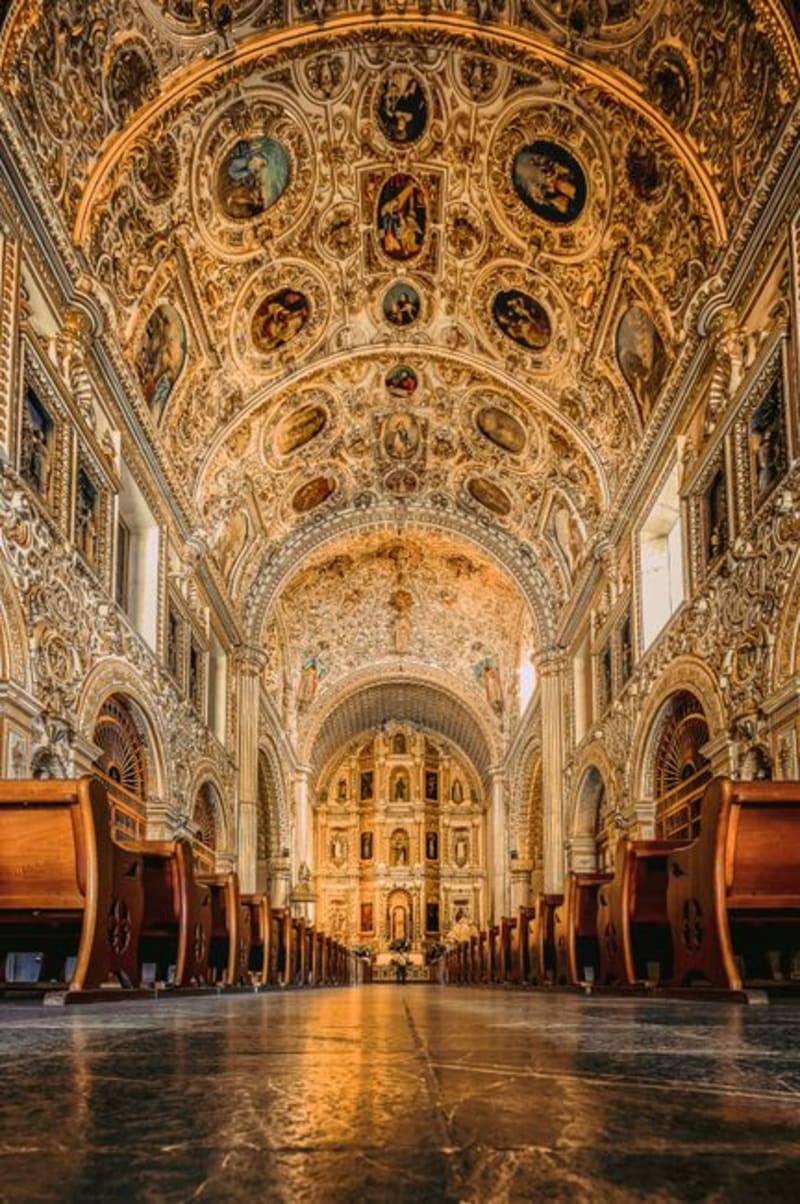 mexico
 Oaxaca City
The colonial capital of Oaxaca state, where mole negro is a civic religion, mezcal is poured from unlabeled bottles at market stalls, and the Santo Domingo church glows gold at dusk in a way that still catches me off guard after a dozen visits. Seven hours from the coast — a commitment I keep making anyway.
Explore mexico
 Ocotlán de Morelos
Ocotlán de Morelos comes alive on Fridays, when the valley market fills with tasajo, black clay pottery, and dried chiles stacked higher than your head. The town is also the home of the Aguilar family, whose ceramic figurines — skeletons in aprons, women mid-dance — have quietly landed in museum collections around the world.
Explore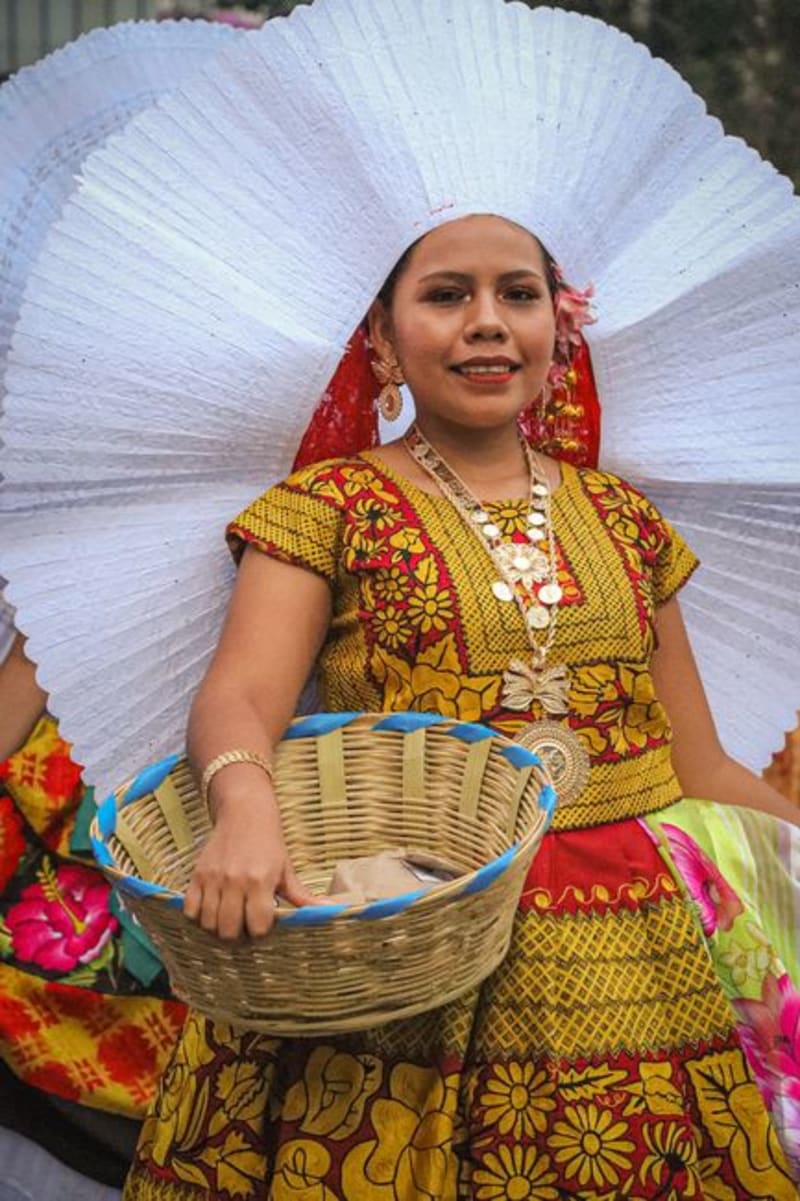 mexico
 Pinotepa Nacional
Pinotepa Nacional sits at the confluence of Mixtec, Afro-Mexican, and Amuzgo traditions on Oaxaca's Pacific coast, where the market smells of copal and dried shrimp and women still wear the pozahuanco — a ceremonial wrap skirt dyed with the secretion of a living sea snail. It is one of the few places in Mexico where a pre-Columbian dyeing technique has survived into the present without becoming a museum piece.
Explore mexico
 Pochutla
The unglamorous transit hub of the Oaxacan coast, where colectivos to Mazunte and Puerto Ángel fill and empty all day and the Sunday market draws Chatino and Zapotec vendors from the sierra with dried shrimp, wild herbs, and ceramics that never make it to the beach towns. Most travelers pass through in fifteen minutes. I started staying longer.
Explore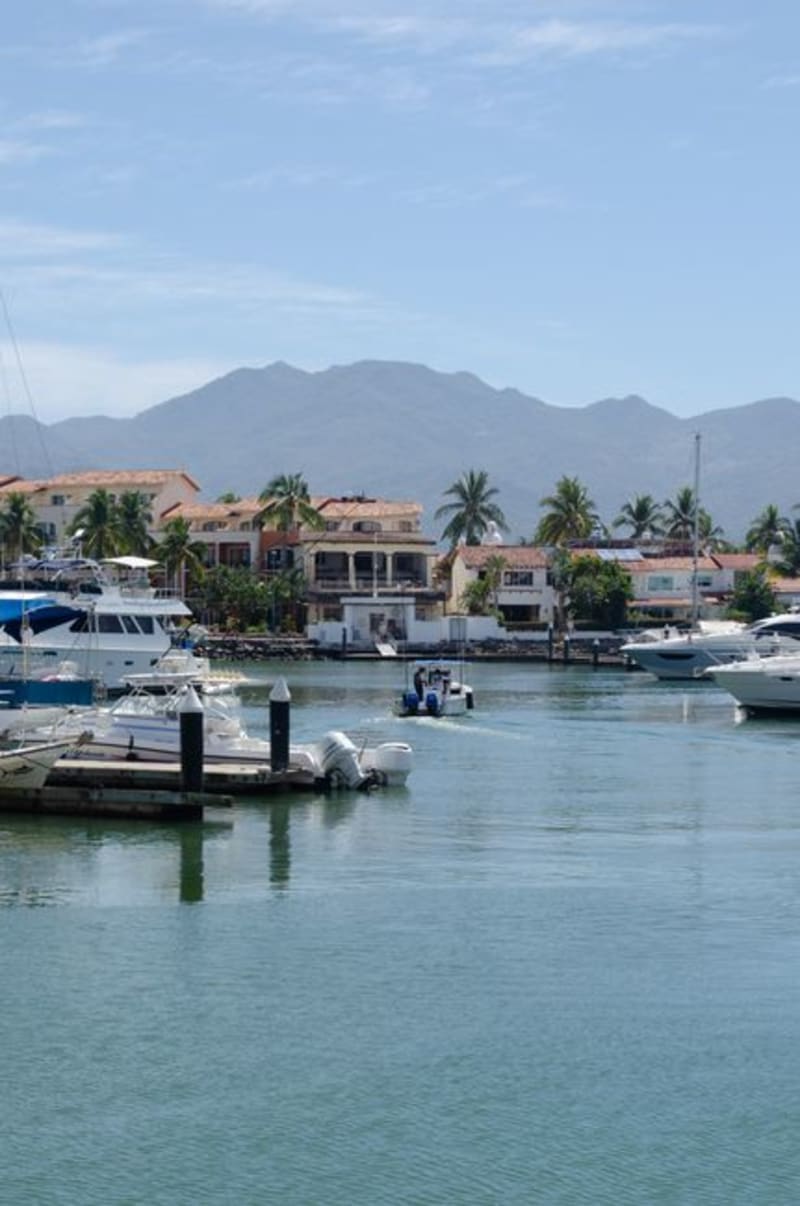 mexico
 Puerto Ángel
Puerto Ángel is a horseshoe bay village on the Oaxacan coast that stopped updating itself somewhere around 1994, and this is genuinely its best quality. Two small beaches, a handful of palapa restaurants, morning pelicans on the dock — and none of the infrastructure that turns places like this into something else.
Explore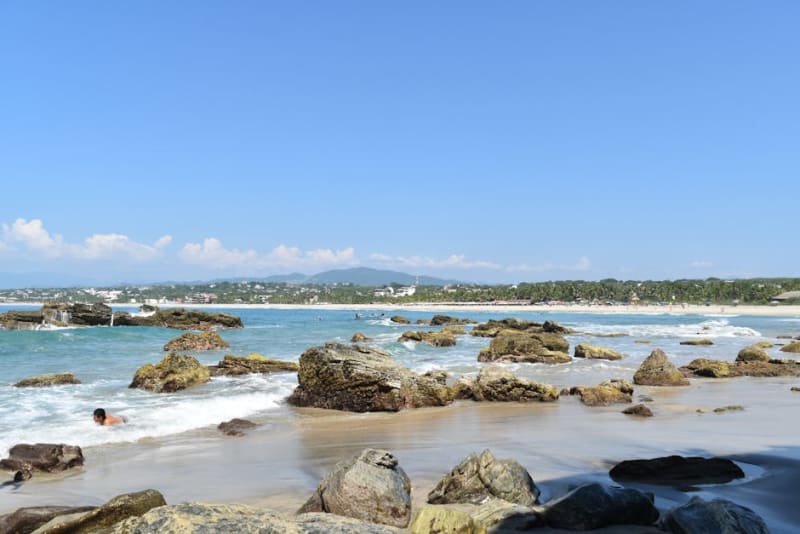 mexico
 Puerto Escondido
World-class surf, fresh ceviche at dawn, and a Pacific coast pace that rewires your relationship with time. This is where I live.
Explore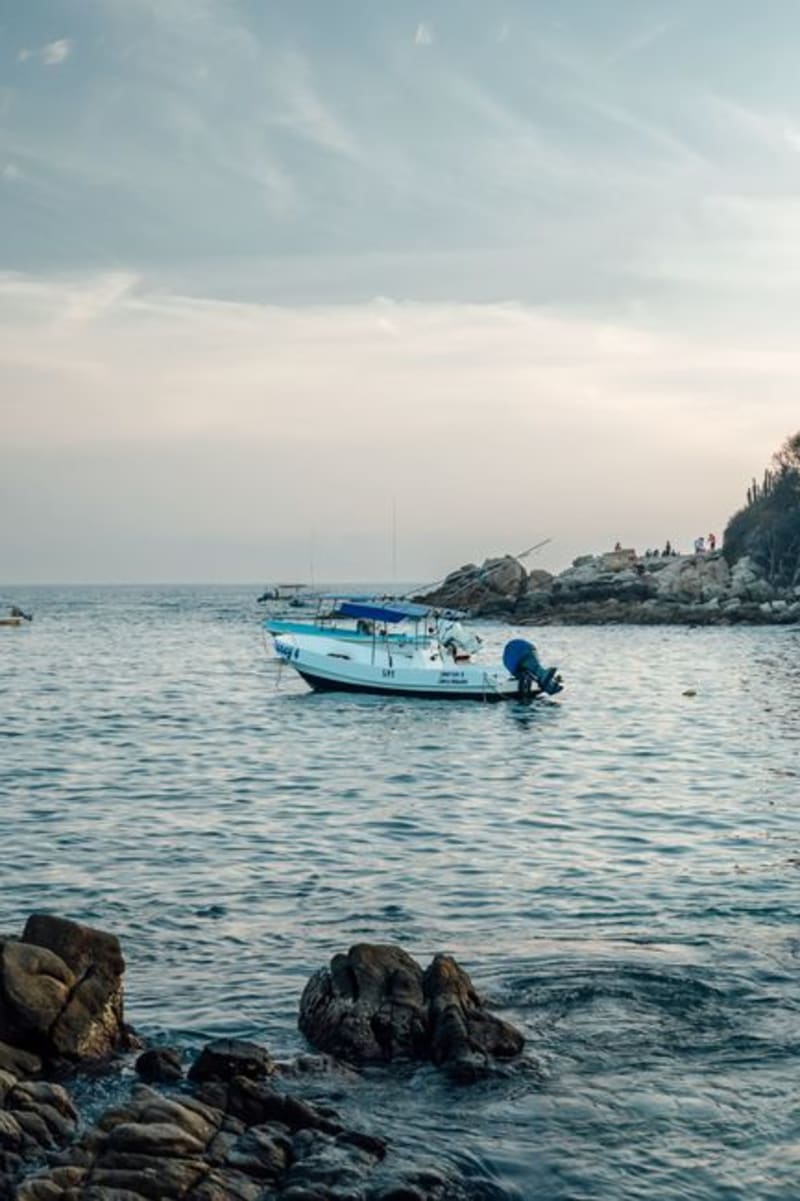 mexico
 San Agustinillo
Wedged between Mazunte and Puerto Ángel, San Agustinillo is a single-street fishing village facing a crescent bay where the Pacific actually lets you swim — a rarer thing on this coast than it sounds. There is no main square, no bus terminal, and the fish at the palapa on the beach came off a boat that morning.
Explore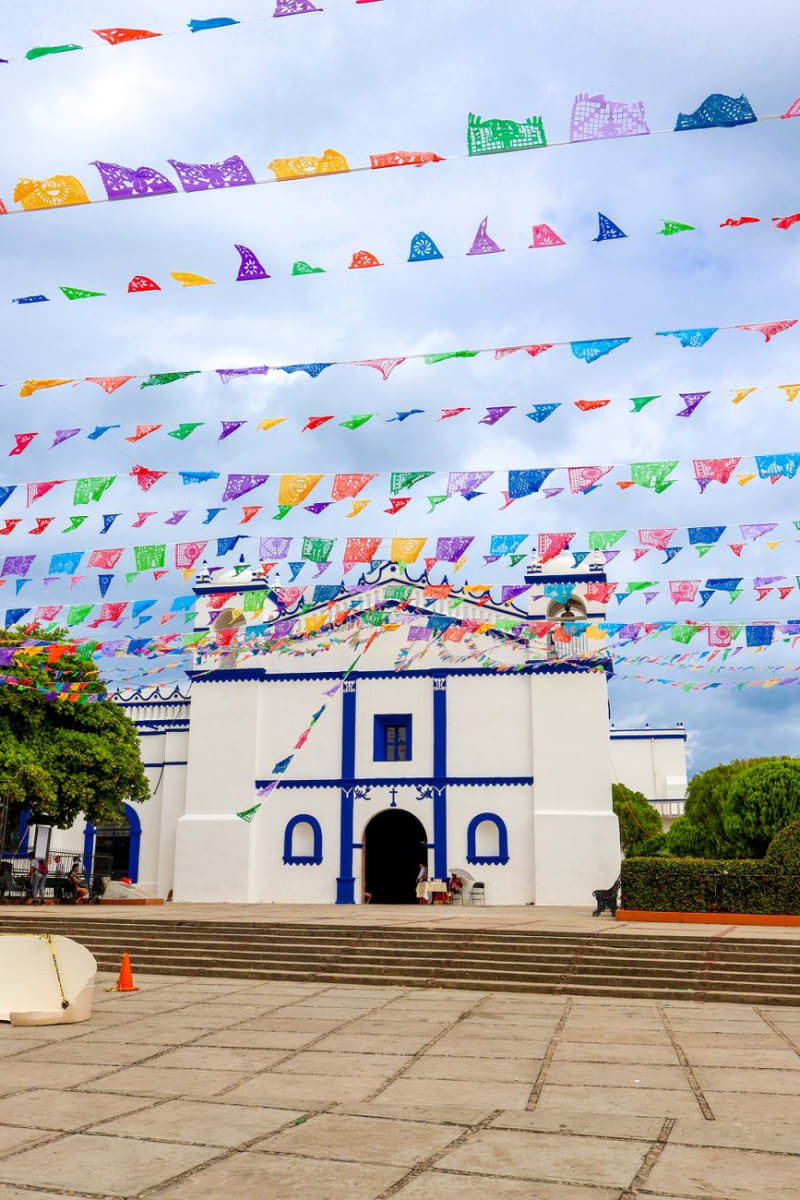 mexico
 San Bartolo Coyotepec
San Bartolo Coyotepec is twelve kilometers south of Oaxaca City and is the home of barro negro — black clay pottery made from a clay specific to this valley, fired in a way that produces a metallic sheen, hand-built without a wheel and polished with a quartz stone. The technique was refined in the 20th century by Doña Rosa Real de Nieto, whose descendants continue in the family workshop. I bought a small vessel for too much money and consider it the most worthwhile thing I have bought in Mexico.
Explore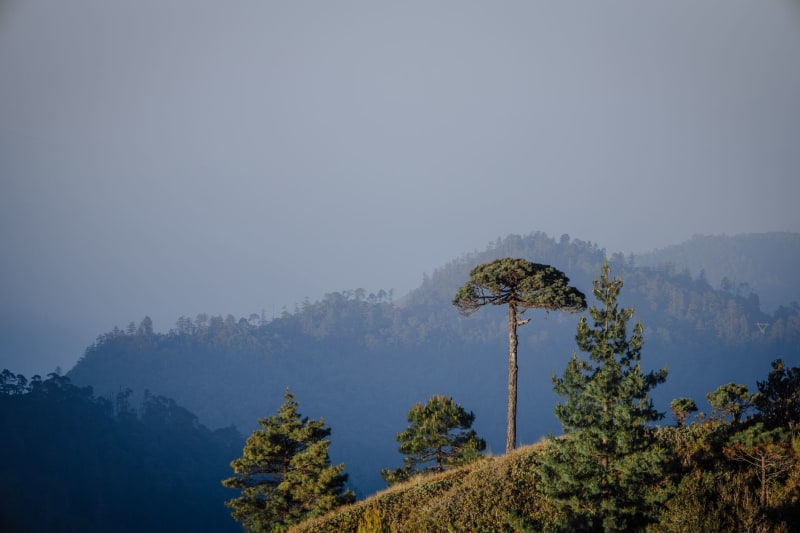 mexico
 San José del Pacífico
A cloud forest village on the mountain road between Oaxaca and the coast where the psilocybin mushrooms grow wild in the pine forest, the fog rolls in at three in the afternoon, and the journey down to the sea takes you through five ecological zones in two hours.
Explore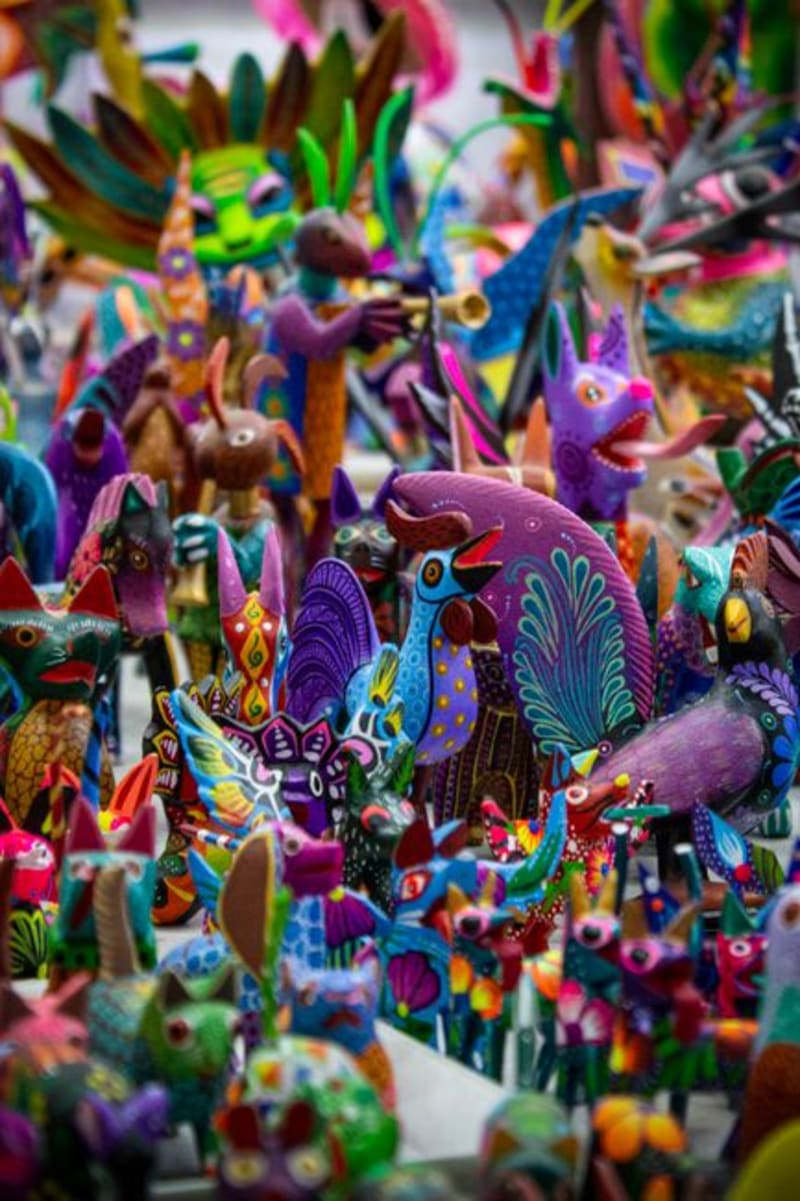 mexico
 San Martín Tilcajete
Twenty minutes south of Oaxaca city, San Martín Tilcajete is a village where copal wood becomes something with teeth and wings — alebrije carvers whose work lines gallery walls from Mexico City to New York, though the best pieces rarely leave the family workshop.
Explore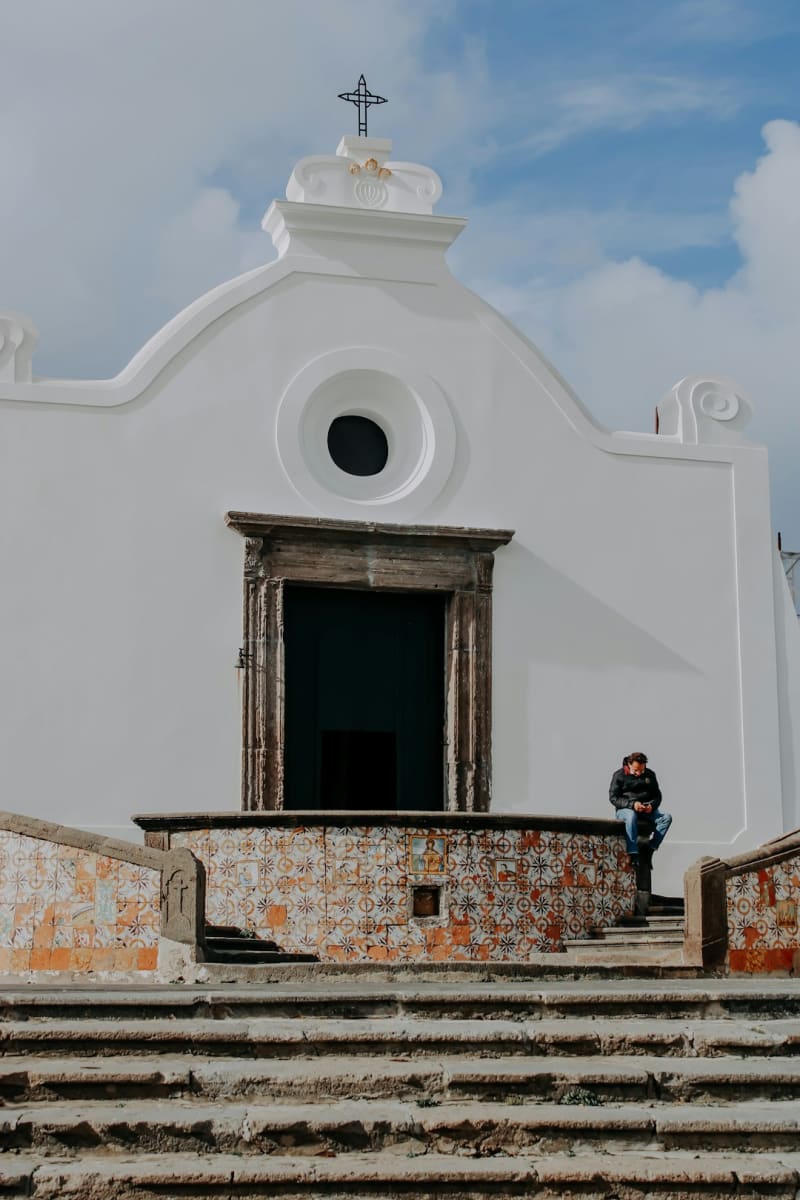 mexico
 Santa Catarina Juquila
A misty pilgrimage town high in the Sierra Sur of Oaxaca, home to the small Virgin of Juquila who draws millions of pilgrims a year. Steep green hills, candle smoke, and a devotional intensity you feel the moment you arrive.
Explore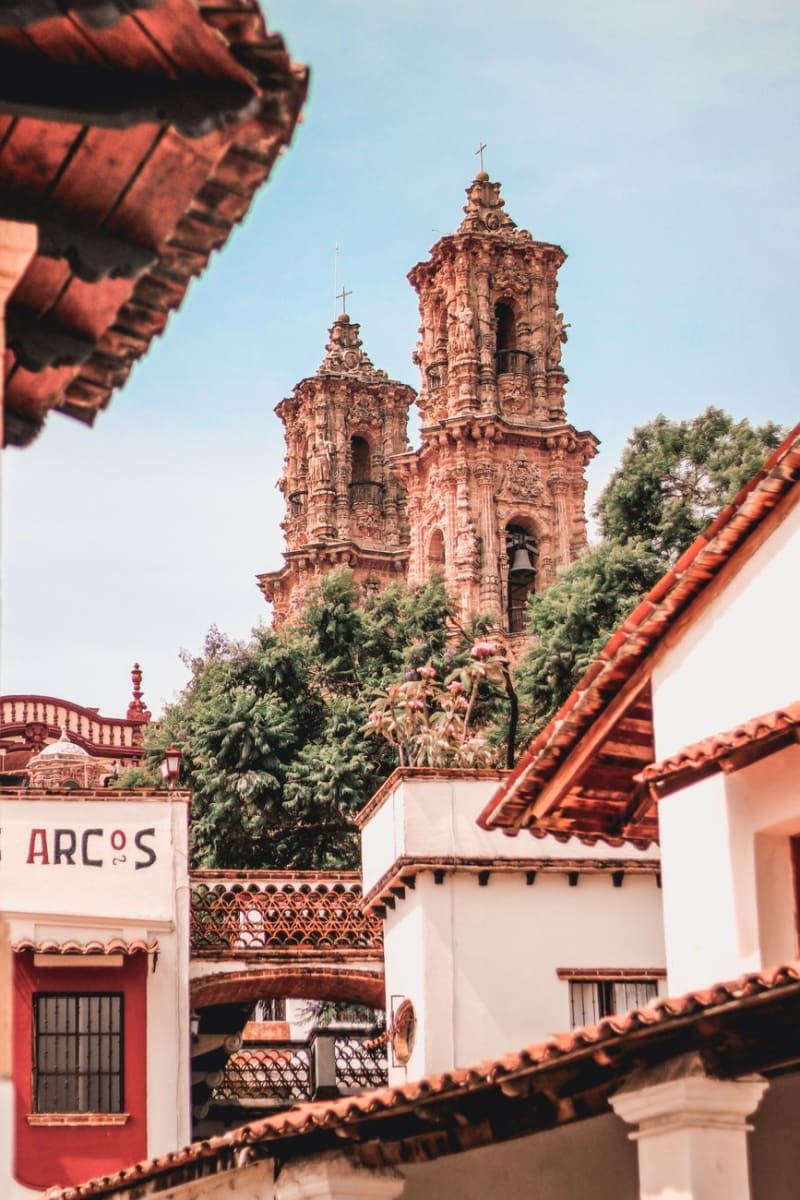 mexico
 Santa María Atzompa
Santa María Atzompa is a pottery village six kilometers northwest of Oaxaca City, known for a green-glazed ceramic tradition that uses a lead-based emerald glaze fired to a deep, slightly matte finish unlike anything else made in Mexico. I found the pottery in a shop in the city, asked where it came from, drove out the next morning, and bought a bowl directly from the workshop for half the price.
Explore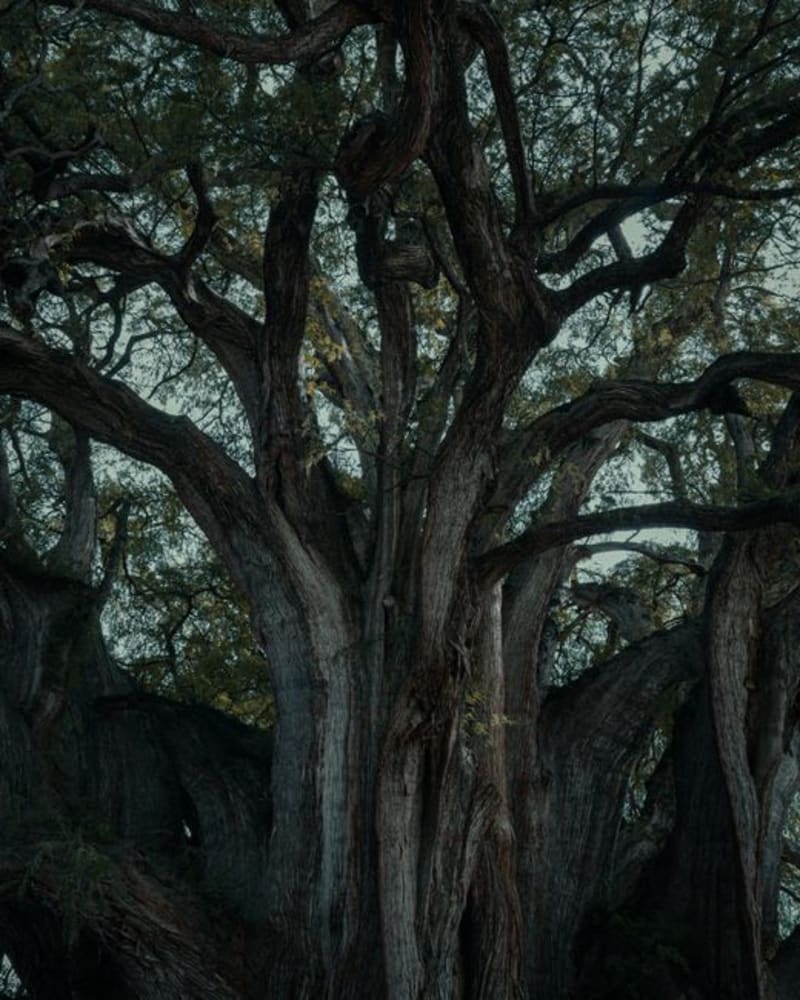 mexico
 Santa María del Tule
Nine kilometers from Oaxaca City on the road to Mitla, Santa María del Tule exists almost entirely around a single tree — a Montezuma cypress over 2,000 years old with the widest trunk on earth. The village has a church, vendors selling tejate and chapulines in the atrium, and a teenager who will walk you through the animal shapes in the bark for a few pesos. I went around the tree twice and still wasn't sure I'd processed it.
Explore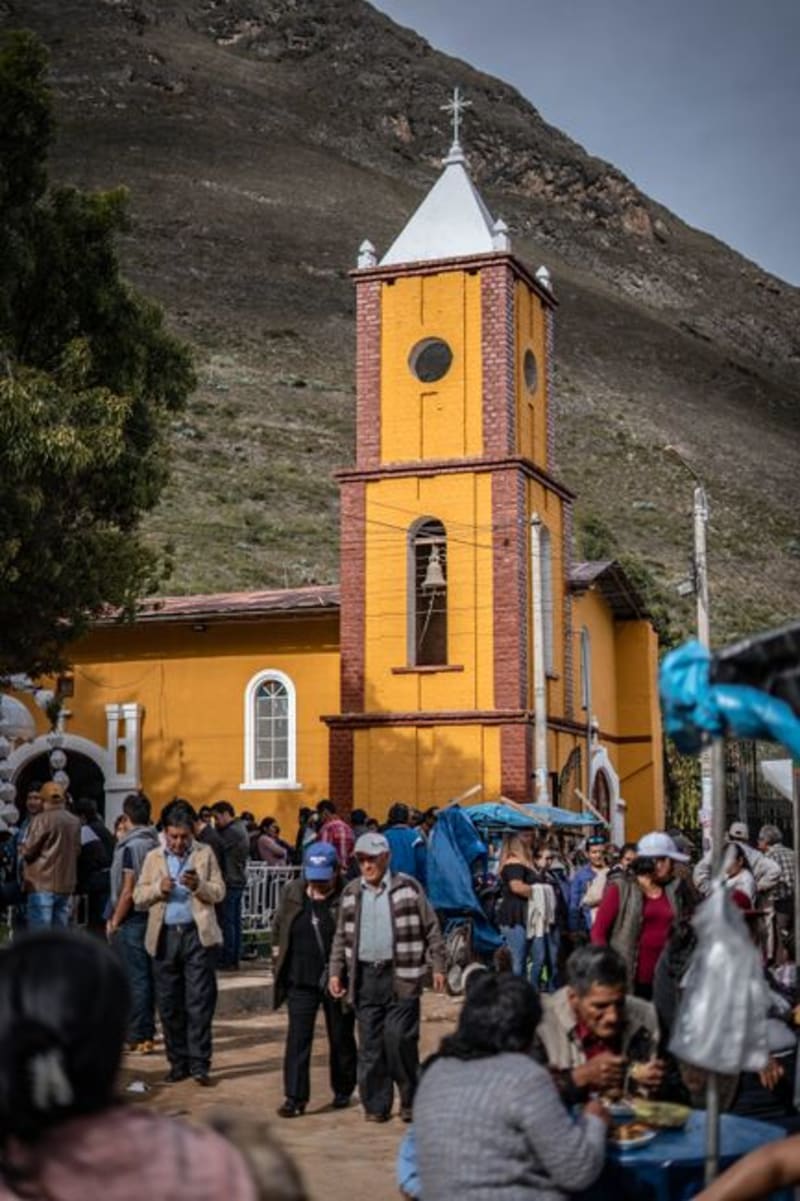 mexico
 Santa María Huatulco village
While the resort bays of Huatulco fill with package tourists, the original Chontal village of Santa María sits quietly in the hills above — colonial church, Sunday produce market, and almost no one from the coast. Pair a morning here with an afternoon at Bahía San Agustín and you get both versions of the Oaxacan coast in a single day.
Explore mexico
 Oaxaca Sierra Norte
A community ecotourism network in Oaxaca's cloud forest where Zapotec villages manage their own hiking trails and cabins.
Explore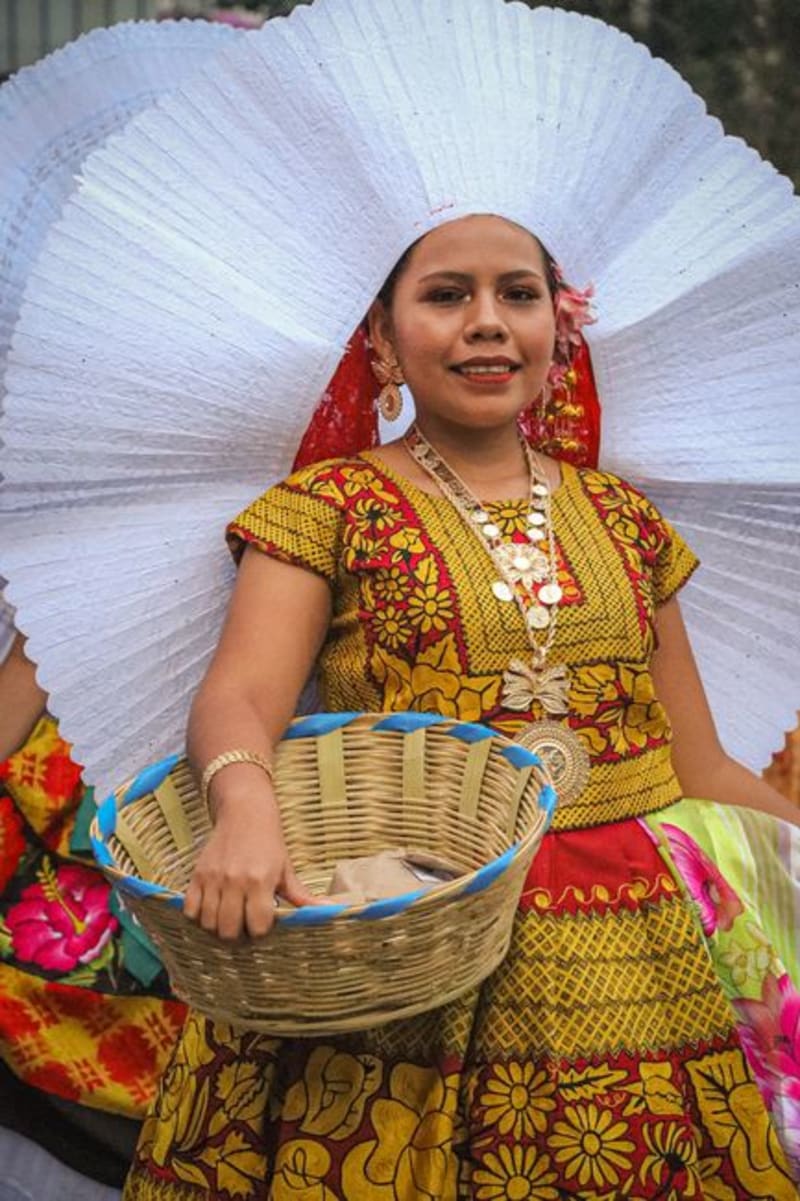 mexico
 Tehuantepec
Tehuantepec operates by different rules — the women control the market, the economy, and social life, dressed in embroidered huipiles that make Oaxaca City fashion look restrained. The heat is relentless and clarifying, the mercado is a revelation, and the colonial center rewards anyone willing to slow down long enough to feel it.
Explore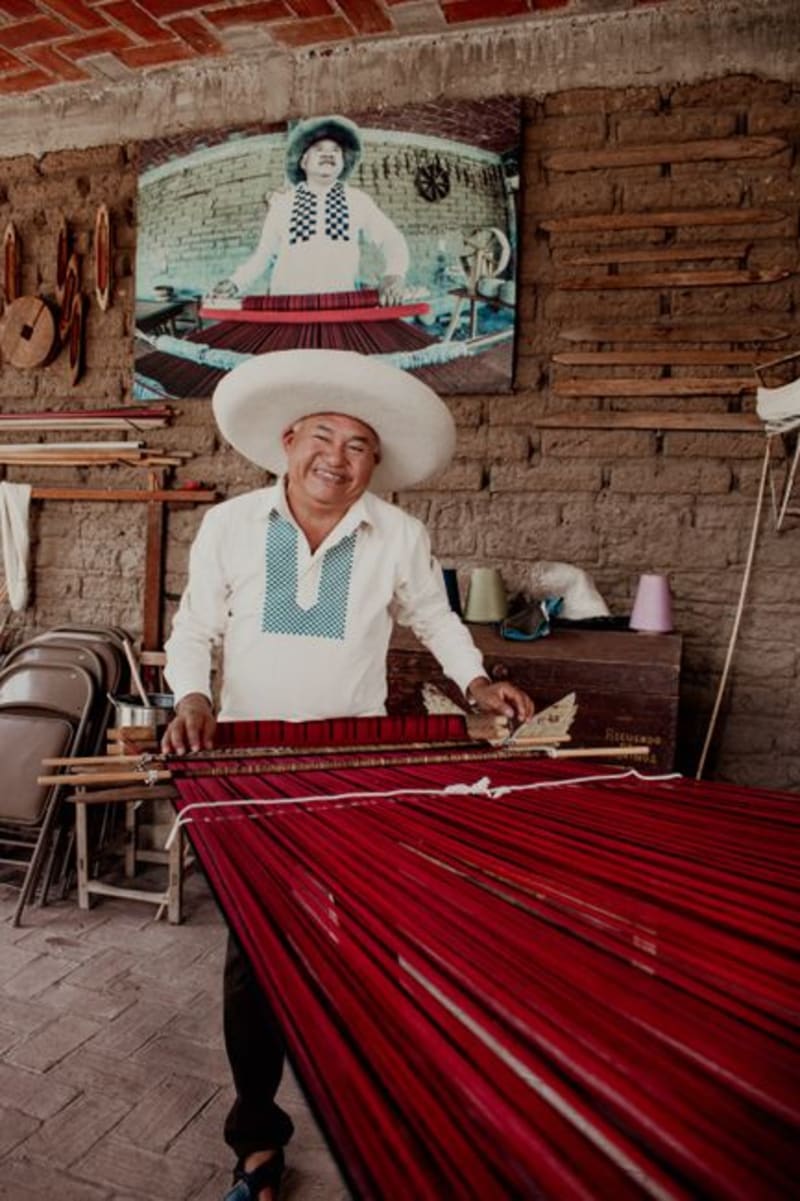 mexico
 Teotitlán del Valle
A Zapotec weaving village in the valley east of Oaxaca City where every household has a loom and the natural dyes — cochineal, indigo, marigold — produce colors I have not found replicated anywhere. The craft is not a performance for tourists; it is how this place earns its living and always has.
Explore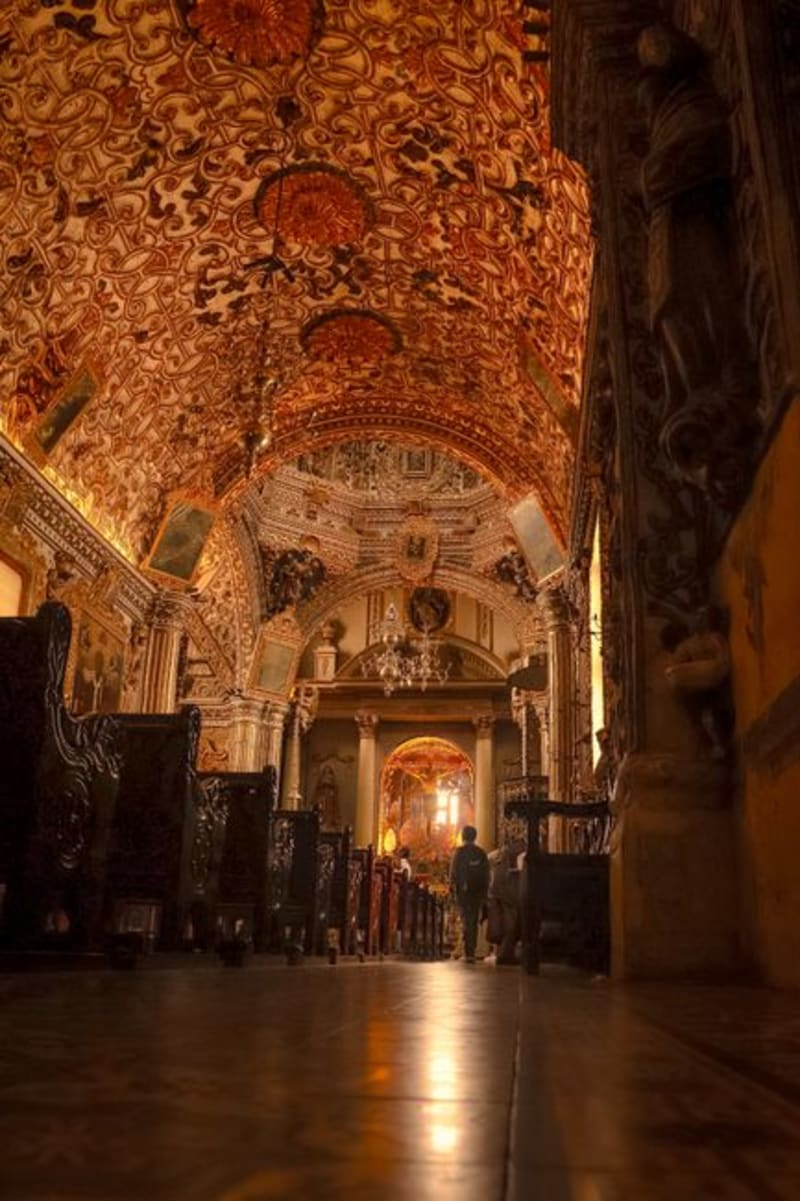 mexico
 Teposcolula
In the Mixteca Alta, three hours from Oaxaca City, Teposcolula holds one of Mexico's most arresting colonial monuments: a 16th-century Dominican open chapel whose vaulted Gothic nave opens, by design, onto bare sky. The Sunday market sells dried chiles, firewood, and traditional Mixtec textiles to a crowd that does not include tourists. Almost nobody arrives on purpose.
Explore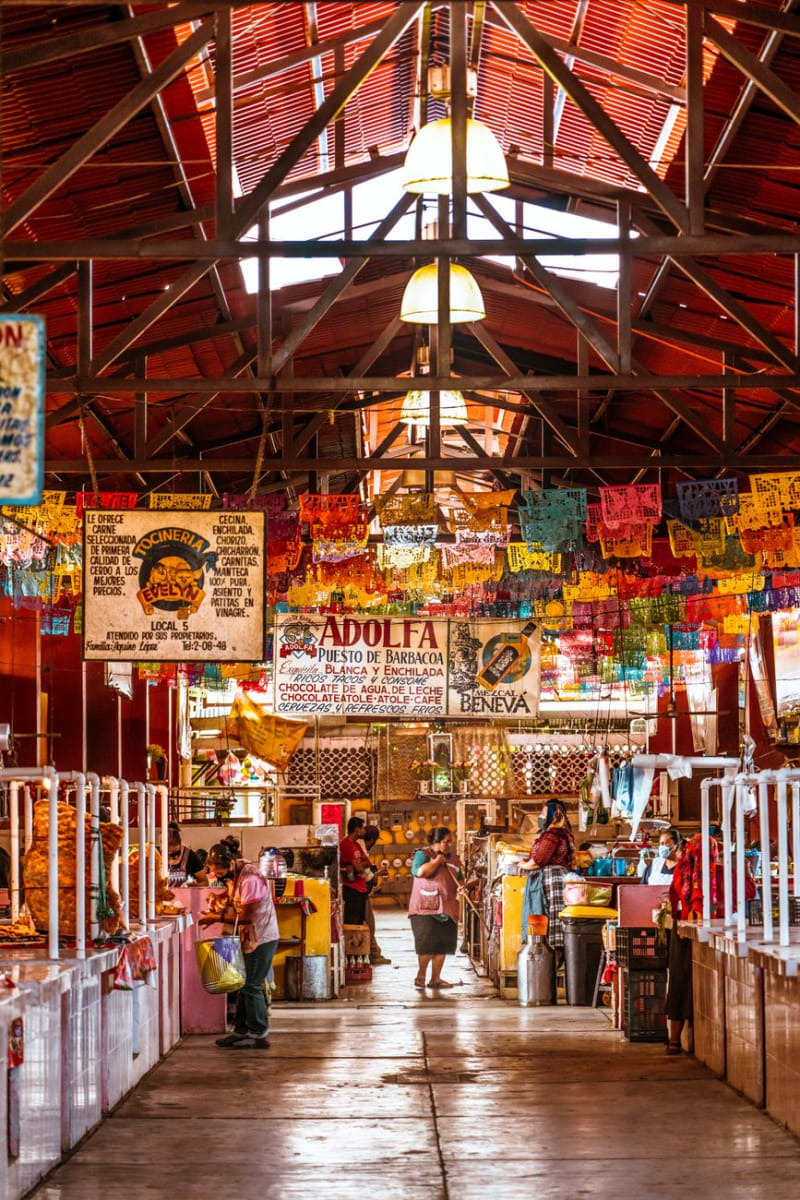 mexico
 Tlacolula de Matamoros
A Zapotec market town 30km east of Oaxaca city where the Sunday market — the largest in the Central Valleys — operates as the real commercial engine of the valley, with mezcal producers, chapulines by the kilo, and more people in a covered building than you thought was physically possible.
Explore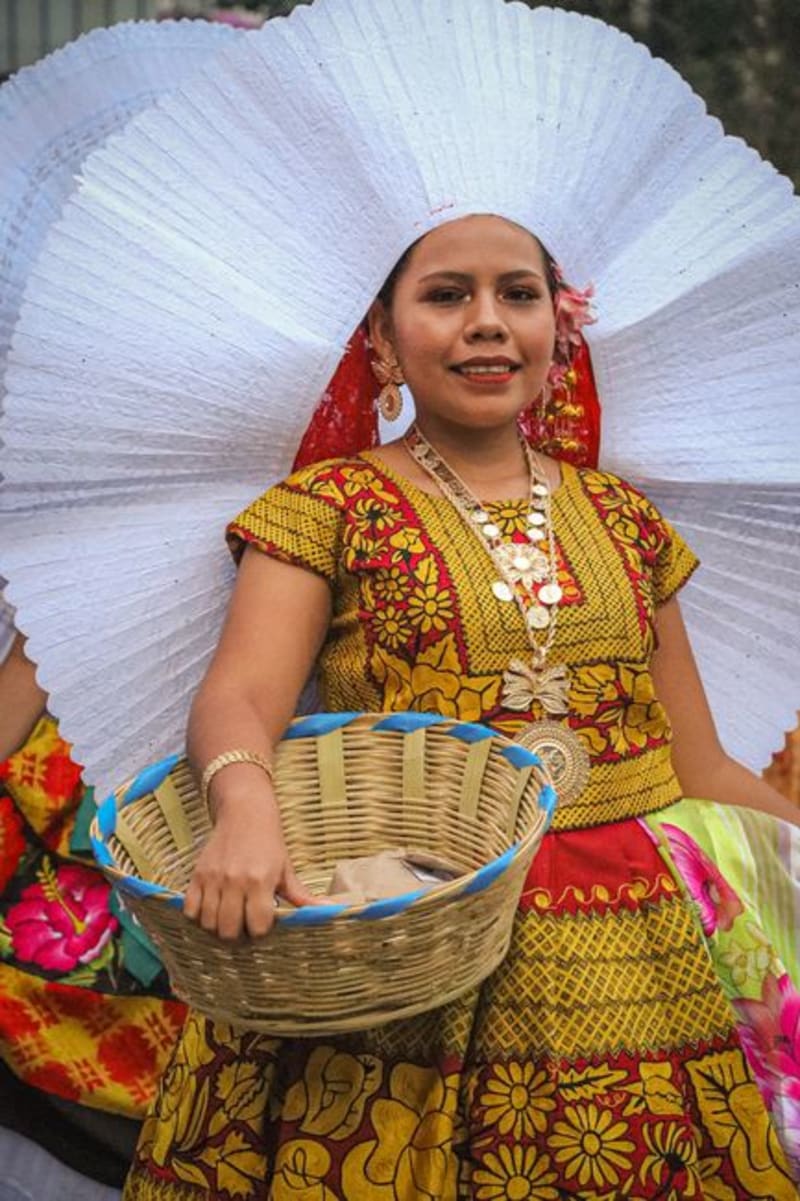 mexico
 Tlaxiaco
In the Mixtec highlands of western Oaxaca at over 2,000 meters, Tlaxiaco earns the three-hour mountain drive almost entirely on the strength of its Saturday market — textiles, cheese, and local mezcal from villages you won't find on most maps. The 16th-century Dominican church anchors a plaza that goes from devotional quiet to commercial roar and back again within a single morning.
Explore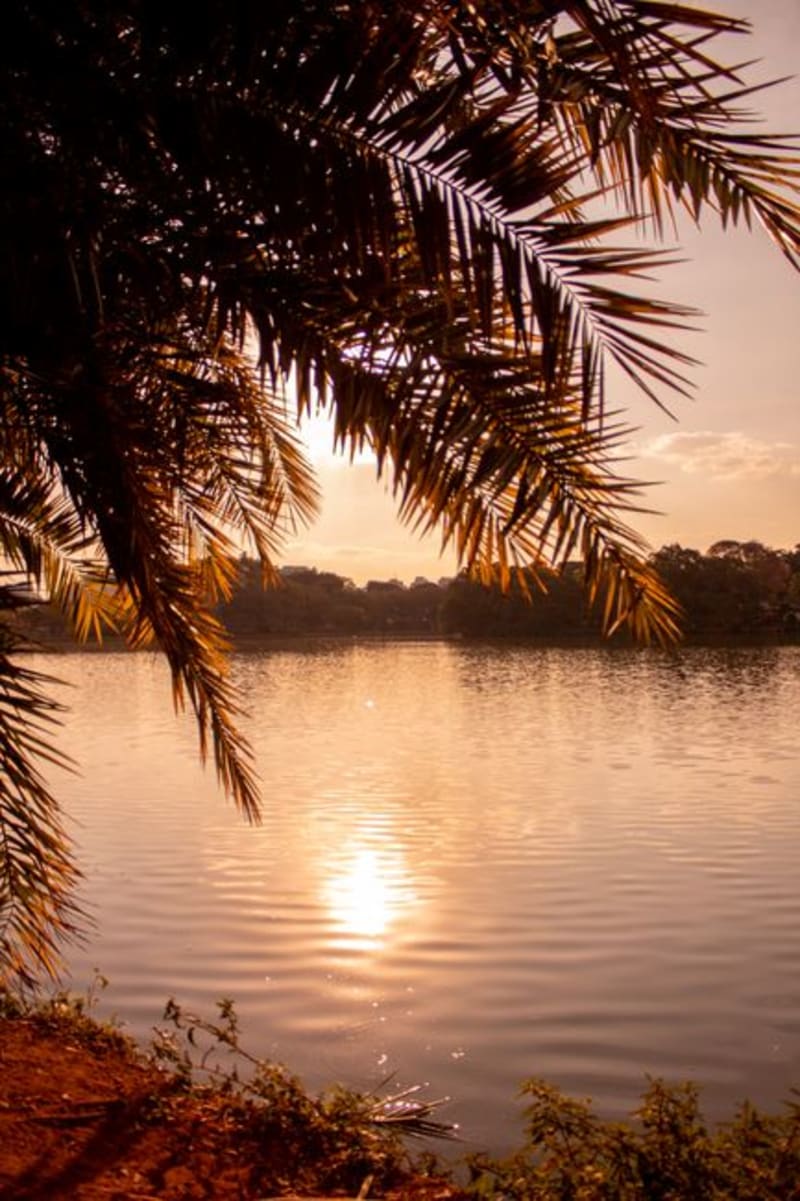 mexico
 Tonameca
A quiet river valley town on the Oaxacan coast where the Tonameca river spills into a palm-fringed lagoon before reaching the Pacific. Turtle nesting beaches, a slow agricultural pace, and almost no one in a rush.
Explore mexico
 San Juan Bautista Tuxtepec
San Juan Bautista Tuxtepec sits where the Sierra Mazatec drops abruptly into the tropical Papaloapan basin — a humid river town with a Mazatec cultural pulse, produce that outclasses anything sold at altitude, and a malecon where the late afternoon eventually teaches you patience.
Explore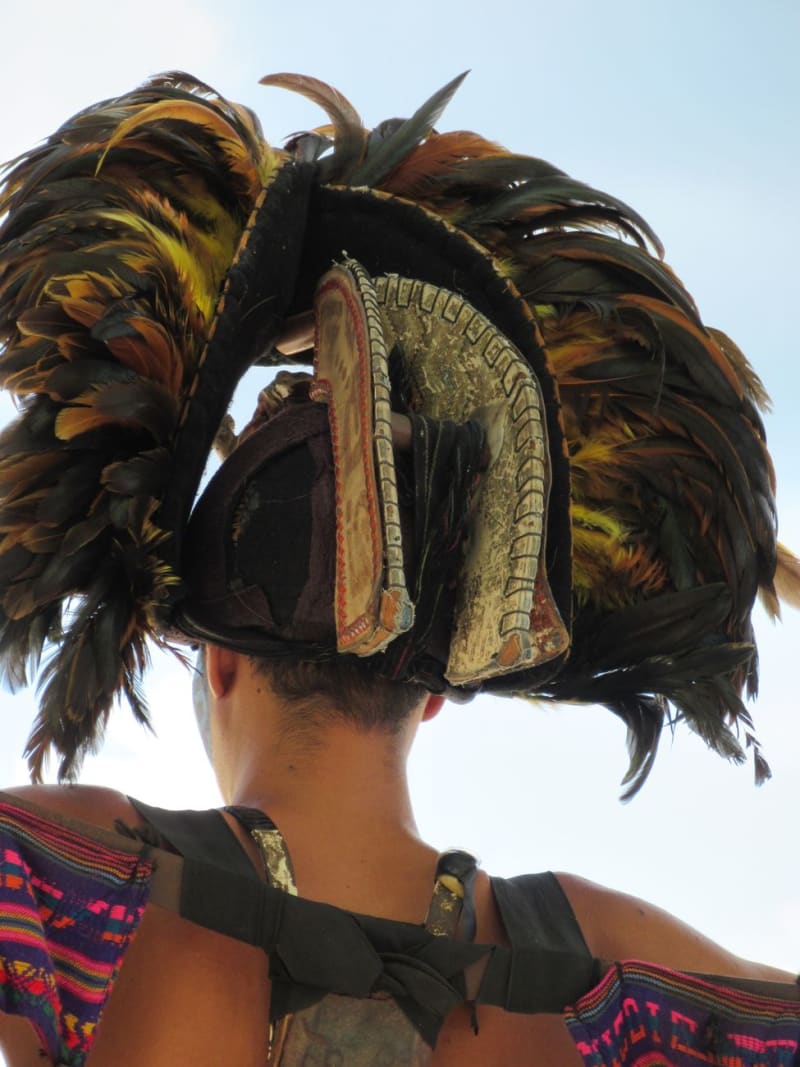 mexico
 Yagul
Yagul is a Zapotec and Mixtec archaeological site in the Tlacolula Valley 36 kilometers east of Oaxaca City, on a cactus-covered hillside with the largest known pre-Columbian ballcourt in Oaxaca and a hilltop fortress with views of the entire valley. It receives perhaps one-tenth the visitors of Monte Albán, and in the late afternoon, when the light goes horizontal and the valley floor turns gold, it is one of the places in Mexico where I have felt most clearly why a specific hill was chosen.
Explore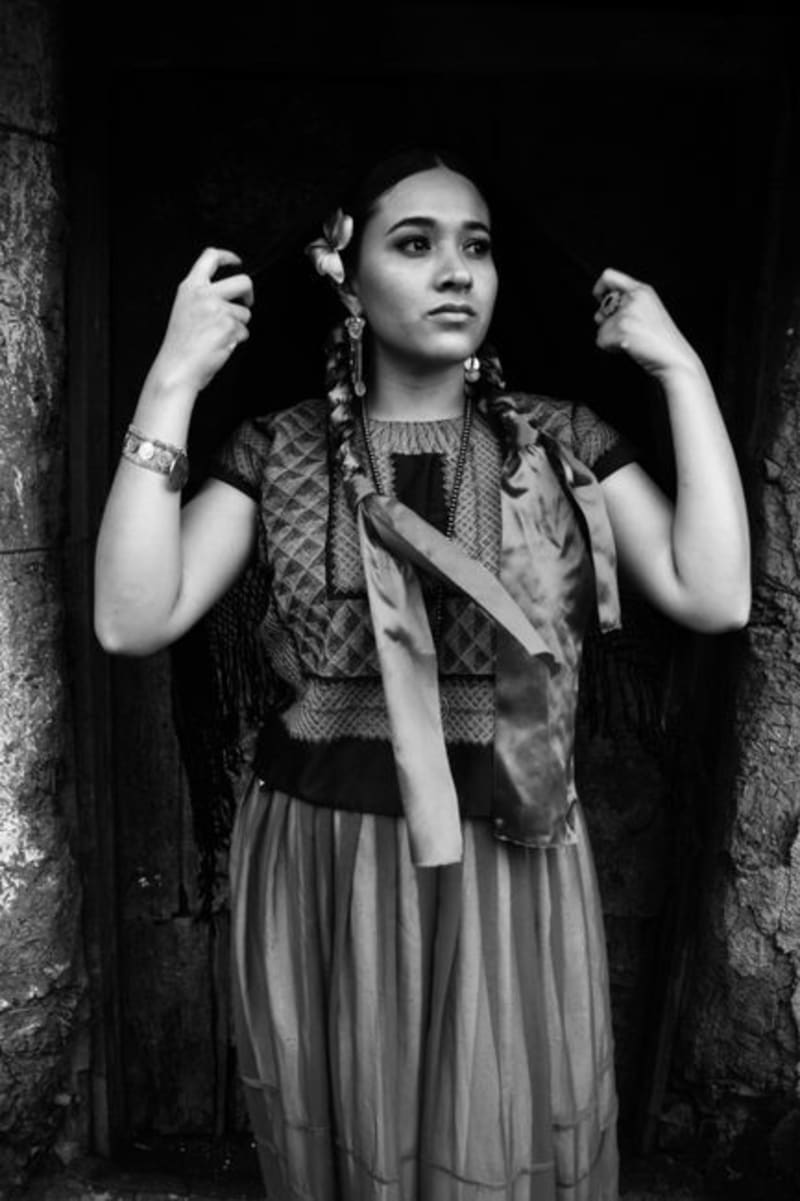 mexico
 Villa Hidalgo Yalalag
A Zapotec village in the Sierra Juárez that has spent centuries developing its own customs, its own carnival, and its own particular relationship with the outside world. The road there is half the experience — two hours of cloud forest before a town that keeps its own counsel.
Explore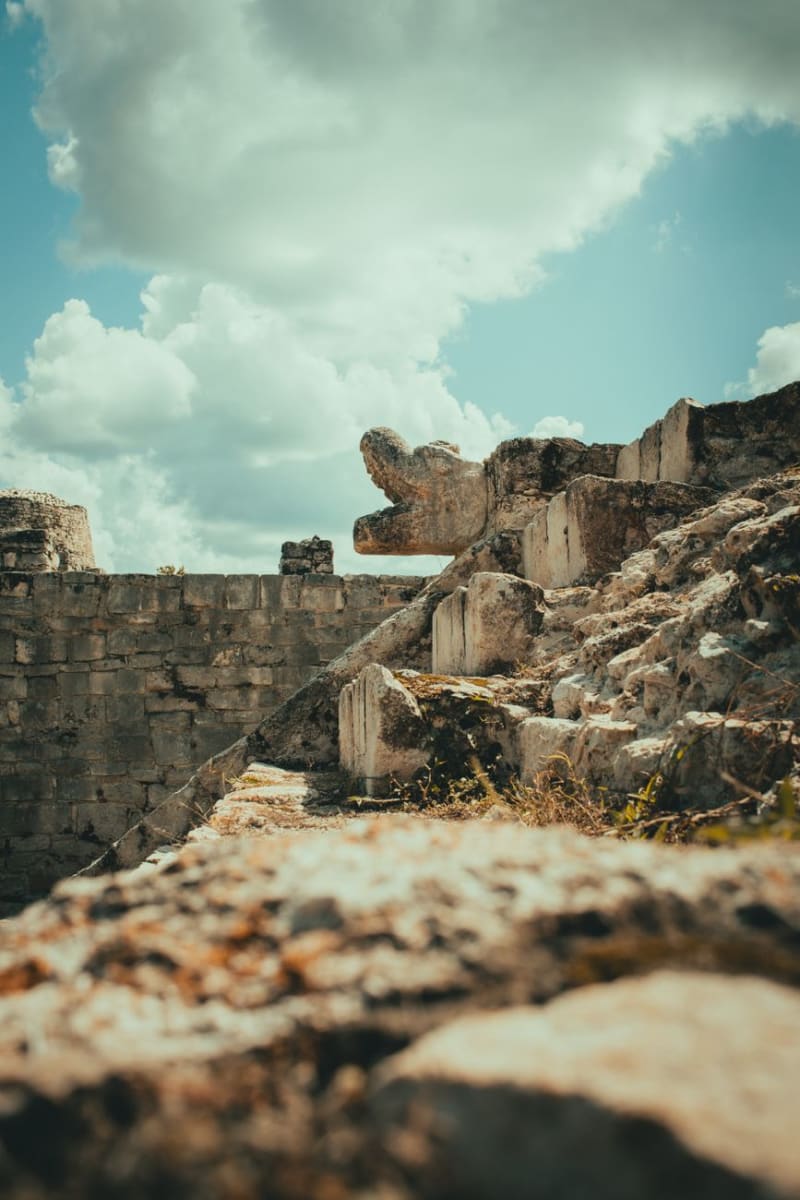 mexico
 Zaachila
Once the last capital of the Zapotec empire, Zaachila is now a Thursday market town thirty minutes from Oaxaca city where two royal tombs carved with owl deities sit quietly beside the church, and the food stalls serve tlayudas the way Oaxacans actually eat them.
Explore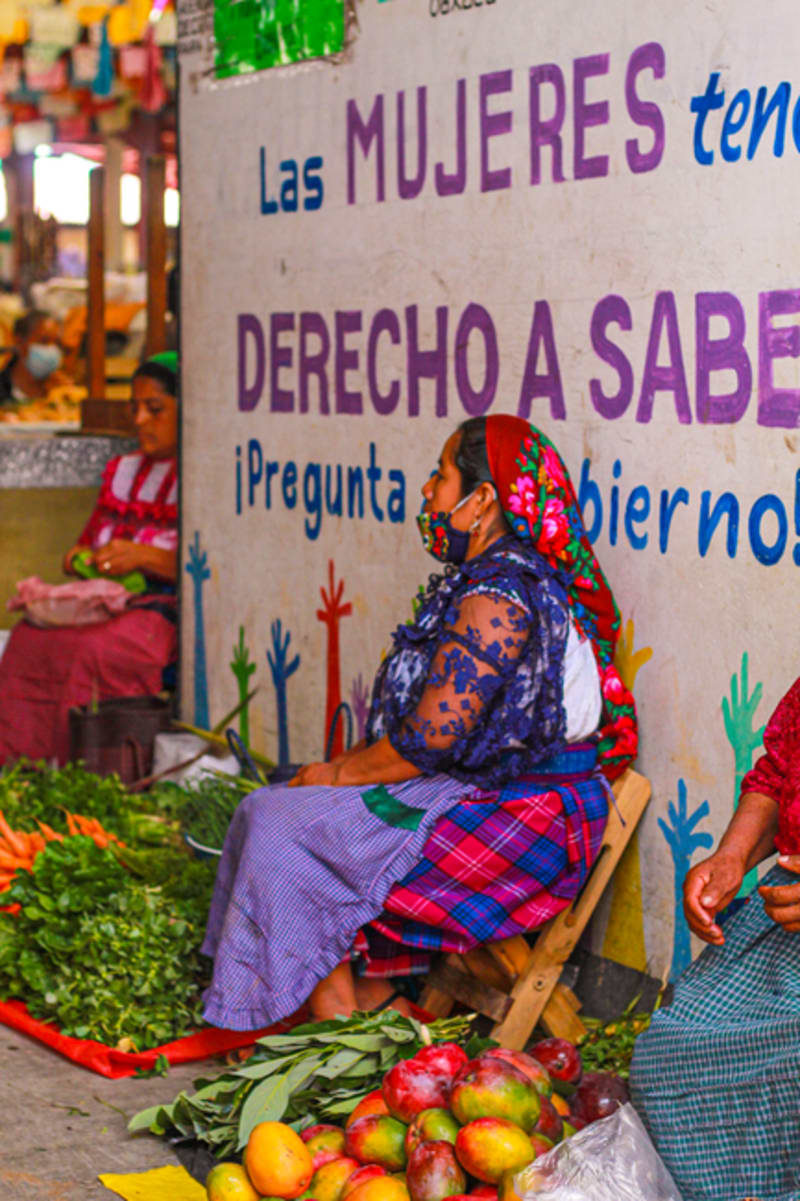 mexico
 Zimatlán de Álvarez
Zimatlán anchors the southern end of the Oaxacan valley with a Wednesday market that draws vendors from the surrounding sierra — handmade baskets, fresh cheese, wild herbs — and almost no one else with a camera. The tlayudas here are eaten standing at the stall, which is exactly the right way.
Explore mexico
 Zipolite
Zipolite has been a countercultural refuge on the Oaxacan coast since the early 1970s — the only legal nudist beach in Mexico, and a place where time reorganizes itself around hammock bars and a fierce Pacific riptide. It is not really about the nudism. It is about the particular freedom the place radiates, and how that freedom turns a two-hour visit into three weeks.
Explore