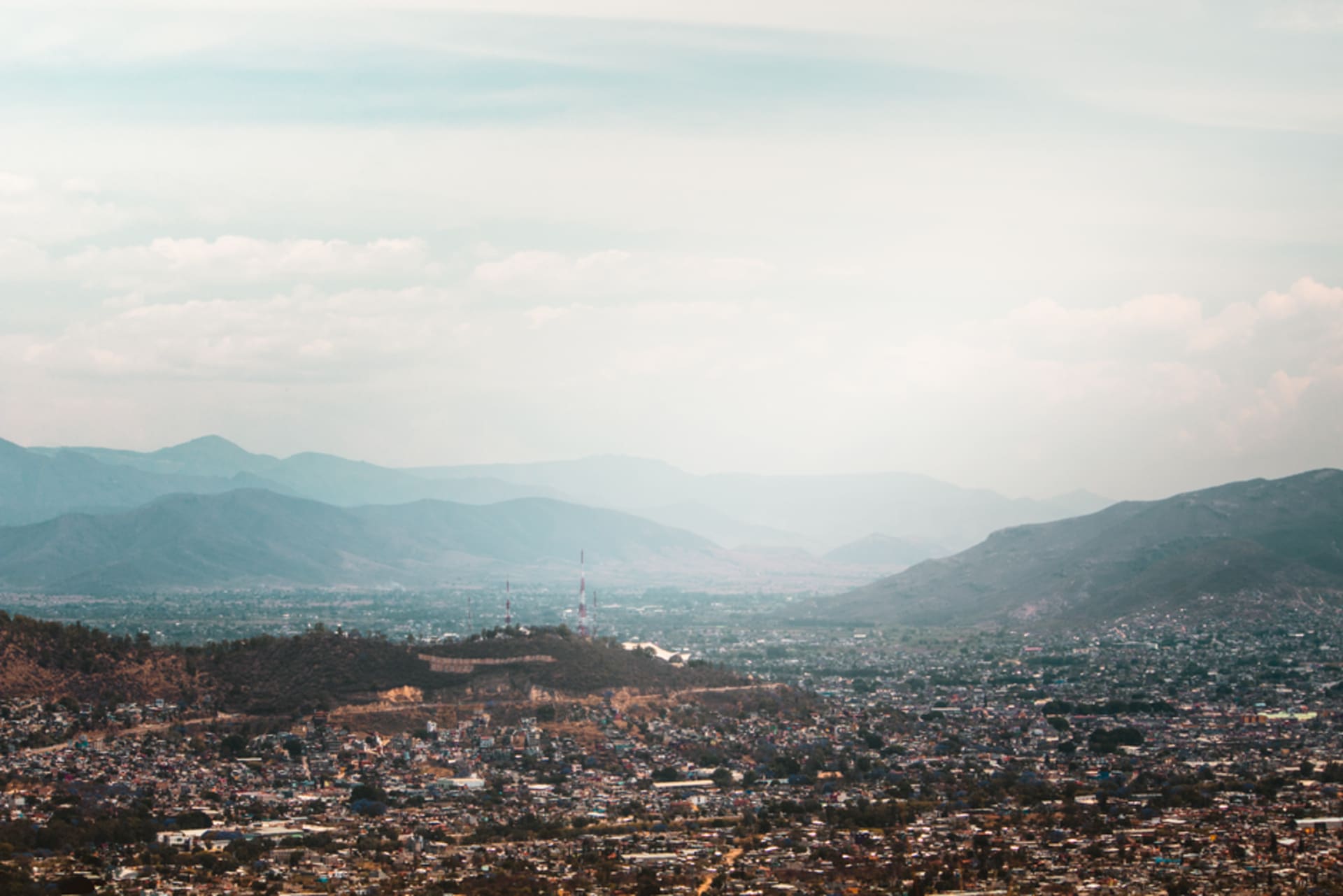
Zimatlán de Álvarez
"The quesillo was still warm when the woman behind the counter pulled it into strings — I ate it on the spot without ceremony, the way it was meant to be eaten."
I came down from Oaxaca City on a Tuesday evening to make sure I’d be in position for the Wednesday market. The colectivo dropped me at the main square just as the last food stalls were closing for the night, and even then I could see vendors arranging their tables for the following morning, stacking plastic crates and stretching tarps in the low lamplight. Zimatlán sits about 35 kilometers south of the city, far enough that the tour vans don’t bother, close enough that half the valley shows up before eight.
El Mercado on Wednesday Morning
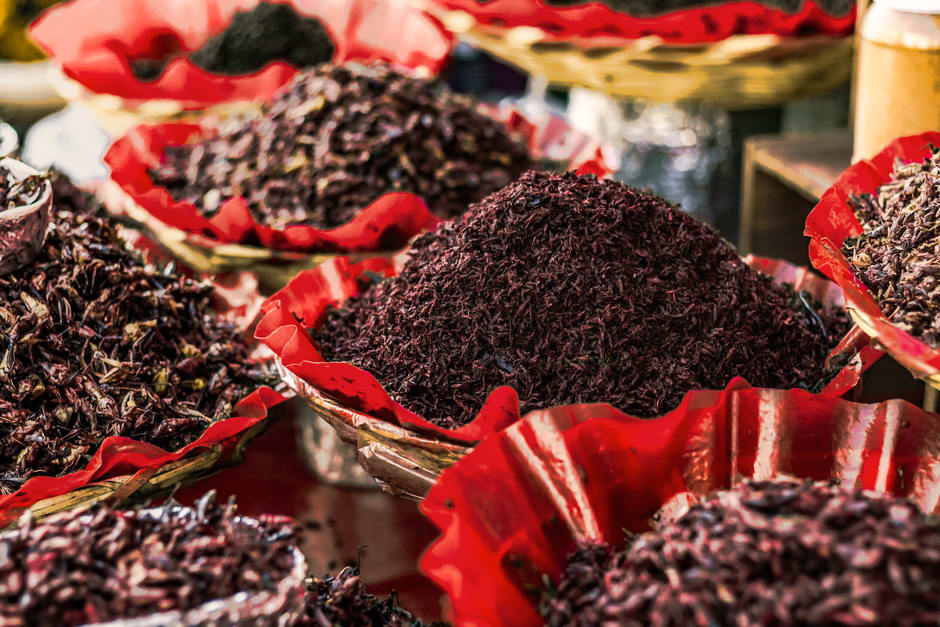
By seven the market is already dense. The stalls along the north side of the palacio municipal belong to women who have walked down from villages I couldn’t find on a map — carrying bundles of quelites, piles of dried chiles I only half-recognize, and baskets so tightly woven they hold water. I watched one woman arrange fresh white cheese in careful rounds while another sold quesillo from a cloth-covered tray, pulling the cheese into long strings to prove it was fresh. It was. The thing nobody tells you about Zimatlán’s market versus Tlacolula or Etla is that the pace is different — slower, less theatrical, as if the vendors are not performing for anyone. Transactions happen in Zapotec. I buy by pointing and holding out pesos and receiving smiles in return.
Tlayudas at the Right Hour
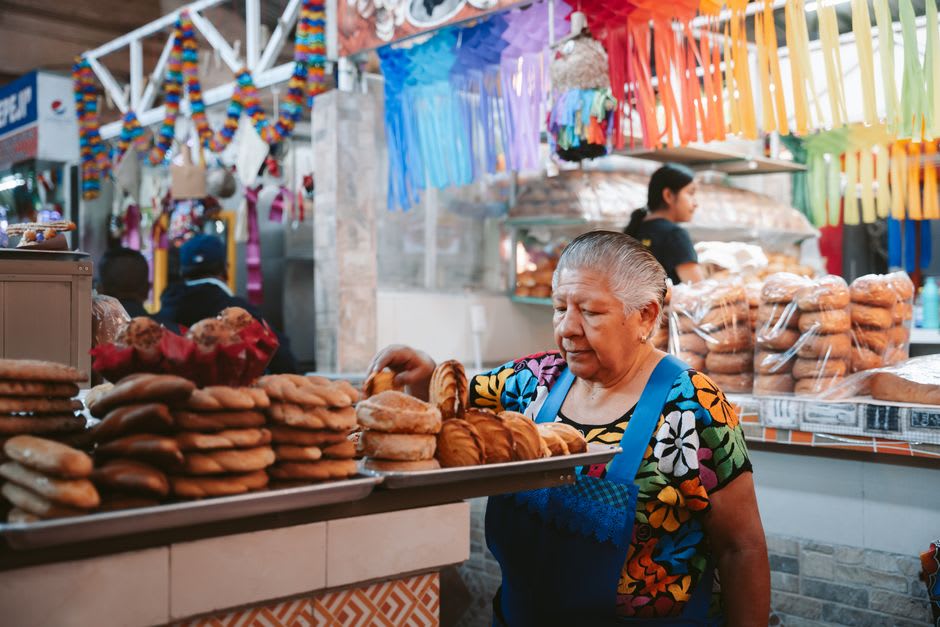
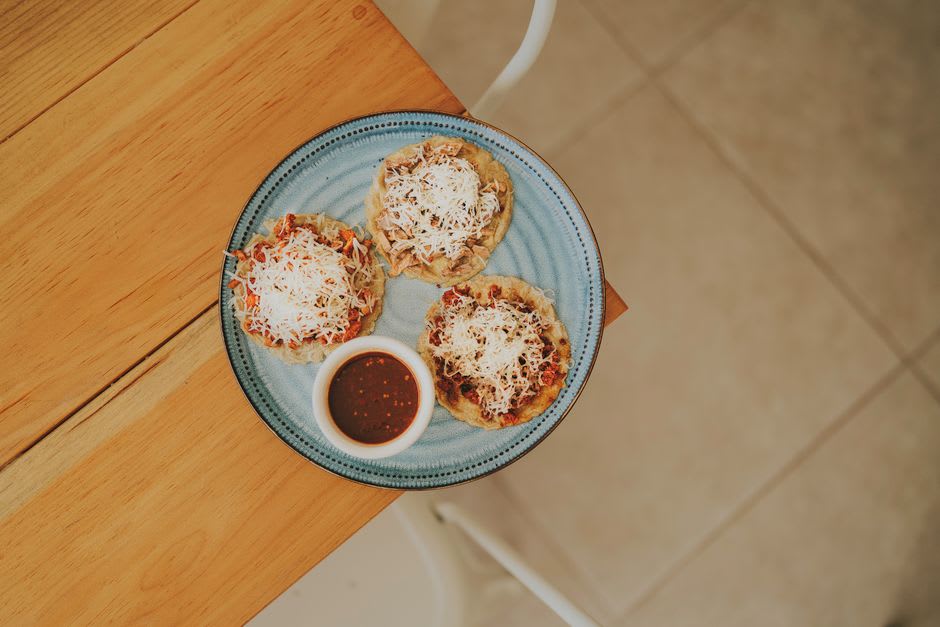
The tlayuda stalls set up along the side street running east from the church, and by nine in the morning they are doing serious business. My table — if you can call it a table, it was a plank balanced on two crates — held a tlayuda the size of a dinner tray, spread with asiento, black beans, and a slab of tasajo that had been on the comal long enough to char at the edges without drying out. I ate standing, leaning over the plank so the fat didn’t drip on my shirt, which it did anyway. There is a version of this meal in every tourist restaurant in Oaxaca City and it is not the same meal. What makes the difference is not the ingredients — it’s the fact that the tortilla is cooked to order on charcoal twenty centimeters from where you’re eating it, and the woman making it has been making it since before you were born.
The Town Beyond the Market
By noon the market thins out and Zimatlán becomes a quiet, unhurried town. The eighteenth-century church on the main plaza is worth twenty minutes — the interior is cool and serious, with a painted ceiling that nobody seems to have written about. The streets around the market are lined with old stone houses, and the surrounding fields are planted in corn and agave. I walked south along the main road for half an hour and passed three mezcal producers operating out of what looked like family compounds. One of them waved me in. The mezcal was rough and correct.
Getting There
Colectivos to Zimatlán leave from the second-class bus terminal in Oaxaca City, departing roughly every twenty minutes throughout the morning. The ride takes 45 to 50 minutes and costs around 35 pesos. There is no reason to rent a car. Come on a Wednesday and leave when the market does, around one in the afternoon, unless the mezcal keeps you longer.