Tonameca
"I stopped here on the way back from a surf trip and ended up staying two nights — the river, the estuary, and the fact that nobody seemed to be in any particular hurry."
I pulled off Highway 200 on a Tuesday afternoon, intending to stretch my legs for twenty minutes. That was the plan. The Tonameca river was running low and green under the bridge, a few egrets picking through the shallows, and somewhere downstream the smell of saltwater was already mixing with the dust from the road. I asked the woman running the comedor at the junction if there was anywhere to sleep nearby. She pointed vaguely toward the palms. I ended up staying two nights, eating at her table both evenings, and leaving with sand in my shoes and no particular regret about the detour.
The River and the Lagoon
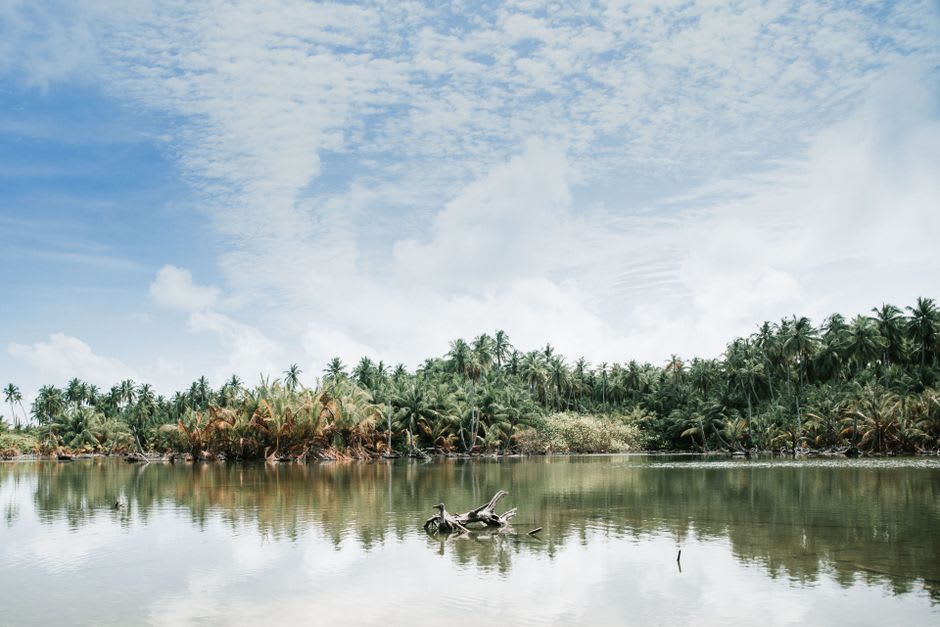
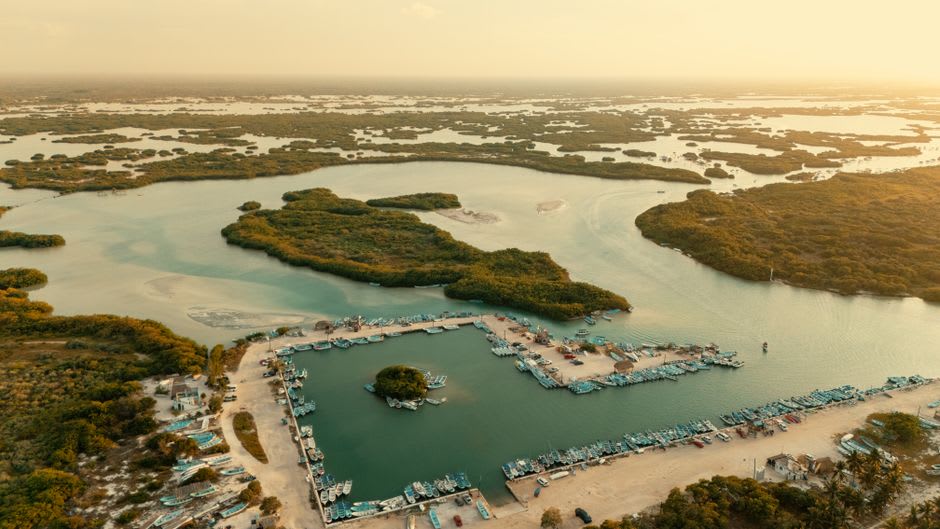
The thing that keeps you in Tonameca — and you will stay longer than you planned — is the estuary where the river finally meets the sea. It is not dramatic. There is no viewpoint with a railing, no tuk-tuk tour, no sign telling you what you are looking at. You walk down a sandy track through coconut plantations, past a few fishing pangas pulled up on the bank, and the lagoon just opens up in front of you. Frigatebirds hang overhead. The water is brackish and warm. In the late afternoon, fishermen move through it in flat-bottomed boats, checking nets with the unhurried efficiency of people who have been doing this their whole lives. I sat on an overturned hull for an hour watching the light go orange on the palms across the water. Nobody bothered me. That felt like a genuine luxury.
Turtle Beaches and the Coast
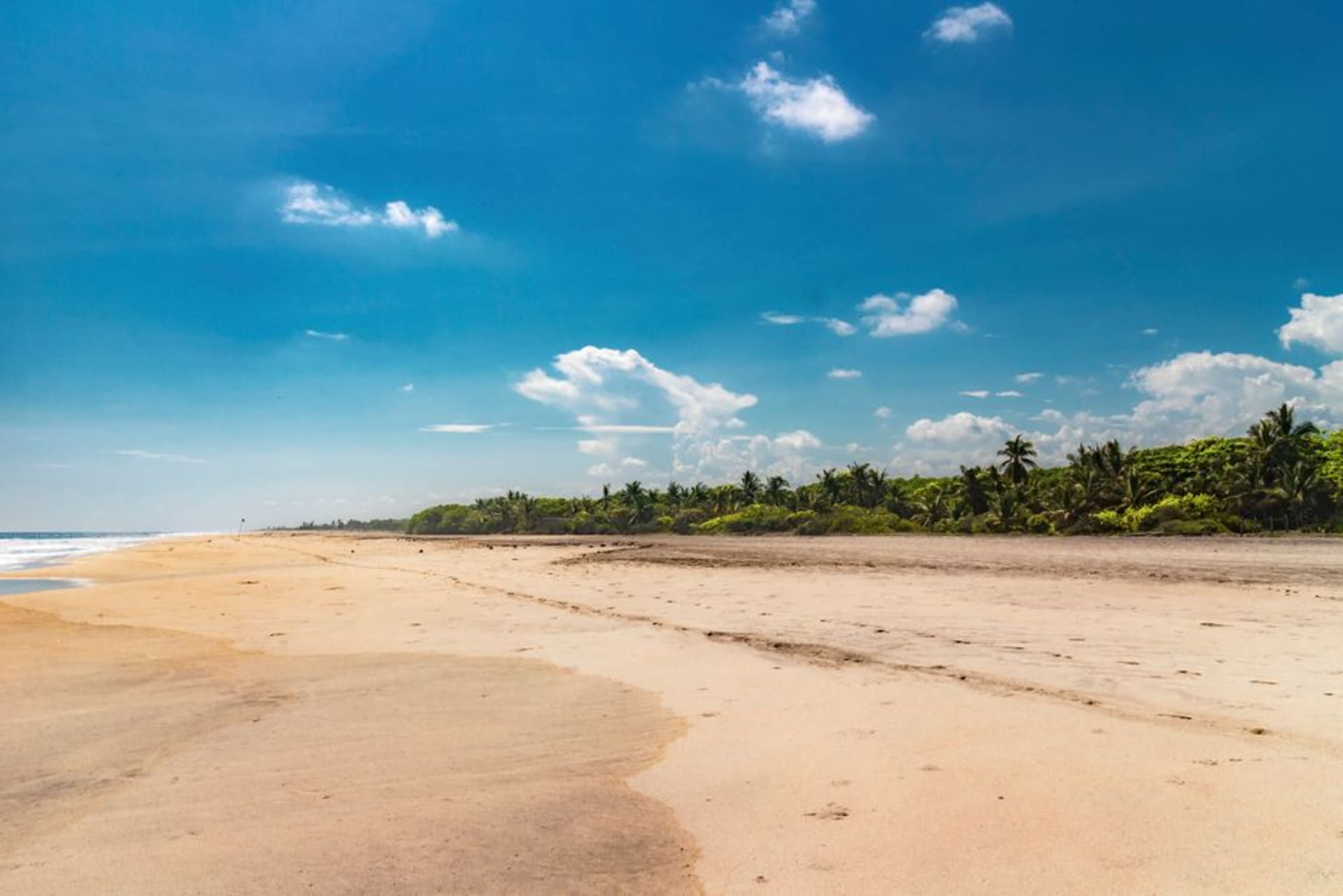
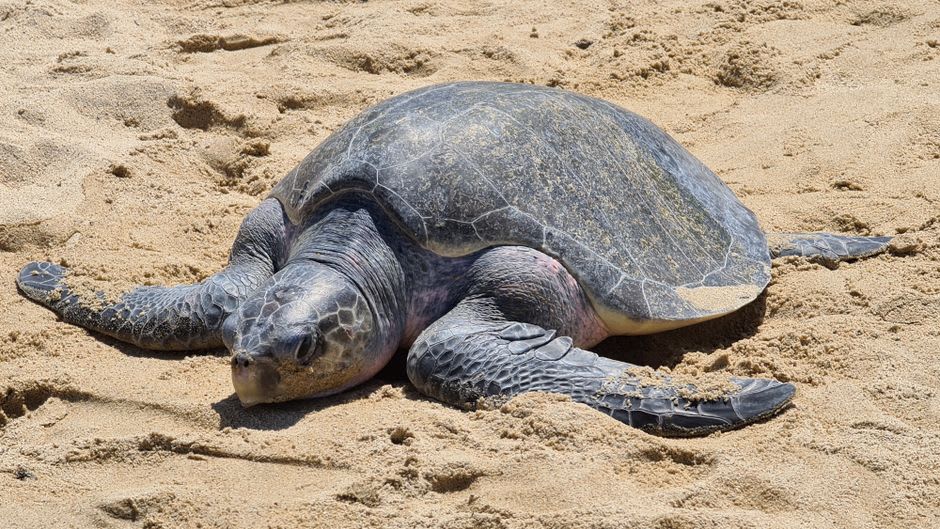
The beaches flanking the river mouth are part of the broader turtle nesting corridor that runs along this stretch of Oaxacan coastline — the same one that includes Mazunte and La Escobilla to the west. During nesting season, from roughly July through December, olive ridley turtles come ashore at night in numbers that are still quietly astonishing even if you have seen it before. There is a small conservation camp near Playa Tonameca that manages the nests, run with minimal fanfare and no entry fee when I visited. Outside of nesting season the beach is simply a beach — wide, wave-battered, mostly empty, good for walking if not particularly for swimming given the shore break. The sand is dark grey volcanic grit, the kind that sticks to everything and holds heat well into the evening.
The Village and Eating
Tonameca the village sits back from the coast along the highway, a working agricultural town with a covered market, a church on a dusty plaza, and a handful of comedores serving the standard Oaxacan coastal rotation: fish soup, grilled mojarra, enfrijoladas. My best meal was a bowl of caldo de camarón at a spot with plastic chairs near the market, thick with dried chiles and served with a stack of tortillas still warm from the comal. The woman running it told me the shrimp came from the estuary that morning. I believed her.
Getting There
Tonameca sits on Highway 200 roughly 70 kilometers east of Puerto Escondido and about 50 kilometers west of Huatulco. Any colectivo or bus running the coastal route will drop you at the junction — ask for the puente or simply Tonameca. From Puerto Escondido the ride takes around 90 minutes depending on stops. There is no bus station; flag vehicles down at the roadside when leaving.