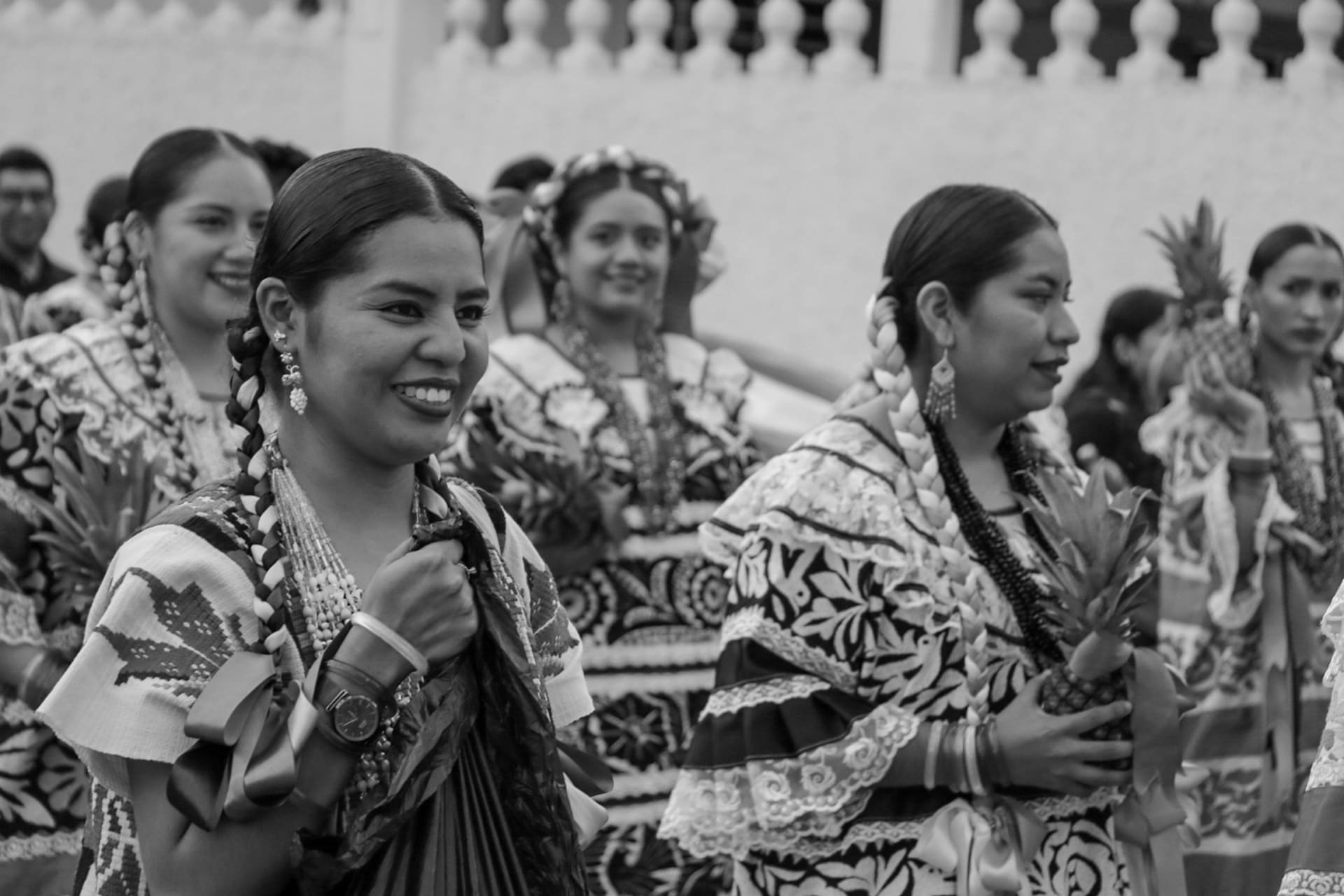
Juchitán de Zaragoza
"The Isthmus Zapotec society is matriarchal. Women control the market, the household finances, and the ceremonial calendar. The men play the band. This has been true since before the Spanish arrived."
Juchitán de Zaragoza is the commercial center of the Istmo de Tehuantepec — the narrow 200-kilometer waist of Mexico between the Gulf of Campeche and the Pacific, where the Sierra Madre mountains temporarily disappear and the two coasts are closer together than anywhere else in the country. The city of 100,000 is predominantly Zapotec (Binnizá), and the Zapotec society of the Isthmus operates according to a social structure that anthropologists have documented since the 19th century and that does not conform to the gender and economic roles of either Mexican national culture or Western expectation.
The Isthmus Zapotec market is controlled by women — the tehuanas, recognizable in their traditional embroidered huipil dresses and elaborate floral headdresses (the gold coins and flowers are worn for special occasions; on market days the dress is still regional but less formal). Women are the primary economic actors, the principal traders, the financial managers of the household. Men hold political offices and play in the bands that accompany every ceremony, but the economic life of Juchitán runs through the women of the market.
The Market
The Mercado 5 de Septiembre is the economic heart of Juchitán and one of the most visually intense markets in Mexico — not for its stalls (typical market produce, meat, seafood from the Laguna Superior and Laguna Inferior on either side of the isthmus) but for the social density and the presence of the Isthmus Zapotec women conducting business in the traditional dress that is still worn for market days by older women and on formal occasions by younger ones.
Tuesday and Sunday are the primary market days when the surrounding Isthmus communities come to trade. The sea products from the lagoons — dried shrimp, fresh fish, iguanas (the Isthmus iguana is a significant food animal here, served in mole negro and as a taco filling, a practice that existed before the Spanish arrived) — are sold by the women who control the lagoon fishing cooperatives.
Tasajo: the thinly sliced dried beef of the Isthmus, salted and sun-dried in a preparation different from the cecina of other regions. Tasajo is the canonical Isthmus protein, grilled over charcoal and served with the black bean paste and fresh tortillas that the tlayuda (Oaxacan tostada) tradition uses as its base. The tasajo at the market comedores at 7am is the correct breakfast.
The Muxe
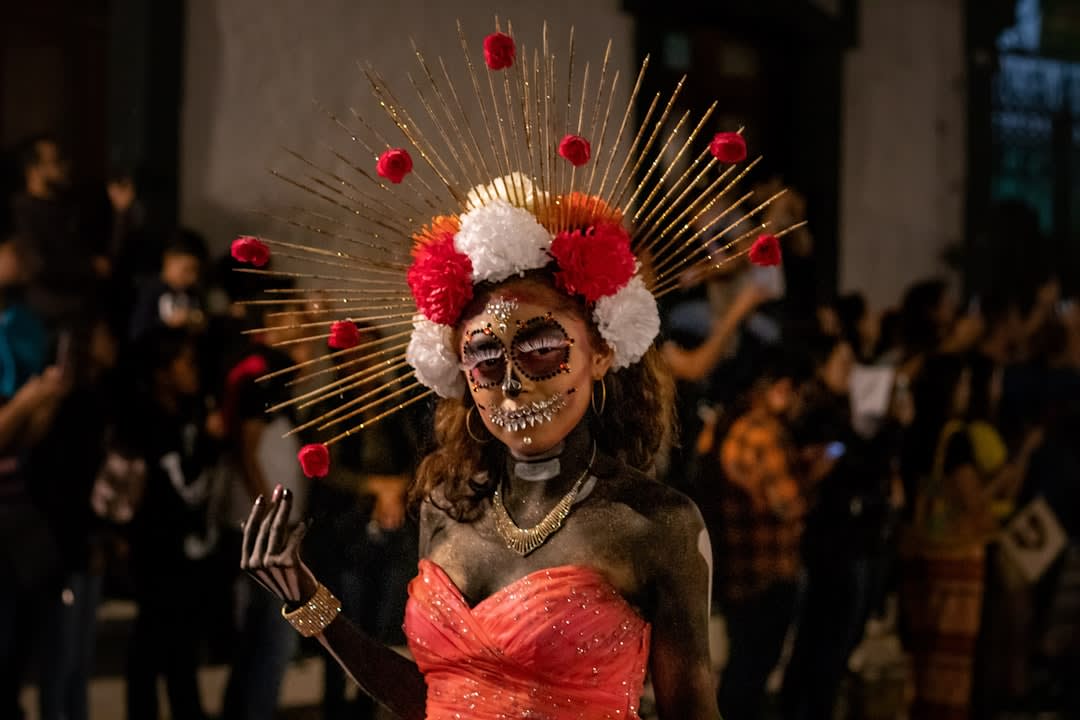
The muxe — Juchitán’s recognized third-gender people, individuals assigned male at birth who live as women or as a distinct non-binary gender — are a feature of Isthmus Zapotec society that pre-dates Spanish contact and that the Isthmus communities have maintained through the colonial period and into the present. The muxe are not merely tolerated; they occupy specific social roles (caring for elderly parents, organizing certain ceremonial functions) and are celebrated in the Vela de las Auténticas Intrépidas Buscadoras del Peligro — the November vela (fiesta) specifically dedicated to muxe celebration, with beauty contests, dancing, and the elaborate Isthmus dress worn by muxe performers.
The existence of muxe society in Juchitán is not an attraction in the sense that it should be treated as a spectacle — it is a social fact of the Isthmus community that visitors encounter in the normal course of market and street life. The muxe are vendors, artisans, restaurant owners, and participants in the community in the same way as other residents.
The Velas
Juchitán holds approximately 40 velas per year — neighborhood and patron saint celebrations that last from Thursday evening to Sunday morning and include all-night dancing, the regional brass band music, the traditional Isthmus dress in full formal version, and the social gatherings that constitute the primary celebration calendar of the city. The velas are open to outsiders who attend with appropriate respect.
The most significant: Vela San Vicente Ferrer (April), Vela San Isidro (May), and Vela de las Muxes (November). During any vela, the city becomes the vela — the streets close, the band plays, the dancing continues until dawn.
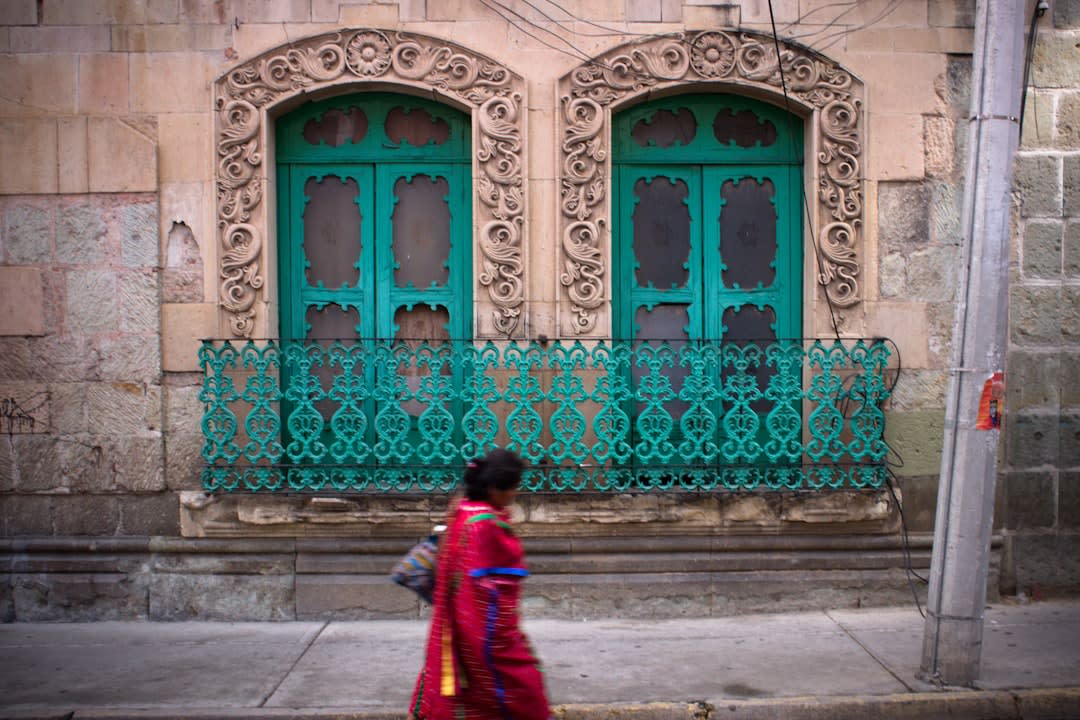
Getting there: ADO buses from Oaxaca city (4h) or Mexico City (12h overnight). The Isthmus highway from Oaxaca crosses the Sierra Juárez and descends to the flat isthmian plain; the landscape change is dramatic. Juchitán is 25km from Tehuantepec (the older colonial city of the Isthmus, worth a half-day visit).
When to go: Year-round for the market. April, May, and November for the major velas. The Isthmus climate is hot and humid year-round (32-38°C); it is the windiest place in Mexico — the Tehuantepec wind (the Tehuantepecer) that meteorologists track for ship safety is named for this geography, where cold Gulf air accelerates through the isthmus mountains.