San José del Pacífico
"The road from Oaxaca city drops 2,500 meters to the coast in 240 kilometers. San José del Pacífico is the midpoint. Everything looks different above it and below it."
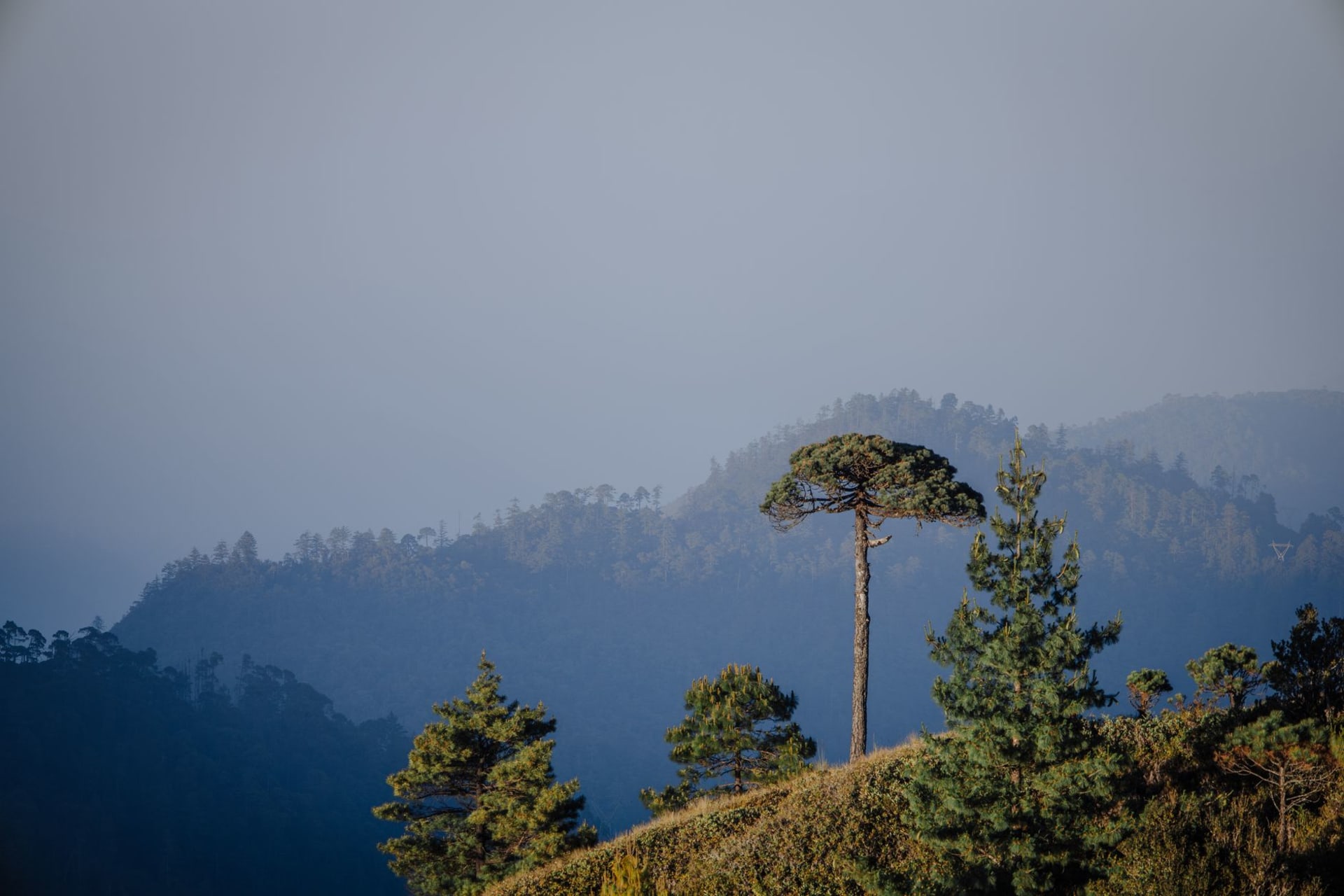
San José del Pacífico sits at 2,600 meters on the mountain road (Highway 175) that connects Oaxaca city to the Pacific coast, in a pine-oak cloud forest that is ecologically and visually different from both the valley below and the coast ahead. The village has a single street, a few hundred inhabitants, a view of the mountains on all sides, and a reputation that extends significantly beyond its size.
The reputation: the psilocybin mushrooms that grow in the pine forest surrounding the village are sold openly at the roadside stalls and in the small comedores along the highway. This is not technically legal in Mexico (possession is a grey area; sale is more clearly problematic), but the practice in San José del Pacífico has continued for decades under the same tolerant equilibrium that applies to the similar traditional mushroom use in the Mazatec communities of the Oaxacan sierra. The Zapotec communities of the sierra around San José have their own relationship with the mushrooms.
I am not recommending this as a primary travel objective. I am noting it as context for what the village is and how it functions.
The Drive and the Landscape
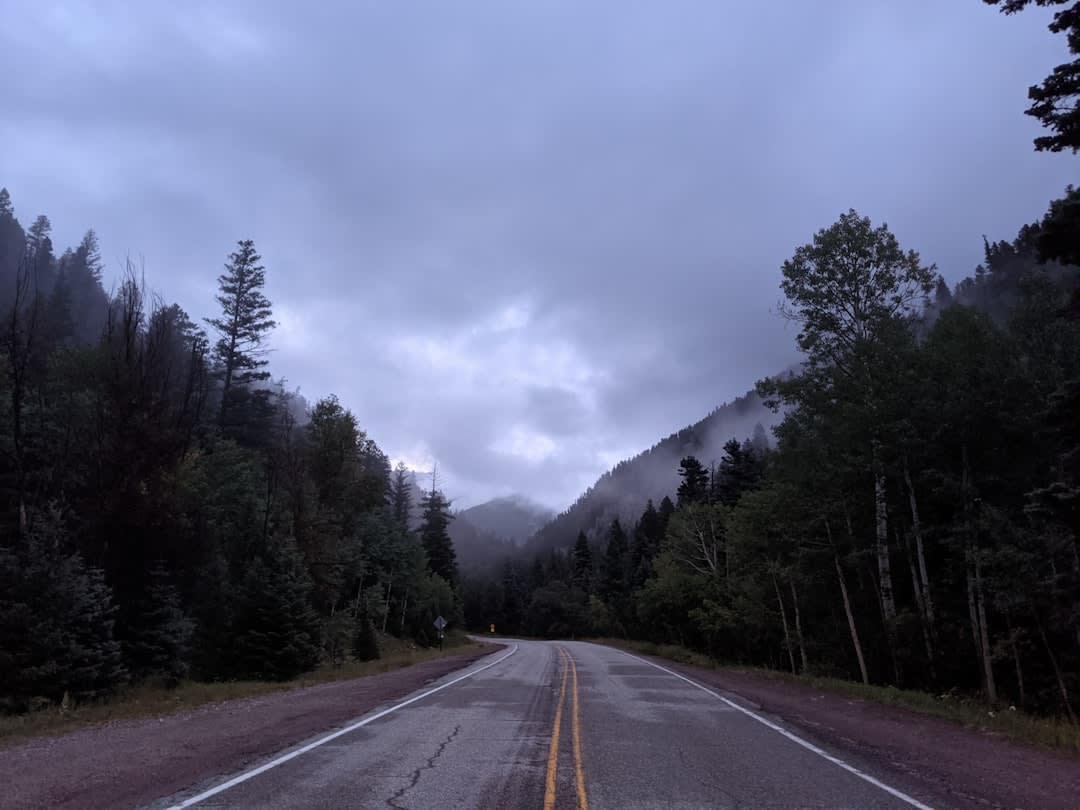
The Carretera 175 from Oaxaca city to Puerto Ángel (on the coast) is one of the most dramatic road journeys in Mexico — 240 kilometers that descend 2,500 meters through a sequence of completely distinct ecosystems. The sequence:
Oaxaca valley (1,550m): dry highland, agave and copal, the valley that produced Monte Albán.
Sierra Juárez foothills: pine-oak forest beginning, the road climbing through switchbacks, the valley behind.
Cloud forest zone (2,000-2,800m): the belt where San José del Pacífico sits. Dense pine and fir with a permanent understorey of cloud, the road often disappearing into mist, the temperature 10-15 degrees cooler than the valley.
Transition zone (1,500-800m): the pine giving way to broadleaf subtropical forest, the air becoming warm and humid.
Tropical lowlands (under 500m): the full tropical forest of the Oaxacan coast, mangoes and corozo palms, the coast visible from the final ridges before Puerto Ángel.
The drive takes 4-5 hours and requires confidence on serpentine mountain roads. The reward is one of the most complete ecological transects available in a single day’s drive in Mexico.
The Village
San José del Pacífico itself has a handful of restaurants serving Oaxacan food with the highland ingredients — the black beans cooked with hierba santa, the corn tortillas made from the highland varieties, the mezcal from the valley below carried up by trucks — and several cabañas on the ridge that allow staying overnight to experience the cloud forest at dawn, when the mist is lowest and the village is entirely enclosed in white.
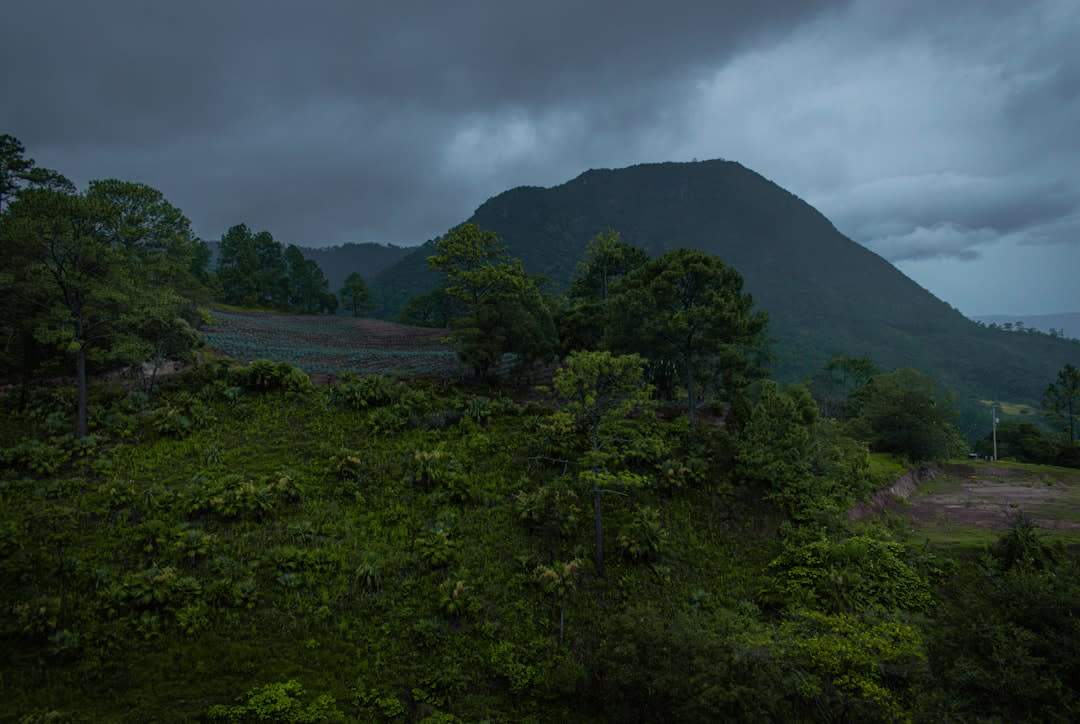
The mushroom vendors on the highway sell what they sell; the interaction with this is each visitor’s own business. What is worth noting is that the surrounding forest, independent of its pharmaceutical properties, is a genuine cloud forest of remarkable biodiversity — epiphytic orchids on the oak branches, bromeliads in the mist, the specific bird community of the Oaxacan high sierra that includes species found nowhere else.
The stargazing at 2,600 meters, on a clear night after the cloud has retreated above the ridge: this is the Milky Way in the form it takes only above 2,000 meters in a place with no light pollution. The Oaxacan valley’s town lights are visible far below; the sky above is the sky before electricity.
Practical Notes
San José del Pacífico is a highway stop rather than a destination requiring extended planning. It works best as:
A lunch stop on the drive between Oaxaca and the coast (the comedores serve solid regional food and the stop allows the body to adjust to the altitude change).
An overnight for those who want the cloud forest experience without driving the full Oaxaca-coast route in a single day.
A deliberate destination for those interested in the ecological transition zone or the highland Sierra Juárez communities.
Getting there: Buses from Oaxaca city to Puerto Escondido or Puerto Ángel pass through San José del Pacífico (2.5-3h from Oaxaca). Ask the driver to stop at the village. Rental car allows the complete highland-to-coast transect on your own timeline.
When to go: November through May for the clearest visibility and driest forest. June through October brings the cloud and mist most consistently — some find this atmospheric, others find the persistent grey oppressive. Avoid driving the mountain road at night in any season.