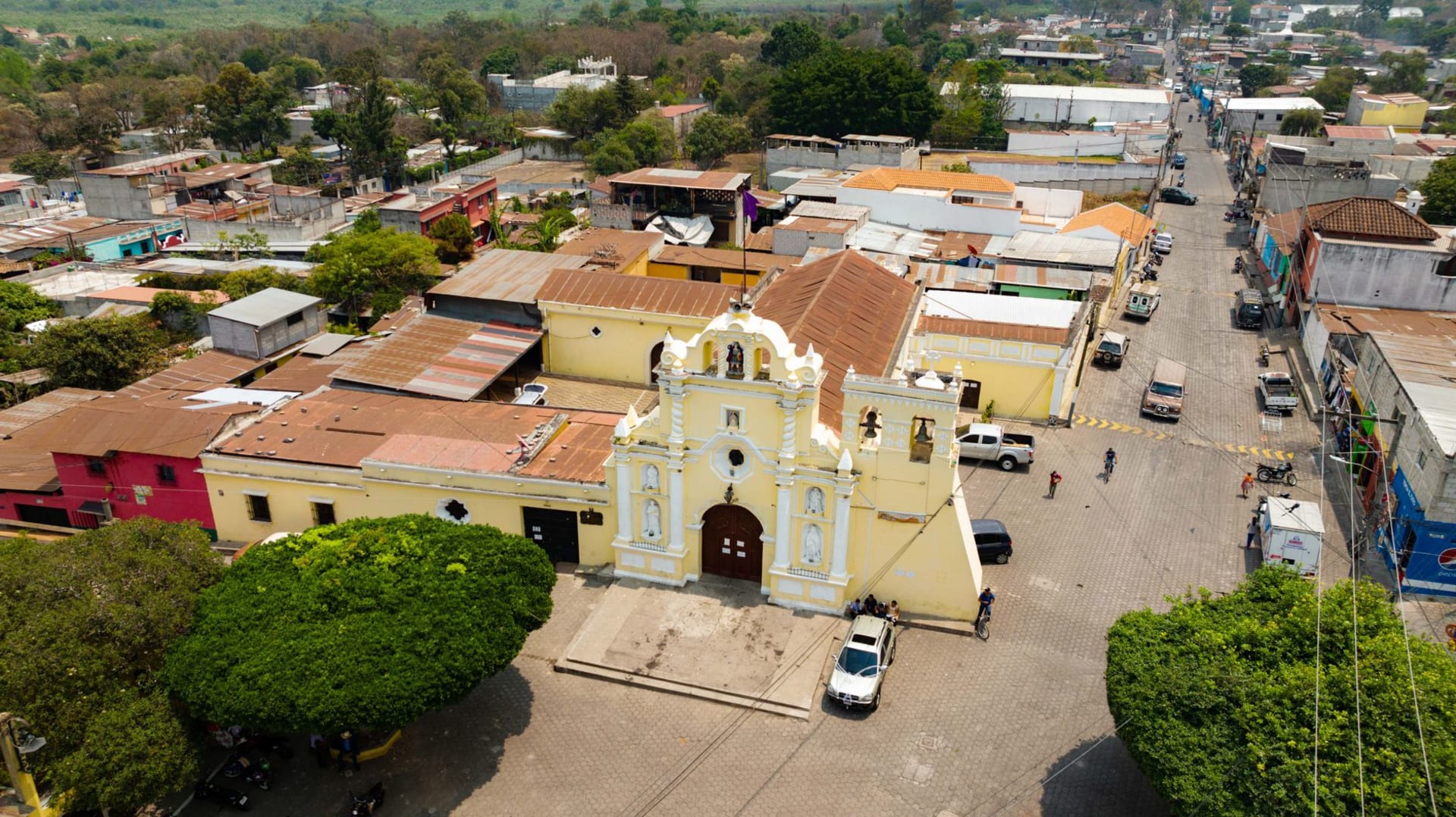
Santa María Atzompa
"The bowl cost half what I'd been quoted in the city, and I could see the kiln it came out of."
I bought the bowl backwards. I was in a craft shop in Oaxaca City looking at pottery and something on the third shelf stopped me — a large serving bowl in a green glaze that was not quite like other green glazes I’d seen. Mexican ceramics cover a wide range of green, from the thin celadon of Talavera-influenced pottery to the bright modern glazes you find in the markets. This was different: deeper, slightly matte in the center and more glossy at the edges where the glaze had pooled during firing, the color somewhere between emerald and jade, complex in a way that I found immediately compelling.
I asked the shop owner where it was from. She said Atzompa. She named a price that was higher than I wanted to pay. I said thank you and went to find the village the next morning.
The Green Glaze Tradition
Santa María Atzompa is a Zapotec community that has been producing pottery for centuries, with the distinctive green-glazed work becoming its primary identity in the modern period. The glaze is lead-based — a formulation that produces the specific emerald depth that distinguishes Atzompa pottery from every other green-glazed ceramic I’ve seen — and this is worth knowing before you decide whether to use the pieces for food. Lead-glazed pottery is not recommended for acidic foods or hot liquids, where the lead can leach. The bowls and plates I’ve bought I use for display and for dry foods.
The female potters cooperative in the village maintains the tradition and also produces black clay work — the barro negro that most people associate with San Bartolo Coyotepec, about 12 kilometers in the other direction. The Atzompa black clay has its own characteristics; less polished than Coyotepec black clay, slightly rougher, but with a warmth to the surface that I prefer.
The cooperative has a workshop and sales room near the village center where you can see pieces at various stages of production and buy directly from the potters. The prices are honest — significantly below what you’ll pay in the Oaxaca City craft shops, which are taking a margin for curation and location. This is not unusual in Oaxaca’s craft villages, but it’s worth knowing about Atzompa specifically because the work is genuinely exceptional and is sometimes sold in Mexico City and internationally at prices that suggest rarity, when the village is twenty minutes from the city center.

The Archaeological Site Above the Village
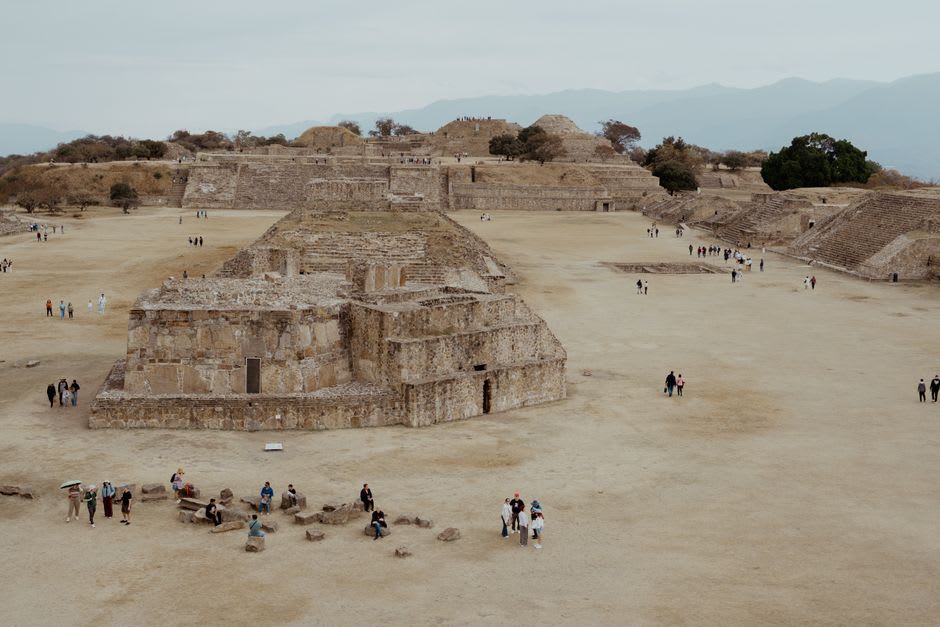
Above the village on the hill is an aspect of Atzompa that fewer visitors seek out: a Zapotec ceremonial center that predates the pottery tradition by well over a millennium. The site is integrated into the UNESCO World Heritage designation for the prehistoric rock art and archaeological landscape of the Oaxaca valleys, the same designation that covers Monte Albán, Yagul, and Mitla.
The Atzompa site has a partially excavated ballcourt — smaller than Yagul’s but clearly of the same architectural family — and several pyramidal platforms that have been cleared but not fully restored. It sits at the top of the hill above the village with views over the northwestern end of the central valleys, a different perspective from Monte Albán (which sits on a natural plateau to the south) but the same quality of chosen height that characterizes Zapotec site selection throughout the region.
I climbed up after visiting the cooperative, partly out of curiosity and partly because I had time before the drive back. The hill is steep but short — maybe twenty minutes from the village. At the top, the platforms are visible and the ballcourt is unmistakable even in partial excavation, but the main experience is the view and the silence. I was the only person there on a Tuesday morning. The cooperative below was visible — the red roof of the workshop building — and beyond it the Oaxaca valley spread flat to the east, the city somewhere in the haze.
The combination of living craft tradition and ancient site on the same hill is the thing that makes Atzompa unusual even within Oaxaca, which is already unusually dense with this kind of layered history. The potters are working with clay from a landscape that their ancestors shaped in stone, in a community that has been here continuously through all of it.
Getting There
Santa María Atzompa is six kilometers northwest of Oaxaca City center. Colectivos run from the second-class bus terminal; the journey is about fifteen minutes. By car or taxi it’s a short drive on the road toward Etla. The cooperative workshop is the best starting point in the village — the potters there are accustomed to visitors and will show you work in progress if you ask politely. Combine with Monte Albán, which is nearby on the same side of the valley, for a morning that covers craft and archaeology. Budget for buying something: the prices are fair and the work is genuinely worth it.