Americas
Mexico
"I moved here for three months. That was four years ago."
I came to Mexico in 2022 for a three-month stay. I am still here. That should tell you something about the gap between what this country is and what most people assume it to be. The resort version — Cancún, Cabo, the all-inclusive belt — is a parallel universe that has almost nothing to do with the actual country. The actual country is one of the most rewarding places I have ever lived, traveled, or eaten in.
The scale of Mexico is the first thing to understand. It is not one destination. It is a continent disguised as a country. The high desert of Oaxaca shares nothing with the cloud forests of Chiapas, which share nothing with the Caribbean coast of Quintana Roo, which shares nothing with the colonial highlands of Guanajuato. Each region has its own cuisine, its own mezcal (or tequila, or sotol, or raicilla), its own indigenous traditions, its own rhythm. You could spend a lifetime here and not exhaust it. I know because I am trying.
The food alone justifies the trip. Mexico City has more culinary range than any city I have eaten in, including Paris and Tokyo. Oaxaca’s molé tradition is one of the great achievements of world gastronomy. A roadside taco stand in Puebla can deliver more flavor in a single bite than many Michelin-starred restaurants manage in an entire tasting menu. This is not hyperbole. This is Tuesday lunch.
When to go: October through April is dry season in most regions. November is my favorite month — the Day of the Dead celebrations are extraordinary, the rainy season has ended, and the country settles into a long, warm, golden stretch.
What most guides get wrong: They focus on safety warnings to the point of paralysis. Mexico demands the same common sense as any large country. Tens of millions of tourists visit safely every year. Use judgment, ask locals, stay informed — and then get on with the business of experiencing one of the great cultures on earth.
Explore
Places in Mexico
Aguascalientes
The landlocked city that throws the biggest fair in Mexico every April — 22 days of bullfighting, cockfights, regional food, and free concerts that have been running continuously since 1828, plus the birthplace of José Guadalupe Posada.
Baja California
The northern half of the Baja peninsula — where Tijuana's border energy, the Valle de Guadalupe wine country, and the Pacific surf breaks of Ensenada coexist in a Mediterranean climate that produces Mexico's only world-class wine region and some of its best seafood.
Baja California Sur
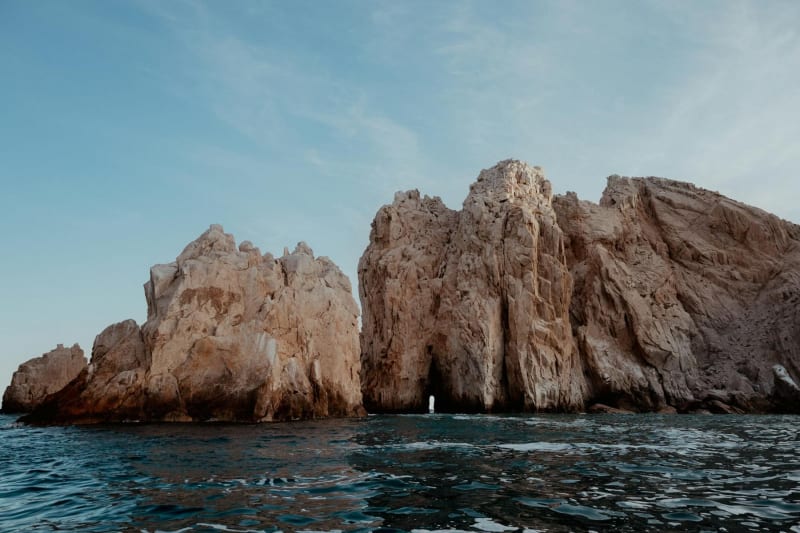
The lower half of the 1,200-kilometer Baja Peninsula — the Sea of Cortez on the east, the Pacific on the west, the Transpeninsular Highway connecting colonial mission towns and whale lagoons and the resort lights of Los Cabos at the southern tip.
Campeche
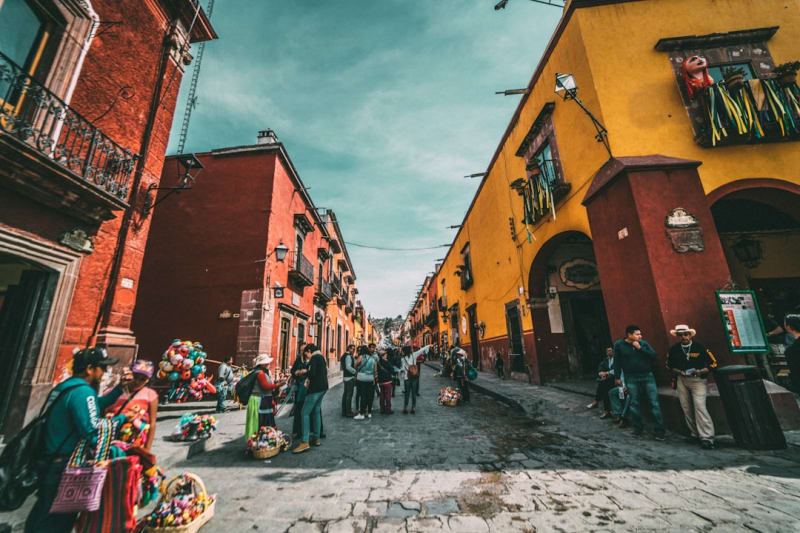
Mexico's most intact walled colonial city on the Gulf coast — pastel-painted streets, pirate-proof bastions, extraordinary Mayan artifacts, and almost no other tourists.
Chiapas
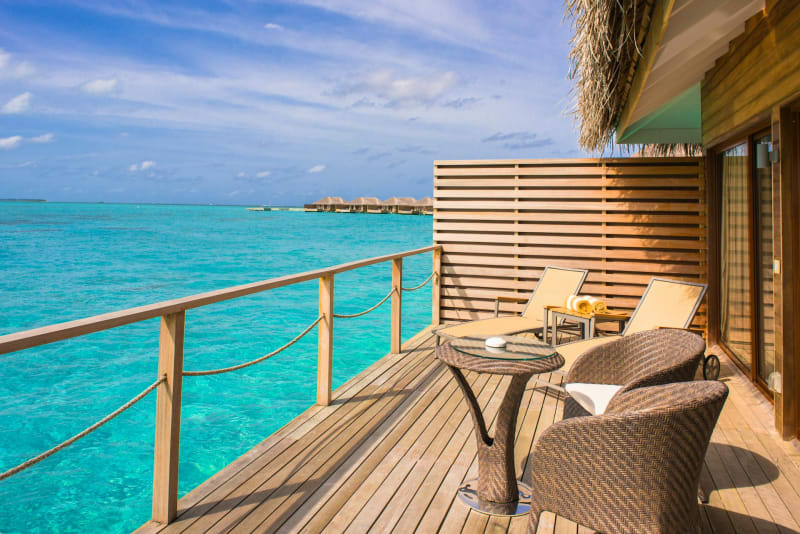
Cloud forests, Maya ruins in the jungle, and indigenous cultures that predate the Spanish by millennia. Mexico's deepest south.
Chihuahua
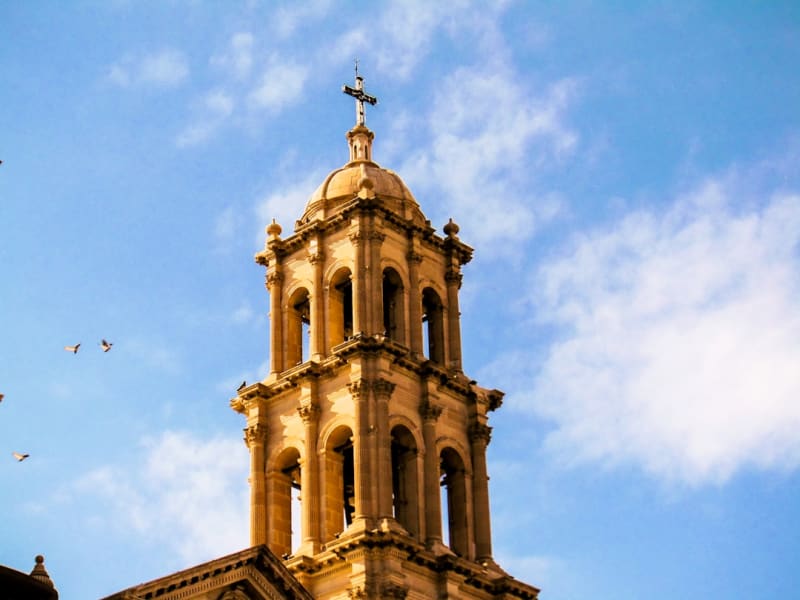
The northern capital where Pancho Villa planned his División del Norte — a city of revolutionary history, Mennonite cheese from the surrounding plains, art nouveau architecture, and the gateway to the Sierra Tarahumara.
Coahuila
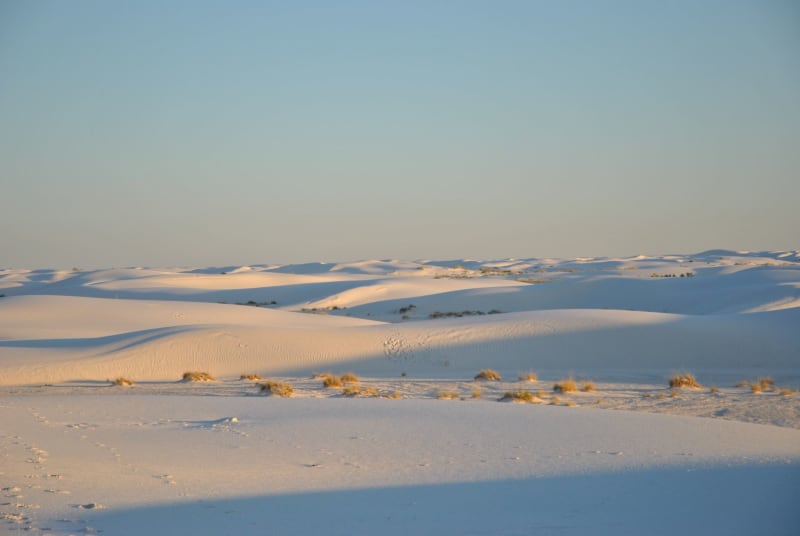
A vast Chihuahuan Desert state where dinosaur fossils erode from the badlands, stromatolites (Earth's oldest life forms) grow in the hypersaline pools of Cuatro Ciénegas, and the cotton fields and wine valleys of the north produce the best Cabernet Sauvignon in Mexico.
Colima
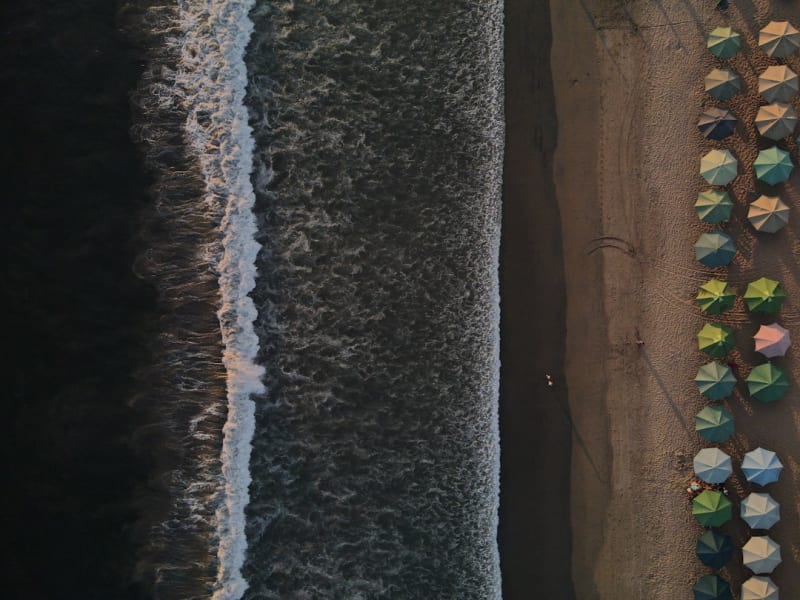
Mexico's smallest mainland state — an active volcano that glows at night, the quiet colonial town of Comala known as the White City, the port of Manzanillo where the Pacific trade arrives, and a climate mild enough that the ancient inhabitants planted the first domesticated dogs here.
Durango
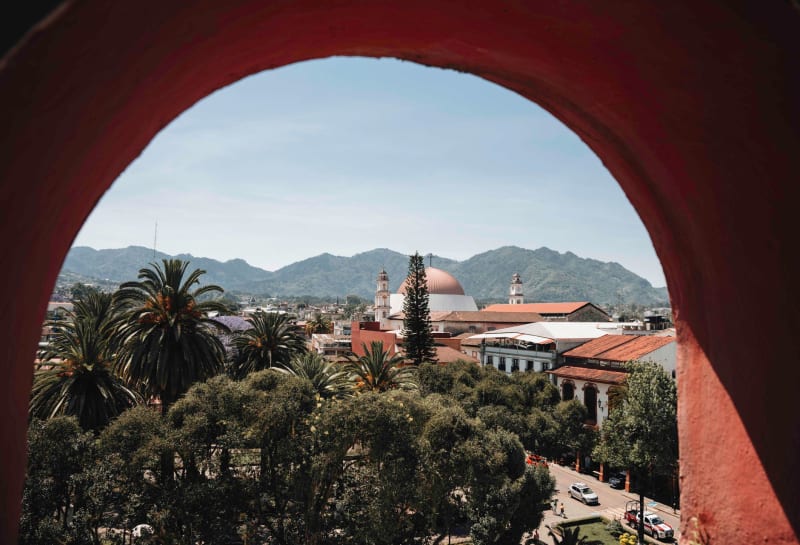
A colonial mining capital in the Sierra Madre foothills where every major Hollywood Western was filmed between 1950 and 1990 — the terrain looked more like the American Southwest than anywhere in the US, and the light was perfect.
Estado de México
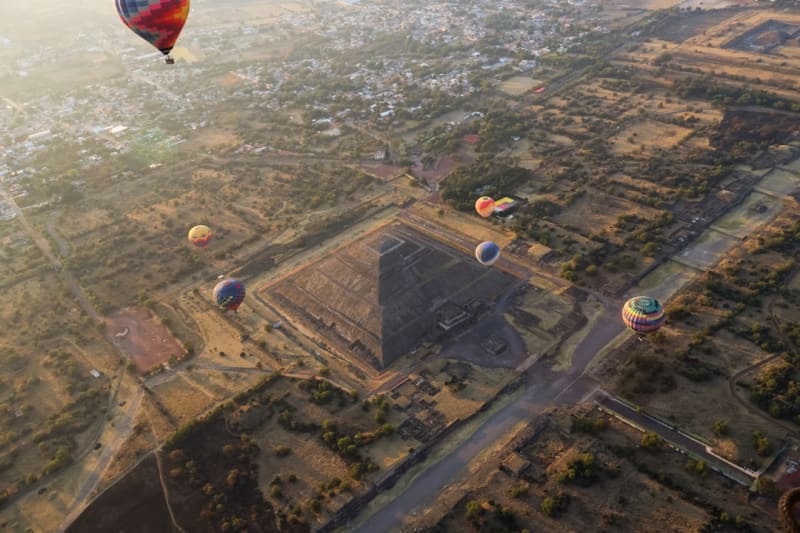
The state that surrounds Mexico City on three sides — containing the world's largest pyramid at Cholula's neighbor Teotihuacán, the rock-carved Aztec temple at Malinalco, the sailing lake of Valle de Bravo, and the monarch butterfly forest above them all.
Guanajuato
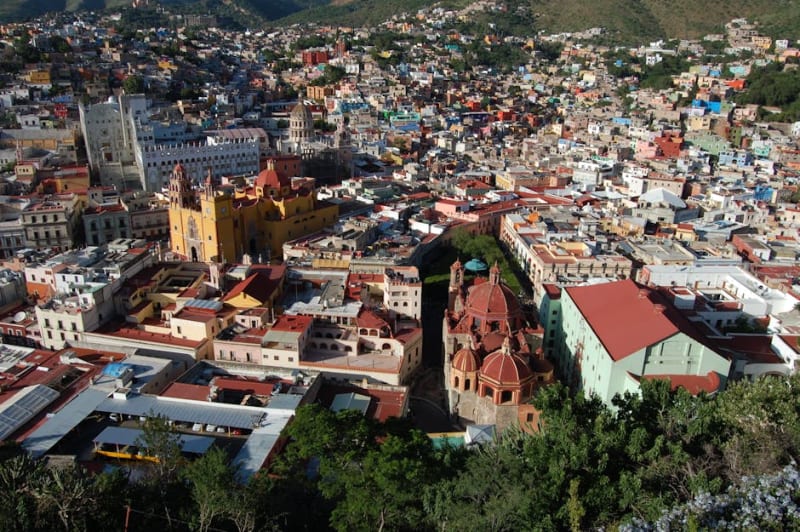
A candy-coloured colonial city built into a ravine, with underground streets, mummy museums, and Mexico's best student-town energy.
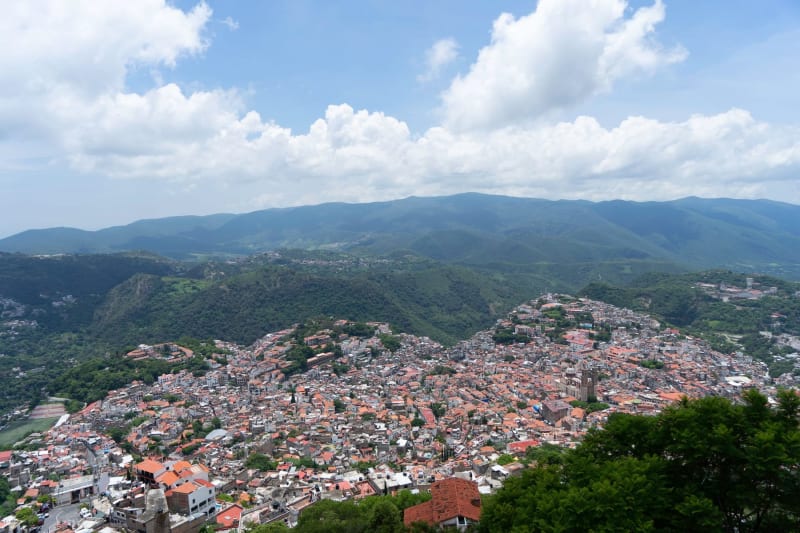
Guerrero
A Pacific state that contains three of Mexico's most distinct seaside identities — Taxco's silver in the mountains, Acapulco's faded glamour and cliff divers, and Zihuatanejo's fishing village that refused to become a resort — in a geography of dramatic sierra and tropical coast.
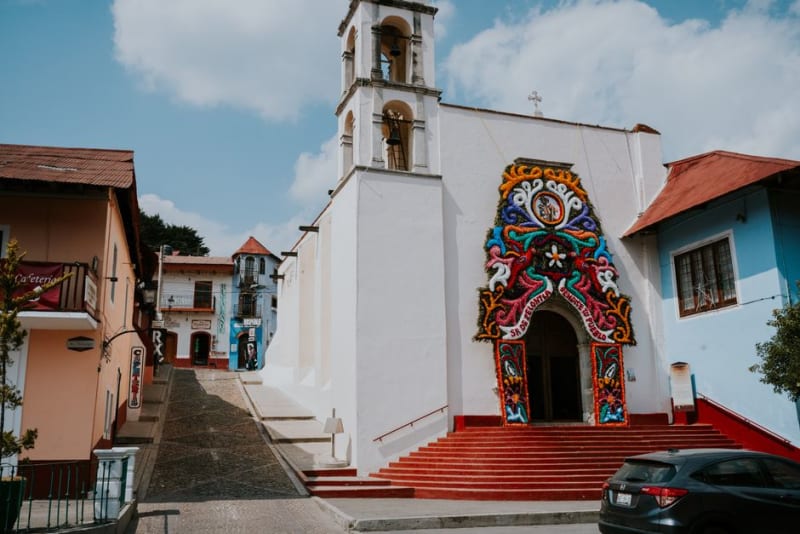
Hidalgo
A small central Mexico state with Cornish miners buried in Real del Monte, hexagonal basalt columns at Huasca de Ocampo, the Toltec warrior columns at Tula, and a highland landscape that connects the Valley of Mexico to the Gulf coast through a series of valleys and gorges.
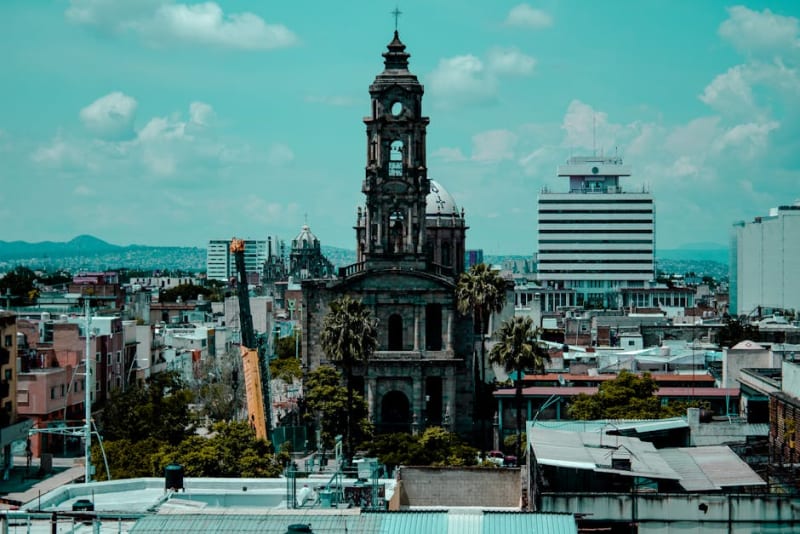
Jalisco
Mexico's most recognizable cultural exports — tequila, mariachi, and the charreada — come from a state that stretches from the Pacific coast to the dry highlands, with Guadalajara as its urban anchor and a coastline that runs from resort to remote.
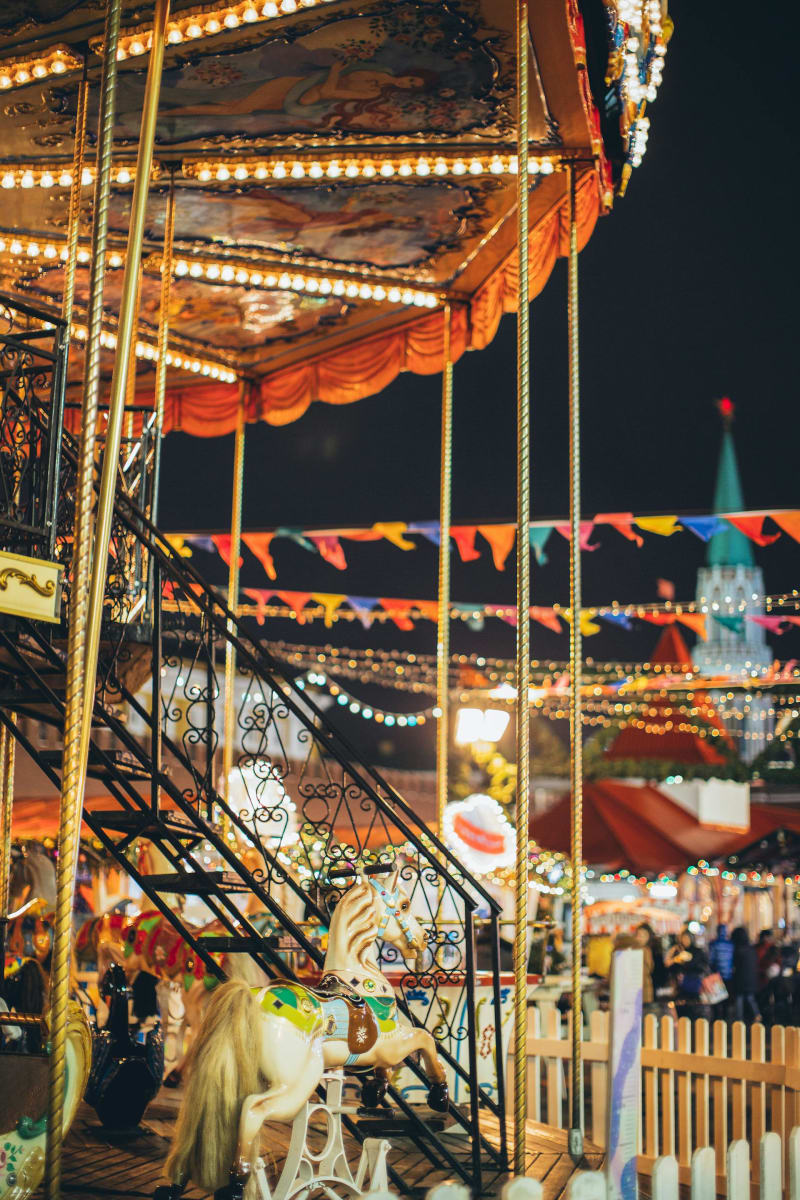
Mexico City
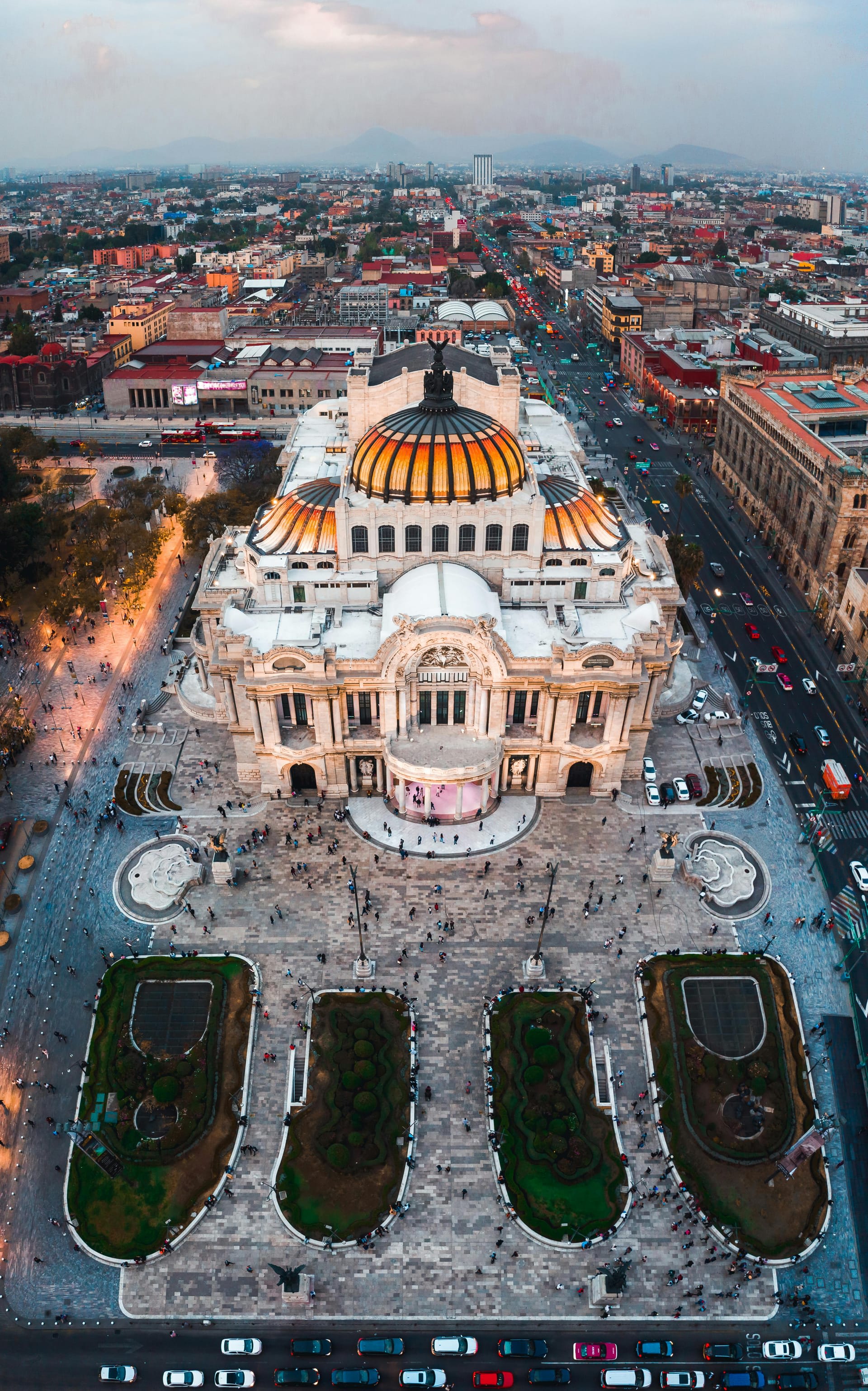
Twenty-two million people, more museums than any city in the Americas, and a food scene that rivals Paris and Tokyo.
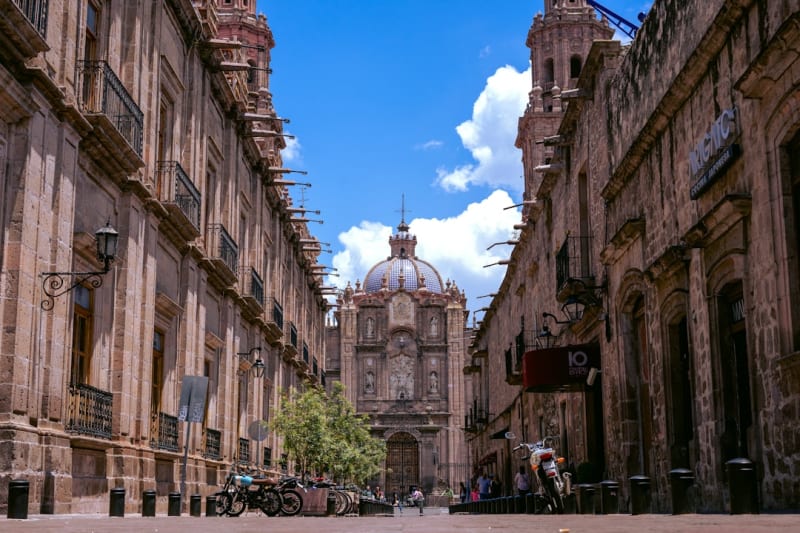
Michoacán
The Purépecha heartland on the Trans-Mexican Volcanic Belt — Lake Pátzcuaro and its butterfly-migration mountains, the craft cities of the Tarascan empire, the active Paricutín volcano, and the most emotionally affecting Day of the Dead ceremony in Mexico.
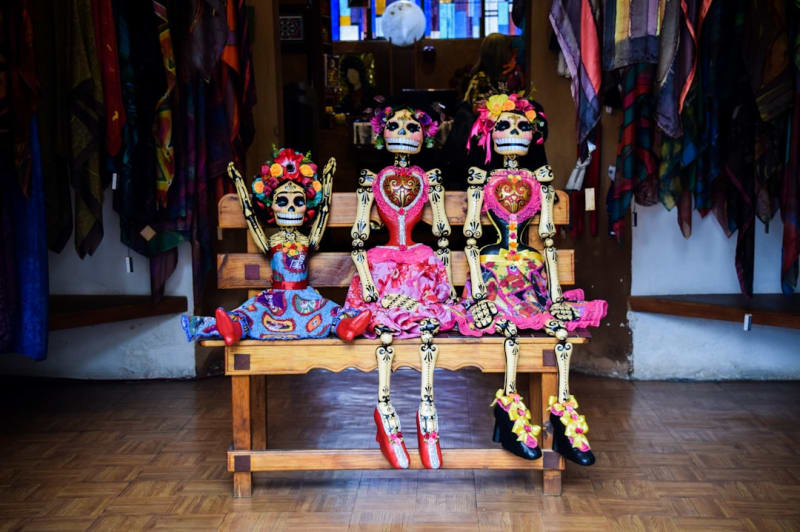
Morelos
Mexico's second-smallest state — a warm valley south of Mexico City where Aztec gardens, Zapata's revolution, and the magical pyramid of Tepoztlán coexist in a climate mild enough that the Aztec emperors came here to escape the capital's cold.
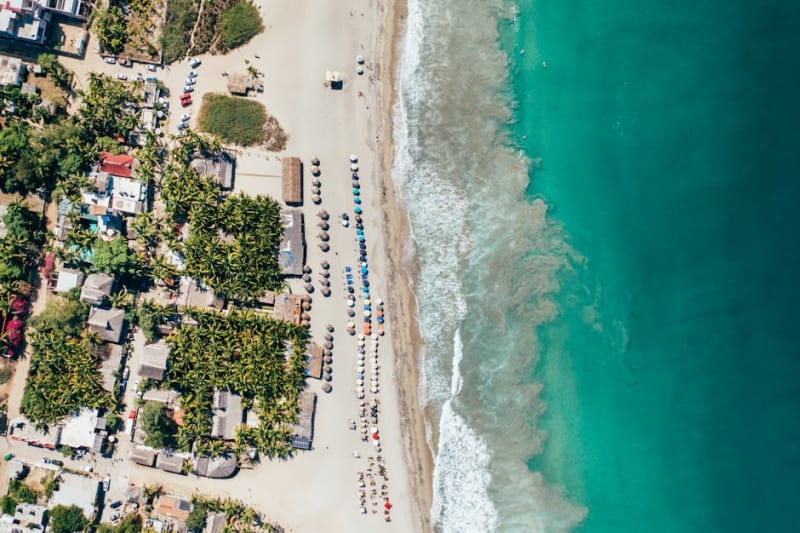
Nayarit
A Pacific coast state where the surf town of Sayulita and the bird-rich mangroves of San Blas coexist with the Wixáritari (Huichol) sierra people who make the most visually complex yarn art in the Americas and make the peyote pilgrimage annually to San Luis Potosí.
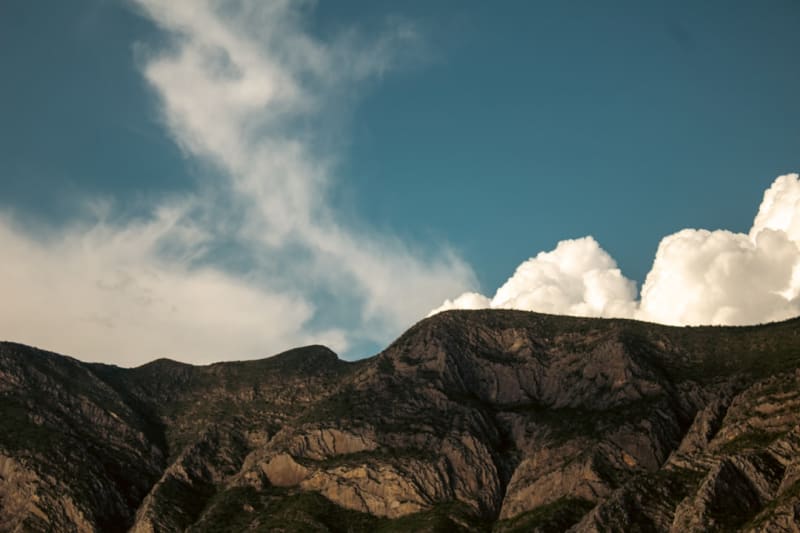
Nuevo León
Mexico's industrial powerhouse and third-largest economy — where Monterrey's steel and glass towers rise against the Sierra Madre, the Barragán-designed Cuauhtémoc brewery stands in the city center, and an hour south you're in a canyon system deeper than the Grand Canyon.
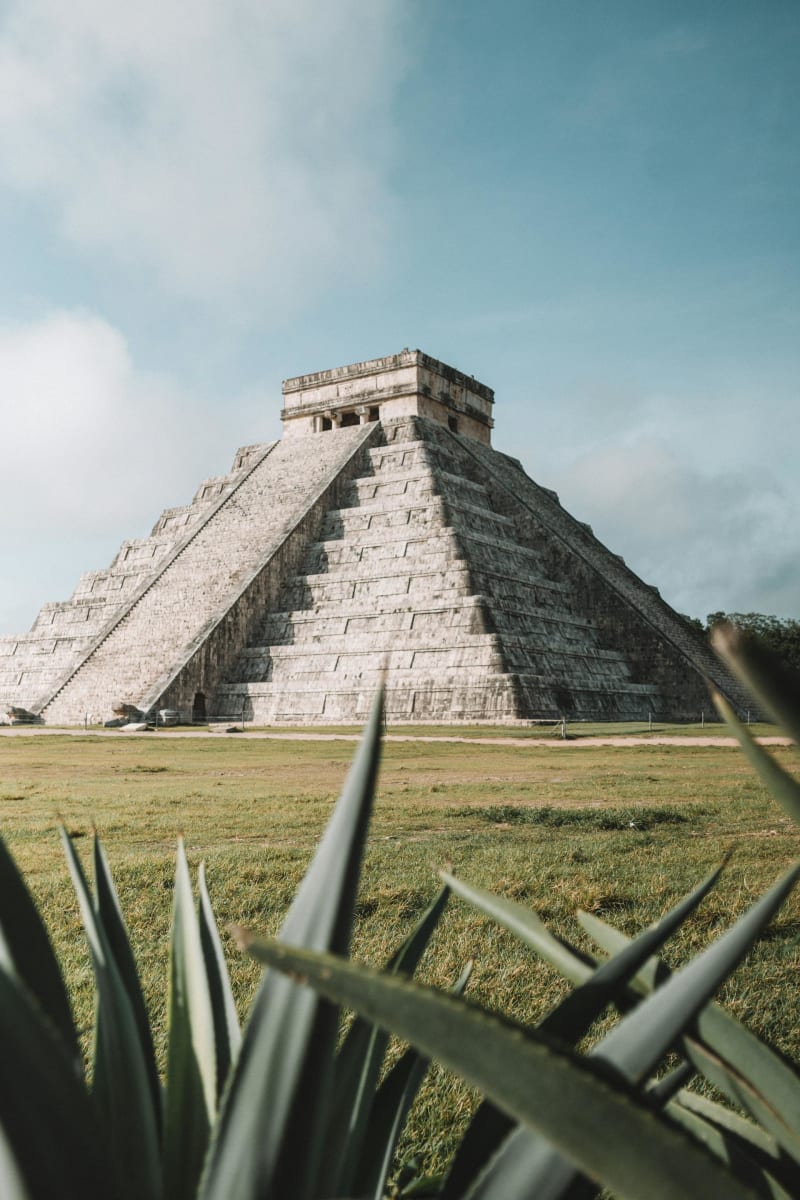
Oaxaca
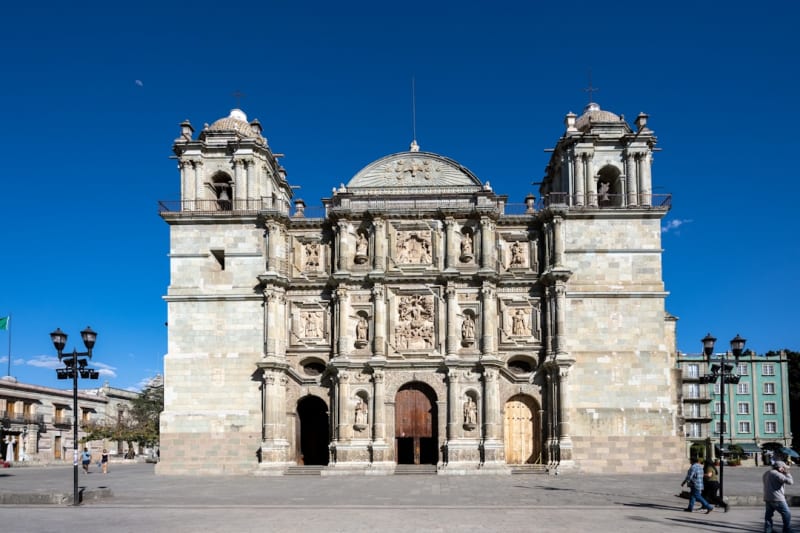
The mezcal capital, the molé motherland, and the most culturally rich state in Mexico. Oaxaca is a world unto itself.
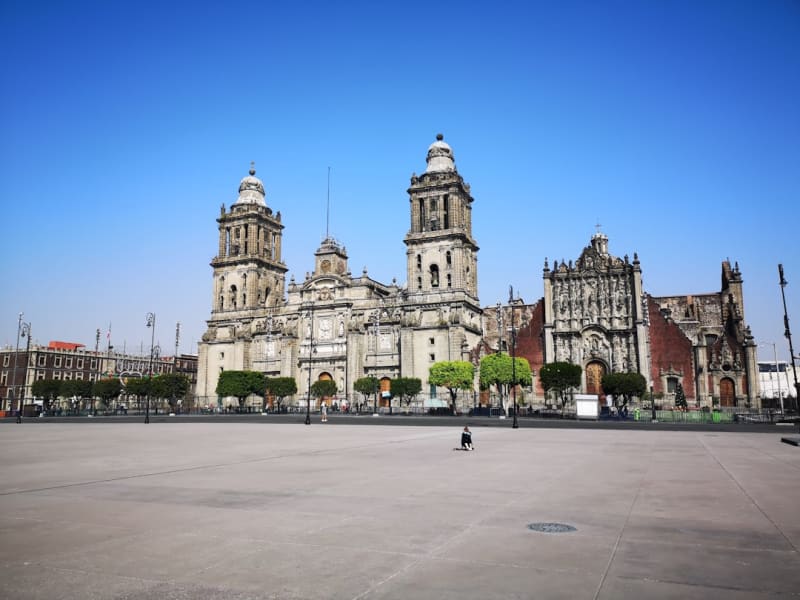
Puebla
Mexico's baroque capital — a city of 365 churches, Talavera tiles, mole poblano, and the most ornate interiors of any colonial city in the Americas.
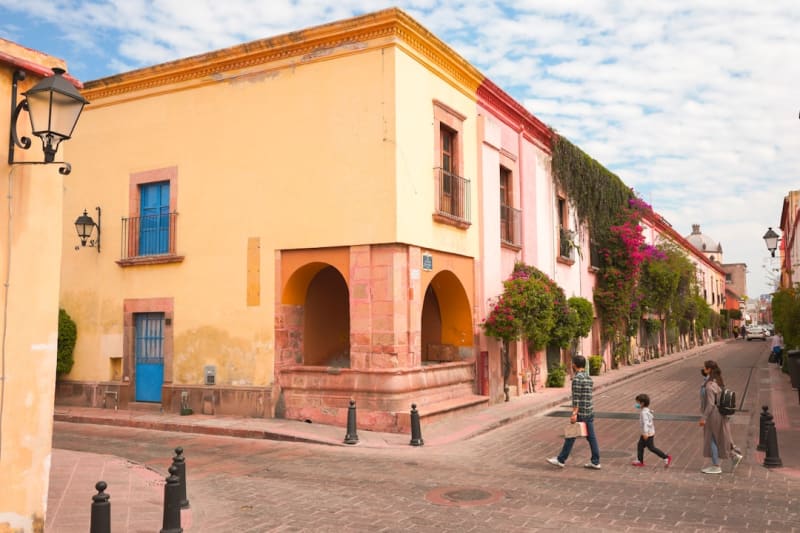
Querétaro
A UNESCO colonial city where Mexico's independence was born — 18th-century aqueducts, the best wine region in the country two hours north, and Sierra Gorda biosphere with the most extraordinary baroque missions outside of Oaxaca.
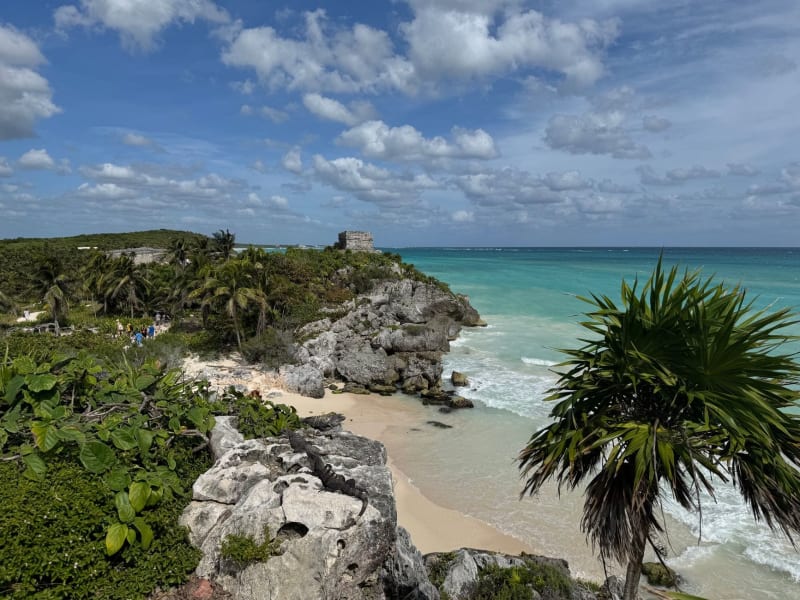
Quintana Roo
The Caribbean coast of Mexico — from the Cancún hotel zone to the last village before Belize, the Mesoamerican Barrier Reef running parallel to the coast, Maya ruins in the jungle above the turquoise water, and a spectrum from world-famous to entirely unknown within 400 kilometers.
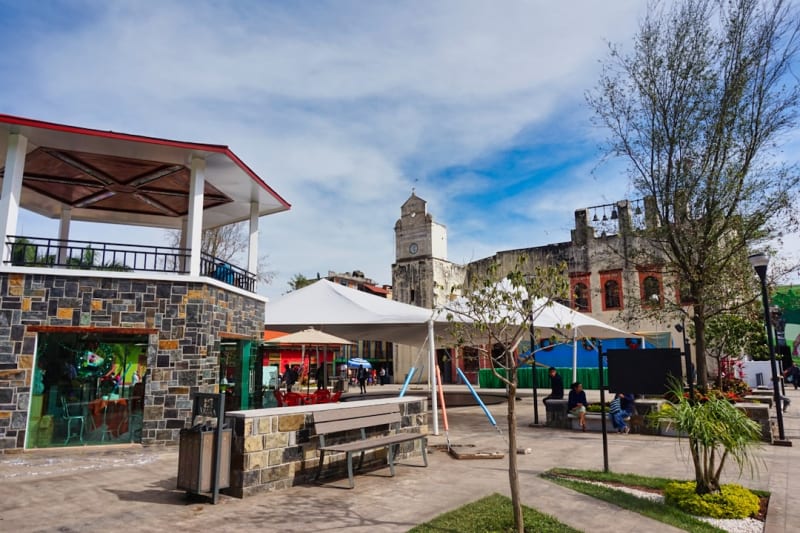
San Luis Potosí
A UNESCO colonial capital with some of the finest baroque churches in Mexico — and an hour away, a surrealist garden in the jungle built by an English poet who spent thirty years pouring his inheritance into concrete.
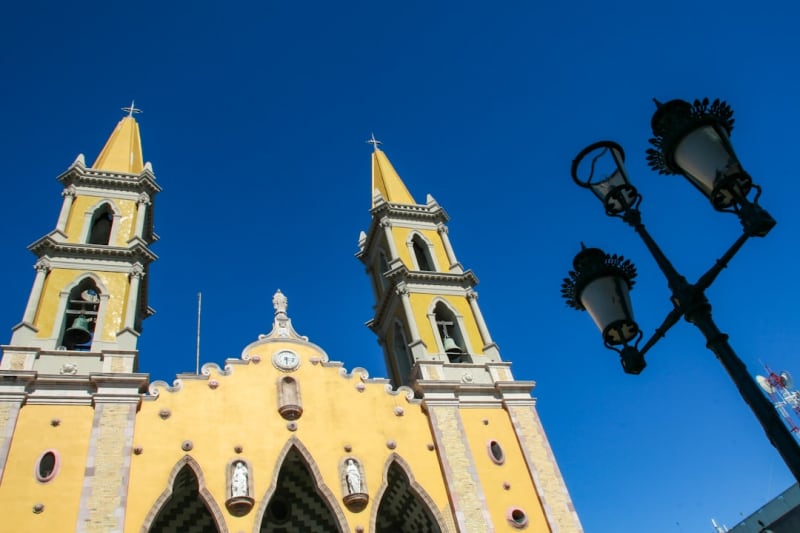
Sinaloa
A Pacific coast state of contradictions — some of Mexico's best seafood, the colonial trading town of El Fuerte, the stylish malecon of Mazatlán, and a shadow economy that doesn't announce itself but shapes everything from the infrastructure to the music.
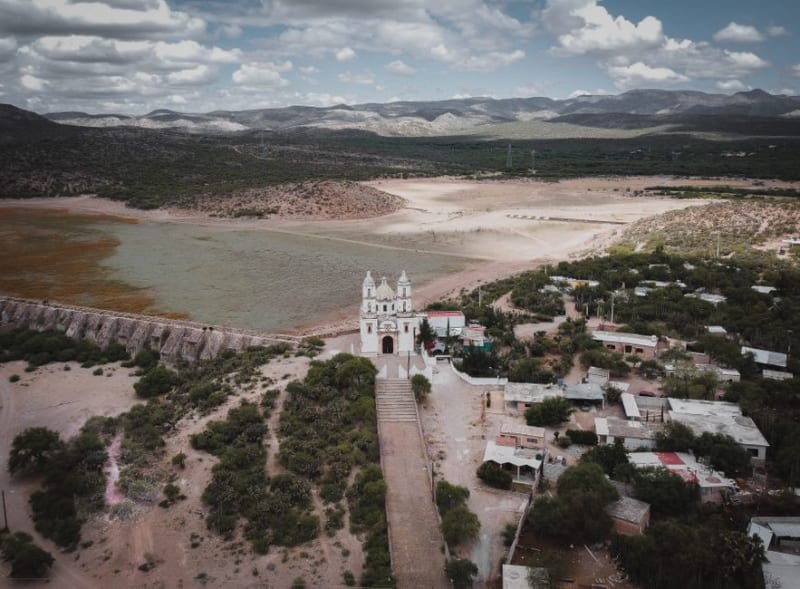
Sonora
Mexico's second-largest state — a vast territory of Sonoran Desert, the Sea of Cortez coast, the Yaqui and Mayo indigenous civilizations, the colonial silver town of Álamos, and the best beef in Mexico from cattle that graze the grasslands of the sierra.
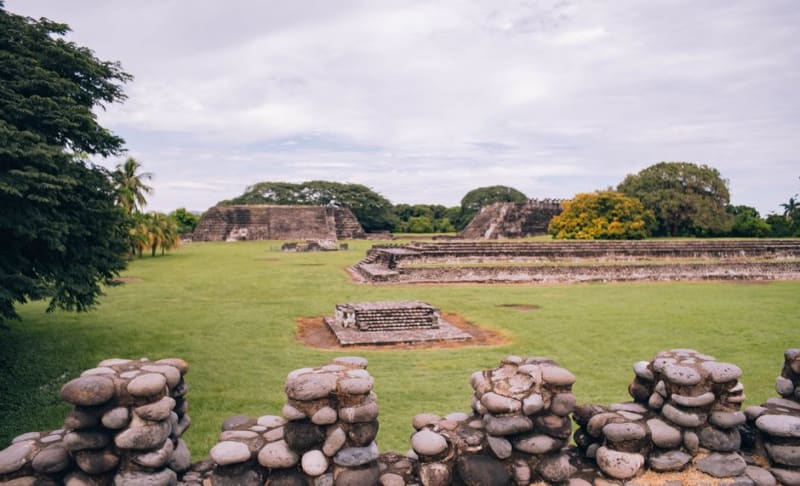
Tabasco
A Gulf coast state of rivers, cacao, and Olmec heads — the birthplace of chocolate, the heartland of the Olmec civilization, and the state where the rivers run so full that the capital is built on stilts over the Grijalva.
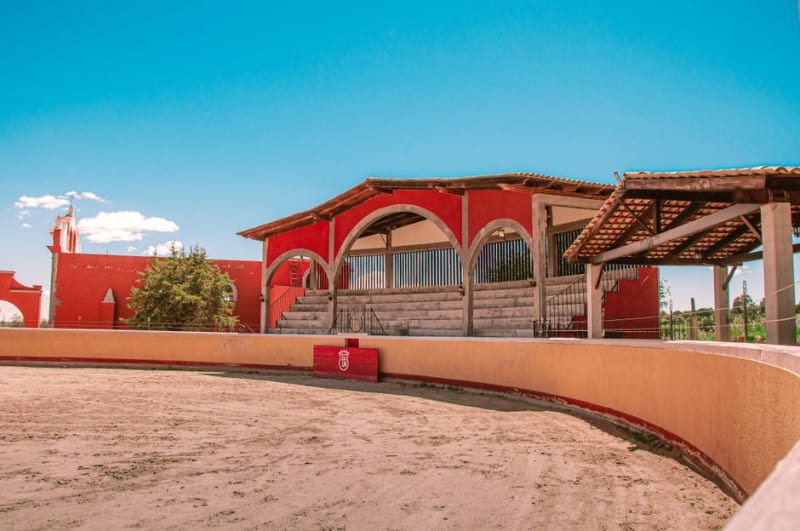
Tlaxcala
Mexico's smallest state and its most underestimated colonial capital — a city of Moorish-influenced architecture, indigenous murals, the best pulque in the country, and an extraordinary military history that the rest of Mexico is still processing.
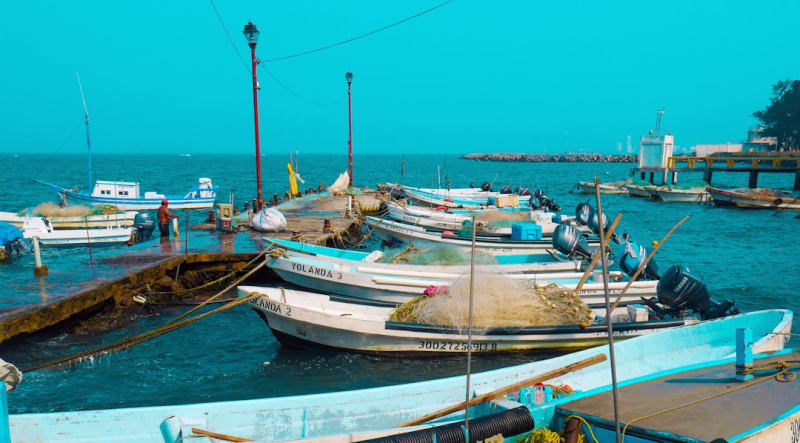
Veracruz
Mexico's oldest port city on the Gulf coast — jarocho music, the best seafood in the country, a fortress that held off pirates for two centuries, and coffee from the sierra above the city.
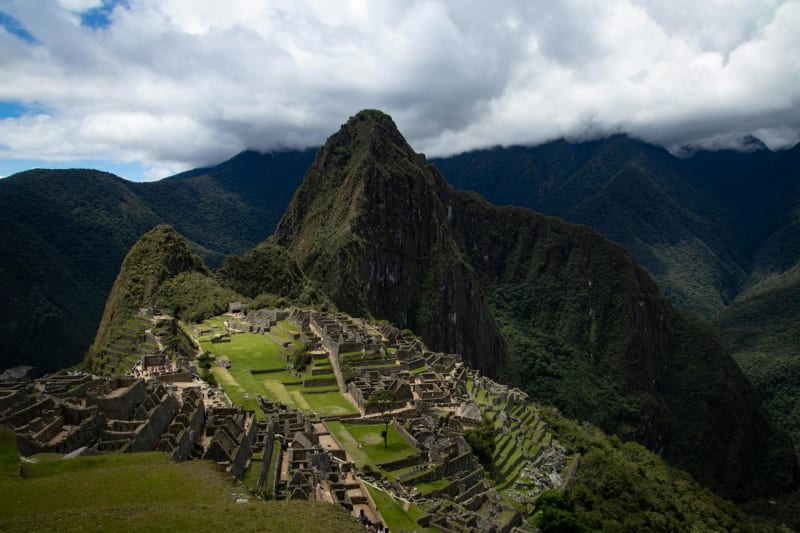
Yucatán
Maya pyramids, sacred cenotes, and a cuisine distinct from the rest of Mexico. The Yucatán is a peninsula with its own identity.
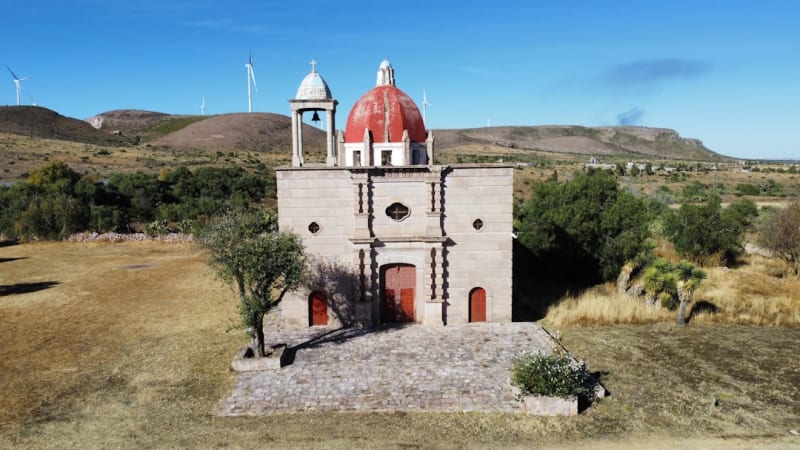
Zacatecas
A UNESCO silver-mining city in the high desert — pink cathedral, canyon-split streets, a cable car over the rooftops, and the best collection of pre-Hispanic gold in the Americas.
Free download
Get the Mexico Guide
A curated PDF itinerary with honest picks, real restaurants, and the details that matter — the kind you'd actually print and bring.
Download the guide