Miahuatlán de Porfirio Díaz
"The Monday market smells like woodsmoke and fresh tortillas — no tourist stalls, no curated crafts, just the real thing."
I first passed through Miahuatlán on a second-class bus from Puerto Escondido, mid-morning, intending to keep going to Oaxaca City. The driver pulled in for a twenty-minute stop and I stepped off to stretch my legs. There was a woman selling clayudas straight off the comal, the kind where the bean paste has blackened slightly at the edges. I missed the bus. I came back the following Monday on purpose, got there before eight, and understood immediately why the town exists the way it does — not for visitors, not even particularly for itself, but as a gravitational center for a dozen Zapotec communities scattered through the surrounding sierras.
El Tianguis de los Lunes
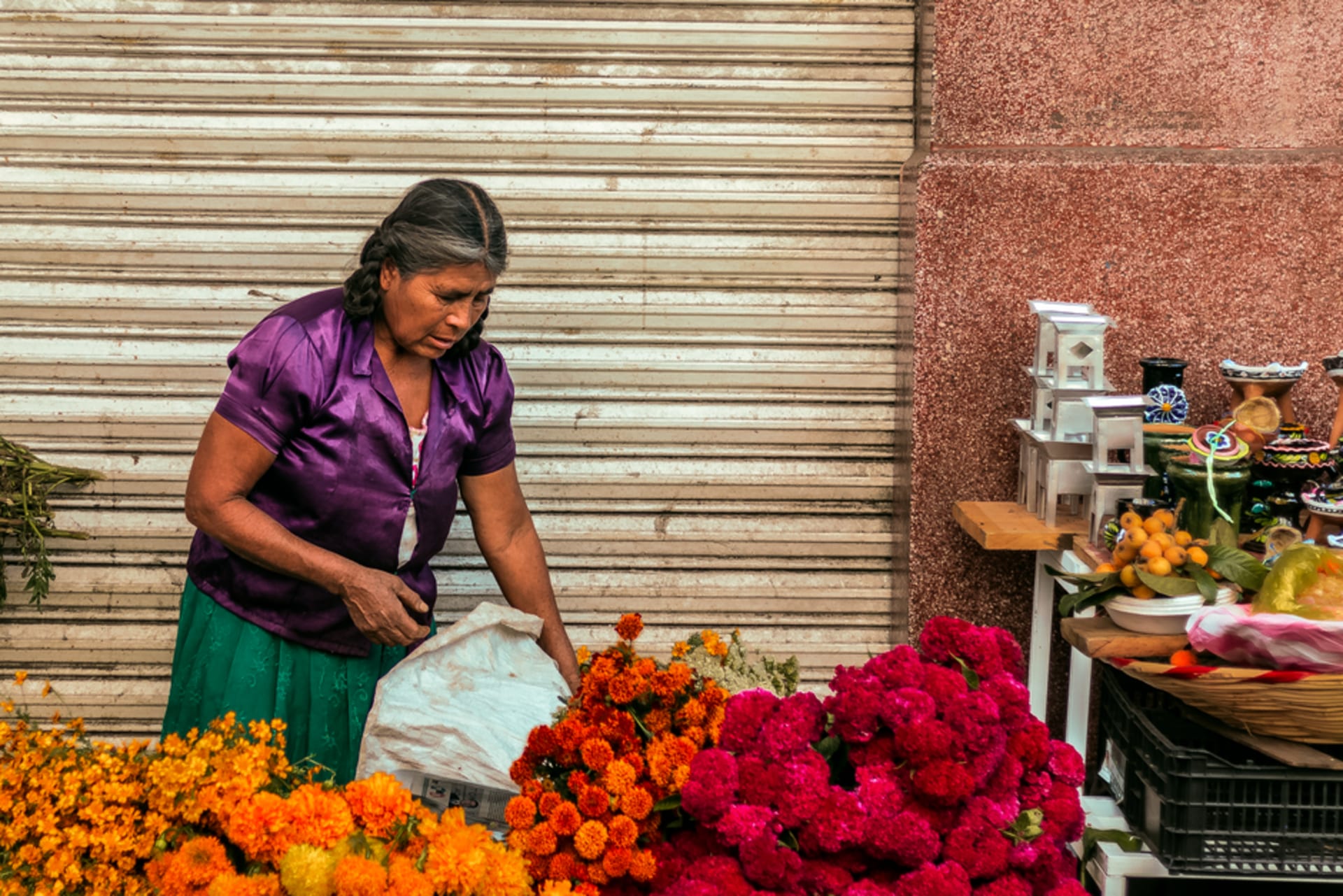
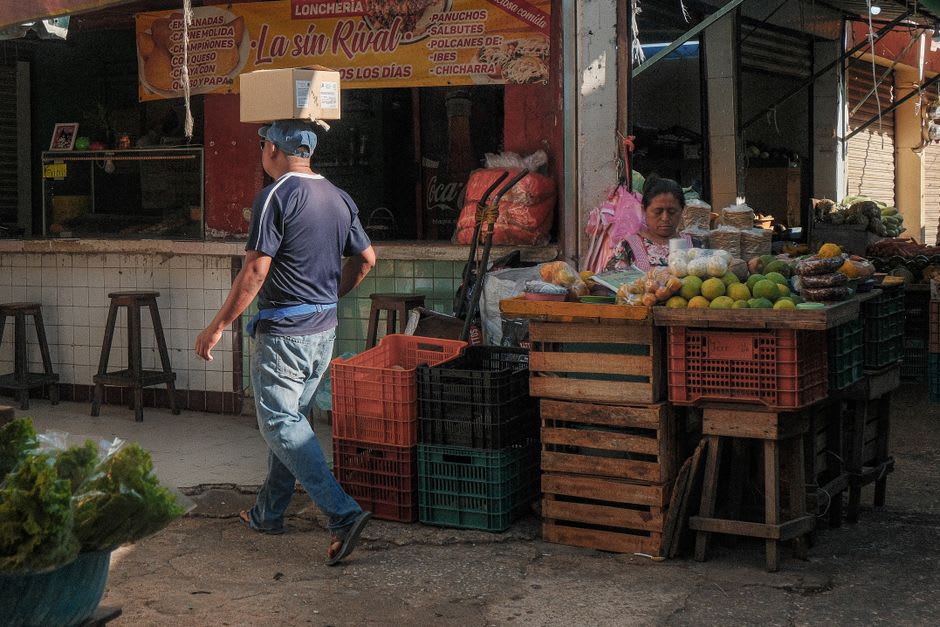
Monday morning in Miahuatlán starts before dawn for the vendors arriving from the villages. By seven the streets around the mercado municipal are dense — dried chiles stacked in pyramids, bundles of fresh hierba santa, live turkeys with their feet tied, mole negro in plastic bags weighed out by the kilo. The stalls spill down Calle Porfirio Díaz toward the zócalo, and the whole thing smells exactly as the sign above one comedora read: pozol, tamales, atole, desayuno. I sat at a plastic table and ate a plate of tasajo con frijoles negros that cost me forty pesos. Nobody spoke English. Nobody was trying to sell me anything I didn’t need. The energy was entirely transactional in the best possible way — people who had driven two hours before sunrise to buy corn seed, sell cheese, see a cousin.
Mezcal in the Sierra
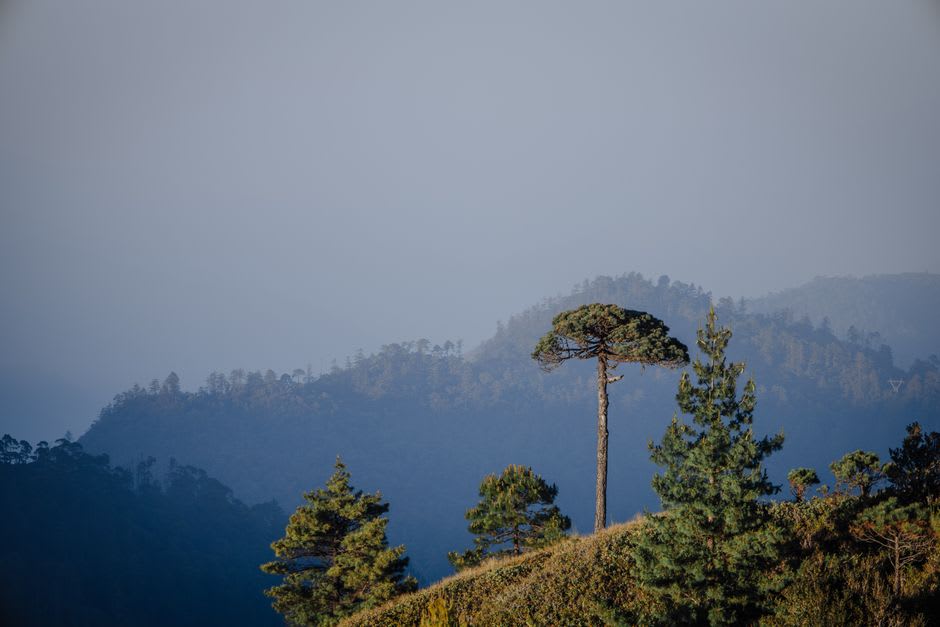
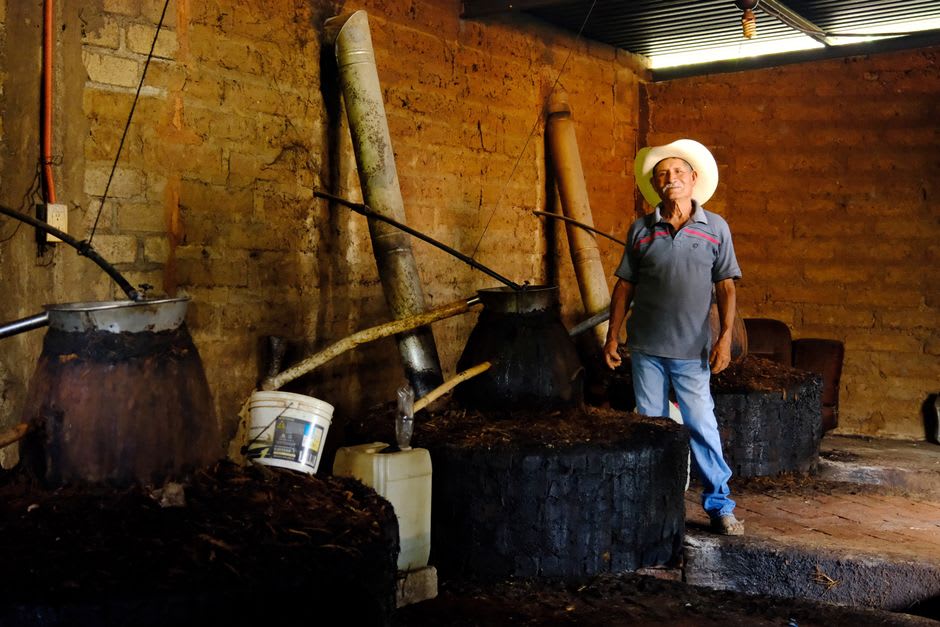
The highlands around Miahuatlán are Zapotec mezcal country, and not the kind that ends up in Oaxaca City boutiques. A local I met at the market offered to drive me out to a palenque his uncle runs near the village of San Luis del Río — a different San Luis than the famous one, he clarified, laughing. The still was a clay pot and bamboo tube arrangement, the maguey espadín roasted in a pit in the hillside. We drank out of a jícara in the afternoon shade and watched a dog sleep on a warm rock. The mezcal was rough and smoky and cost two hundred pesos for a recycled water bottle. I carried it all the way to Puerto Escondido wrapped in a shirt.
The Church and the Zócalo
The Parroquia de San Marcos on the main plaza is colonial and quietly impressive — wide barrel-vaulted nave, a gilt retablo that nobody seems to photograph. On a weekday afternoon the zócalo is almost empty. Old men play dominoes under the portales. A hand-lettered sign advertises hamburguesas y licuados. The town has the comfortable lethargy of a place that does its real business one day a week and rests the other six. I found a room above a pharmacy for three hundred pesos and spent the evening doing nothing in particular, which felt like exactly the right response.
Getting There
Miahuatlán sits on Mexico Highway 175, about 100 km south of Oaxaca City — two hours by second-class bus from the Central de Abasto terminal, less by colectivo. From Puerto Escondido it’s roughly three hours north. Any Monday-bound bus from either city will have locals making the market run; ask the driver for el tianguis.