Tlaxiaco
"The Saturday market in Tlaxiaco is one of those markets where you lose track of time entirely, and the cheese costs nothing, and you feel like you have gotten away with something."
I arrived on a Friday evening, which in Tlaxiaco turns out to be a logistical miscalculation. The market sets up overnight — vendors from across the Alta Mixteca rolling in from Putla, from Juxtlahuaca, from villages whose names I couldn’t locate on any map I owned — and by Saturday morning the main plaza and everything surrounding it has become something else entirely. I had come for the textiles. I left with a wheel of quesillo wrapped in a plastic bag and two bottles of mezcal I had no plan for on the mountain road back to Oaxaca City.
The Saturday Market
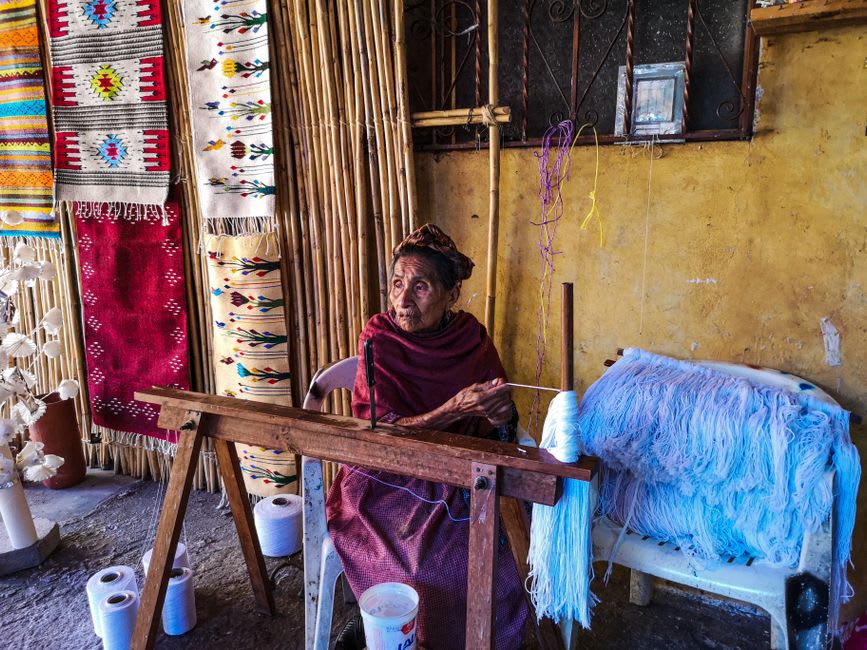
The market in Tlaxiaco does not lend itself to a list. It radiates outward from the zócalo in concentric rings of logic that took me an hour to parse: vegetables near the covered hall, textiles along the street that runs toward the church, cheese and dairy tucked into the corner where the shade holds longest in the morning. The huipiles here are Mixtec, not Zapotec — different geometry, different palette, more earth tones and less indigo. I spent too long with a woman from San Andrés Lagunas who had embroidered birds I couldn’t name into the collar of a blouse. I didn’t buy it. I thought about it for the entire drive home.
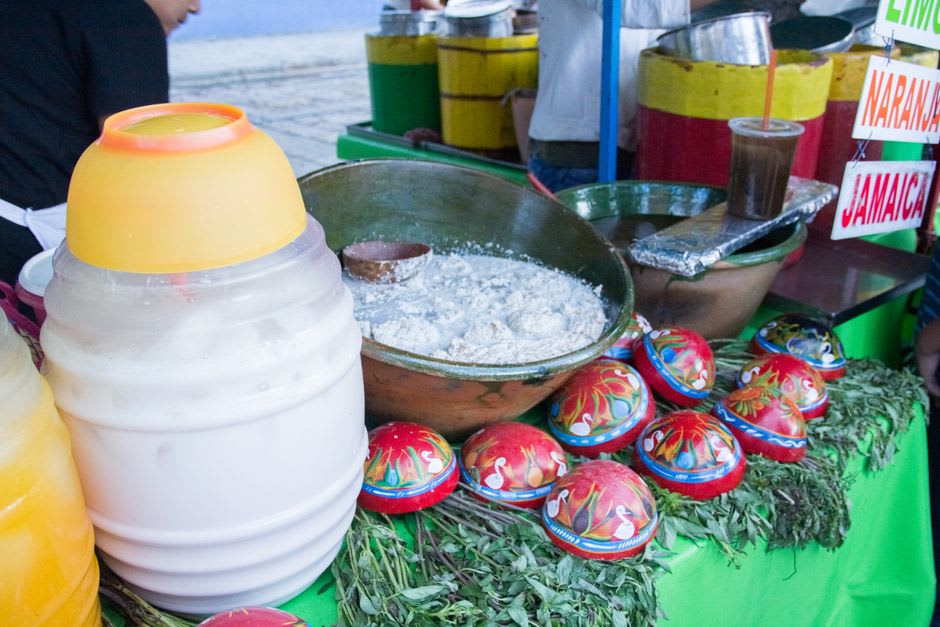
The cheese deserves its own sentence. The regional quesillo is softer and saltier than what you find in Oaxaca City markets, and a vendor near the east wall sold me a half-kilo for sixty pesos that I’d eaten most of before I reached my car.
The Church That Was Built to Make a Point
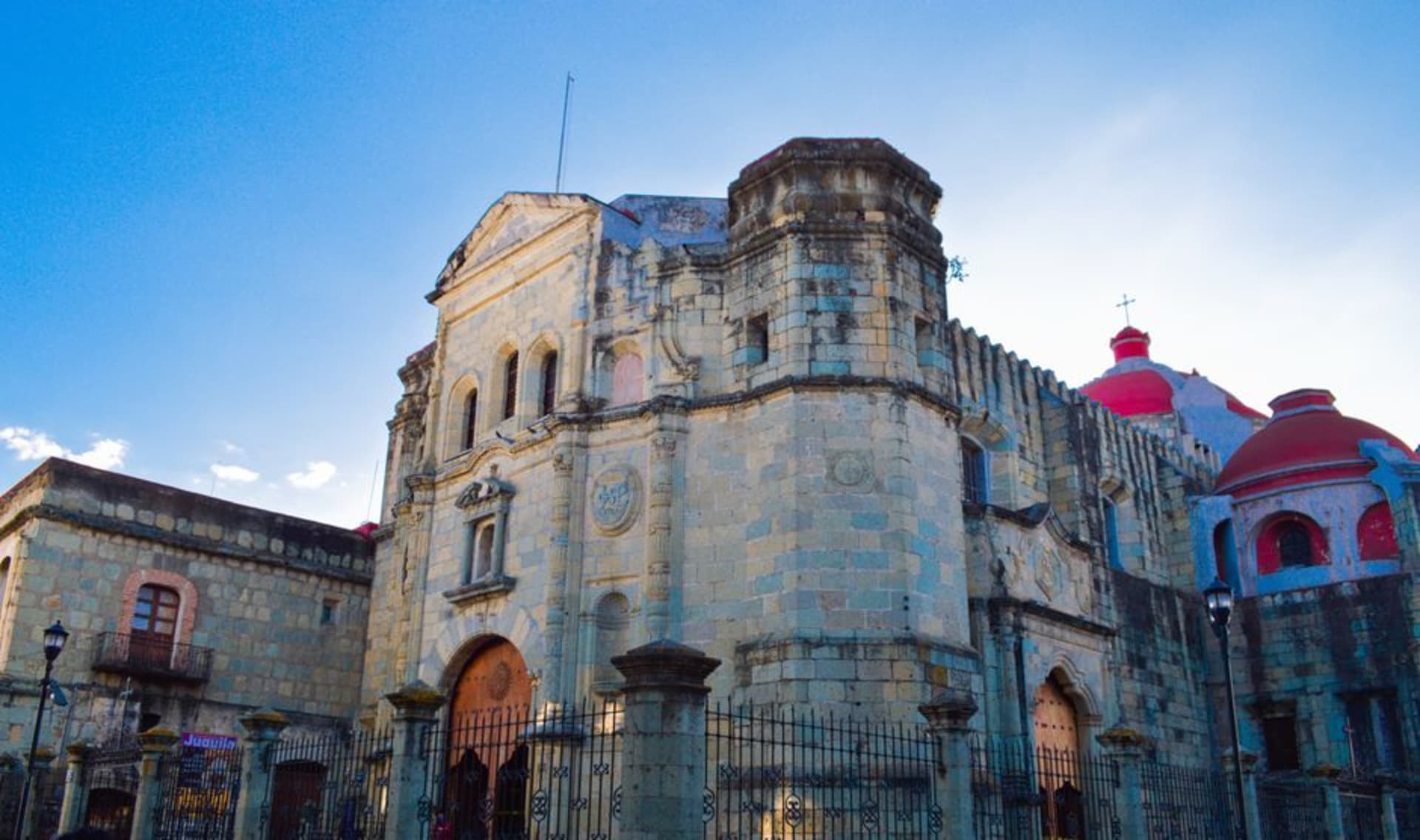
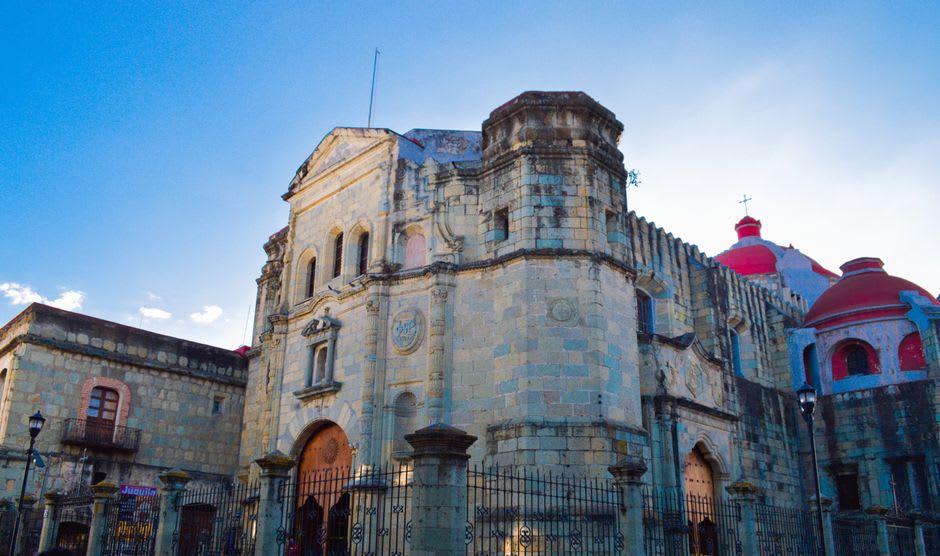
The Templo y Exconvento de la Asunción sits on the north side of the main plaza with the particular weight of something built to outlast everything around it. The Dominicans started construction in the sixteenth century and the result is that specific colonial grandeur you see when a religious order has something to prove to a reluctant population. Inside it is cool and dim, and on a Saturday morning it is mostly empty while the market outside runs at full volume. I find this combination — devotional quiet forty meters from absolute commercial chaos — to be one of the more honest things about Mexican town life. A caretaker let me walk the convent’s interior courtyard without asking for anything.
Lunch, Then Mezcal
Stay for lunch. The comedores along the south edge of the market serve tasajo and enfrijoladas until mid-afternoon, and the tlayudas come off comals over wood fires you can smell from two streets away. I ate standing at a table with no chairs, which is either rustic or efficient depending on your patience for ambiguity. For mezcal, walk half a block east of the plaza — several small shops stock local production from surrounding Mixtec villages, none of which travels to Oaxaca City distributors. Buy one bottle. Acknowledge the road you have ahead of you. Buy the second one anyway.
Getting There
Tlaxiaco is roughly three hours from Oaxaca City by car via Federal Highway 190 toward Nochixtlán, then south through the sierra. The road is paved but demands full attention — switchbacks and elevation change the entire way. Bus service runs from Oaxaca’s second-class terminal, but Saturday market logic means Friday evening arrival is worth the extra night. There is a small hotel on the main plaza that is functional and inexpensive.