Chacahua
"No road reaches Chacahua. You take a boat through the mangroves. The crocodiles are on the banks in the afternoon. The beach at the end is empty."
Chacahua is the Oaxacan Pacific coast as it existed before Puerto Escondido and Mazunte became travel destinations — a lagoon village accessible only by boat, 90 minutes from the nearest town by water taxi through a mangrove channel system that feels genuinely remote even though it is technically two hours from the Oaxacan coast highway.
The Parque Nacional Lagunas de Chacahua is a 14,187-hectare national park protecting the lagoon system, the mangrove forest, the beach, and the nesting habitat of several sea turtle species. The park contains two primary lagoons — Laguna Pastoria and Laguna Chacahua — connected by channels navigable by the flat-bottomed motor launches that serve as taxis.
Getting There
The approach is part of the experience. From the town of Zapotalito on the coast highway (between Puerto Escondido and Pinotepa Nacional), motor launches depart when they have enough passengers — 10-12 people sharing a flat-bottomed boat with an outboard motor, moving through the lagoon system and mangrove channels for 45-60 minutes before arriving at Chacahua village.
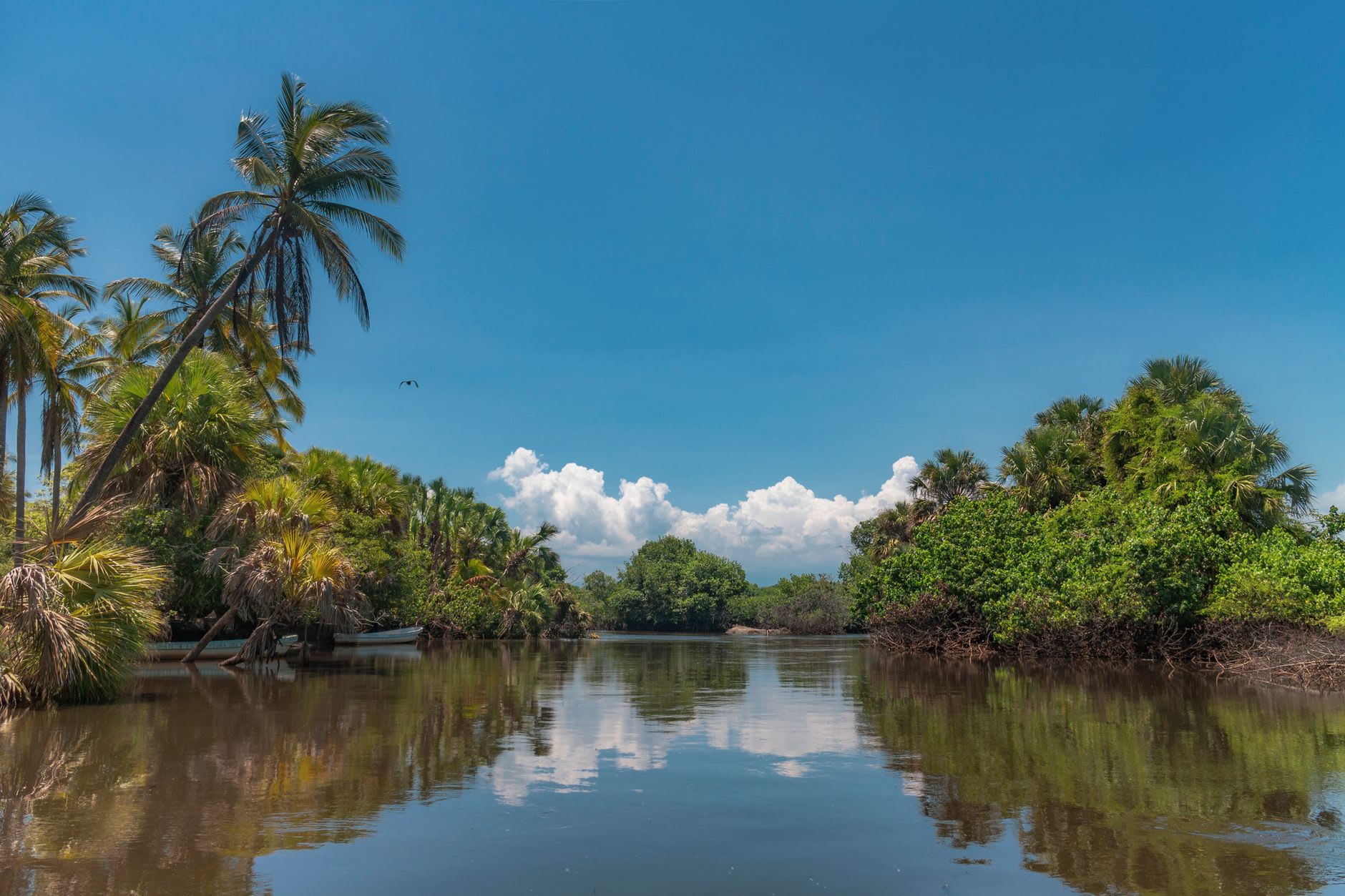
The channel passage: the mangroves form a tunnel in the narrow sections, the roots rising from the water on both sides, the canopy closing overhead. Herons and egrets on the branches. Roseate spoonbills in the mangrove shallows. The crocodiles — American crocodiles, Crocodylus acutus, the same species found in the Florida Everglades — are visible on the banks in the afternoon sun, mostly in the 2-3 meter range, occasionally larger.
This is not an arranged wildlife encounter. The crocodiles live in the lagoon and move around the banks freely. The boat passes within 10 meters.
The Village and the Beach
Chacahua village is a fishing community of Afro-Mexican descent — one of the communities of the Costa Chica (the Oaxacan and Guerrero Pacific coast) that descends from enslaved Africans brought to New Spain and from runaway slaves (cimarrones) who established independent communities on the remote coastline during the colonial period. The community’s identity is distinct from the coastal mestizo communities and from the Mixtec and Zapotec indigenous communities of the Oaxacan interior.
The beach: a 4-kilometer stretch of dark Pacific sand with no vehicle access, a consistent shore break, and the fishing pangas (small boats) pulled up on the sand. The palapa restaurants on the beach serve the fresh catch from the Pacific — red snapper, sea bass, octopus — with the Oaxacan coastal preparations (tostadas, ceviches, fish tacos) that are more interesting than the international versions available in Puerto Escondido.
Accommodation is basic: hammocks and simple rooms in palapa guesthouses run by fishing families. Electricity from solar panels; no hot water; no ATM within 45 minutes by boat. This is not a hardship for the right traveler.
Sea Turtles
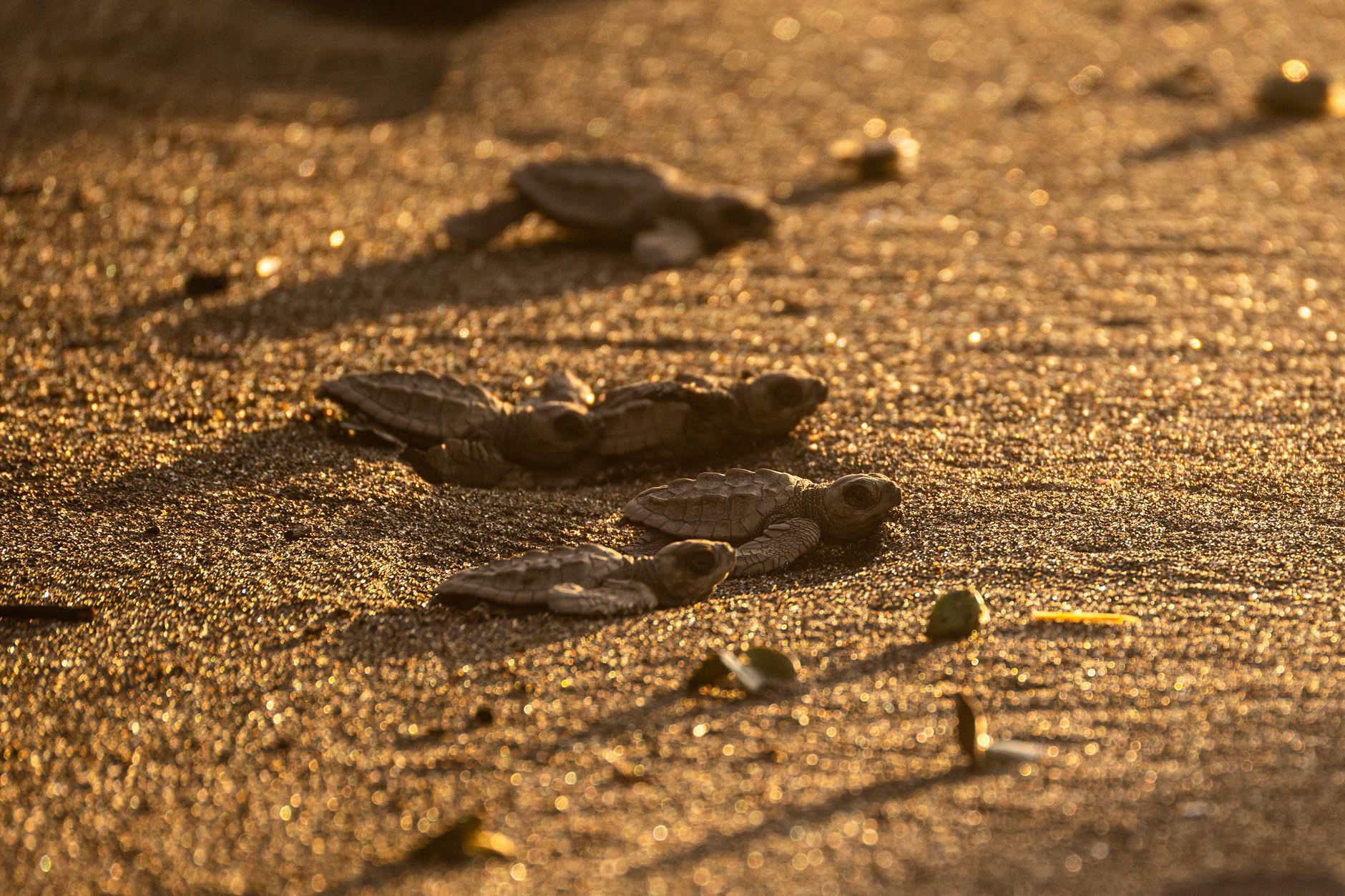
The Chacahua beach is an active olive ridley sea turtle nesting site from July through December. The turtles — Lepidochelys olivacea, the most abundant sea turtle species in the world but still vulnerable — come ashore at night to lay eggs. The park rangers monitor the nesting sites and release hatchlings from protected nests; visitors who are present at the right moment can witness the release.
This is not managed tourism. The hatchling releases happen when the eggs hatch, which is unpredictable. Asking at the village which nests are close to hatching is the practical approach.
Getting there: Bus from Puerto Escondido to Zapotalito (1h, ask for the Chacahua turnoff on the highway) then motor launch to the village (45-60min). No car needed — there is literally nowhere to park a car on the other side of the lagoon. Arrive in Zapotalito by midday to ensure a boat.
When to go: November through May for the driest weather and calmest Pacific. July through December for sea turtle nesting. The rainy season (June-October) brings afternoon storms and rougher conditions on the lagoon; the beach is still accessible.