Pinotepa Nacional
"The purple thread in a Pinotepa huipil came from a snail that is still alive on its Pacific rock — that fact alone earns this town a detour."
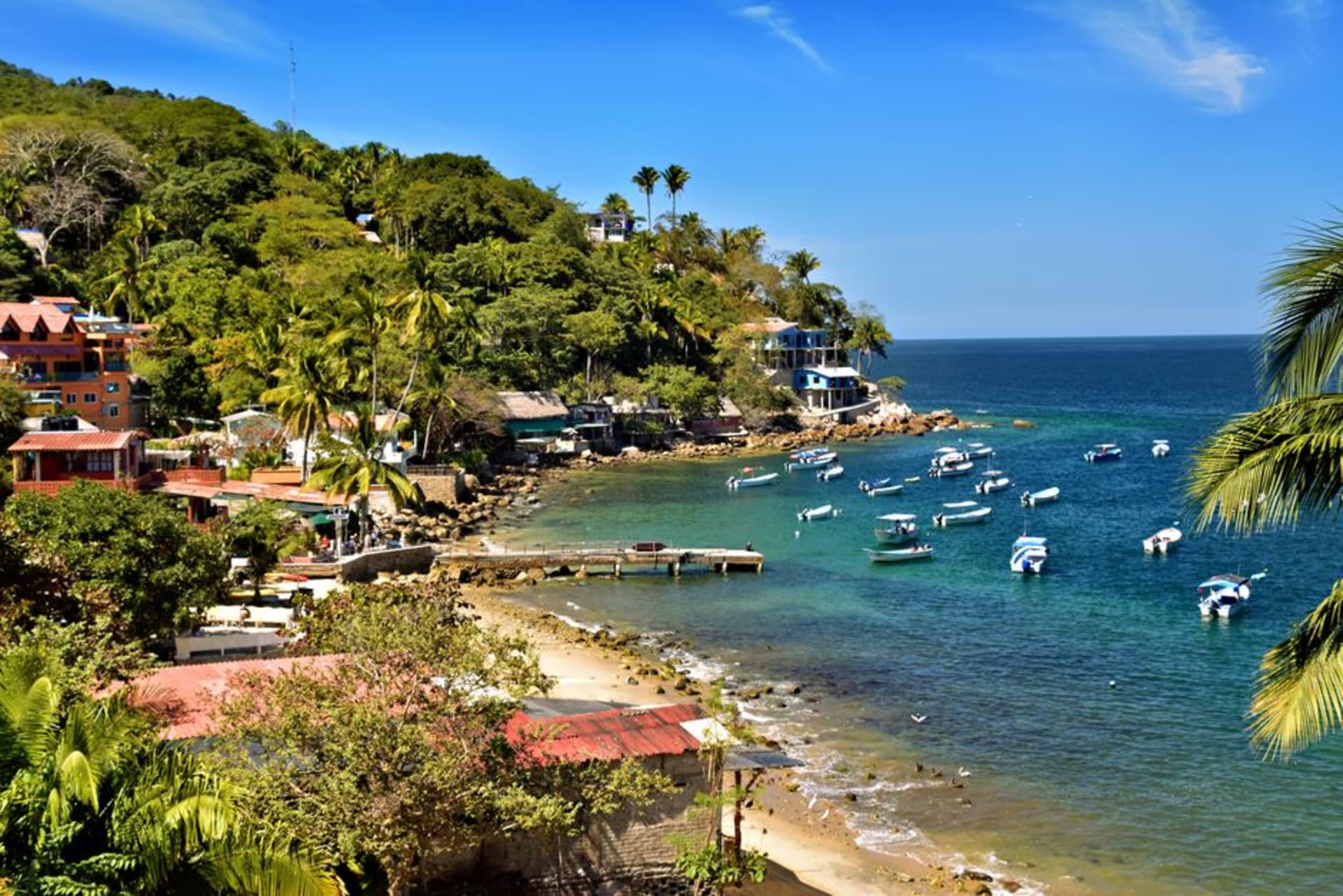
I drove west from Puerto Escondido on a Thursday morning, which turned out to be the right day. Highway 200 follows the coast past stands selling dried coconut and fresh tortillas, and by the time I reached Pinotepa Nacional — about two and a half hours in — the market was already mid-roar. The smell hit before the sound: copal smoke, dried shrimp, the particular green-vegetable humidity of fresh produce under a tin roof. I parked on Calle Morelos and walked in without a plan, which is the correct strategy here.
The Living Dye
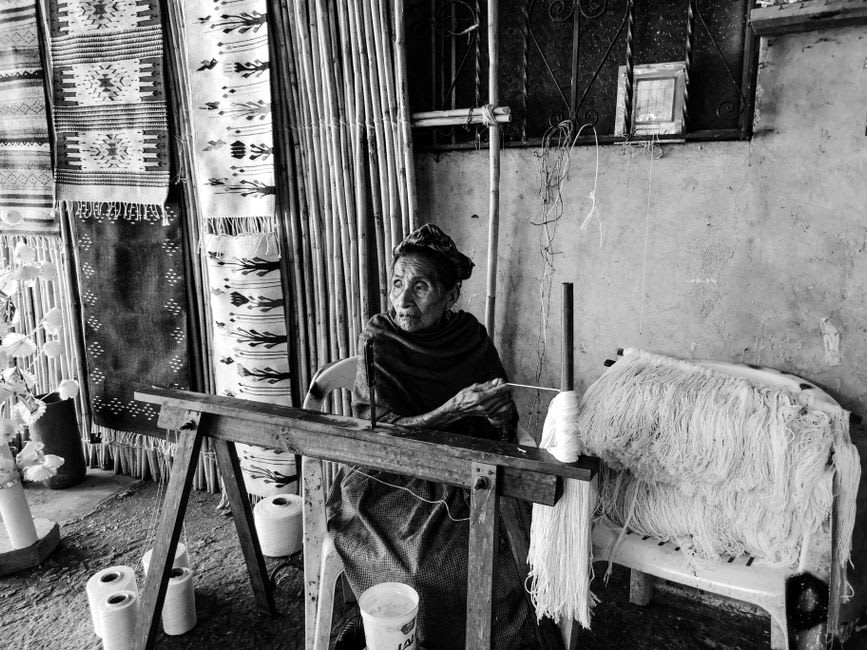
The purple threading through certain huipiles and pozahuancos here — a color somewhere between violet and bruised plum — comes from Plicopurpura pansa, a sea snail about the size of a large thumb that lives in the rock pools along this coast. The tintoreros who practice this tradition don’t harvest the snail; they milk it. They carry raw cotton thread down to the rocks at low tide, coax the snail to secrete, press the thread against it, and walk away leaving the animal alive. The secretion starts colorless — it only turns purple as it oxidizes in the air, which means the dyer spends hours watching what looks like nothing happen. This technique is pre-Columbian and almost nothing about it has changed. There are perhaps a dozen families left who know it properly. What struck me, once I understood the process, was how gentle it is — a form of textile production that leaves no permanent mark on anything except the cloth.
The Market and Its Logic
Pinotepa’s Thursday and Sunday markets draw traders from Mixtec and Amuzgo villages across the region, and the range of goods clarifies immediately that this is not a tourist market. Stalls selling dried grasshoppers sit beside stalls selling spare motorcycle parts. The food section runs along the back: big clay pots of chileajo — pork and dried chiles, thick and dark — memelas topped with black beans and salsa verde, and dried shrimp in quantities that suggest a serious commercial ecosystem with its own rhythms and debts. I ate at a wooden table near the covered section’s center, a plate of enmoladas de camarón seco that cost forty pesos and took twenty minutes to assemble in front of me, which felt like the correct pace for a Thursday. Nobody was in a hurry. The market has its own gravity.
What to Look For
Not everything in Pinotepa’s textile stalls is snail-dyed — much of it is synthetic, and there is no shame in that, but if you want the real thing you will need to ask directly and be prepared for a price that reflects six or more hours of tidal labor per garment. The Mixtec Cooperative on the north side of the market works with documented artisans and is a reasonable place to start. Semana Santa is when the pozahuanco tradition is most visible: women wear them to church processions, and the contrast between the handwoven cloth and the colonial church facade is the kind of image that makes you feel you wandered into something you weren’t meant to see. If you come outside of Holy Week, look for the garment anyway — the women who still wear it daily are easy to recognize.
Getting There
From Puerto Escondido, Pinotepa Nacional is roughly 150 kilometers west on Highway 200 — about two and a half hours by car or collective. OCC and Estrella Blanca run buses from the Puerto Escondido terminal. The Thursday and Sunday markets are worth timing your visit around; weekday afternoons the center quiets enough that the market seems like a rumor.