Yagul
"The cactus was growing through the walls. The walls didn't seem to mind. Neither did the cactus."
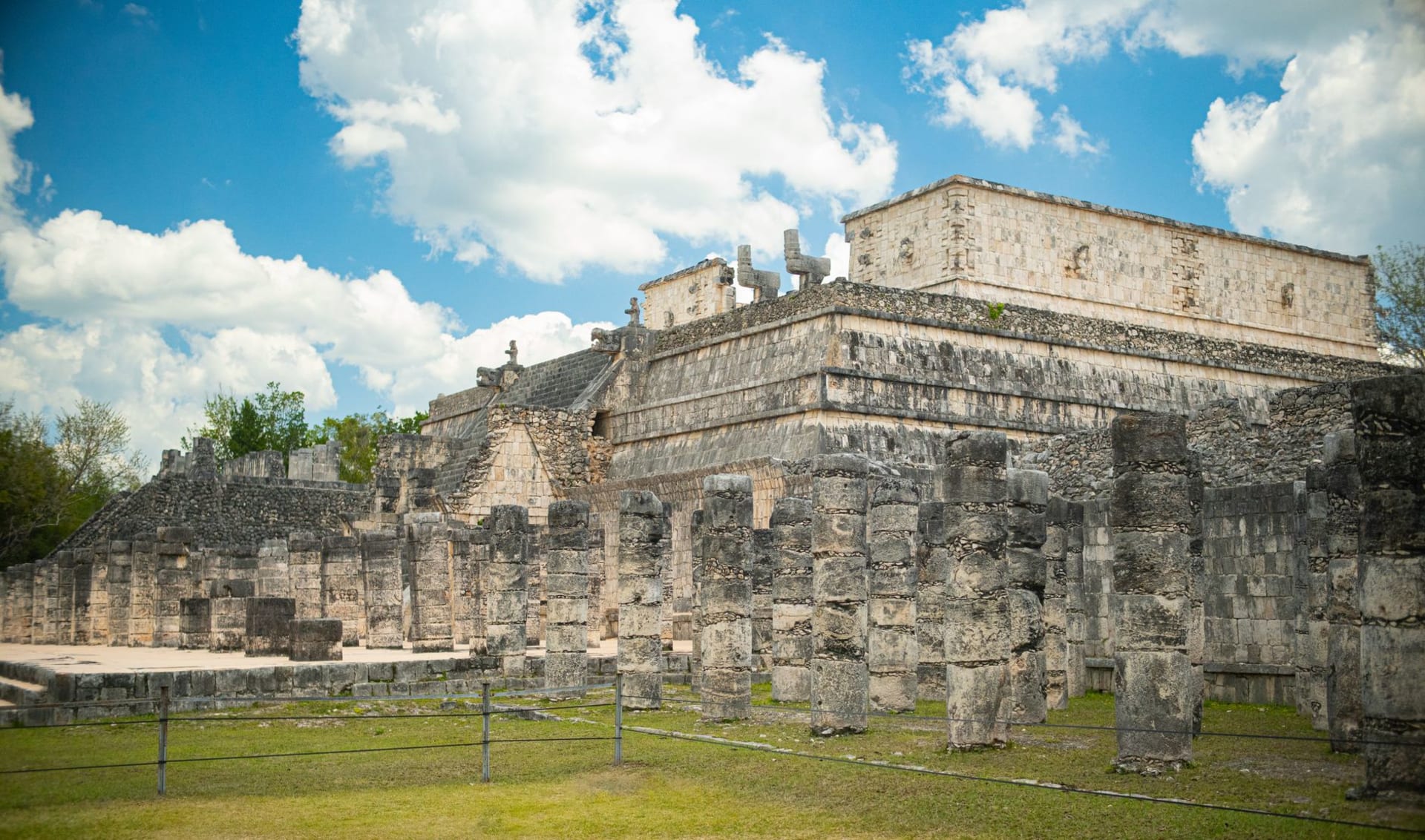
The correct time to visit Yagul is the late afternoon, and arriving at any other time is a tactical error I made on my first attempt and corrected on my second. The first time, I came at eleven in the morning, the light was overhead and harsh, and the pale limestone of the ruins was bleached and flat. The second time I arrived at four and stayed until the site closed at five, and the Tlacolula Valley did the thing I had heard it does: it turned gold, the shadows lengthened across the ballcourt, the cactus on the hillside went from grey-green to something richer, and I understood in a way that doesn’t come from reading why people built on this hill and nowhere else.
The site occupies a rocky promontory above the valley floor at about 1,700 meters. The Tlacolula Valley — the eastern arm of the Oaxacan central valleys, the one that leads toward the ruins of Mitla and eventually to the Isthmus — is visible in full from the upper sections of the site. Mezcal agave carpets the valley slopes in alternating rows. The villages of the valley are visible as clusters of terracotta roofs. The scale of what you’re looking at is the same scale the people who built Yagul were looking at, and that continuity between their perspective and yours is part of what makes the site remarkable.
The Ballcourt and the Palace Compounds
Yagul was occupied from approximately 500 BCE through 1200 CE, transitioning from Zapotec to Mixtec influence over that period. The population at its height may have been several thousand. What remains is a complex of palace compounds, plazas, and ritual spaces arranged across the hillside in the distinctive Oaxacan architectural vocabulary: geometric patterned facades, sunken plazas, the strong horizontals that define the Zapotec building tradition.
The ballcourt is the first thing most people seek out, and it justifies the reputation. It is the largest pre-Columbian ballcourt known in Oaxaca, substantially bigger than the one at Monte Albán, and it survives in a condition that lets you read the space clearly — the two parallel walls, the playing alley between them, the end zones. The Mesoamerican ballgame remains imperfectly understood: the degree to which the losing (or winning, in some interpretations) team was sacrificed is disputed, the rules have been reconstructed but never definitively confirmed, the ritual significance varied by culture and period. What is not disputed is the scale of investment these courts represent. This one took resources and labor that could have gone elsewhere, and the community chose to build it here, at this size.
The Ciudadela and the Cactus
The Ciudadela — the hilltop fortress at the top of the site — requires a climb. The path goes up from the main compound through dry scrub and cactus for about twenty minutes, gaining perhaps 80 meters of elevation. In the afternoon heat this is mild exercise. In the morning heat I suspect it would be less mild.
The fortress at the top is a labyrinthine arrangement of defensive walls and small rooms built to take advantage of the rocky terrain. It may have served as a refuge during conflict, a storage facility, or a ritual space on the summit — possibly all three at different times. The views from up here are the best at the site: the full panorama of the Tlacolula Valley in one direction, the mountain slopes rising toward the Sierra Juárez in another, the site itself spread below you so you can read its layout in the way you can’t from inside it.
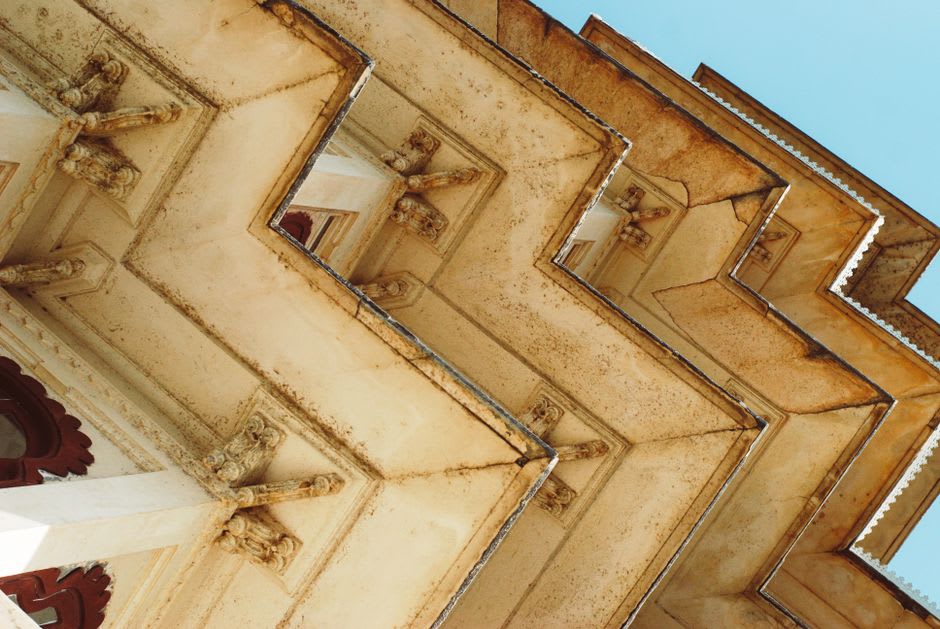
The cactus is everywhere on this hill. Organ pipe cactus — called pitayo in Oaxaca — grows from the rock faces and from the ruined walls themselves, its multiple vertical columns reaching three and four meters. Prickly pear spreads in dense mats over the stone. Agave rosettes anchor themselves in the crevices between building stones, their roots working slowly into the gaps. The ruins are not separate from the vegetation; the vegetation has grown into the ruins and the ruins have become part of the hillside ecology in a way that Monte Albán, which is cleared and maintained, does not permit. I found Yagul more alive for it.

Getting There
Yagul is 36 kilometers east of Oaxaca City on Federal Highway 190, the road toward Mitla and the Isthmus. Colectivos from the second-class bus terminal in Oaxaca run along this route and pass the Yagul access road; ask the driver to stop at the Yagul junction. From there it’s about a one-kilometer walk to the site entrance. By car the journey is about 40 minutes from the city center. The site is open daily; arrive by four in the afternoon for the best light. Combine with Mitla — about 20 kilometers further east — for a full day in the Tlacolula Valley. Bring water; the site has none, and the Ciudadela climb is real exercise.