Ejutla de Crespo
"A market day in Ejutla is the antidote to every overly-curated Oaxacan travel experience."
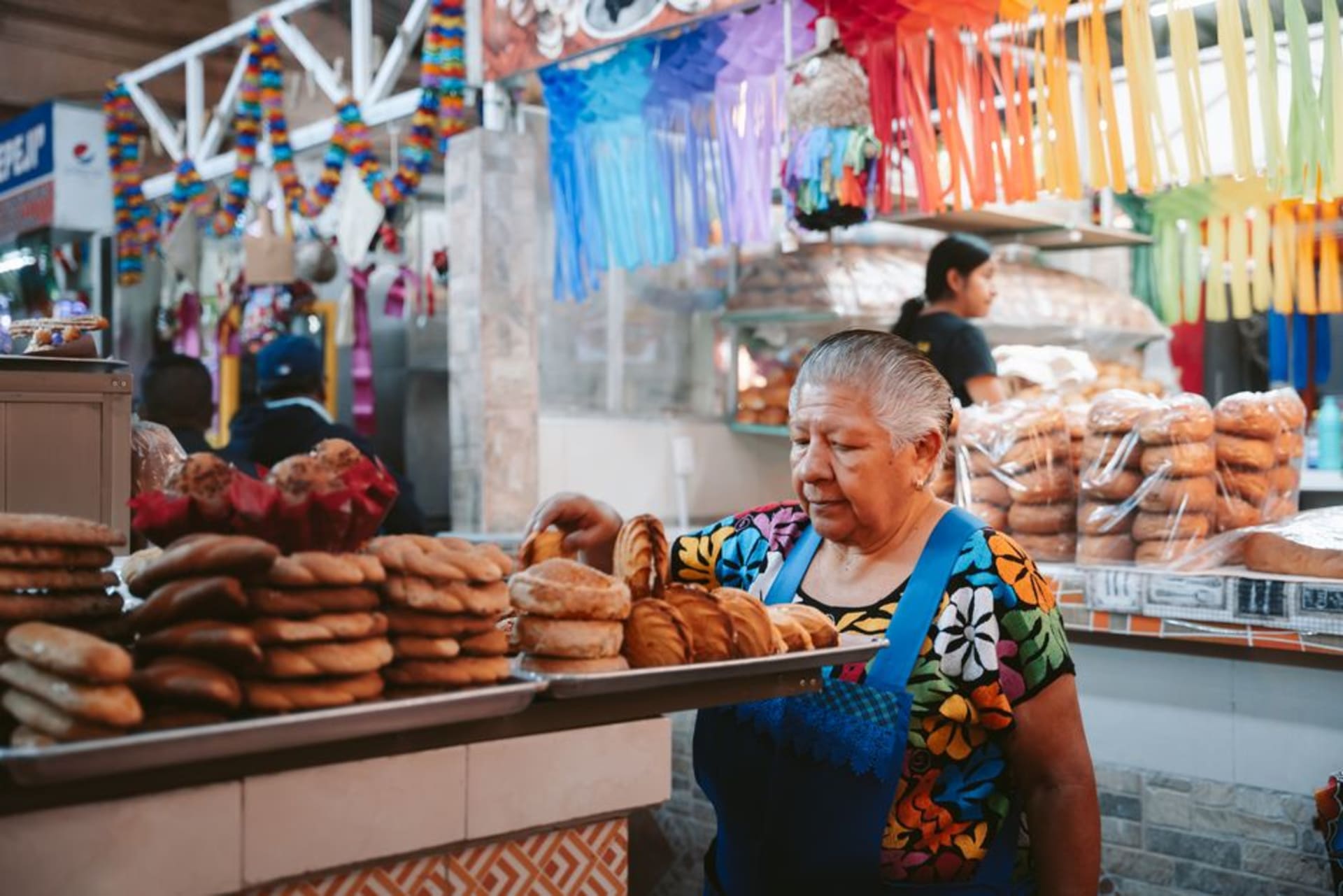
I pulled into Ejutla on a Friday morning on something that might generously be called a schedule — the colectivo from Miahuatlán had stopped three times for passengers on the highway shoulder, and I arrived closer to nine than the eight I had planned. It didn’t matter. The market had been running since before dawn and would keep going past noon, expanding from the covered mercado into the surrounding streets in that organic way Oaxacan tianguis have of claiming all available pavement. I felt slightly guilty arriving with a camera. Nobody here was performing for tourists. They were simply trading.
The Friday Tianguis
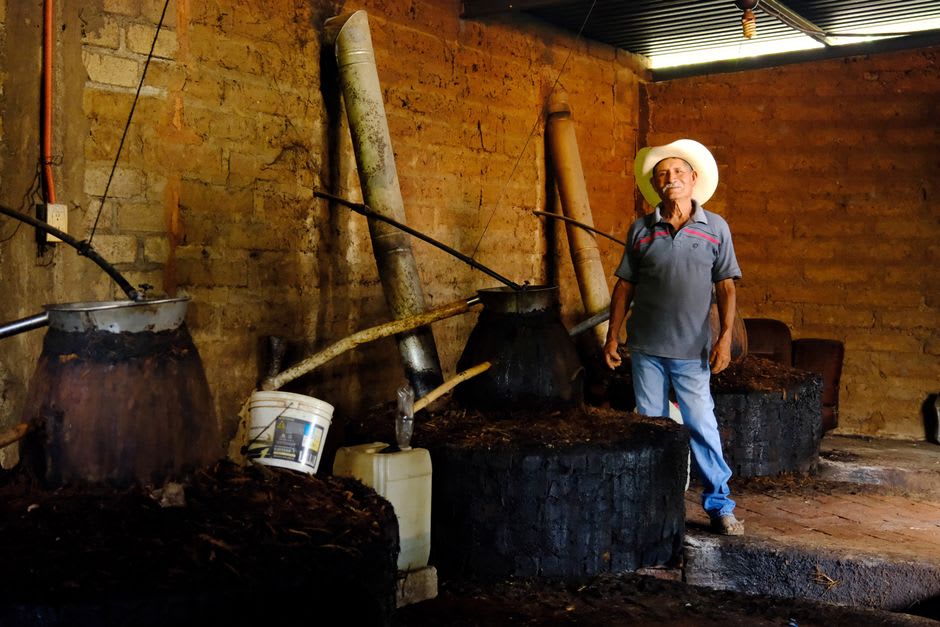
The thing nobody explains about Ejutla’s market is its verticality of purpose. In Tlacolula or Etla, there is always a visible layer of stalls aimed at visitors — embroidered blouses priced for Oaxaca City boutiques, mezcal labeled for export. In Ejutla, that layer essentially doesn’t exist. I walked the full circuit of the covered section — produce vendors with cascading red chiles, butchers operating with focused efficiency, a woman selling medicinal herbs from a blanket — before I found anything that might theoretically interest a non-local. He was an elderly man selling mezcal from an unmarked plastic jug. Thirty pesos for a cup. He handed it to me without ceremony, watched me drink, and turned back to a conversation with a Zapotec woman who had apparently been mid-sentence when I interrupted. The mezcal was extraordinary — espadín, probably, but with a smoke that didn’t show off. It just existed, the way a fireplace does.
What You Eat Here
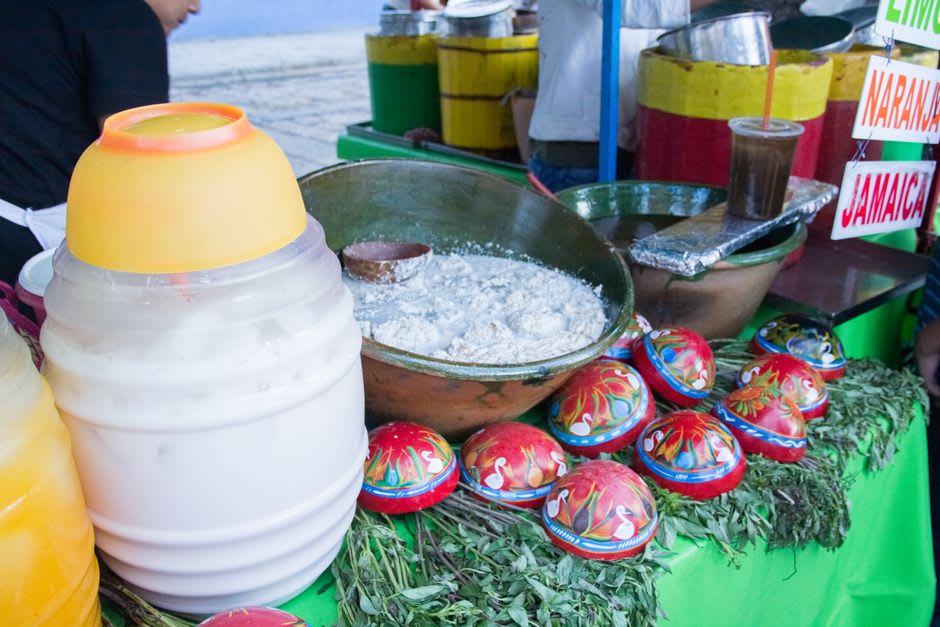
Lunch in Ejutla happens early and without negotiation. By eleven, the comidas corridas along Calle Morelos have their menus chalked outside — consomé, tasajo, enfrijoladas. I sat at a plastic table covered with a floral oilcloth and ordered a bowl of caldo de res that arrived with a stack of tortillas made from maíz amarillo, slightly thicker than what you find in Oaxaca City, with more presence in your hand. The cook brought a jar of salsa negra without being asked — the charred chile kind, with seeds still in it. I ate slowly, and the table filled and emptied around me twice before I asked for the bill. The comida cost eighty pesos. There was no menu in English. The tortillas were made by the woman’s mother in the back, who came out to collect her basket just as I was leaving and did not look at me at all.
The Town Underneath the Market
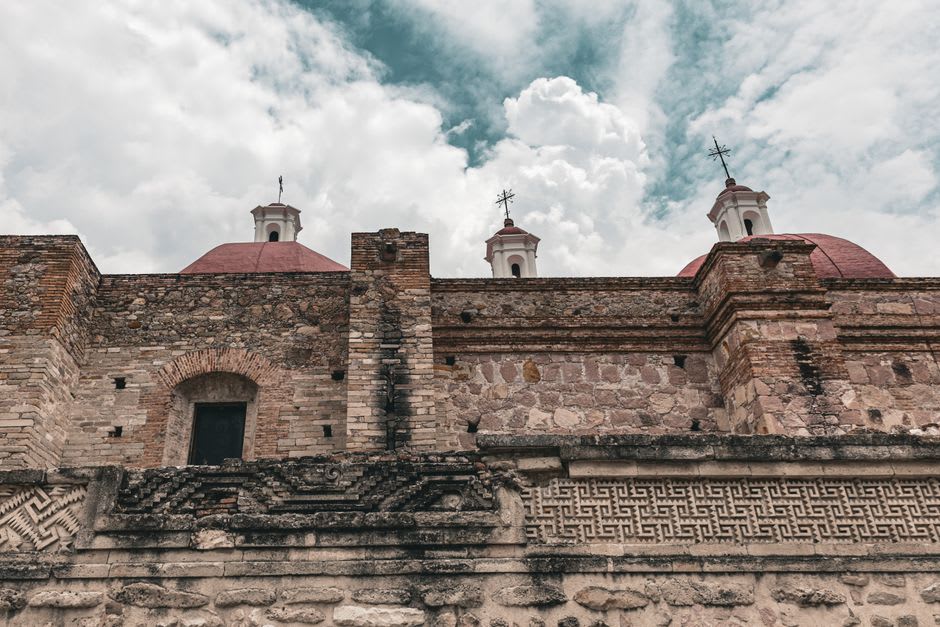
The zócalo of Ejutla is handsome and unhurried in the way that Oaxacan plazas often are on days that aren’t market day — though on Fridays, it too gets colonized by vendors selling plastic goods and live chickens in crates. The Parroquia de Santiago Apóstol on the north side is sixteenth-century in its bones, whitewashed and sun-faded, worth five minutes of quiet before the market pulls you back. The streets that slope upward from the main square lead quickly to residential Ejutla — concrete-block houses, dogs in doorways, the faint smell of wood smoke — and it becomes clear very fast that this is a town that doesn’t need to explain itself to you.
Getting There
Ejutla de Crespo sits roughly 70 kilometers south of Oaxaca City on Highway 175. Colectivos toward Miahuatlán leave from the second-class bus station in Oaxaca and stop in Ejutla — allow about ninety minutes. From Puerto Escondido, any Oaxaca-bound colectivo or bus will drop you there on request. Come on a Friday; any other day and you are just passing through a quiet town.