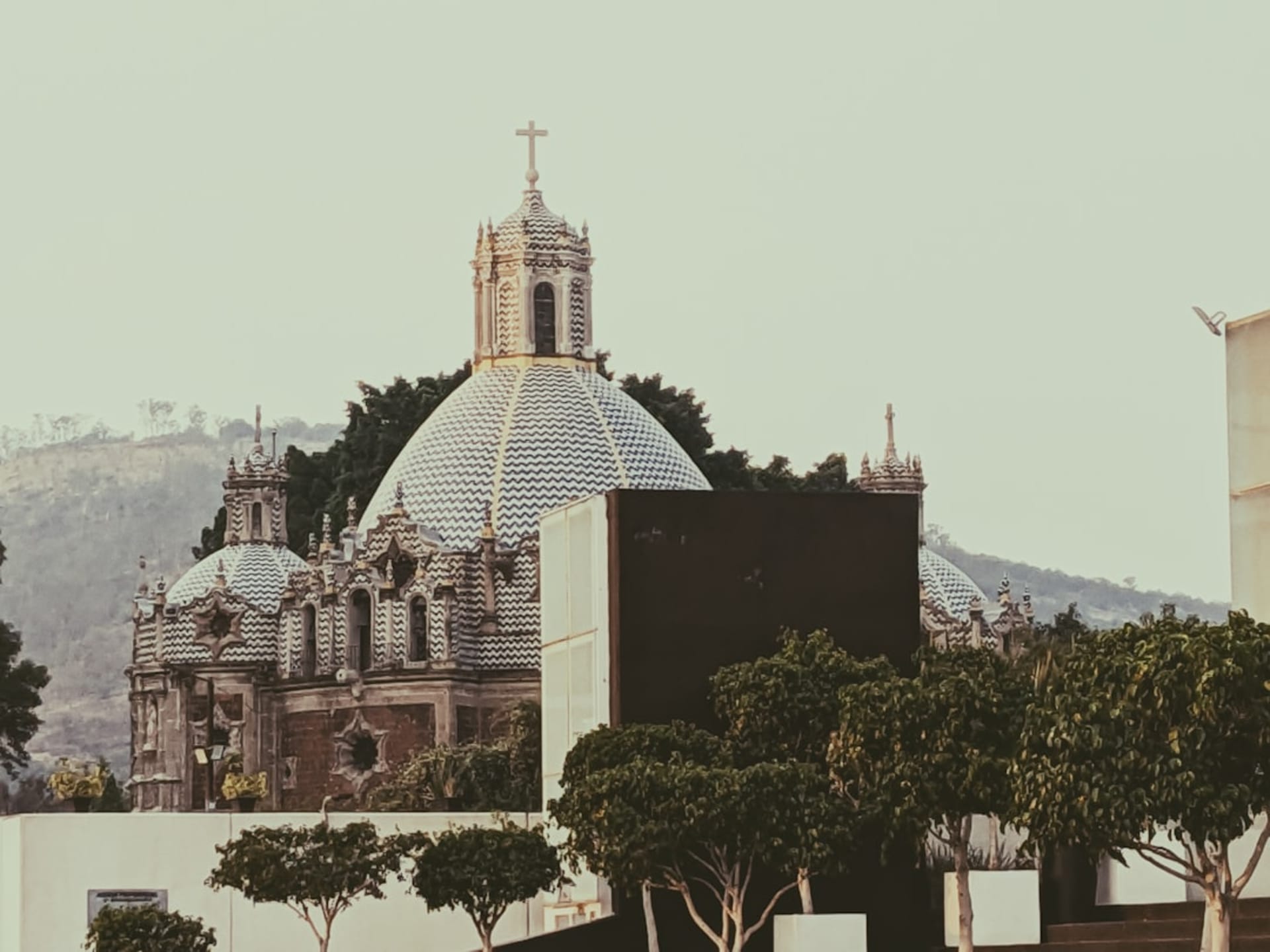
Santa Catarina Juquila
"I have never felt faith as a physical weather system until Juquila. It hangs in the fog."
I came up from the coast on a whim, following pilgrims. There were people walking the highway shoulder in the rain, whole families, some carrying children, some carrying small framed images wrapped in plastic. I had heard the name Juquila for two years without understanding it, and somewhere on that climbing road into the cloud I realized I was driving toward one of the most important religious sites in Mexico, and I hadn’t even meant to.
The Road of the Pilgrims
The road to Juquila climbs hard out of the Costa Chica into the Sierra Sur, and by the time you reach the town proper you are wrapped in cloud most afternoons. What struck me first was that I was not alone on that road. People walk it. They walk for days, some from Oaxaca city over the mountains, some from villages I couldn’t find on a map, and the closer you get the more of them there are, moving in a slow determined current toward the same small church.
I pulled over once to let a group pass and an older man tipped his hat at me. His shoes were destroyed. He had the calm, emptied face of someone near the end of a very long thing. I have driven a lot of Mexican mountain roads and I have rarely felt the purpose of a place announce itself so clearly before I’d even parked.
The Little Virgin and the Candle Smoke
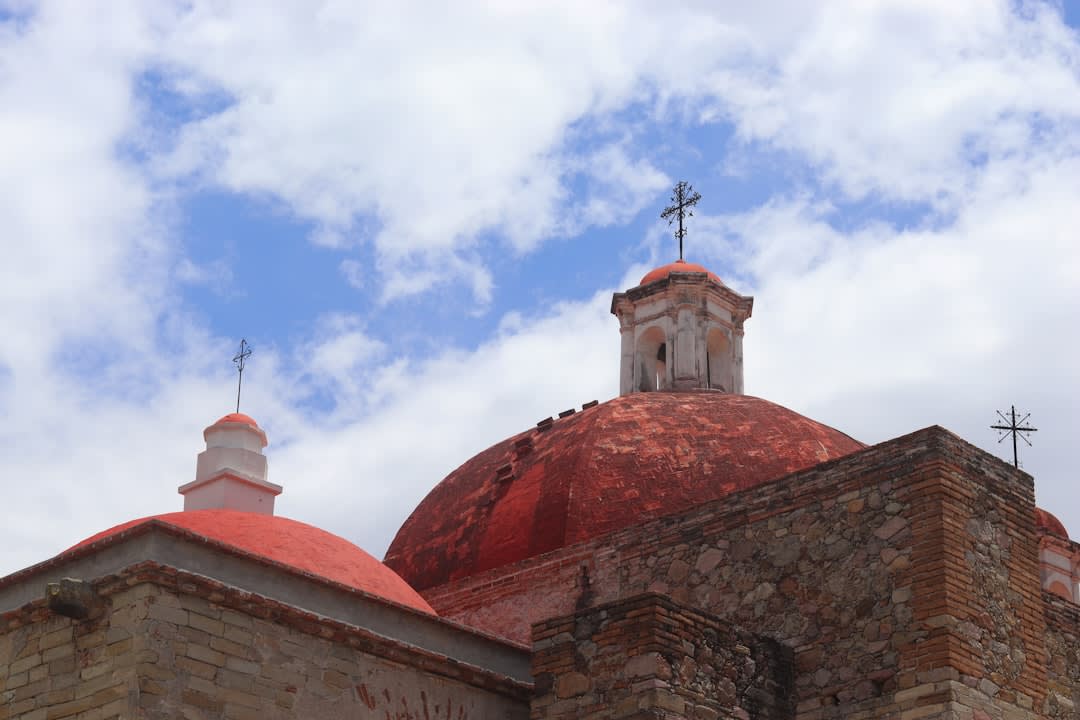
The Virgin of Juquila is tiny — barely more than thirty centimeters — a small dark figure with an enormous gravitational pull. The sanctuary that holds her is not grand the way the great cathedrals are grand; it earns its power from the sheer density of devotion pressed into it. When I went in, the air was thick with candle smoke and the murmur of people who had walked a very long way to stand there for two minutes.
Around the church the town is all candle shops and stalls selling milagros, printed images, ribbons, retablos of thanks. I bought a candle because it felt wrong not to, and stood in a corner watching a woman kneel her way up the aisle. I am not a religious man. I grew up nominally Catholic in France and left it behind without much thought. But there is a difference between belief and witnessing belief, and Juquila gave me the second thing in a way I still think about.
The Town in the Fog
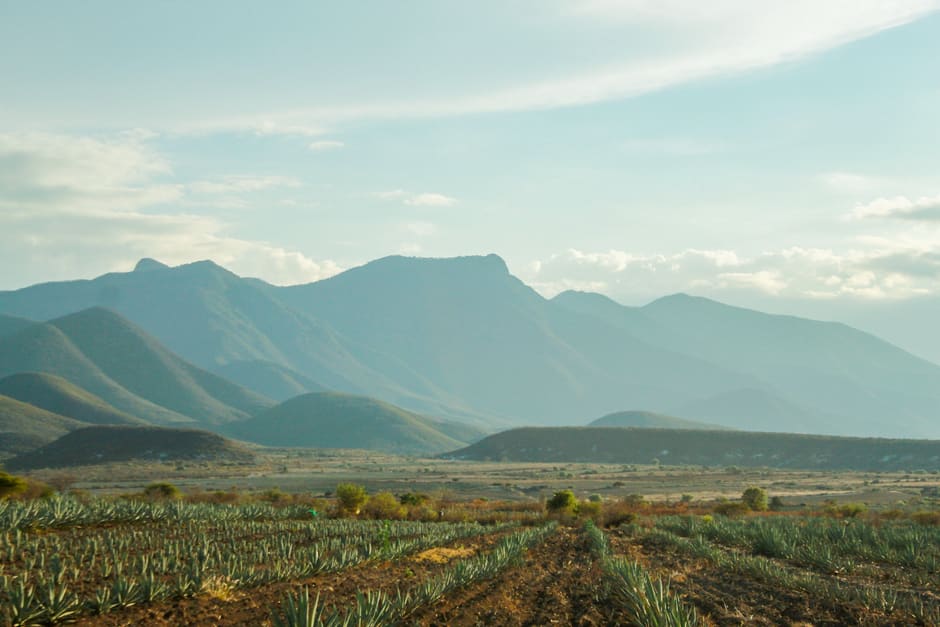
Away from the sanctuary, Juquila is a working mountain town that happens to receive millions of visitors. Steep streets, tin roofs beaded with mist, the smell of woodsmoke and frying. I ate a plate of caldo and handmade tortillas at a comedor where the owner asked, gently, whether I had “come to visit her” — meaning the Virgin — and seemed to accept my honest “not exactly” without judgment.
By late afternoon the cloud comes down hard and the whole town softens into grey. I walked the upper streets as the light went, past pilgrims resting on stoops, past a boy selling elotes under a plastic sheet, and understood that this is a place built entirely around one act of arrival, repeated endlessly. It is humble, intense, and far from the postcard Oaxaca of the coast highway. I liked it enormously for exactly that reason.
Getting There
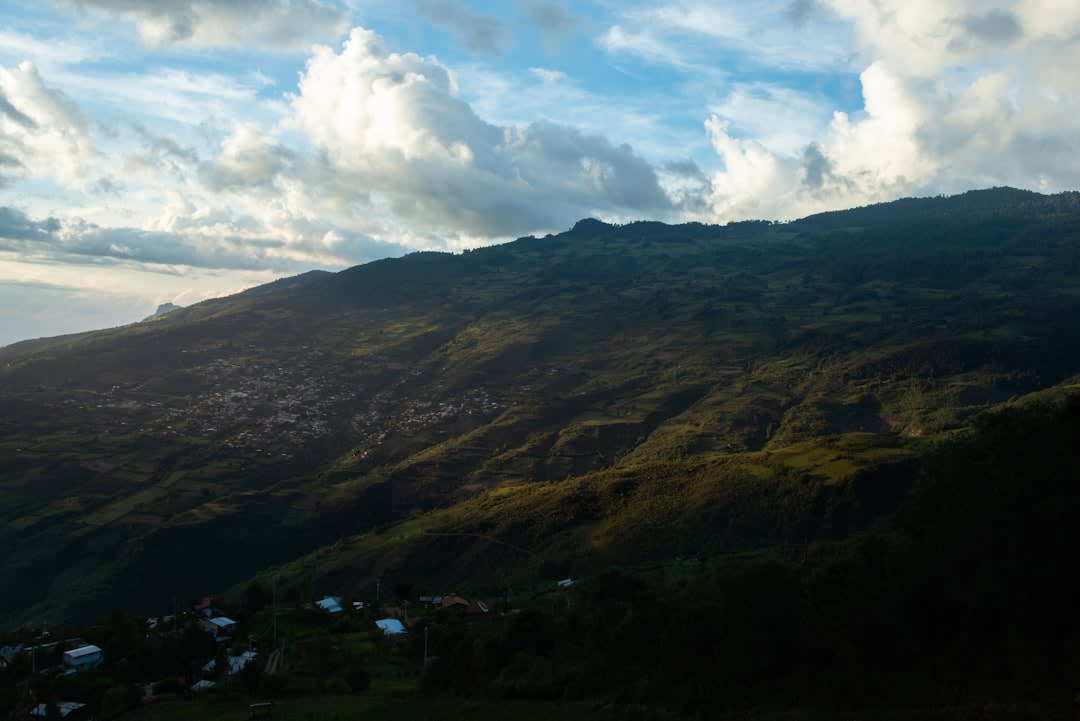
Juquila sits high in the Sierra Sur, roughly a two-and-a-half to three-hour drive up from the Costa Chica coast near Puerto Escondido, or a long winding six to seven hours from Oaxaca city over the mountains. The roads are paved but serpentine and often foggy; drive them in daylight and take the curves seriously. Buses and shared vans (camionetas) run from Oaxaca and from the coast, and during the big pilgrimage periods around December they run constantly. Go slow, expect mist, and if you can, arrive on foot for the last stretch — everyone else did.