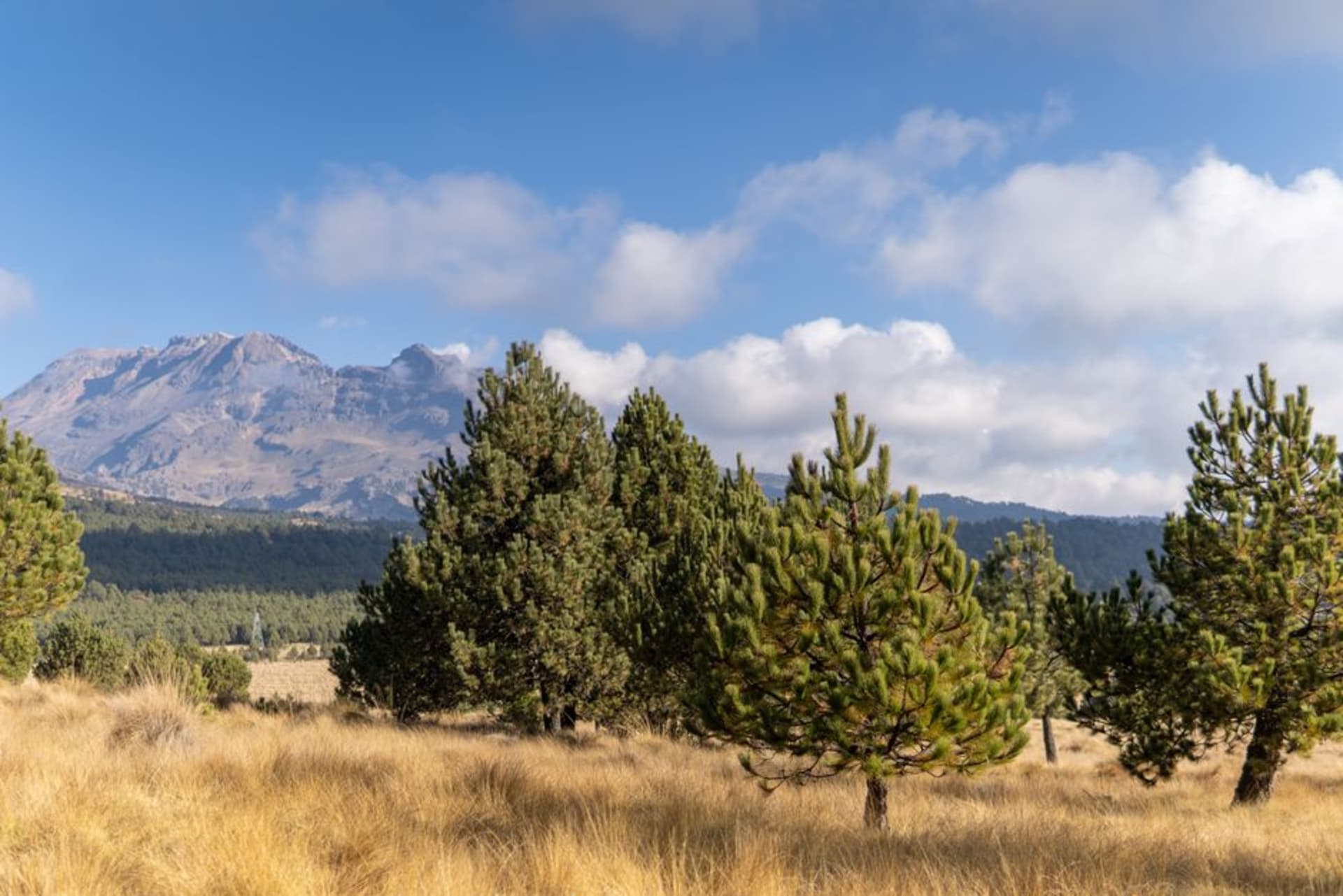
Ixtlán de Juárez
"The forest here isn't protected from the community. It's protected by it. That changes everything you feel walking in it."
I drove up out of Oaxaca city into the Sierra Juárez on a road that does not stop climbing, switchback after switchback, the warm valley falling away and the air turning cool and then cold and then wet with cloud. Ixtlán de Juárez appeared out of the mist at the top of it, a Zapotec town of tin roofs and pine smoke pinned to a mountainside, and I got out into air that smelled of resin and rain and felt, after the dry valley, like stepping into another country. I had come for the forest. I stayed for the particular pride of a place that owns what it protects.
A Forest the Town Runs Itself
The thing that makes Ixtlán different from any other trailhead I’ve walked isn’t the scenery, remarkable as it is — it’s the ownership. The forest here is communally managed, run by the Zapotec community through its own assembly, and the ecotourism operation, the cabins, the guides, the trails, all of it belongs to the town and funds the town. I booked a cabin through the community office and was handed to a young guide who had grown up on these slopes and spoke about the trees with the specific, unsentimental care of someone whose family income depends on them still being there in fifty years. It reframes the whole experience. You are not a visitor to a park. You are a guest in someone’s working, guarded home.
Cloud Forest and an Absurd Abundance of Birds
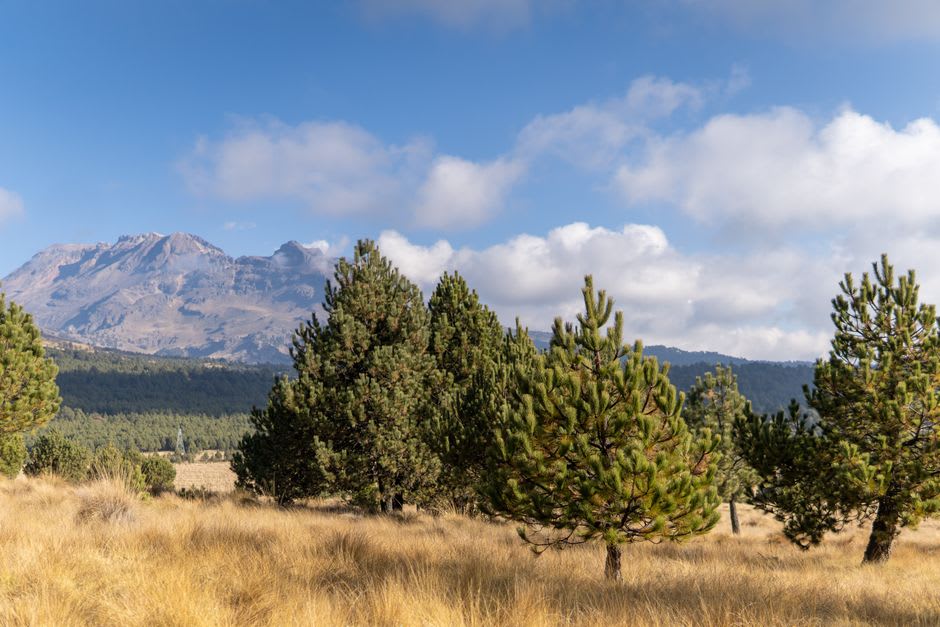
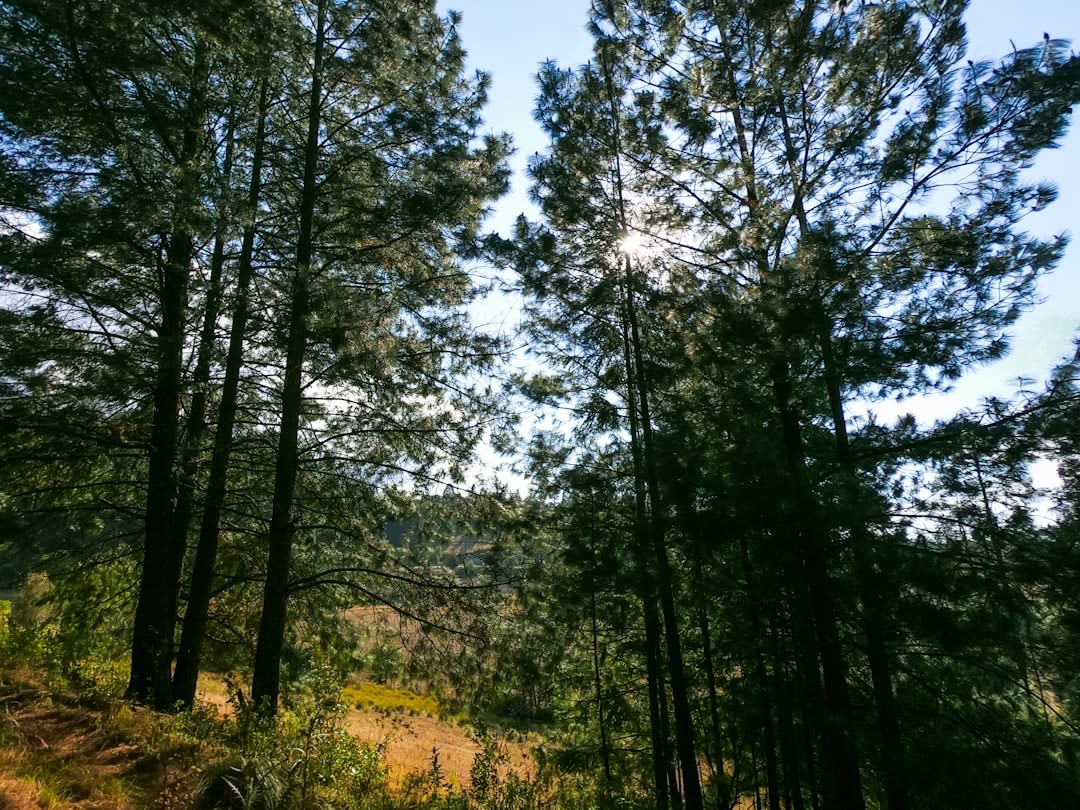
The Sierra Juárez is one of the most biodiverse stretches of forest in Mexico, and walking it you feel the abundance before you can name it. My guide took me out at first light along a ridge trail where the cloud forest, all moss and bromeliads and dripping oak, gave way higher up to clean stands of pine. He kept stopping mid-sentence to point — a flash of color, a call I couldn’t place — reeling off names of birds this range is famous among birdwatchers for holding. I am no lister, but even I understood I was somewhere unusually alive. The mist moved through the canopy in slow banks, revealing and hiding the valley below, and the whole forest ticked and rustled and sang around us. I have rarely felt so thoroughly outnumbered by other living things.
The Town, the Church, and the Name
Ixtlán carries Benito Juárez’s name because this corner of the sierra is his country — the reforming president came from these Zapotec mountains, and the town wears the connection with quiet pride. The centerpiece of the town itself is its church, a heavy old stone building whose baroque facade feels startlingly grand for so remote a place, evidence that these mountains were never as isolated as the drive suggests. I sat in the plaza in the late afternoon as the cloud came back down over the roofs, ate a bowl of something hot from a market stall, and listened to the town wind down into evening. People nodded, unhurried. There was pine smoke in everything. It was cold enough to want the soup and to feel, briefly and completely, at home.
Getting There
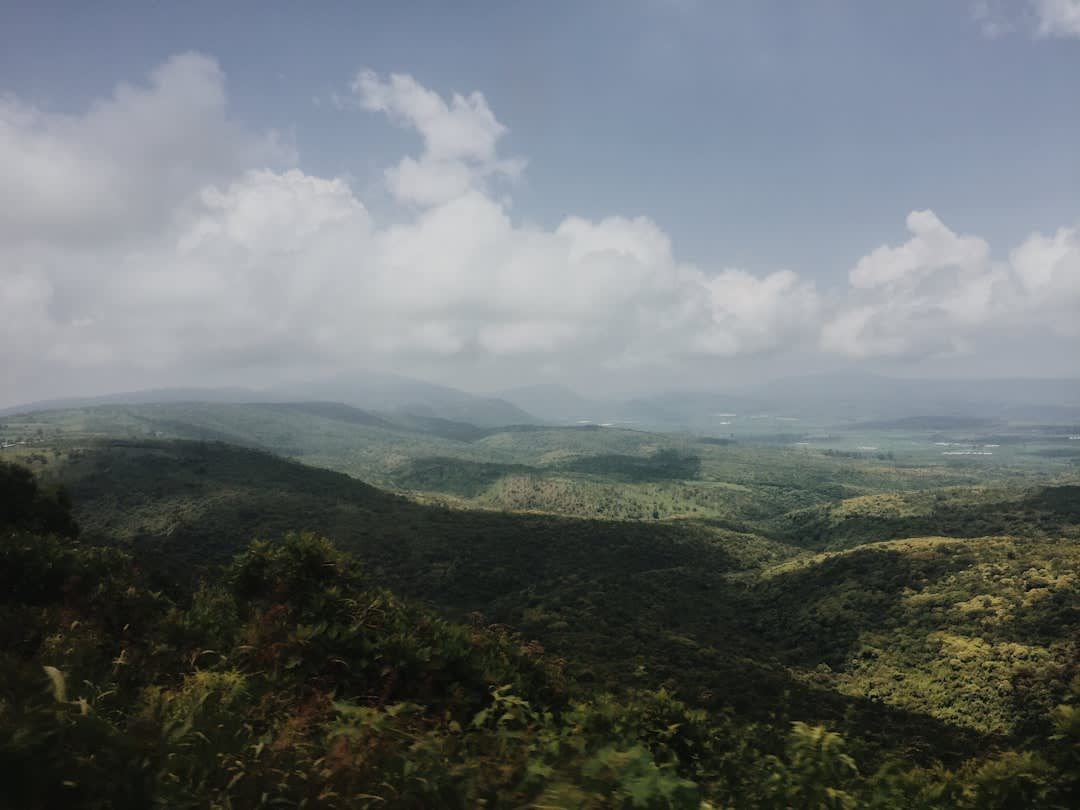
Ixtlán de Juárez sits high in the Sierra Norte, about an hour and a half by mountain road north of Oaxaca city on the highway toward Tuxtepec. Buses and shared vans (colectivos) run up from the city regularly, which makes it one of the more accessible sierra towns; a car adds freedom for the trailheads. Arrange cabins and guides through the community ecotourism office rather than freelancing — the money stays in town, and the guides are worth every peso. Bring warm layers and rain gear whatever the season; up here the cloud is a permanent resident. Give it at least one night. Waking in the forest at this altitude, with the mist in the pines, is the whole reason to come.