Etla
"Etla is the Oaxaca that Oaxaca City is always gesturing toward but does not quite have time to be."
The colectivo drops you on a dirt strip at the edge of town and the smell arrives before you see anything — roasting corn, something fermented, cut grass. I came on a Wednesday in late April, early enough that some of the vendors were still unpacking their tarps, late enough that the cheese women had already made their first sales of the day. Etla had been on my list since my first month in Oaxaca, which means I had been meaning to go for a year and a half. I came for a morning. I did not leave until the afternoon, dusty and considerably lighter in the wallet, which felt right.
Wednesdays at the Mercado
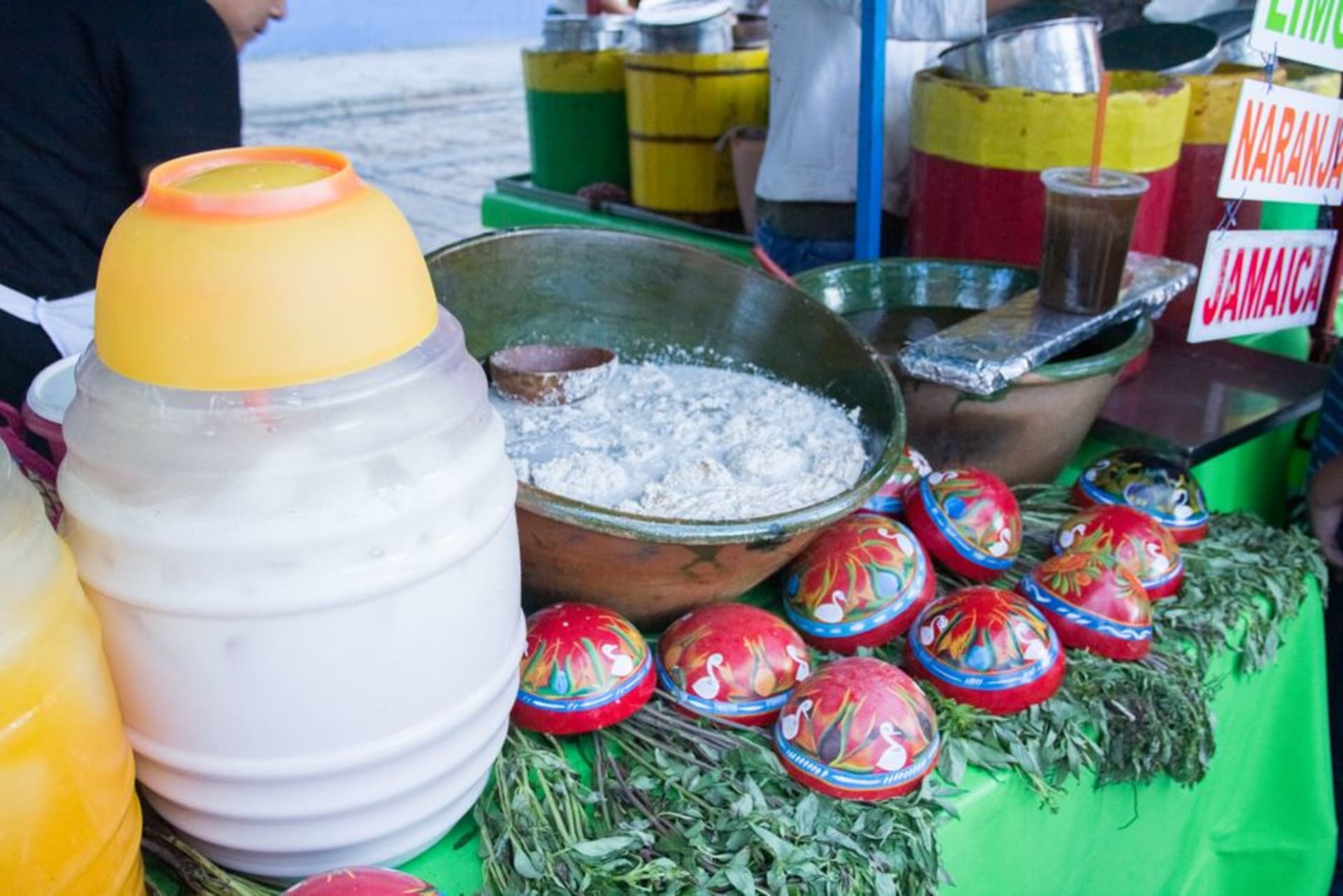
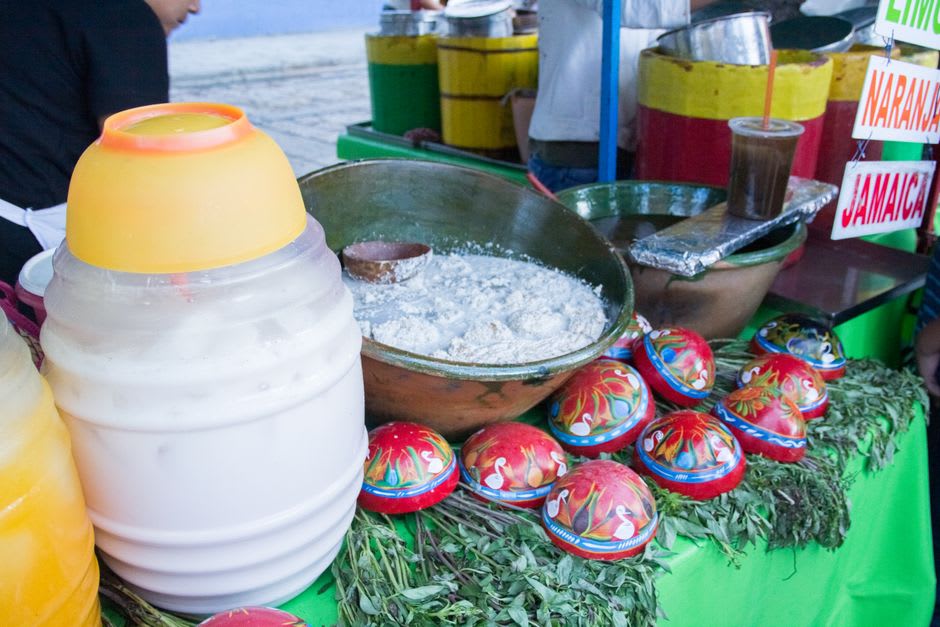
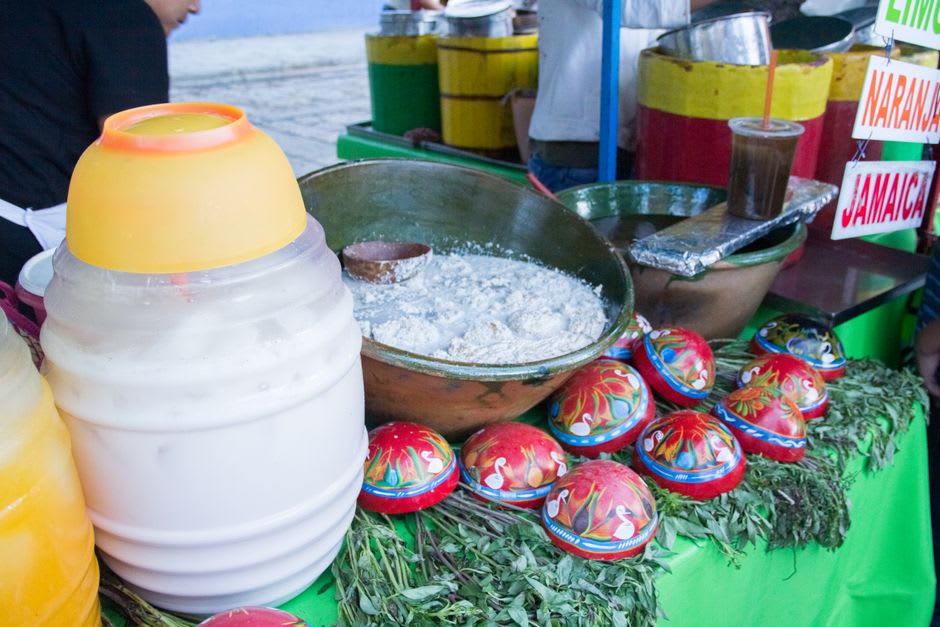
The Mercado de Etla on Wednesdays is not a market for tourists, which is the first thing you notice and the main reason to go. There is no mezcal branded for export, no embroidered bags priced in dollars, no one who speaks English unless they feel like it. What there is: a long corridor of produce women with chepiche and hierba santa in bundles tied with strips of palm, fresh quesillo wound by hand into loose balls and sold by weight, tamales wrapped in banana leaf, and a section in the back where older men sell dried chiles from open burlap sacks with no signage beyond what they will tell you if you ask. I bought a kilo of pasilla negro that I am still working through three months later. The stall that slowed me down most was a woman selling asiento — unrefined pork fat — from a large clay pot, set beside a younger woman with tlayudas the size of hubcaps and a comal going at full heat. I ate standing at the edge of the market the way you should, and I did not take photographs of the food, because sometimes the correct response is just to eat the thing.
The Factory That Became Something Else
Fábrica La Aurora started life as a textile mill — a working one, operational until the mid-twentieth century, when the economics of Mexican cotton stopped making sense. The building was eventually handed over to cultural use, and now the old machinery is gone and what remains are high ceilings, raw concrete, and a series of studios and exhibition spaces that use the industrial bones well without performing too much reverence toward them. I arrived after the market, when my energy for crowds had run out, and spent an hour here looking at a photography exhibition I had not expected — archival prints of rural Oaxacan workers from the 1970s, displayed in a room that used to hold looms. There was a coffee stand in the courtyard and a few students working on something large and unresolved in one of the open studios. Nobody explained anything to me or tried to sell me anything. That combination is rarer than it should be.
Producers Without a Logo
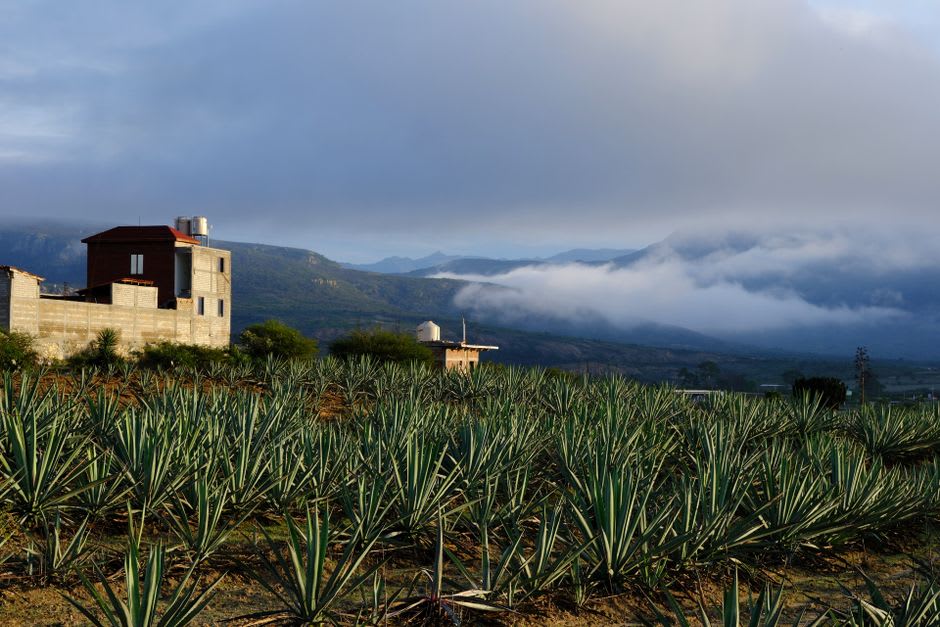
On the road back toward the highway there is a loose cluster of small mezcal operations — the kind that do not have a tasting room in any formal sense, but will pour for you if you stop and look like you mean it. I pulled up to one run by a man whose name I did not catch and whose espadín, double distilled in clay, was the best thing I drank all month. He sold me a liter in a recycled water bottle with a handwritten paper label. A few similar producers are scattered through the valle if you drive rather than take the colectivo. This is a reasonable argument for borrowing a friend’s car, or for making the trip twice.
Getting There
From Oaxaca City, colectivos to Etla leave from the second-class bus terminal on Prolongación de las Casas and take around twenty minutes; the fare is minimal. The Wednesday market is the reason to go on a Wednesday specifically — the covered space exists the rest of the week, but the market does not. If you are driving from Puerto Escondido, Etla sits near the northern end of the Oaxaca valley and works well as a first stop before arriving in the city.