Capulálpam de Méndez
"The forest belongs to the town, and the town knows it. That changes everything about how it feels to walk here."
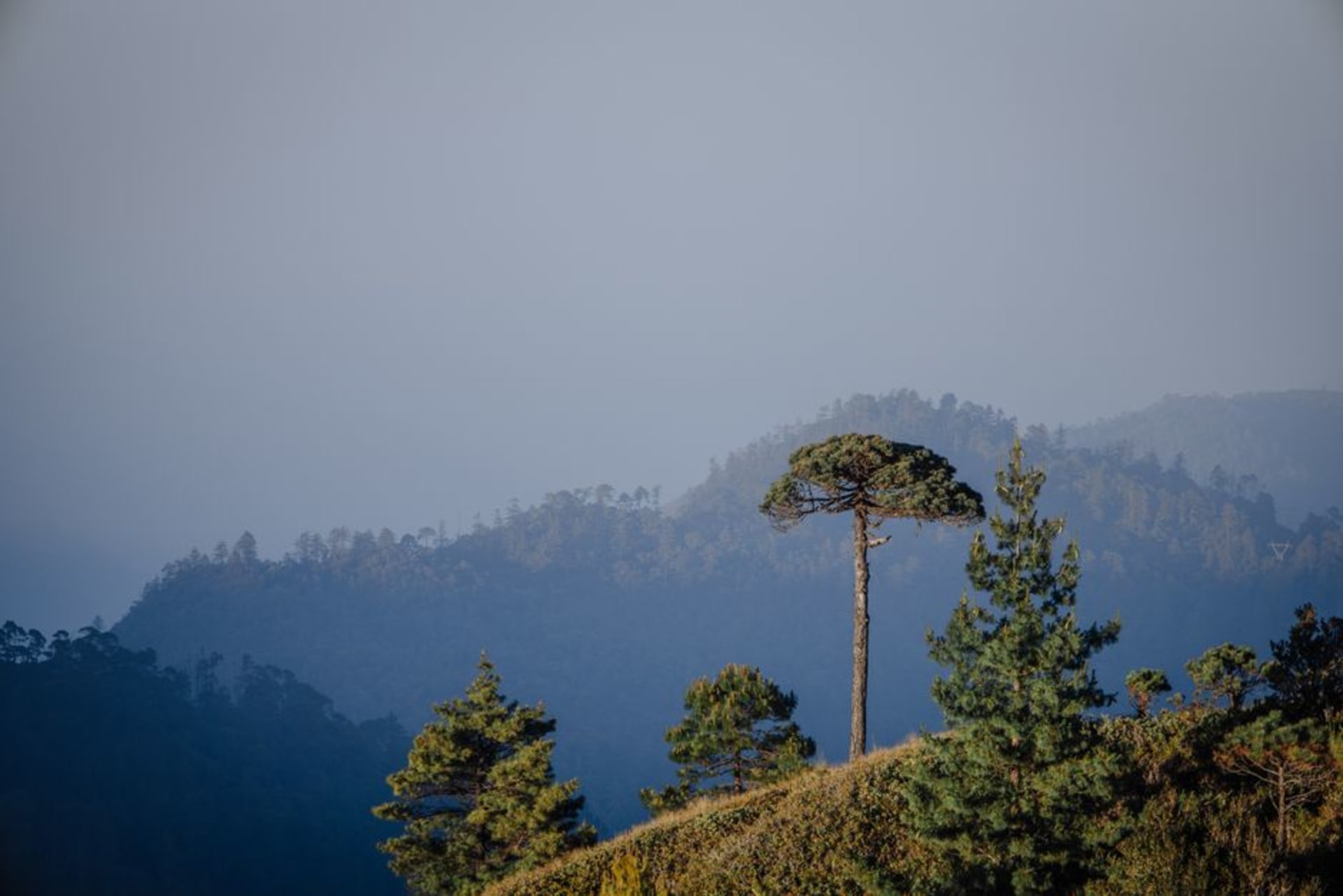
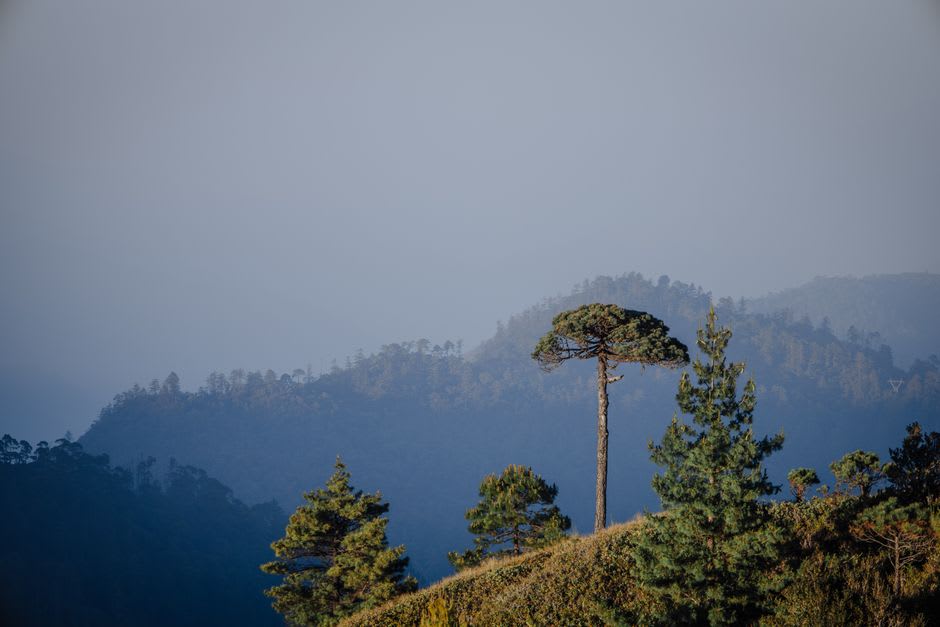
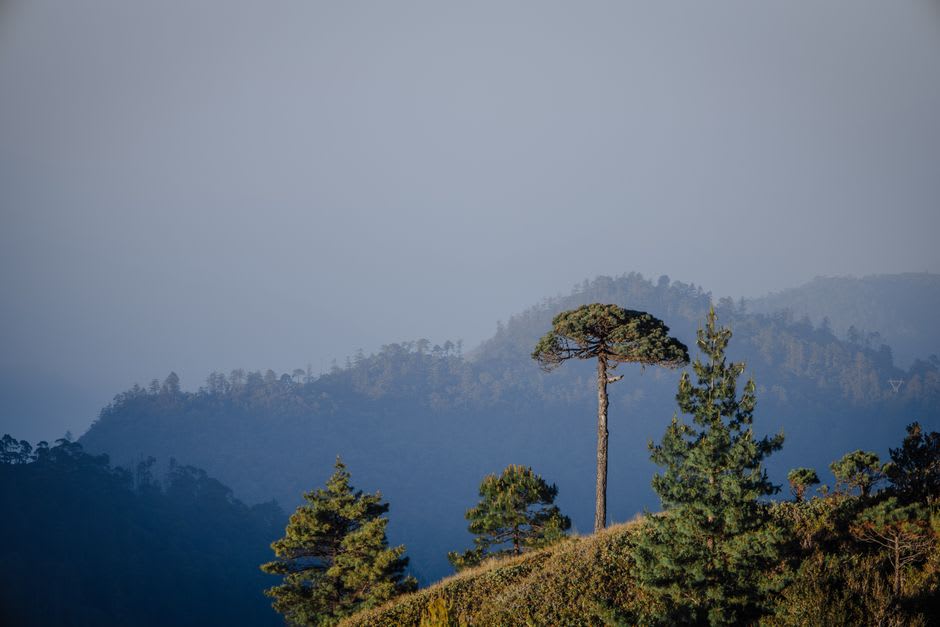
The road up from Oaxaca into the Sierra Juárez is a slow negotiation with the mountain — switchback after switchback, the air cooling, the dry valley scrub giving way to pine and oak and finally to cloud. By the time I reached Capulálpam de Méndez I had my window down and my jacket on, breathing air that smelled of resin and wet earth, and the town appeared out of the mist as a huddle of terracotta roofs among enormous trees.
A Town That Owns Its Forest
What I noticed first, and kept noticing, is that Capulálpam runs itself. This is a Zapotec community that governs by usos y costumbres and manages its own forest, and the ecotourism here — the cabins, the marked trails, the little trout farm fed by mountain water — is community-owned, the proceeds going back into the town. It gives the place a particular texture. The young man who checked me into a wooden cabin also, it turned out, guided the forest walks, and spoke about the trees around us the way you speak about something you are responsible for.
I walked the trails into the pine-oak and cloud forest above town, past mushrooms the size of dinner plates and mosses dripping from branches, the light coming down green and dim. Somewhere below, a stream. The quiet up here is not empty; it is full of birds and dripping water and the sound of wind moving through very tall trees.
The Old Mine and the Wooden Church
Capulálpam was mining country for centuries — gold and silver pulled from the mountain — and you can still walk into one of the old tunnels with a guide, headlamp on, into the cold breath of the mine while they tell you about the men who worked it and what the extraction did, and did not, leave behind. It is an honest bit of history, told by the descendants of the people who lived it.
Back in town, the church holds the other treasure: a colonial temple with a beautiful old wooden ceiling, carved and paneled, the kind of ceiling you crick your neck to study. The plaza outside was nearly empty when I sat there, just a few kids and an old woman selling tejate, the whole scene wrapped in drifting mist.
Herbs, Steam, and the Healing House
The thing I did not expect to remember most was the medicine. Capulálpam has a real, living tradition of traditional Zapotec herbal healing, and a community center where curanderas work with plants gathered from the surrounding forest. I went, more curious than ailing, and lay in a temazcal — the low domed steam bath — while a woman brushed me with bundles of aromatic herbs and the heat pressed the mountain cold out of my bones.
I came out lightheaded and clean and absurdly relaxed, wrapped in a blanket, and sat on a bench watching the fog move through the pines. Whatever you want to call what happened in there, the forest that grew those herbs was the same forest I had walked that morning, and it all felt of a piece.
Getting There
Capulálpam is about 70 kilometers north of Oaxaca city in the Sierra Juárez, roughly a two-hour drive up Highway 175 toward Ixtlán de Juárez, then a short branch road. Colectivos and buses run from Oaxaca to Ixtlán, from where it is a quick taxi or shared ride to Capulálpam. Bring warm clothes — it is genuinely cold and wet up here — and give the town a night or two. This is a place that rewards the slow traveler, not the day-tripper.