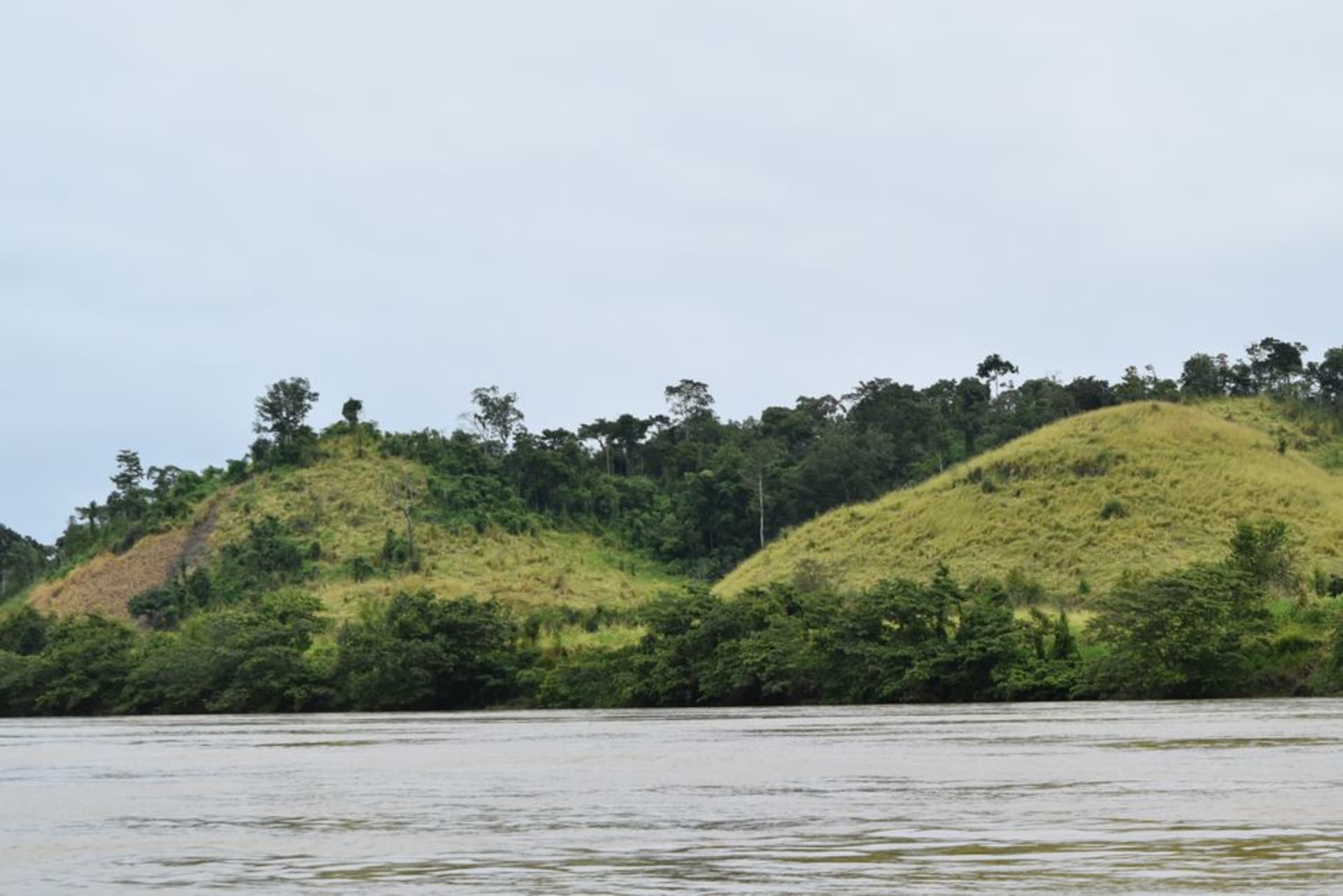
San Juan Bautista Tuxtepec
"Tuxtepec is the kind of city that proves there is always another Mexico hiding behind the one you think you know."
The road from Oaxaca City dissolves into the Sierra Mazatec before the mountain range releases you — several hours and several climate zones later — into a version of the state that has very little to do with the one tourists are sold. I arrived in Tuxtepec on a Tuesday afternoon, when the humidity had opinions. The Papaloapan River appeared before the city did: wide, brown, moving with the unhurried confidence of something that has always been in charge here. I stepped out of the bus into air that was thick and warm and smelled like vegetation and river silt, and I understood immediately that I had arrived somewhere that runs on its own logic entirely.
The River and the Pace It Sets
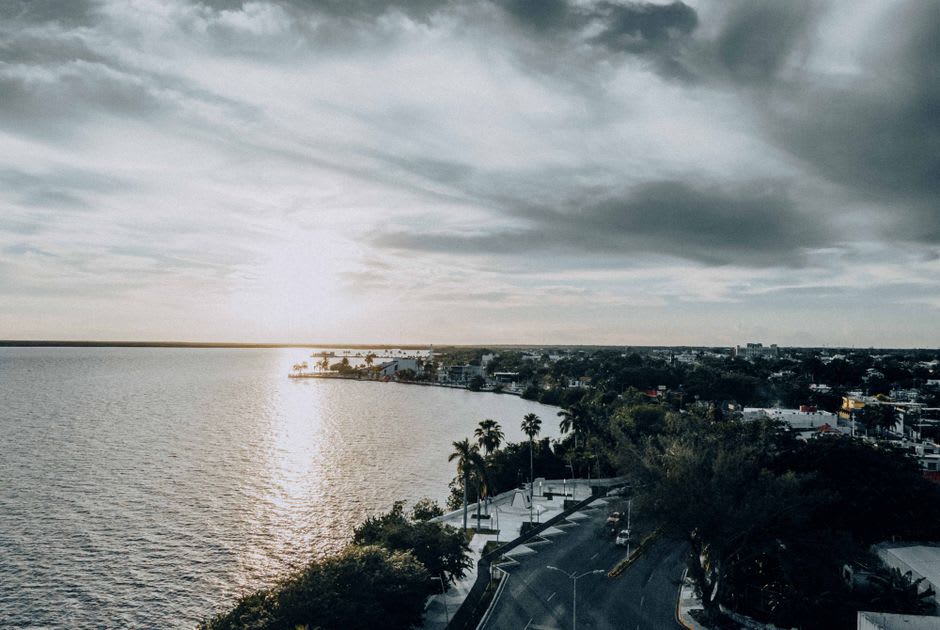
The malecon runs along the Papaloapan’s edge with the easy composure of a city that has lived beside moving water long enough to stop performing about it. In the late afternoon, when the heat begins to negotiate, families take their positions on the benches in slow rotation. Vendors push carts loaded with mamey, pitahaya, and those papayas — the ones you eat standing up over a trash can because waiting for a plate would be a waste of everyone’s time. A papaya in Tuxtepec tastes the way the fruit is described in books but rarely delivers in practice: dense, perfumed, almost too sweet to be honest about.
The malecon is also where the city’s Mazatec identity surfaces in ways the streets don’t always announce. Embroidered huipiles appear beside jeans without any particular sense of contrast. A radio from inside a tienda switches between Spanish and Mazatec without ceremony. Lanchas cross to the far bank carrying passengers who do not look up. The river moves. After thirty minutes on a bench watching it, I stopped having any strong feelings about my agenda for the day.
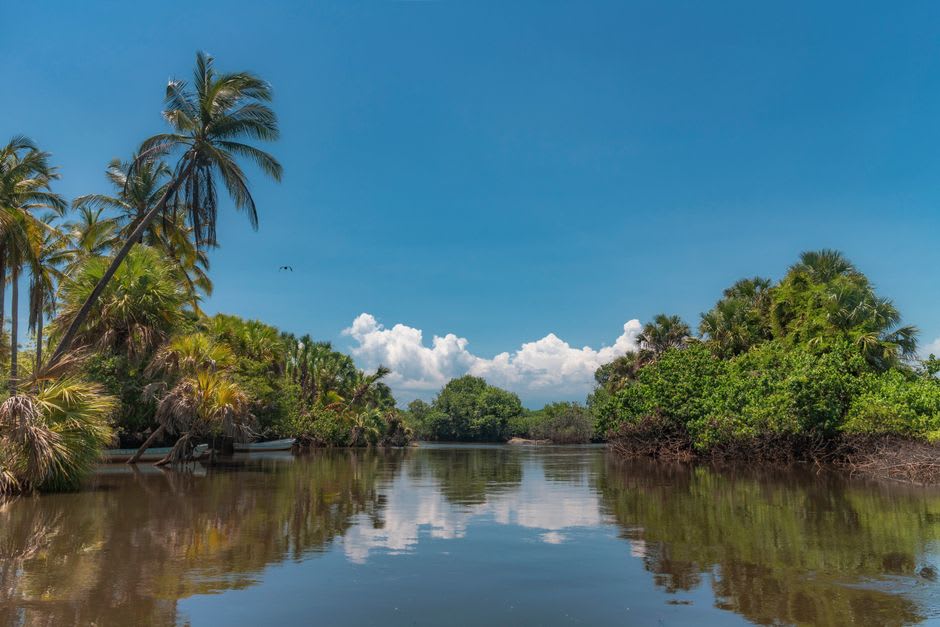
What Grows When Altitude Stops Mattering
The Mercado Flores Magón operates at the comfortable chaos level of a market that knows exactly what it has and sees no reason to advertise. The produce section alone justifies the bus ticket: chayotes the size of boxing gloves, bundles of chipilín, zapotes of three different colors, and sugarcane cut into sections for children who will spend the next hour chewing them into fibrous nothing.
I ate mojarra frita at a table beside the market that wobbled unless you found its equilibrium. The fish came from the Papaloapan or one of its tributaries, fried whole, and arrived with a lime wedge and a tortilla supply that outpaced any reasonable need. The thing nobody tells you about river fish in Tuxtepec is how cleanly it eats — none of the muddy aftertaste you sometimes get inland. There was tepache on offer: fermented pineapple served cold in a plastic bag. I ordered two. The woman running the stand looked at me with the particular expression of someone who has seen this reaction many times from people arriving from drier places.
Before You Go Further
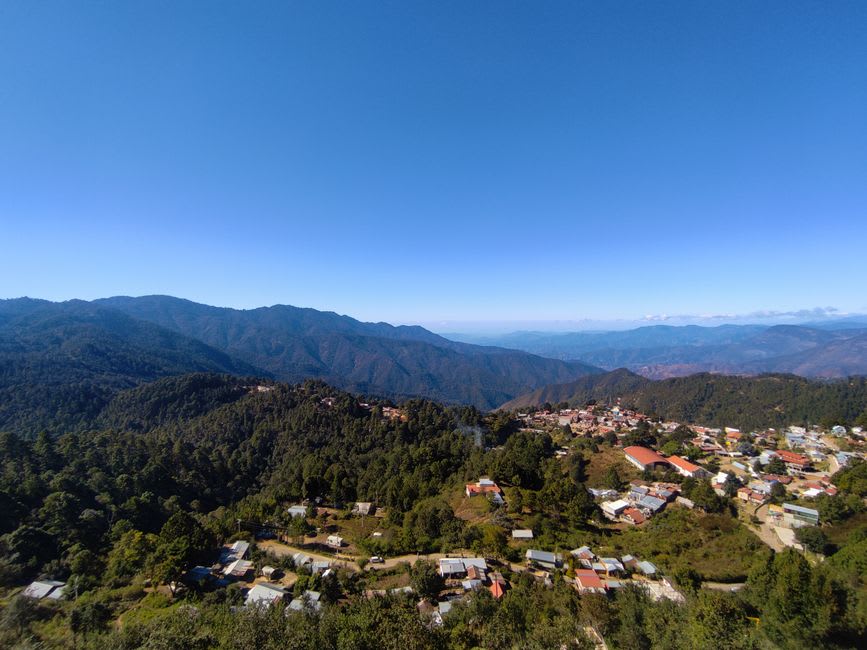
Tuxtepec functions, for most people who come here, as a gateway — to San José Tenango, to Huautla de Jiménez and its complicated history with María Sabina and the ceremonies that drew the world’s attention briefly and uncomfortably to this part of Mexico in the mid-twentieth century. The Sierra Mazatec is the draw; Tuxtepec is the staging area.
My suggestion is to arrive a day early and use the time without a plan. Walk the streets off Independencia. Find the pozol vendor near the market who sells it cold with a thin sprinkle of chile. Sit on the malecon at dusk when the light on the Papaloapan turns copper and everyone in the city seems to arrive at the water simultaneously. The Mazateca will still be there tomorrow. Tuxtepec deserves at least one afternoon that belongs to it.
Getting There
ADO and AU both run regular service from Oaxaca City, roughly six hours. From Mexico City’s TAPO terminal the journey is around five hours. From Veracruz, approximately three. Tuxtepec has a small regional airport with limited connections. Most accommodation is downtown, within reasonable walking distance of the malecon and the market — which is all you need.