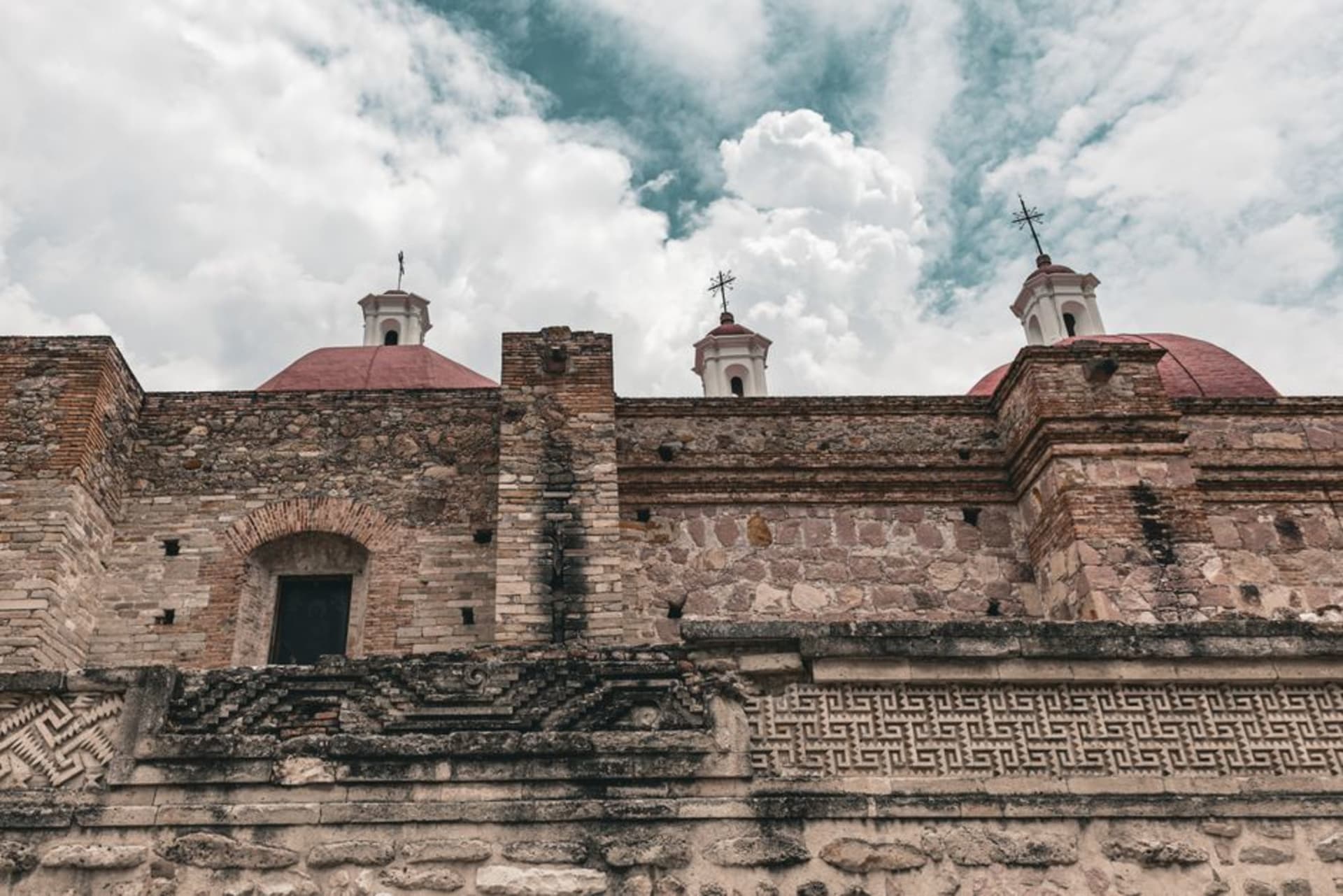
Tehuantepec
"In Tehuantepec, the women wear the gold and the power, and nobody seems confused about which matters more."
I came down from Oaxaca City on a second-class bus in July — I mention the month only to explain the physical condition in which I arrived. Four hours through mountain passes, then the sudden descent into the Isthmus, where the heat changes register entirely: flat, radiating up from the pavement, structural. The bus station sits at the edge of town and by the time I reached the zócalo my shirt was a lost cause. I had a room reserved at a small posada off Calle 5 de Mayo. The reservation was for two nights. I extended it four times.
The Women Who Set the Price
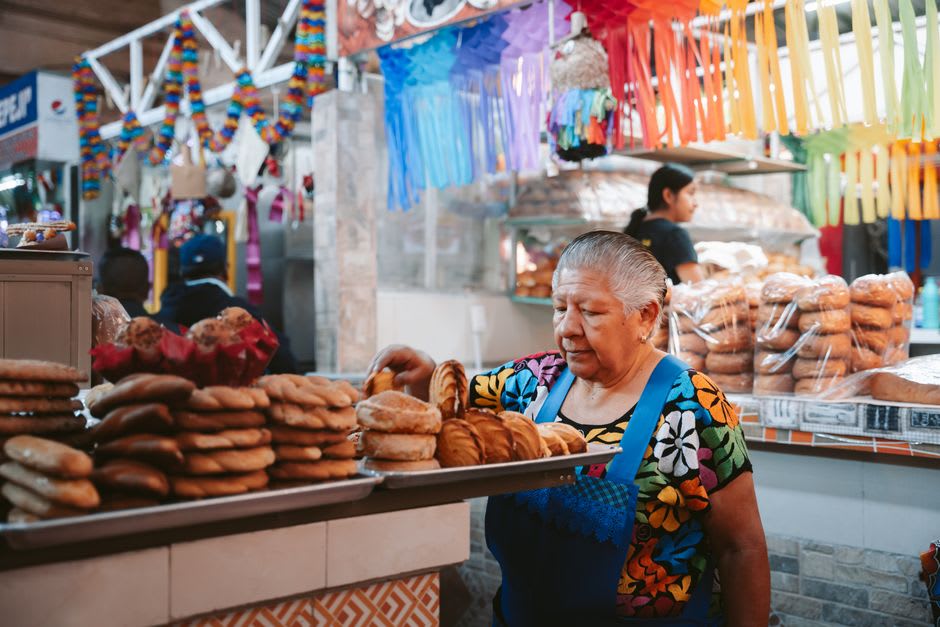
The Tehuanas have been mythologized enough that you arrive with expectations. Diego Rivera painted them. Frida Kahlo wore their clothes. The image that has traveled the world is iconic but abstracted. What you encounter in the Mercado Municipal on a Tuesday morning is something more specific and more impressive: women in floor-length printed skirts and elaborately embroidered huipiles grandes, running stalls of tasajo, quesillo, and dried chiles with the focused efficiency of people who have been doing exactly this for generations. The matriarchal structure of Isthmus Zapotec society is not a curiosity for tourists to observe — it is the actual economic architecture of the city. The women control the market, set the prices, manage the household finances. The heavy gold jewelry — necklaces strung with Oaxacan coins — is not ornamental so much as it is portable savings. I watched one vendor, maybe sixty-five, negotiate a bulk purchase of dried shrimp with a patience and finality that reminded me that the men wandering the market’s periphery were, in this context, peripheral.
Jamaica and Everything After
The thirst is immediate and the market has the answer. At the stalls along the east corridor of the mercado, you can get a liter of agua de jamaica — hibiscus water, cold, slightly tart — for almost nothing, and you will drink it faster than you expect. The food follows the same logic as the heat: direct and uncompromising. Tasajo, thin-sliced grilled beef marinated in nothing much and better for it, comes with memelas and a pool of black beans. There are estofado de pollo stalls toward the back of the market that I ate at three days running, partly for the sweet-savory mole and partly because the woman who ran it seemed amused that I kept returning. The tamales oaxaqueños here are wrapped in banana leaf, larger than the version you get in the capital, and available from a stall near the main entrance starting at seven in the morning — until they run out, which is usually by half past nine.
The Hours After Four
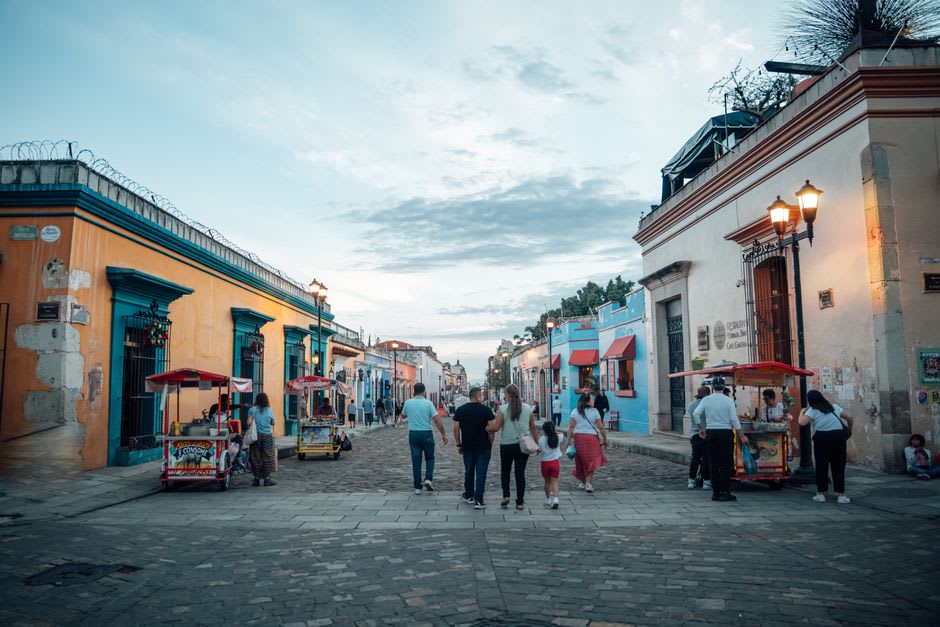
Between noon and four, Tehuantepec shuts down with a seriousness that Oaxaca City can only approximate. The streets empty, the metal shutters drop, and the correct response is horizontal. By half past four the light softens and the zócalo comes back to life. I spent those evenings walking the colonial center — the ex-convento de Santo Domingo Rey, the Casa de la Cultura installed in the old Dominican monastery, the main plaza where vendors sell mango with chile from wheeled carts. The cathedral facade is baroque and slightly listing, which seems appropriate. The scale kept surprising me: a city of 55,000, not a village, yet it moves at village pace, and nobody is performing their own authenticity for outside consumption. If your visit lands between May and September, try to time it around one of the velas — the elaborate Zapotec festivals where the embroidery and the dancing make everything else feel insufficient.
Getting There
Tehuantepec sits on Highway 190, roughly four hours from Oaxaca City by second-class bus (Fletes y Pasajes or OCC from the capital’s ADO terminal). From Puerto Escondido, take the highway east through Pochutla toward Salina Cruz and then north — about 3.5 hours depending on traffic at the Salina Cruz intersection. There is no reason to rent a car; the colonial center is entirely walkable and taxis cover everything else for next to nothing.