Tōhoku is the Japan that the guidebooks so often skip, and that is precisely its gift. Occupying the northern reaches of Honshū, this is a region of thickly forested mountains, rice valleys, and long, heavy winters that bury villages under meters of snow. It has always felt remote from the capital — a frontier of samurai clans and mountain ascetics — and that distance has preserved a slower, more traditional grain of life. The poet Bashō walked these roads three centuries ago in search of exactly this: a landscape that rewards patience and quiet attention.
The regional gateway is Sendai, a green and livable city known for its tree-lined avenues and its association with the warlord Date Masamune. From here the coast opens onto Matsushima, a bay scattered with hundreds of pine-clad islets long counted among the most beautiful views in Japan, best seen from a small boat threading between the rocks. Inland and upward, the mountain temple of Yamadera climbs a forested cliffside in a long stone stairway, its halls perched among the pines — the very spot that moved Bashō to one of his most famous verses.
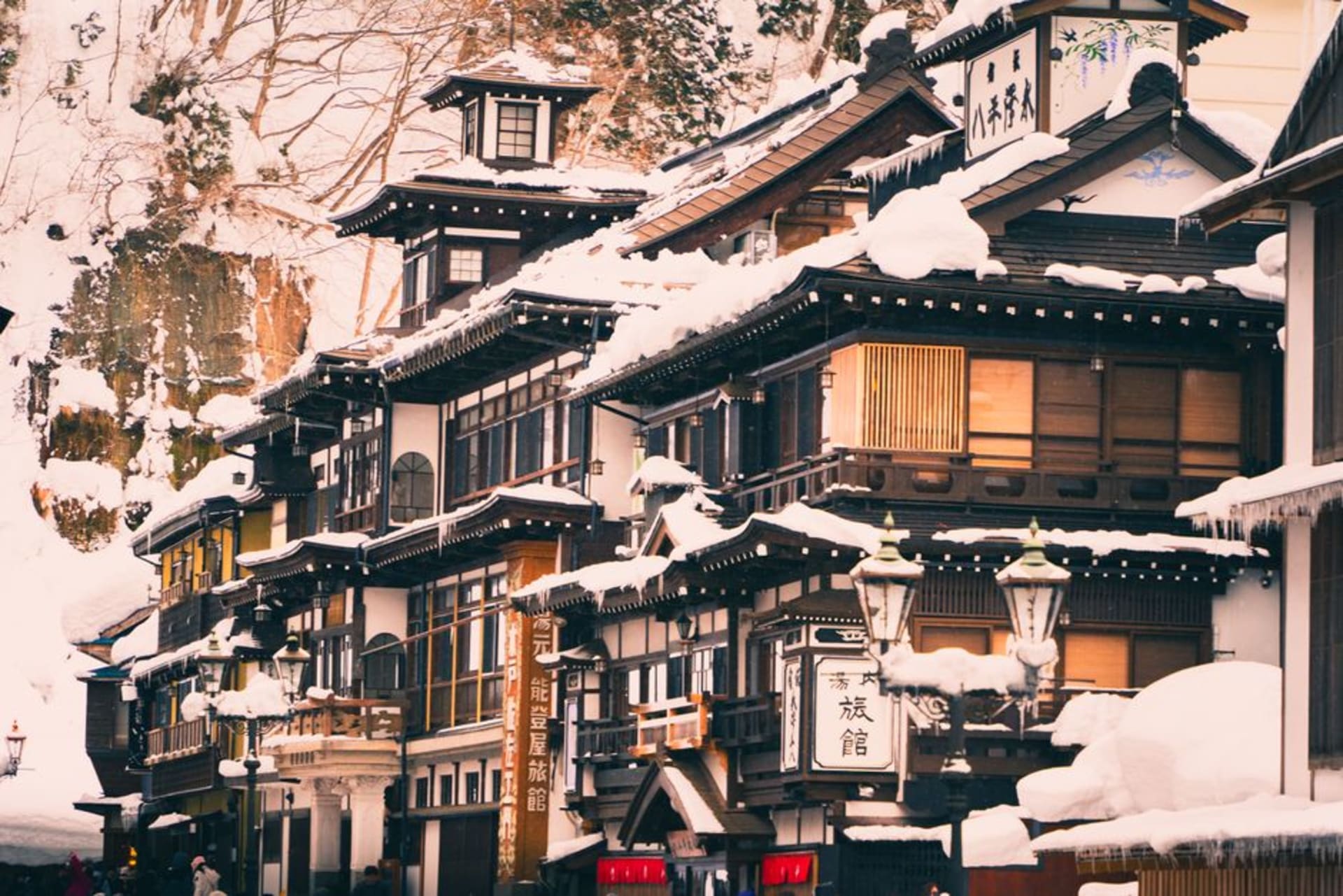
Tōhoku’s real magic, though, lies in its towns that time forgot. Ginzan Onsen is the picture of it: a narrow valley where wooden ryokan stand three and four storeys tall along a steaming river, gaslit and glowing in the falling snow. The post-town of Ouchi-juku preserves a street of thatched-roof houses that once served travelers on an old highway, while Kakunodate guards an avenue of samurai residences beneath weeping cherry trees that turn the town pink each spring. At Aizu-Wakamatsu, a reconstructed castle and a lingering samurai spirit tell the story of the region’s last stand in the civil wars of the 1860s.
To travel in Tōhoku is to trade sightseeing for atmosphere. It is a place for soaking in remote hot springs while snow settles on the eaves, for eating hearty mountain food, for wandering old streets without a crowd in sight. Distances are longer and connections slower than in the busy south, but that friction is part of the reward — few corners of Japan let you feel so completely that you have stepped into the country’s older, deeper self.
Explore
Places in Tōhoku
 japan
japan Aizu-Wakamatsu
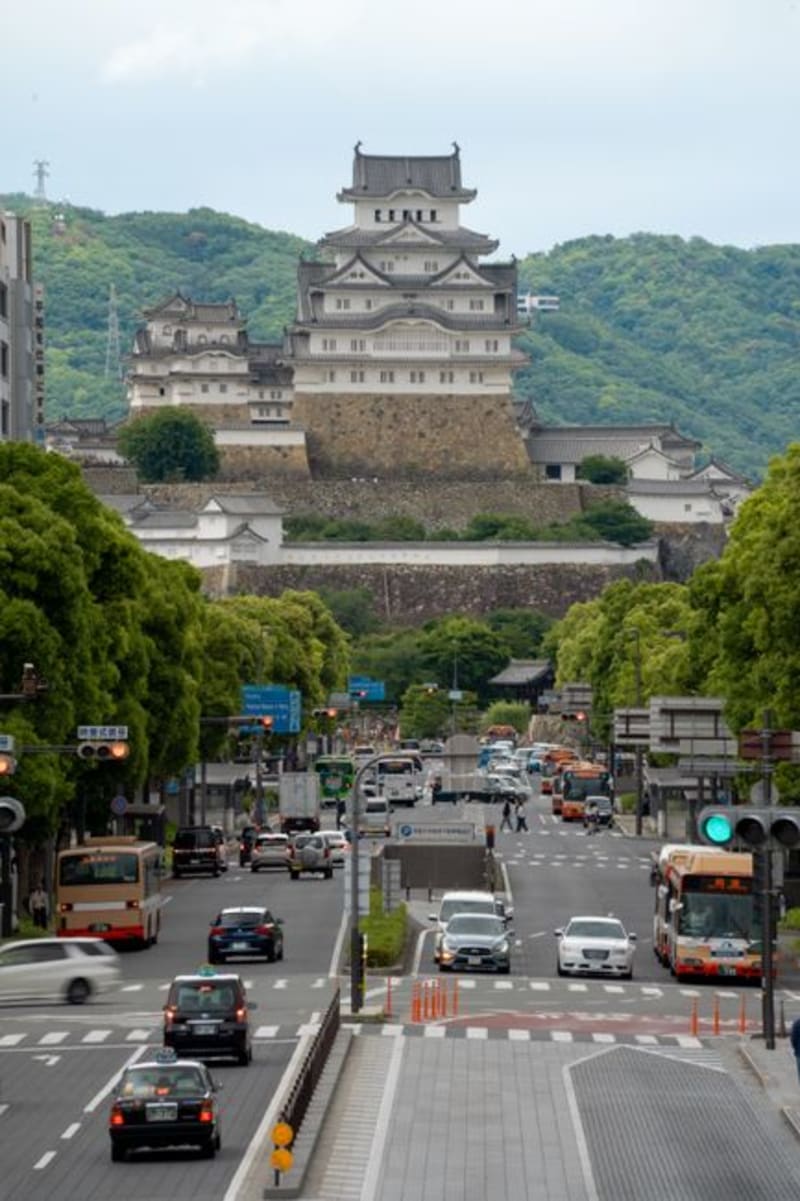
A samurai castle town cradled in the Fukushima mountains, where a red-tiled keep rises over the snowfields and a hillside remembers the boy soldiers who died believing it had already fallen. Sake, lacquer, and a long memory.
Explore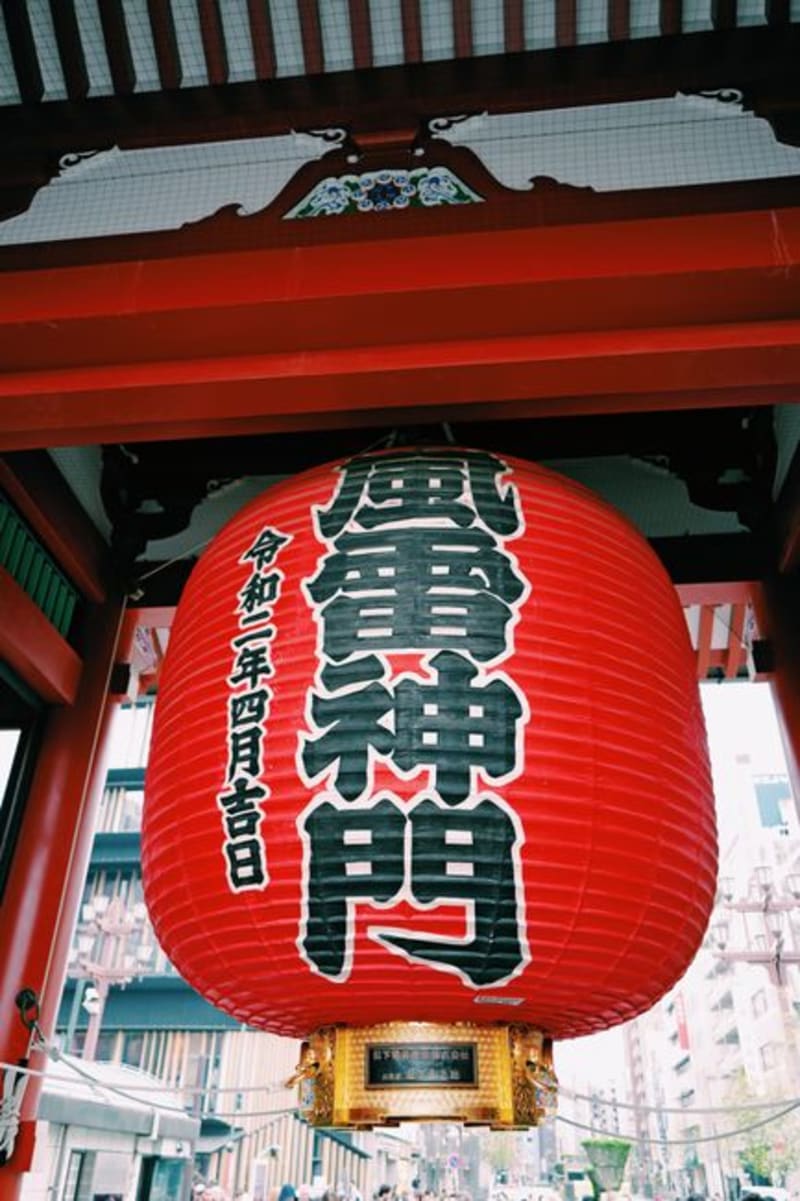 japan
japan Akita
A Tōhoku castle city on the Sea of Japan, home of the summer Kantō festival where performers balance towering poles hung with lanterns. Green Senshū Park on the old castle grounds, kiritanpo hotpot on cold nights, and some of the finest sake in the country.
Explore japan
japan Aomori
A bayside city at the northern tip of Honshū with a frontier-north energy. Home to the fierce, glowing Nebuta festival floats, orchards of crisp apples, scallops pulled fresh from the bay, and the wild Hakkōda mountains rising just inland.
Explore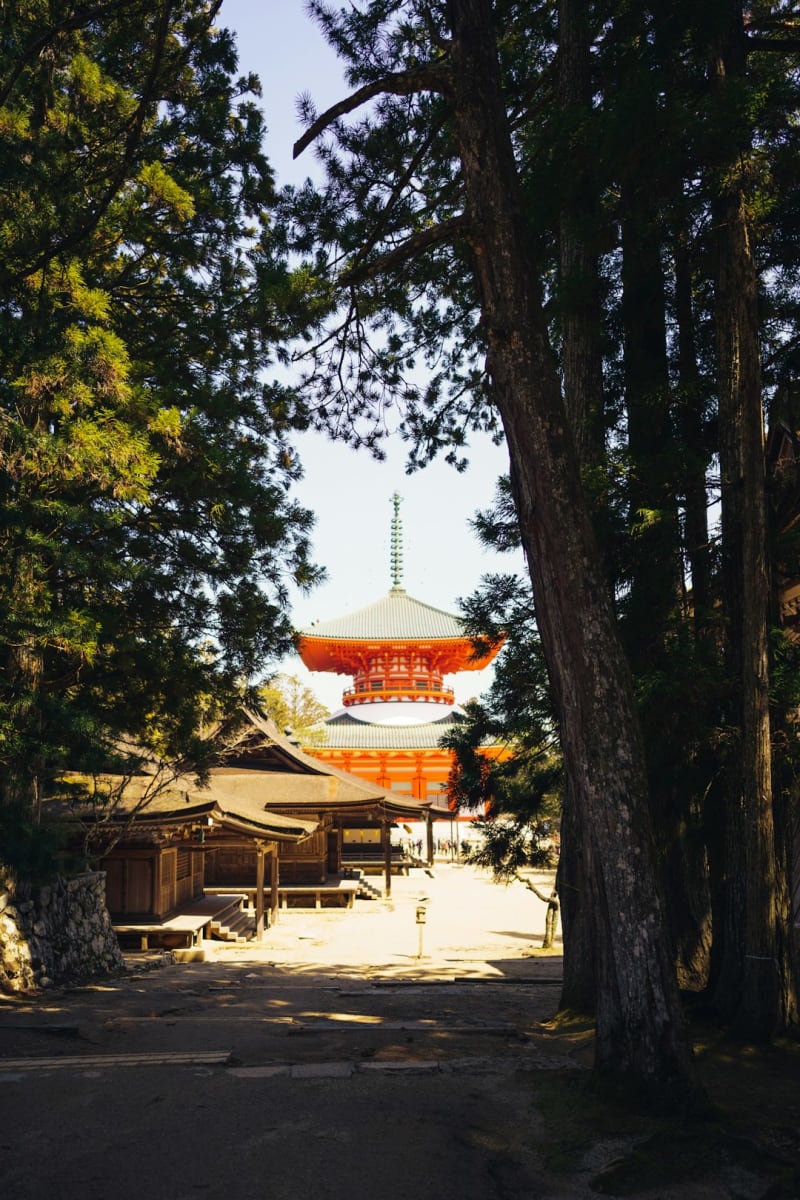 japan
japan Dewa Sanzan
Yamagata's three sacred mountains — Haguro, Gassan, and Yudono — where white-clad yamabushi ascetics still walk the old pilgrim ways, a five-story pagoda stands hidden in the cedars, and a long stone stairway of more than two thousand steps climbs through ancient forest. The most quietly spiritual place we found in Japan.
Explore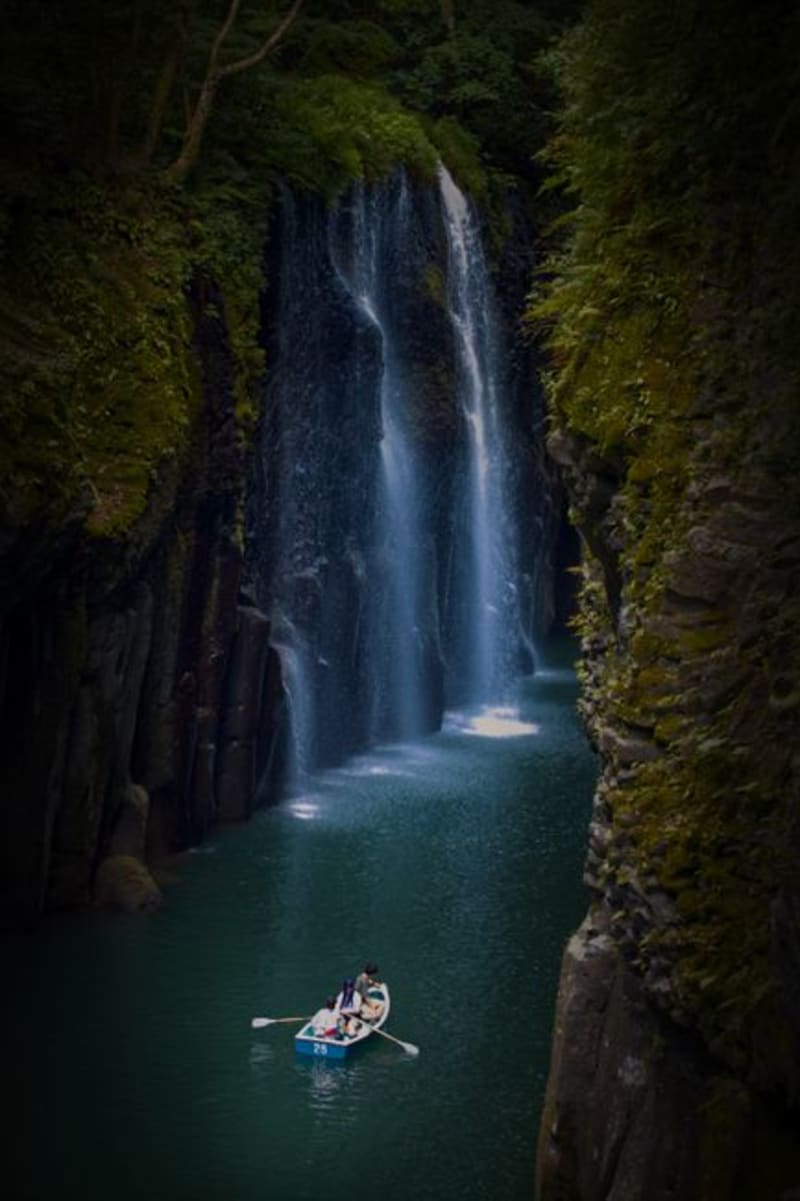 japan
japan Geibikei Gorge
A quiet Iwate gorge you drift through in a flat-bottomed boat, poled upstream between limestone cliffs that lean two hundred metres over your head. No engine, no hurry — just the pole knocking the hull and the boatman's voice bending around the rock. It ends with a song that the walls hand back to you.
Explore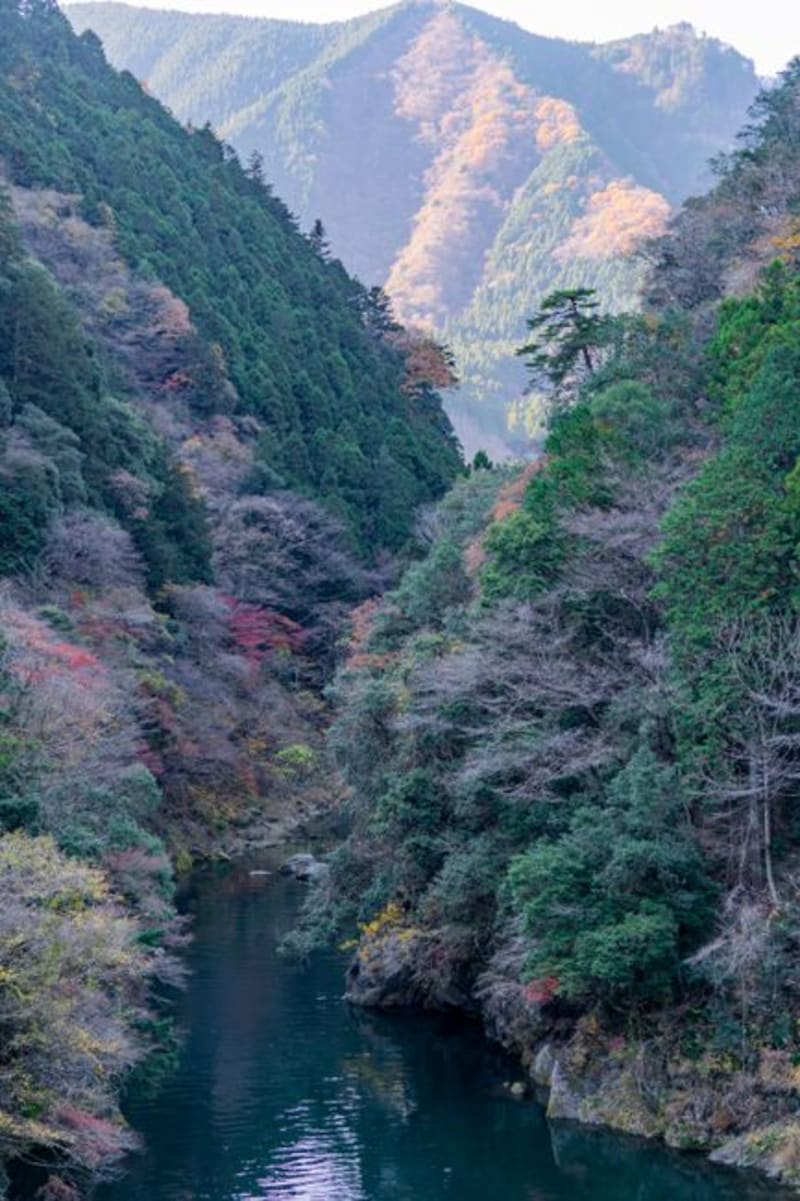 japan
japan Genbikei Gorge
A short, violent, gorgeous ravine where the Iwai River throws itself over jagged rock in a froth of white and jade. The signature trick: dumplings that fly to you across the gorge on a rope and pulley. It is loud, it is silly, and it is one of my favourite half-hours in all of Tohoku.
Explore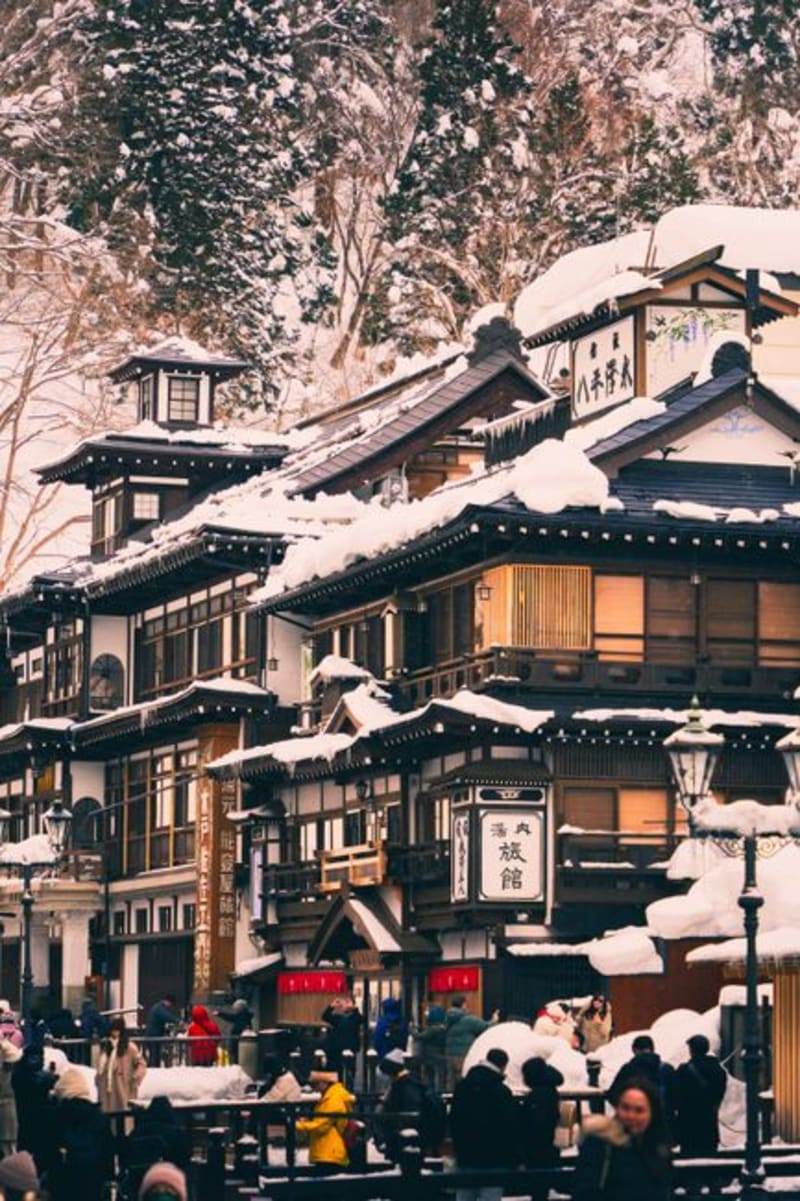 japan
japan Ginzan Onsen
A jewel of a hot-spring town buried deep in the Yamagata mountains, where tall wooden Taishō-era inns line a narrow river and gas lamps glow over the snow at night. Remote, storybook, and almost impossibly atmospheric. The Japan of an old dream.
Explore japan
japan Goshikinuma
A gentle walking trail below shattered Mount Bandai, threading past a string of volcanic ponds that refuse to be the same colour twice. Turquoise, jade, cobalt, a milky pale blue — the same minerals, the same light, and yet each pool its own impossible shade. We walked it slowly and argued happily about the names of colours.
Explore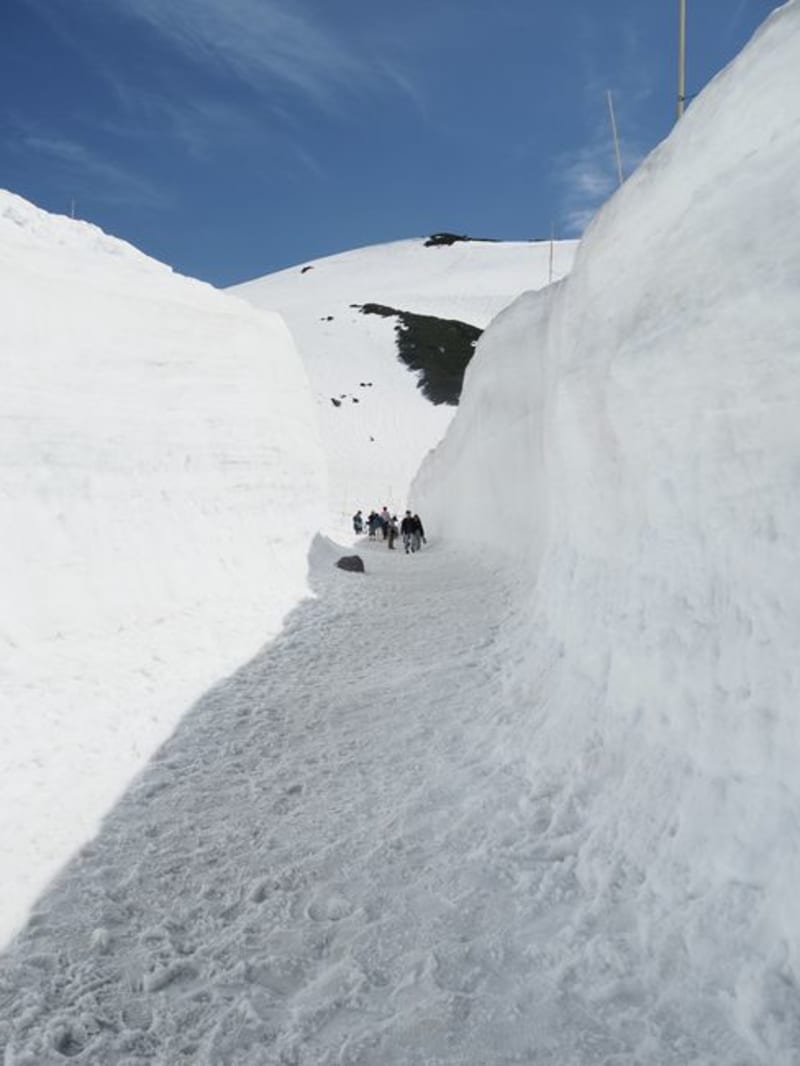 japan
japan Hachimantai
A high volcanic plateau straddling Iwate and Akita, all alpine marsh and crater ponds and open sky. A dramatic spring snow-corridor drive, remote hot springs, and blazing autumn colour on the roof of Tōhoku.
Explore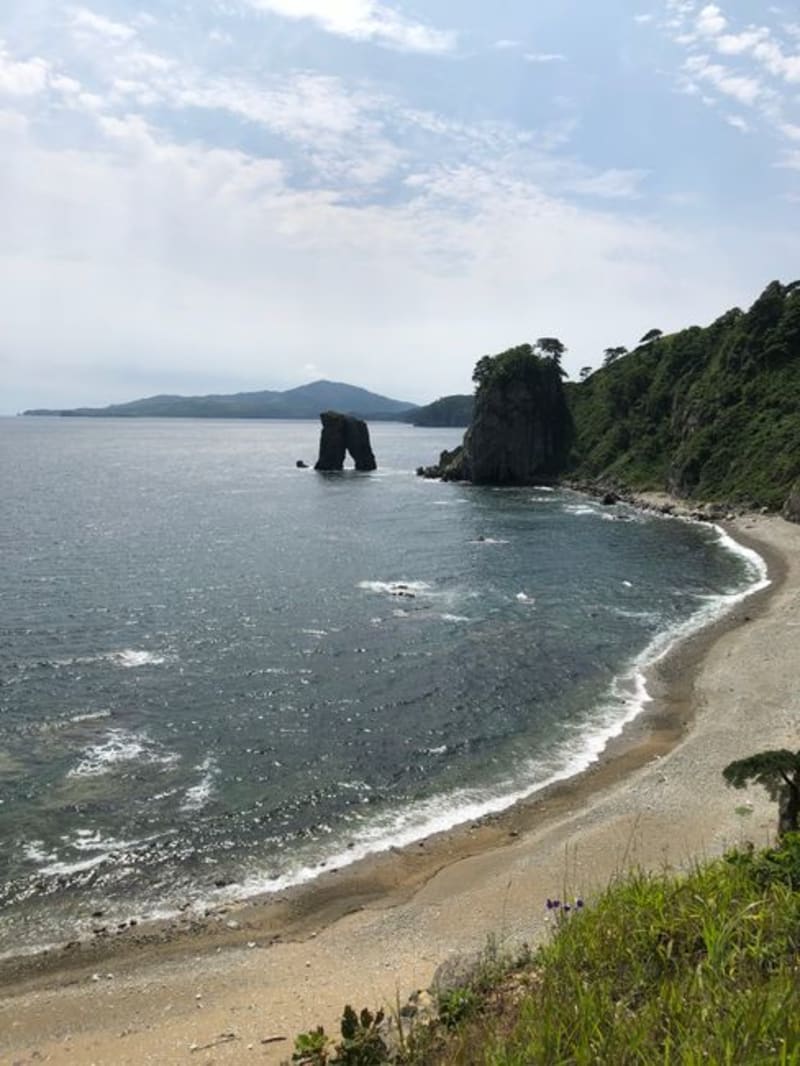 japan
japan Hachinohe
An Aomori port city that keeps its back to the tourist trail and its face to the Pacific. A vast Sunday-dawn market, a warren of tiny drinking alleys, seafood pulled from cold northern water, and a green coast where the grass runs right down to the tide.
Explore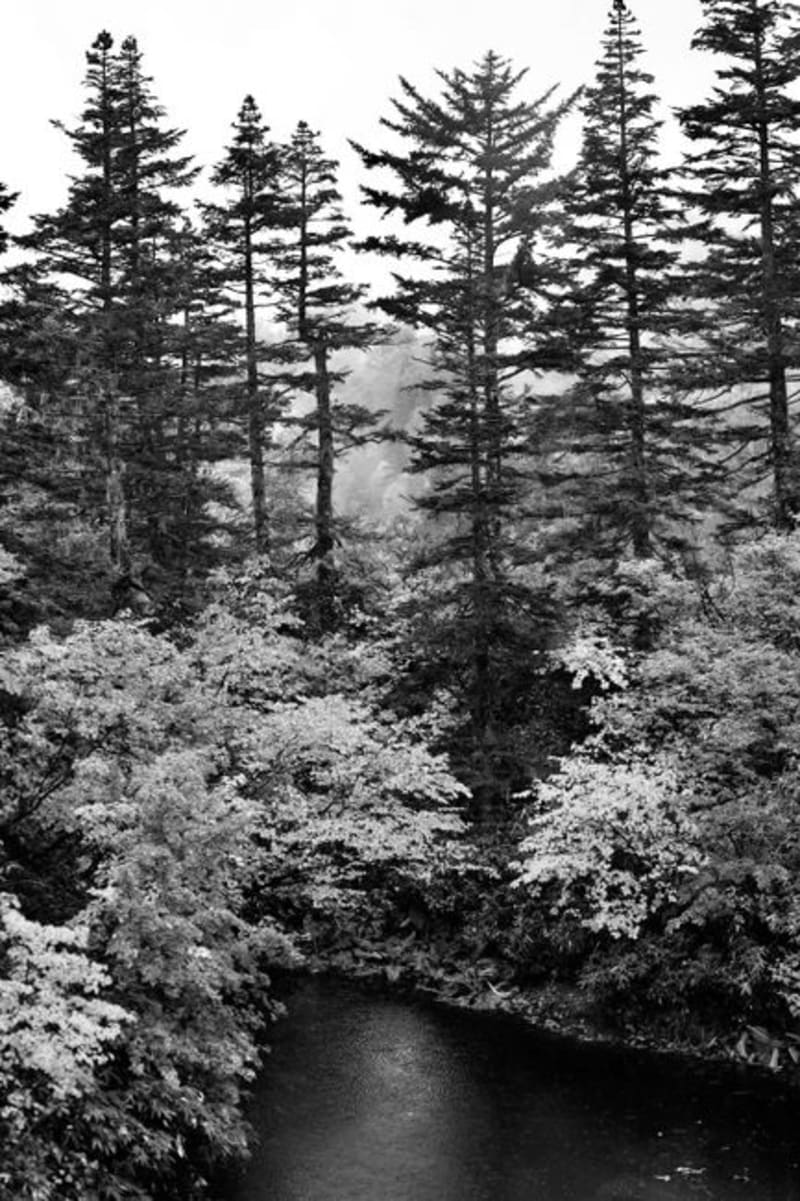 japan
japan Hanamaki
An Iwate hot-spring town that gave the world Miyazawa Kenji — poet, teacher, dreamer of a private utopia he called Ihatov. The onsen are old and generous, the countryside soft and wide, and the whole place seems half-lit by one gentle man's imagination. It's quiet in a way that gets under your skin.
Explore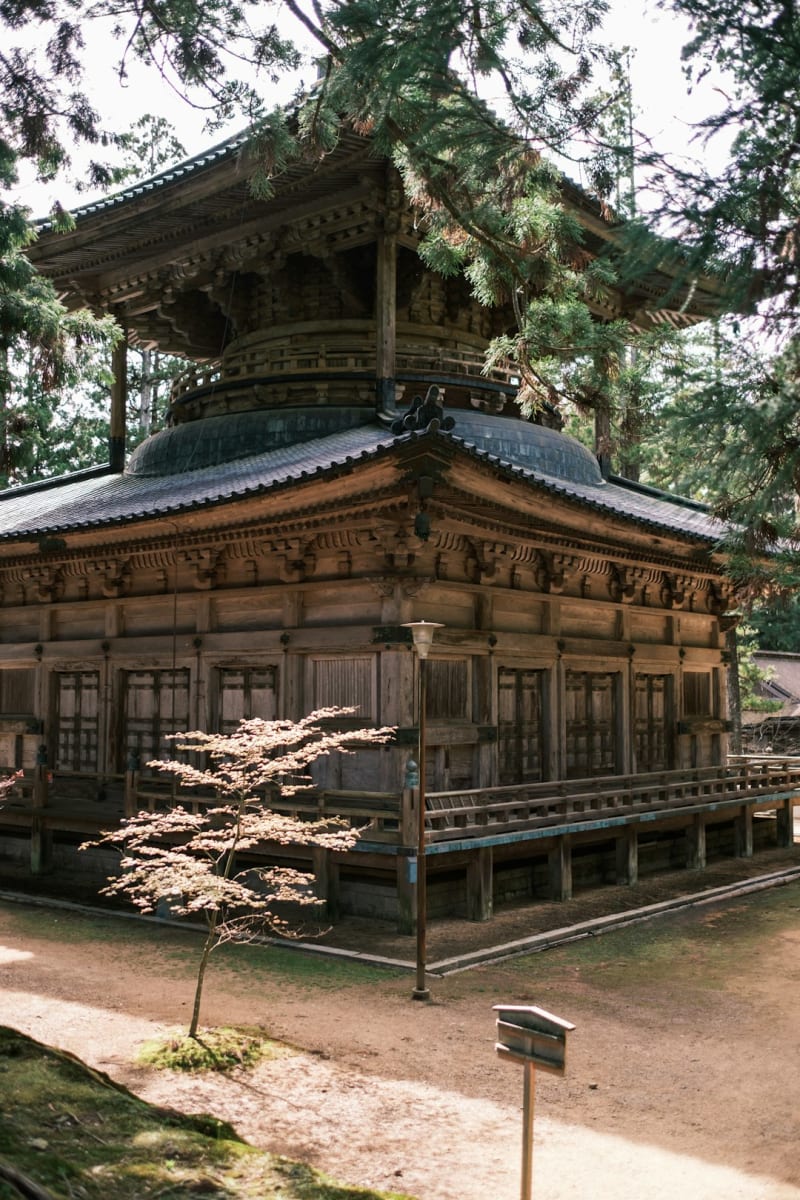 japan
japan Hiraizumi
A vanished northern capital in the Iwate hills, where a hall of solid gold leaf survives under glass and a Pure Land garden still mirrors the paradise its builders longed for. A UNESCO site that whispers rather than shouts.
Explore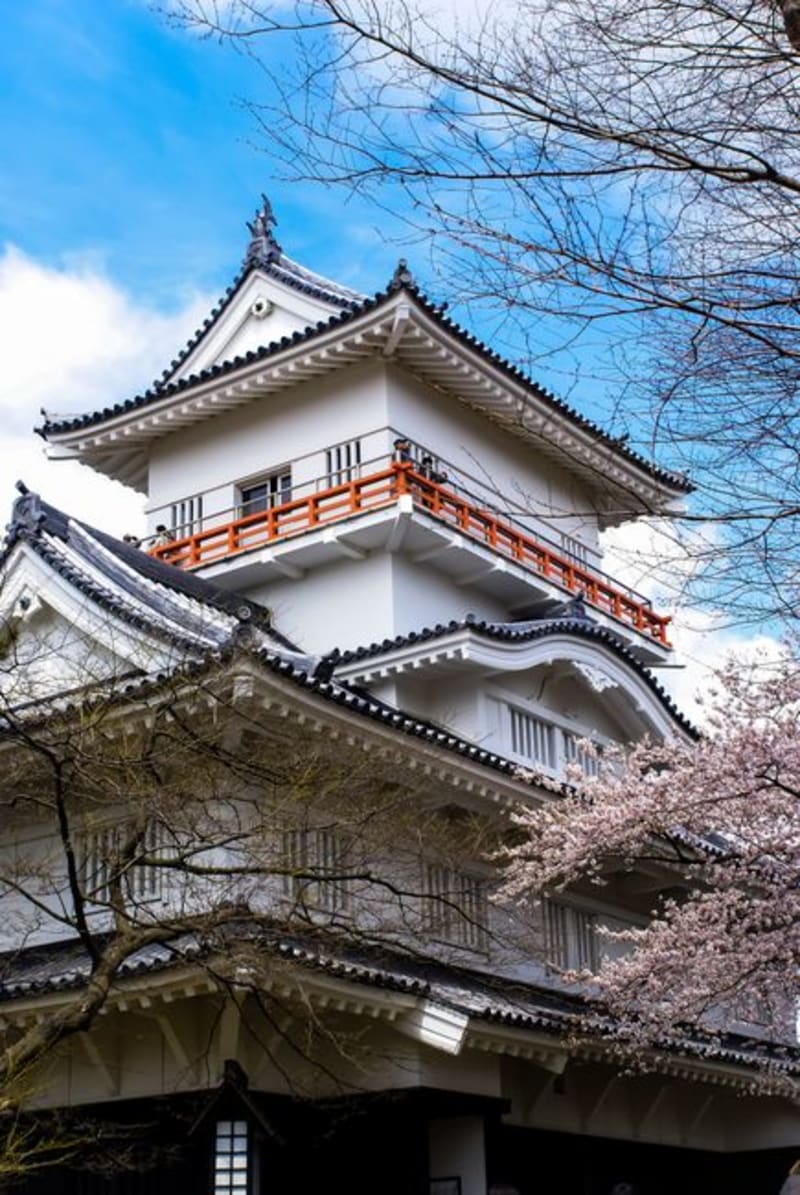 japan
japan Hirosaki
An Aomori castle town where cherry petals settle on the moats until the water turns solid pink, apple orchards ring the plain, and the fierce painted floats of the Neputa festival still glow in memory. Quietly one of the loveliest places we found in the north.
Explore japan
japan Lake Inawashiro
Fukushima's great mirror lake, wide and pale under the perfect cone of Mount Bandai. In winter hundreds of swans come down to its edge and the shallows freeze into strange lacework. We came for the reflection and found ourselves standing on a beach full of swans in the snow.
Explore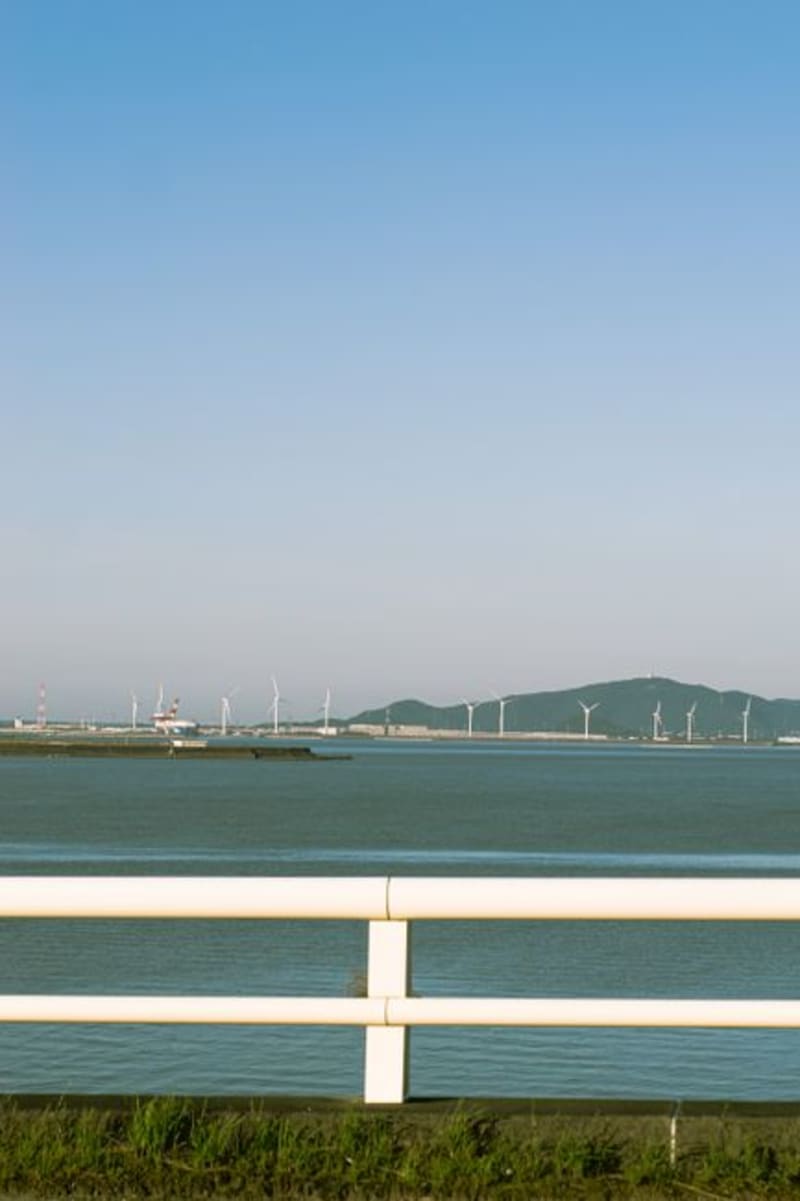 japan
japan Iwaki
A sprawling, sun-warmed city on Fukushima's Pacific coast, where surf beaches meet a palm-fringed spa resort born from the ashes of a coal town. Iwaki wears its history and its reinvention with an easy, unpretentious grin.
Explore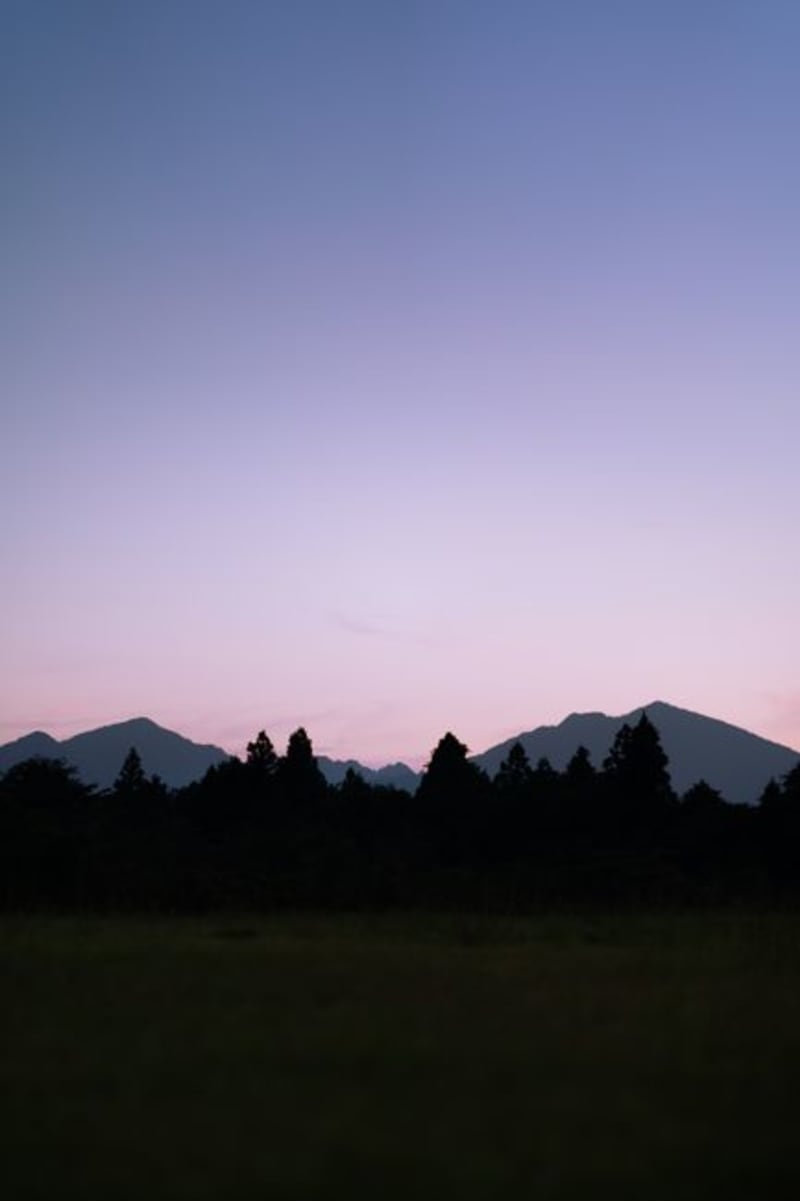 japan
japan Juniko
A scatter of forest lakes hidden in the beech world of the Shirakami-Sanchi, where a single pond called Aoike burns a blue so unreasonable it looks lit from below. This is quiet, unhurried Tohoku — birdsong, wet moss, and water that keeps its own secrets.
Explore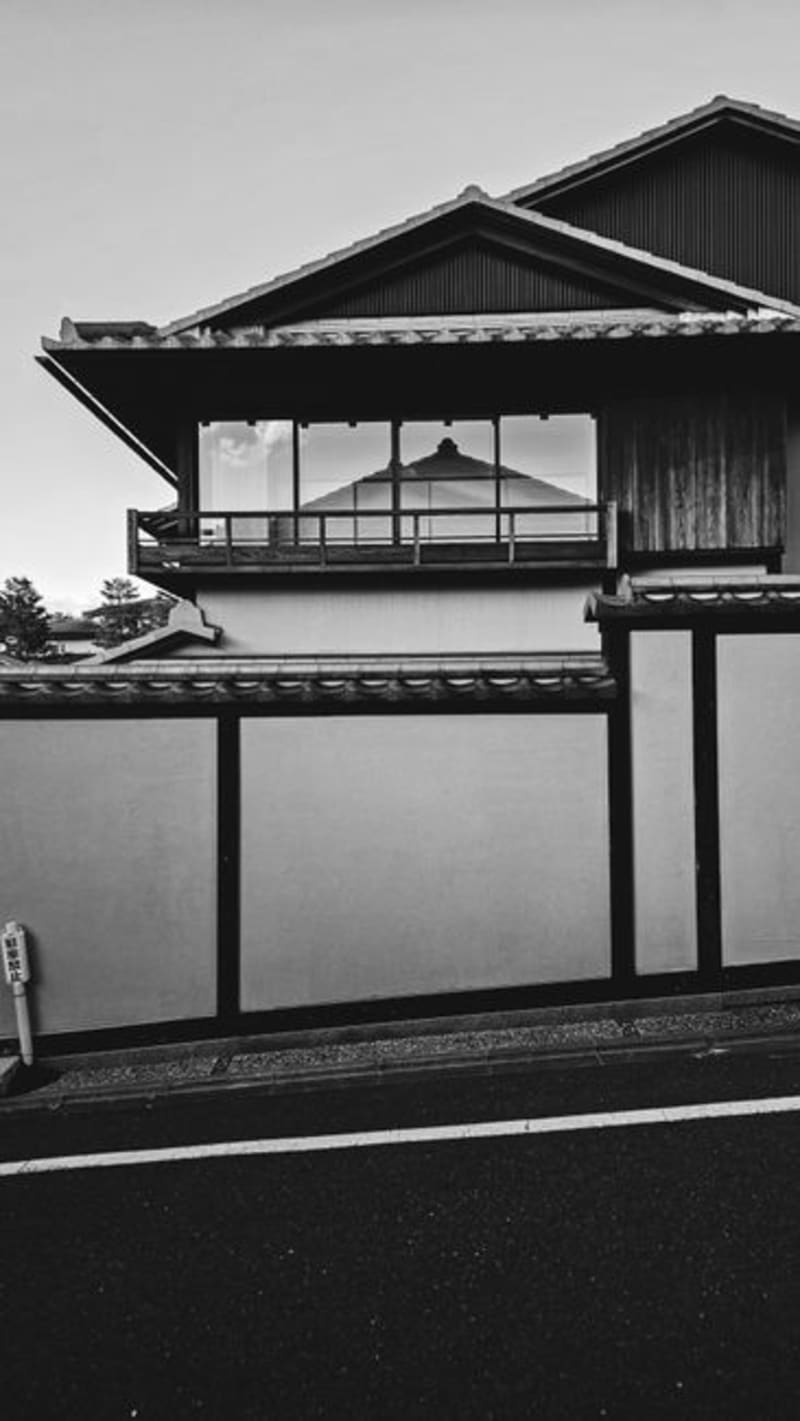 japan
japan Kakunodate
A preserved samurai quarter in the Akita mountains, where dark-timbered mansions stand behind long earthen walls beneath tunnels of weeping cherry trees. The little Kyoto of Tōhoku, at its most breathtaking for two weeks in spring.
Explore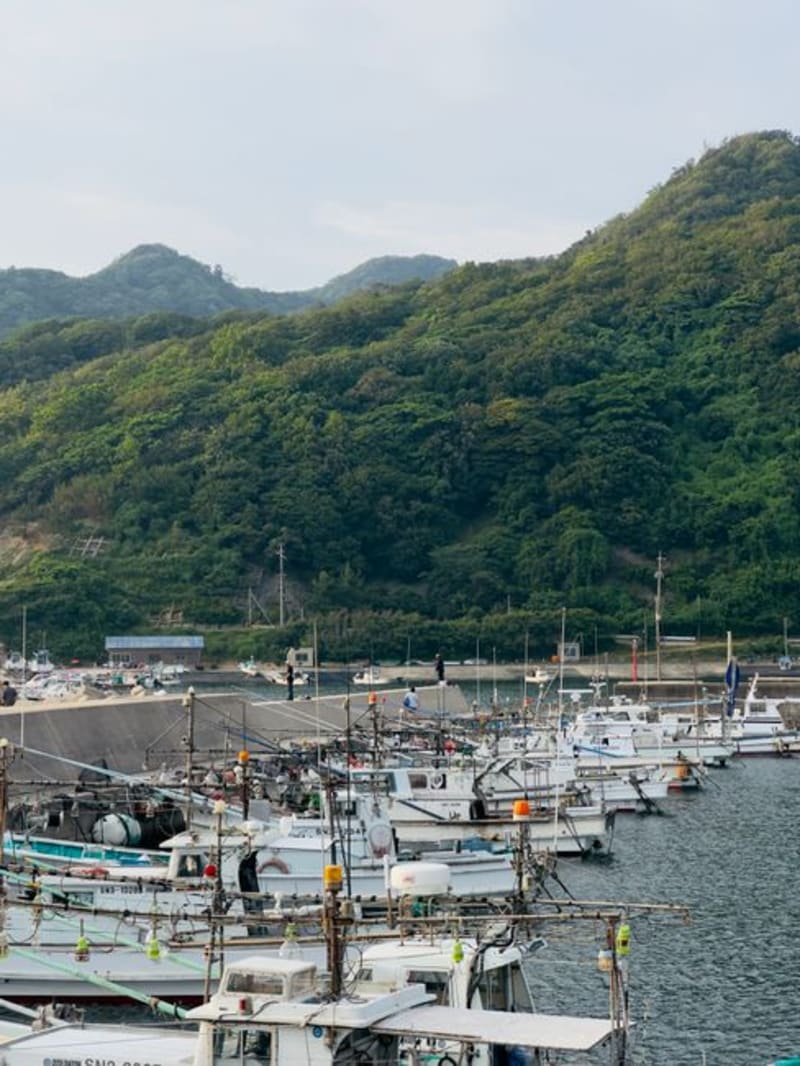 japan
japan Kesennuma
A Miyagi fishing port on a deeply indented ria coast, famous for bonito and shark fin. Hit hard by the 2011 tsunami and resiliently rebuilt, it is a working harbour of fresh seafood and quiet recovery.
Explore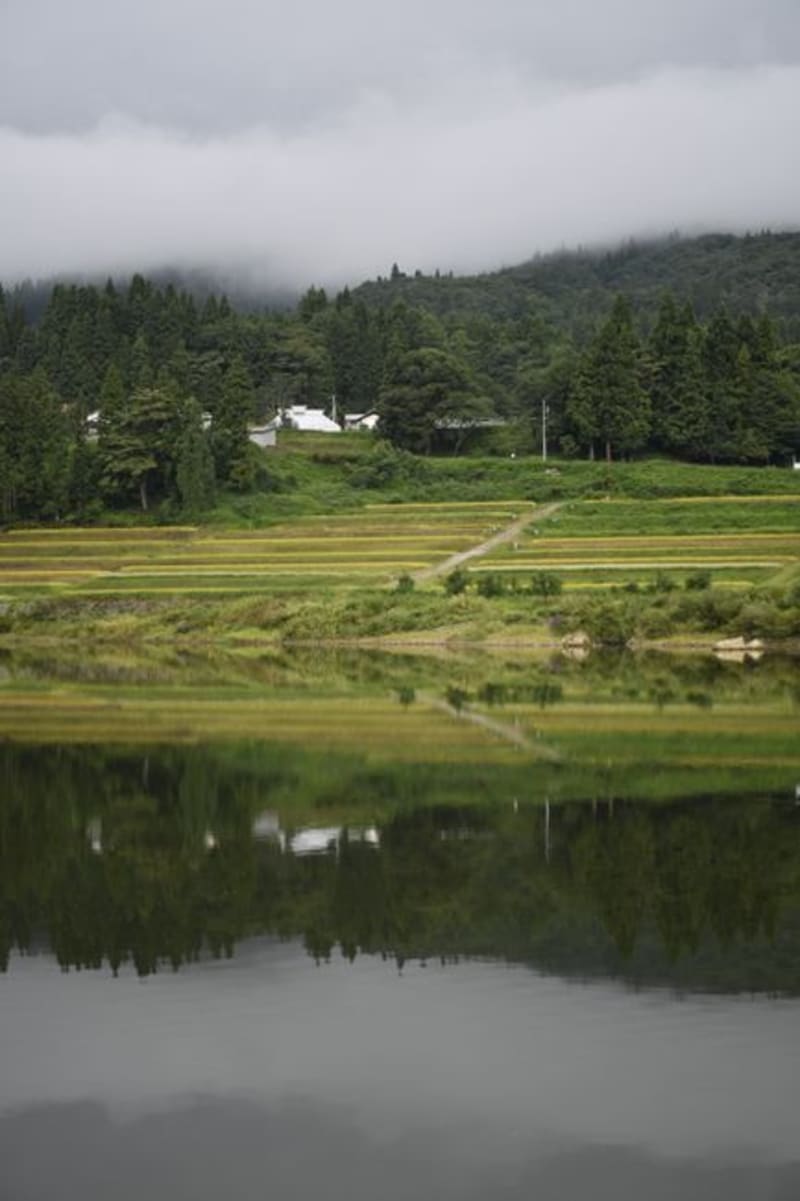 japan
japan Kitakata
A Fukushima town where thick black-walled storehouses outnumber almost everything, and where the local religion is ramen eaten for breakfast. Wide, curly, chewy noodles in a clear soy broth, served from dawn. We came for the kura and stayed, happily, for the soup.
Explore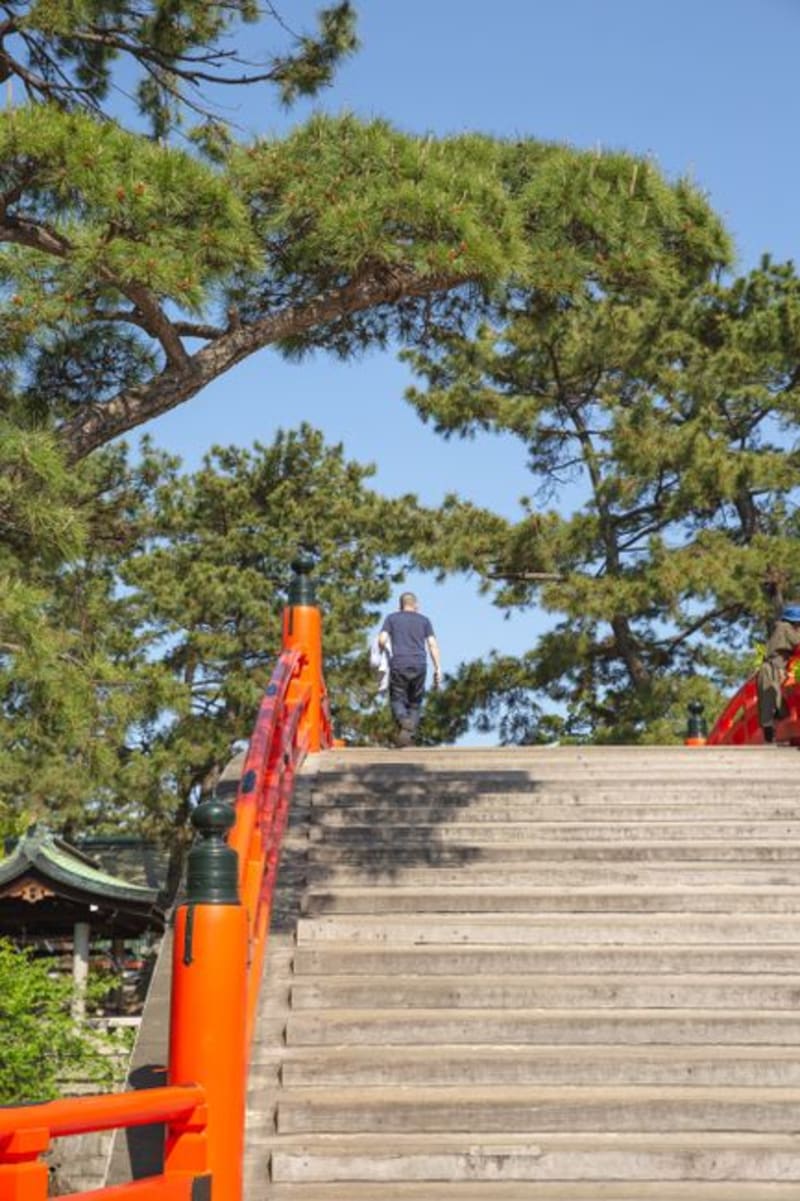 japan
japan Matsushima
A Tōhoku bay strewn with hundreds of pine-topped islets, red-lacquered bridges to tiny shrine islands, and oysters pulled straight from the water. One of Japan's classic three great views, and the quietest of them.
Explore japan
japan Morioka
A relaxed Iwate castle city set where two rivers meet below the volcano Iwate, famous for the theatre of wanko-soba, chewy jaja-men noodles, and the cast-iron nanbu ironware that has been forged here for four centuries. An easy, unhurried place we didn't want to leave.
Explore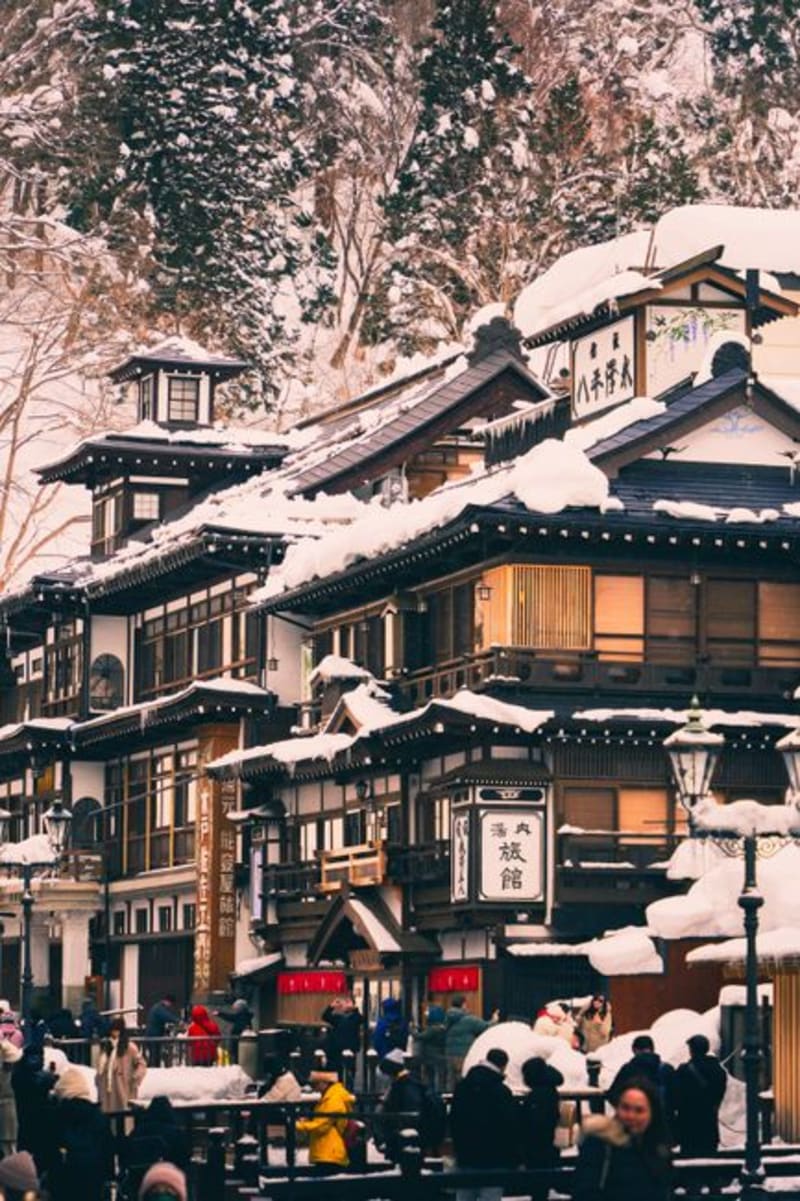 japan
japan Naruko Onsen
A Miyagi hot-spring town wedged into a gorge that catches fire every autumn. Sulfur drifts through the streets, kokeshi dolls watch from every shopfront, and the bathhouses run water in colors you don't expect. It's a working onsen town, worn and warm, with none of the polish and all of the soul.
Explore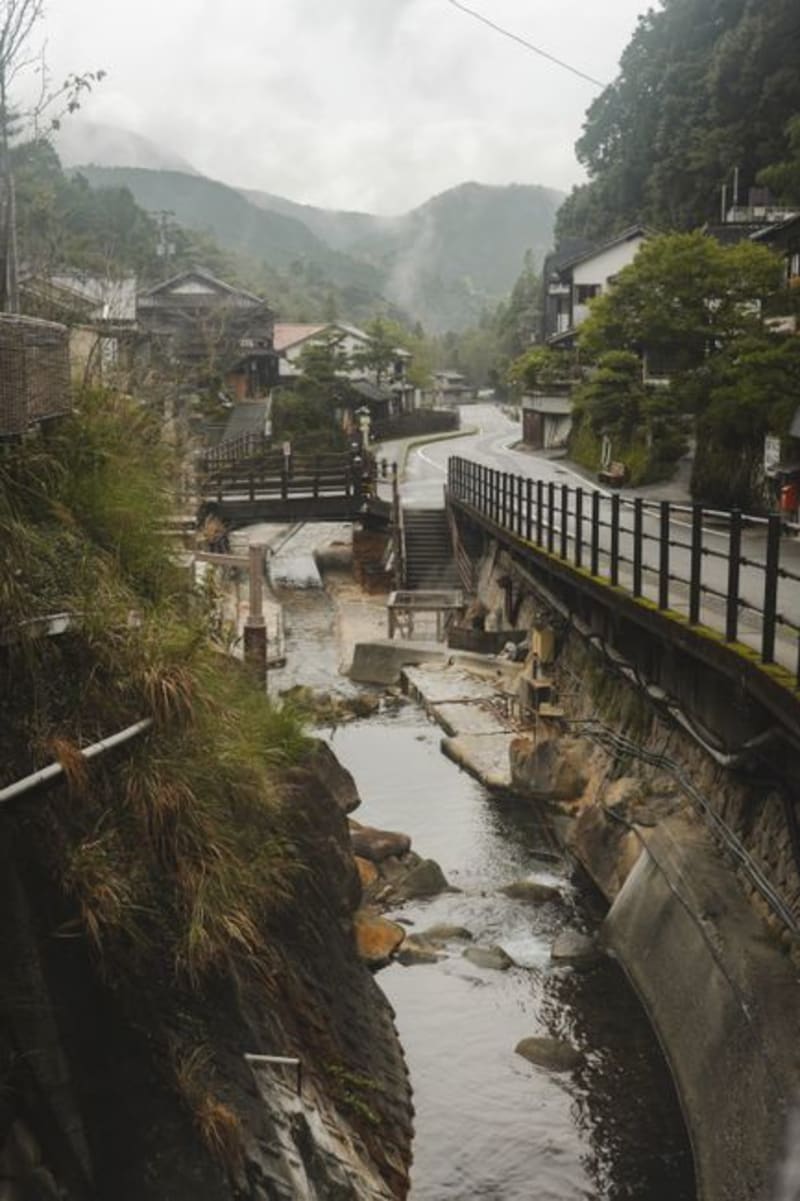 japan
japan Nyūtō Onsen
A cluster of secluded, centuries-old hot-spring inns hidden deep in the Akita mountains. Milky-white open-air baths steaming in the forest, thatched-roof ryokan warmed by irori hearths, and the feeling of having slipped clean out of the modern world.
Explore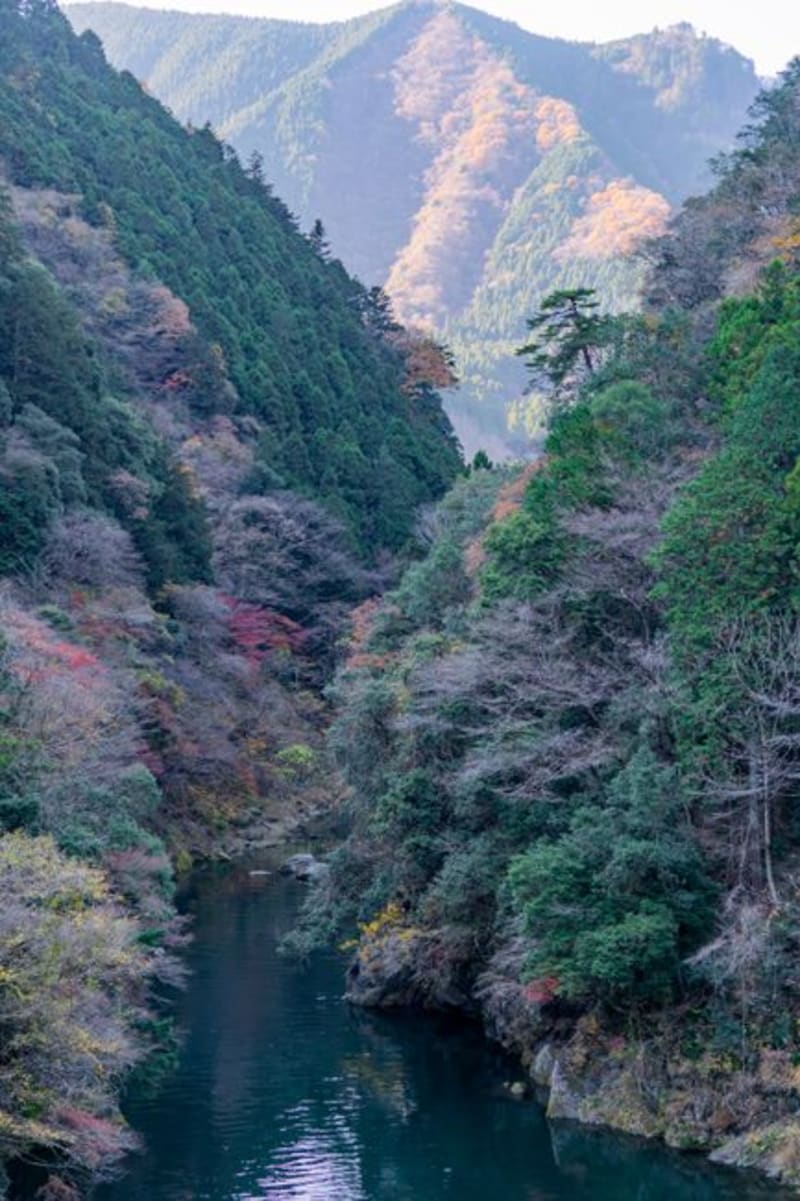 japan
japan Oirase Gorge
A luminous mountain stream in Aomori, flowing out of Lake Towada through a corridor of moss, rapids, and slender waterfalls. For fourteen kilometres the water and the trail run side by side beneath a green canopy so dense it turns the light the colour of leaves. We walked it slowly, and it rearranged something in us.
Explore japan
japan Osorezan
A sulfurous, blasted volcanic caldera at the top of Aomori that Japan has held sacred for over a thousand years — a rehearsal of the Buddhist afterlife you can walk through. Grey ash, a milky lake, stacked stones and spinning pinwheels for lost children. Few places have unsettled and moved me as much.
Explore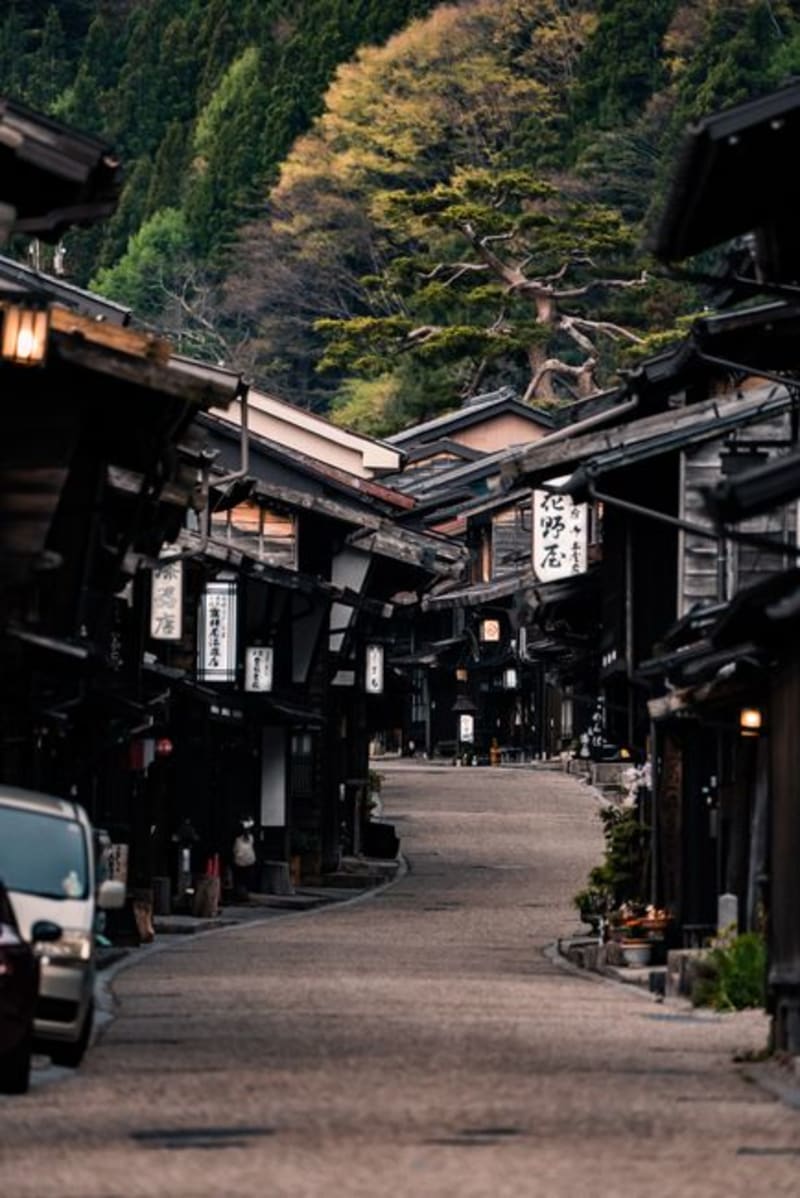 japan
japan Ouchi-juku
A preserved Edo-period post town in the Fukushima mountains: a single broad street of thick-thatched farmhouses, famous for soba eaten with a whole green onion for a spoon, and a hilltop that looks down over the snowy roofs. Timeless, rural, and quietly astonishing.
Explore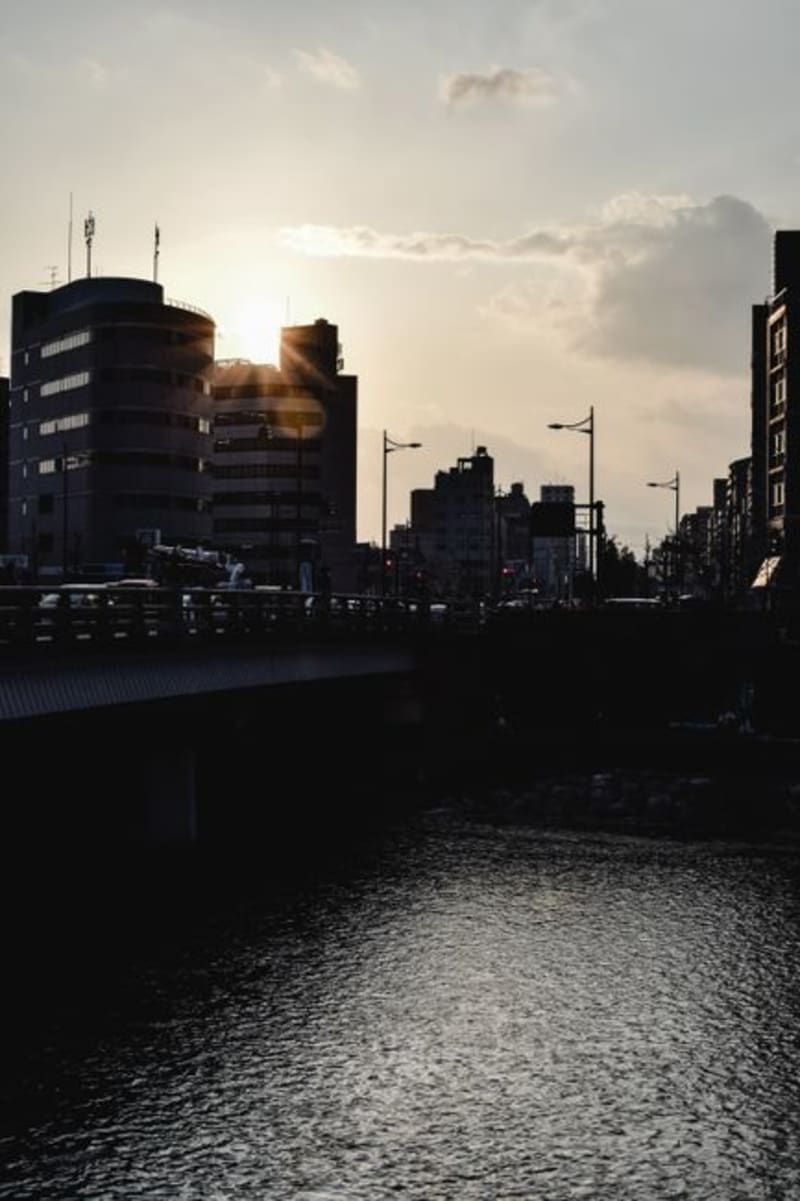 japan
japan Sakata
A Sea-of-Japan port that grew fat on Edo-era shipping and never quite forgot it. The rice warehouses stand in a row beneath old zelkova trees, and the town keeps a merchant's quiet swagger. Come for the light off the water and the sense of a place that was once the center of everything.
Explore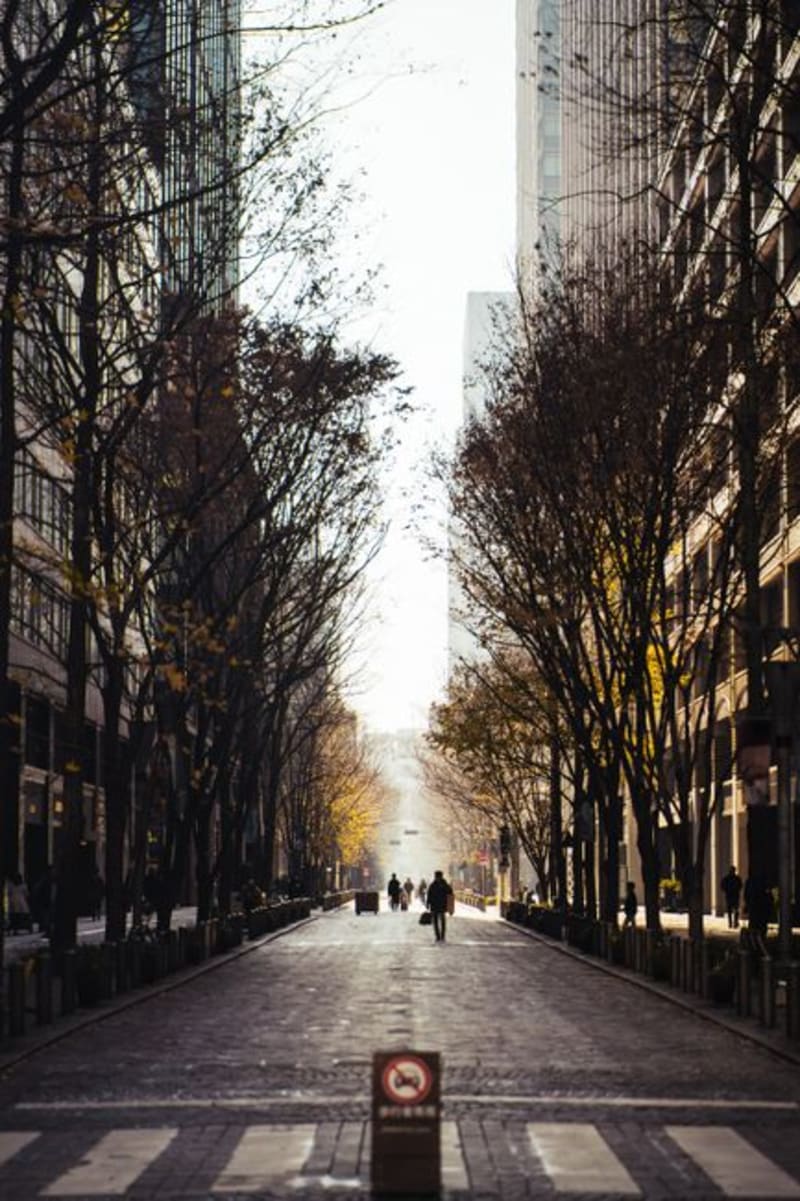 japan
japan Sendai
The relaxed City of Trees in the heart of Tōhoku, where broad zelkova-lined avenues shade the sidewalks and the hilltop ruins of a warlord's castle look out over the plain. Grilled beef tongue, green boulevards, and the quiet coast a short ride away.
Explore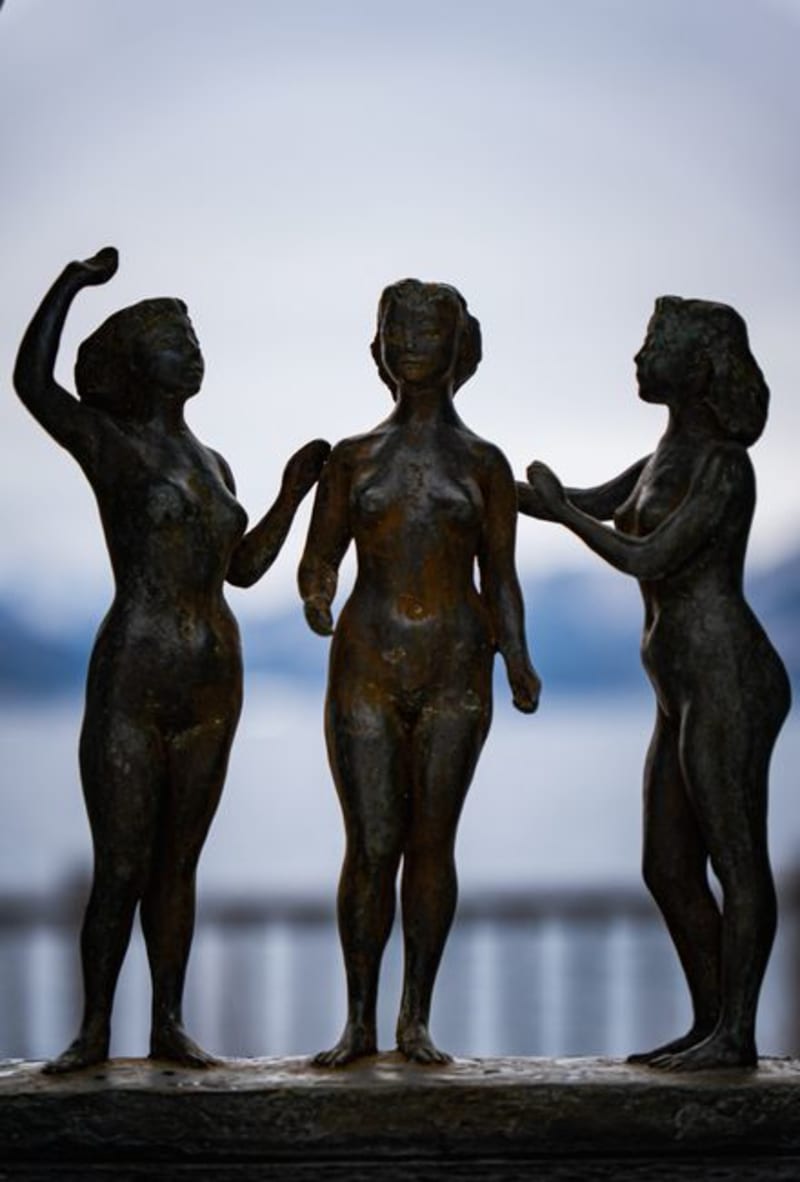 japan
japan Lake Tazawa
A startlingly blue crater lake in the mountains of Akita, the deepest in Japan, with the golden Tatsuko statue standing in its shallows. Serene, vivid, and close to the wild cedar baths of Nyūtō. A place that seems lit from below.
Explore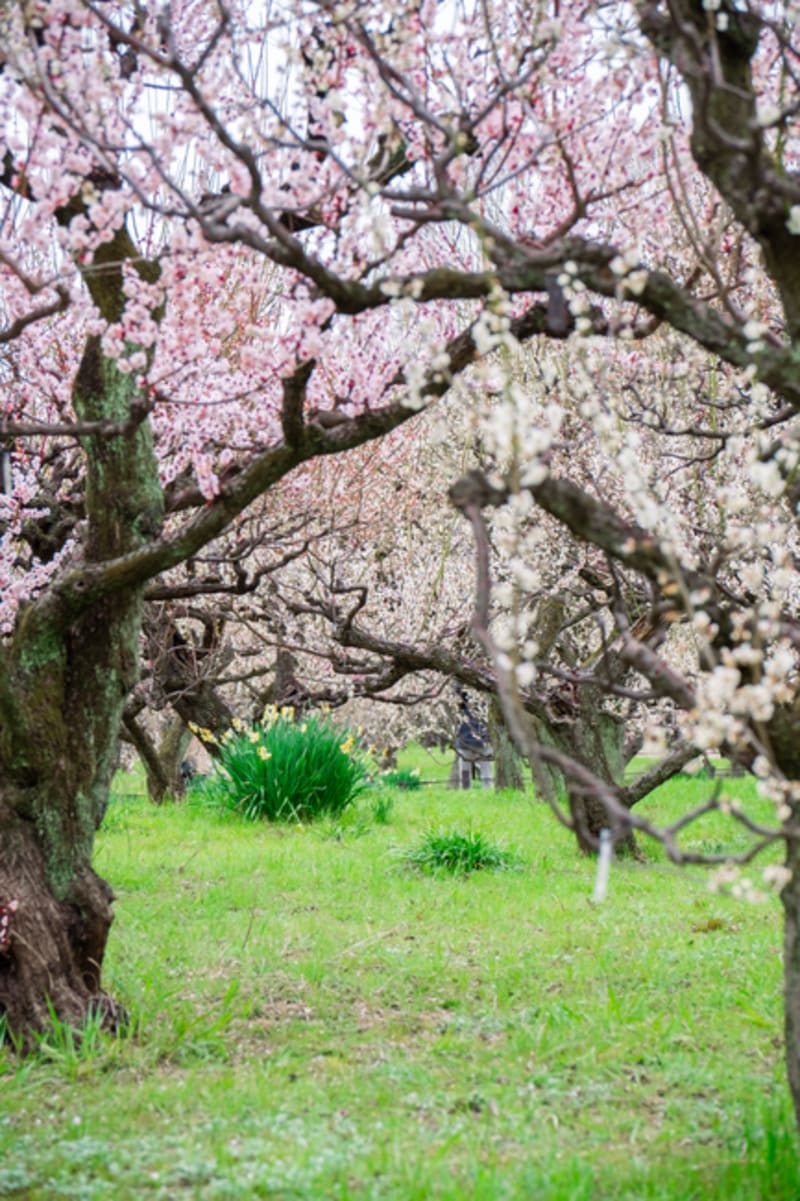 japan
japan Tendo
A small Yamagata town that carves nearly all of Japan's shogi pieces, where the game is played on human-sized boards in the cherry blossoms and soaked away afterward in quiet hot springs. Tendo is craft, orchard, and steam in equal measure.
Explore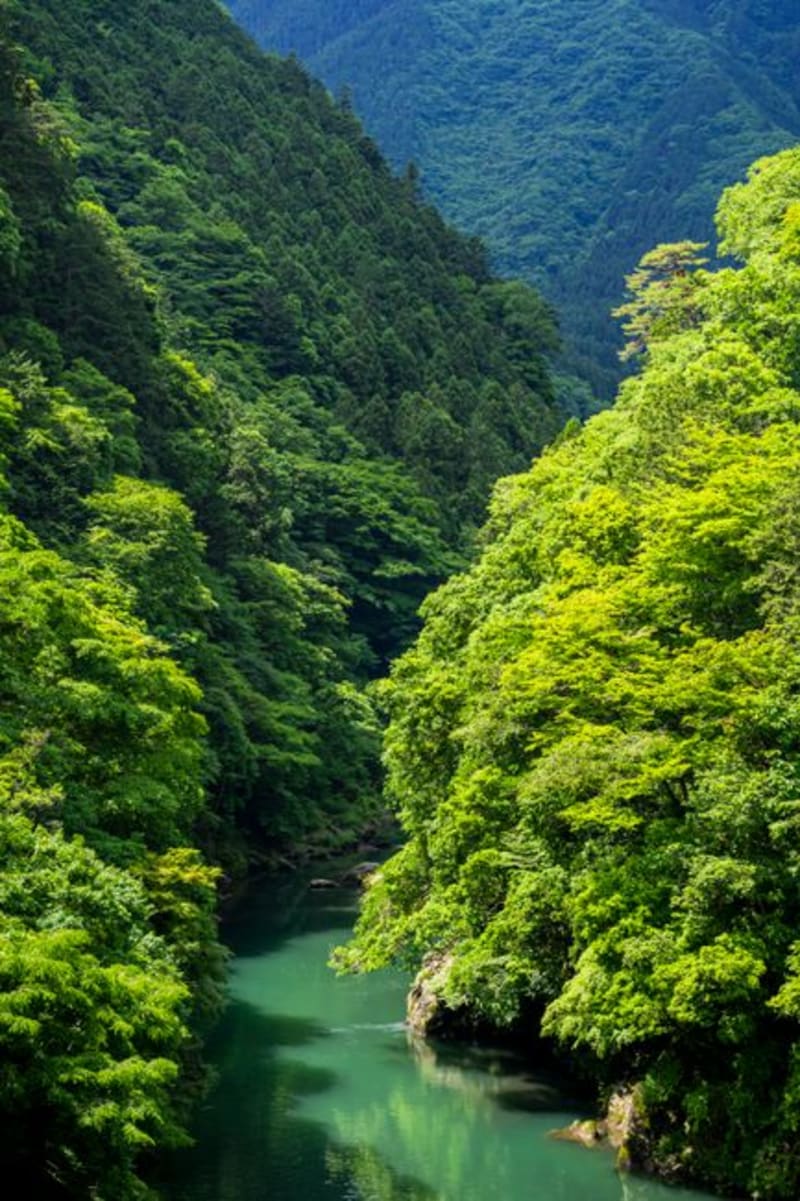 japan
japan Tōno
A misty valley in rural Iwate that is the beating heart of Japanese folklore, where water-spirits are said to haunt the streams, L-shaped farmhouses shelter horses under the same roof as families, and the rice paddies keep a slow, older rhythm. A place where the old stories still feel possible.
Explore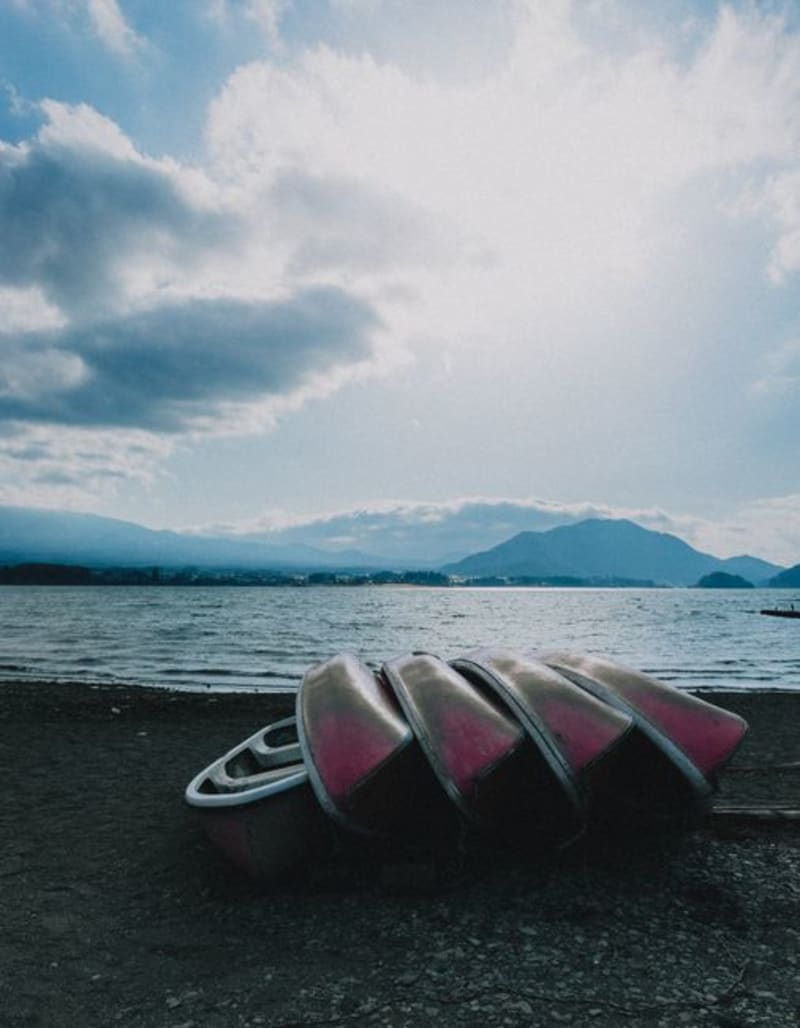 japan
japan Towada
A deep, still caldera lake straddling Aomori and Akita, feeding the mossy rush of the Oirase Stream through a gorge that turns to fire each autumn. Lakeside forest, quiet water, and the famous bronze maidens standing at the shore. A place to slow your breathing.
Explore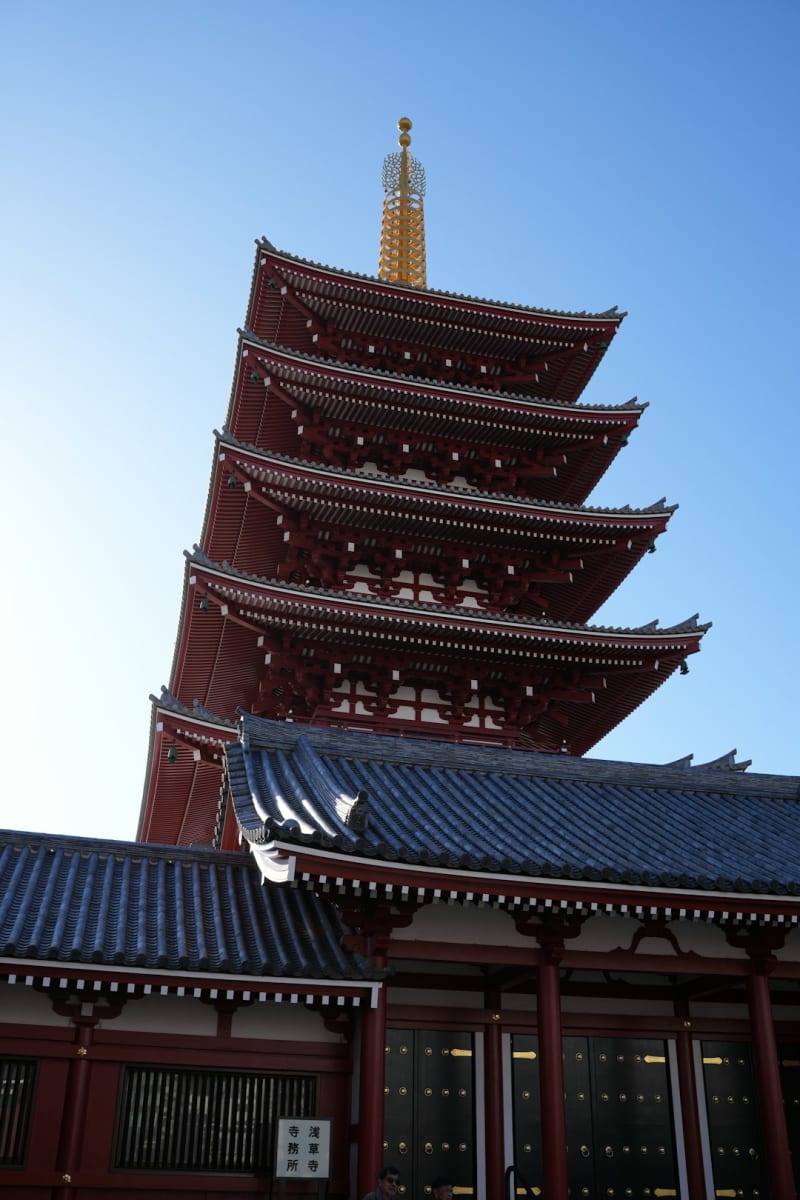 japan
japan Tsuruoka
A food-proud castle town at the foot of the sacred Dewa Sanzan peaks, where mountain vegetables and dadacha-mame edamame carry a UNESCO badge and a jellyfish aquarium drifts by the sea. Rural Yamagata at its most unhurried and quietly deep.
Explore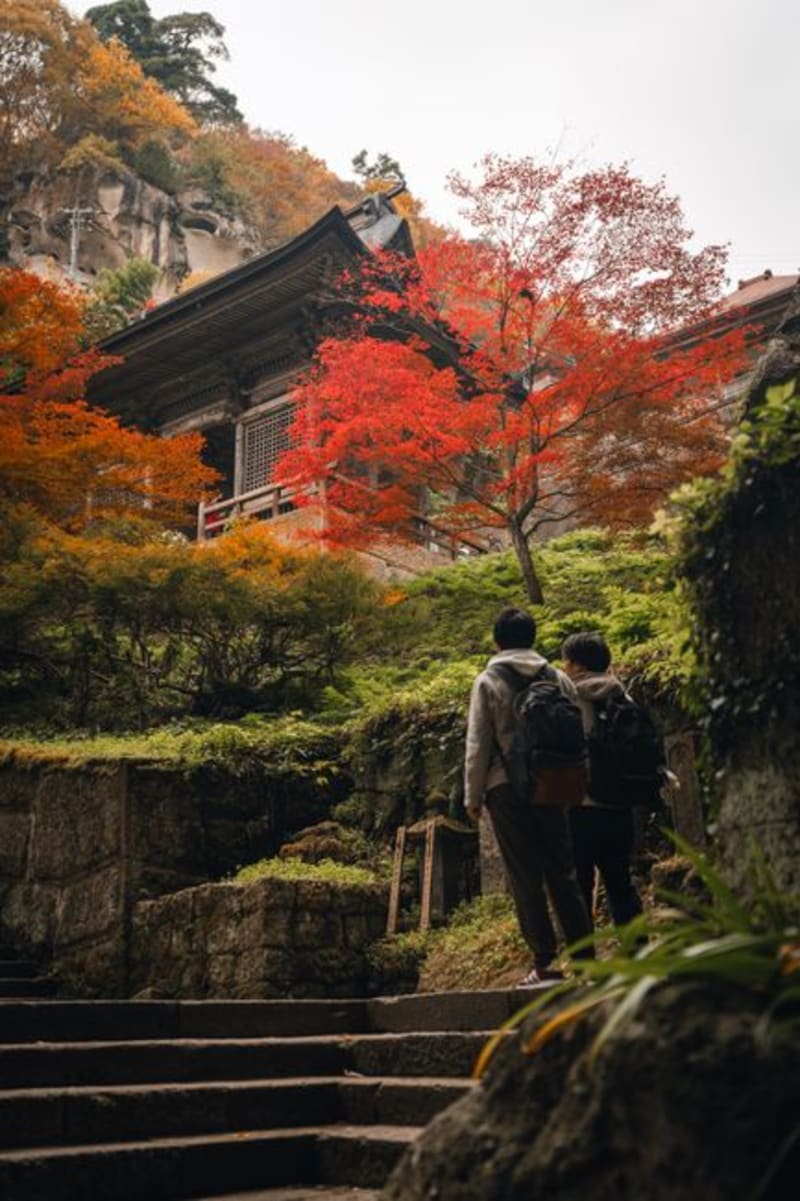 japan
japan Yamadera
A mountain temple whose weathered halls cling to forested cliffs above a Yamagata valley, reached by a thousand mossy stone steps. The place where Bashō heard cicadas and stillness in the same breath, and wrote it down.
Explore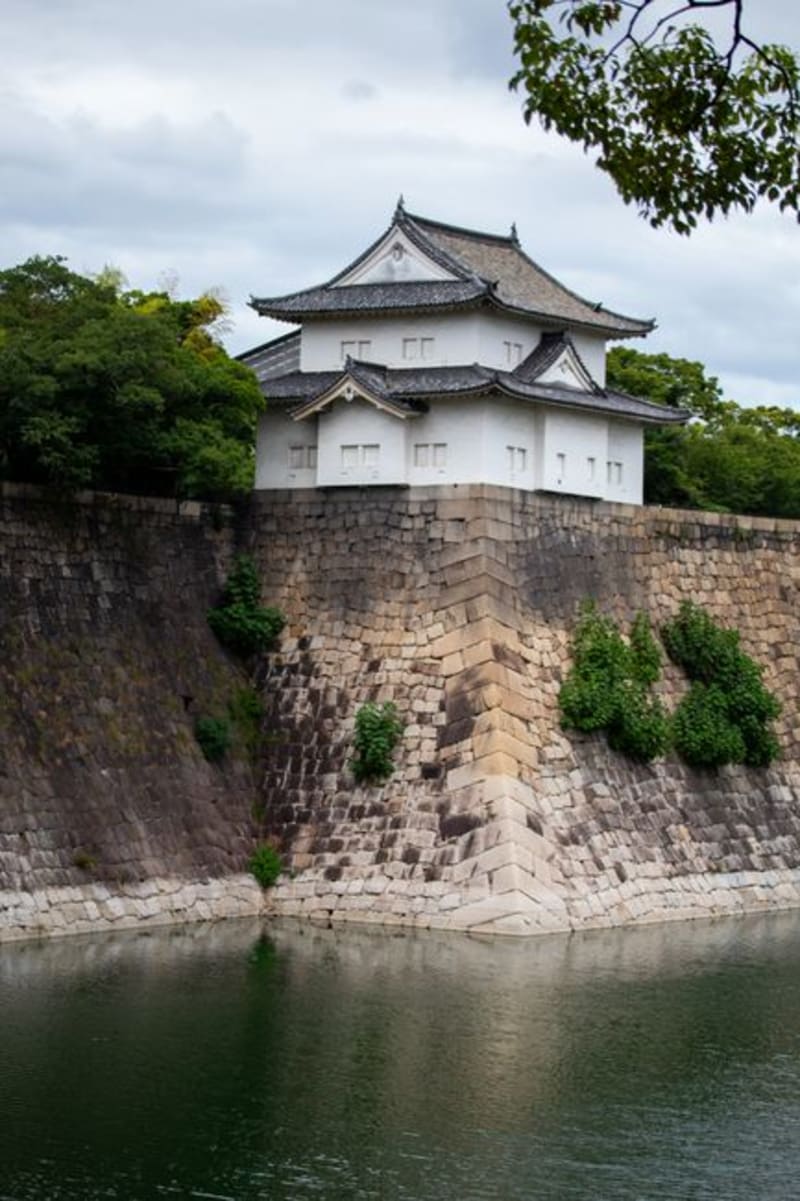 japan
japan Yamagata
A mountain-ringed Tōhoku city beneath the Zaō range, the low-key springboard for the cliffside temple of Yamadera. Famous cherries and autumn imoni stew, hot springs a short ride away, and a friendly, unshowy pace that grows on you.
Explore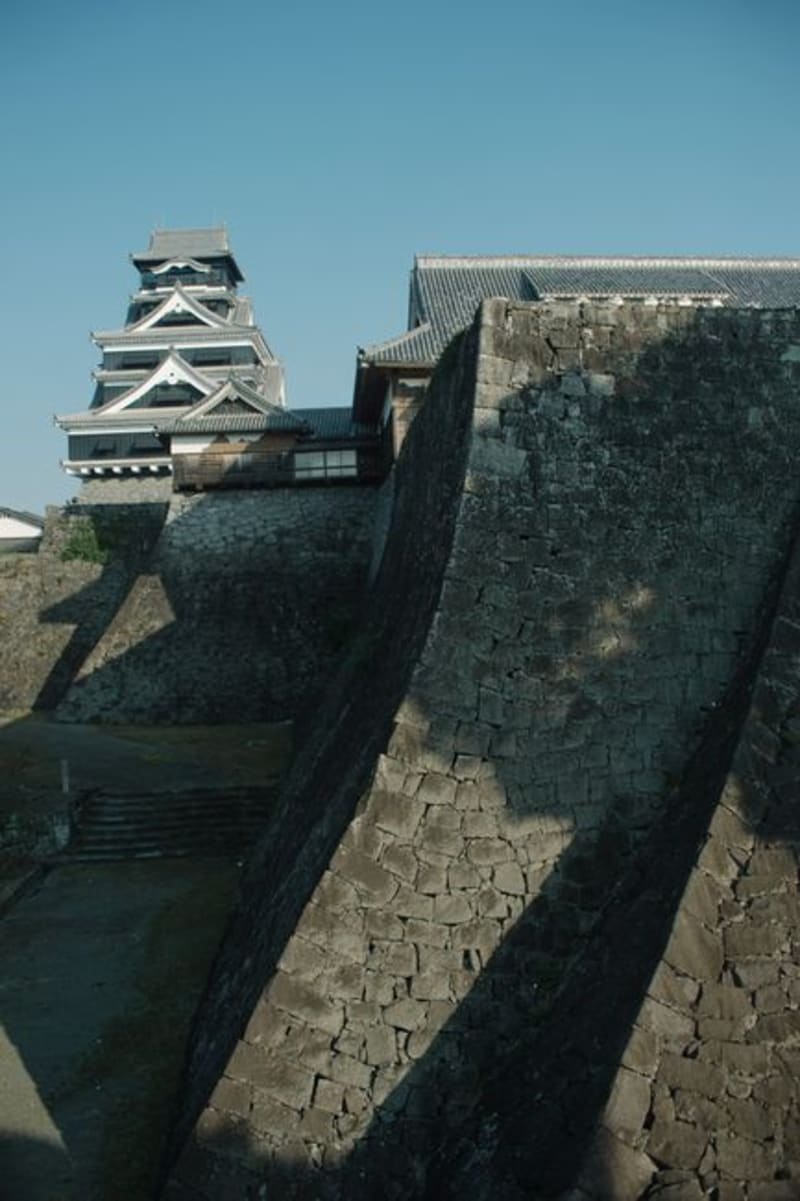 japan
japan Yonezawa
A Yamagata castle town where the Uesugi clan made its last stand and turned adversity into art. The beef is deservedly famous, but the quieter pleasure is walking the old castle moat while snow ticks down onto black pines. It rewards you for slowing to its pace.
Explore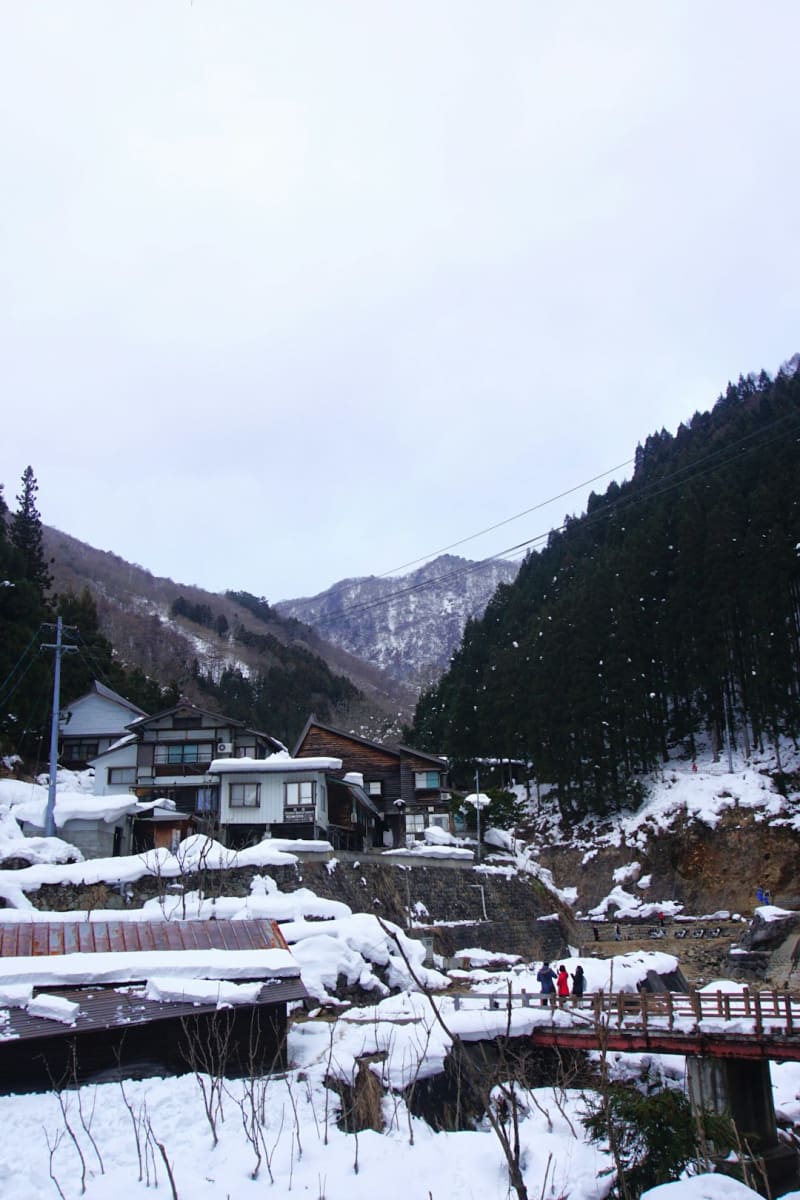 japan
japan Zaō Onsen
A Yamagata mountain resort where winter freezes whole forests into ghostly white 'snow monsters', sulfur baths steam milky-blue against the cold, and a jade crater lake surfaces in summer. One of the strangest and most beautiful nights we spent in Japan.
Explore