
An Aomori port city that keeps its back to the tourist trail and its face to the Pacific. A vast Sunday-dawn market, a warren of tiny drinking alleys, seafood pulled from cold northern water, and a green coast where the grass runs right down to the tide.
We came to Hachinohe almost by accident — a name on the timetable at the far edge of Aomori, a place none of the guidebooks Lia and I carried had bothered to describe. That was exactly why we went. We arrived on a Saturday night with no plan beyond finding dinner, and a man at our tiny inn drew us a map on the back of a receipt: a cross for the Sunday market, a scribble for the drinking alleys, a wavy line for the coast. Follow all three, he said, and you’ll understand the town. We did, and he was right. Hachinohe is not a place that dresses itself up for visitors. It smells of fish and diesel and cut grass, and I liked it more than places three times as famous.
The Tatehana Morning Market
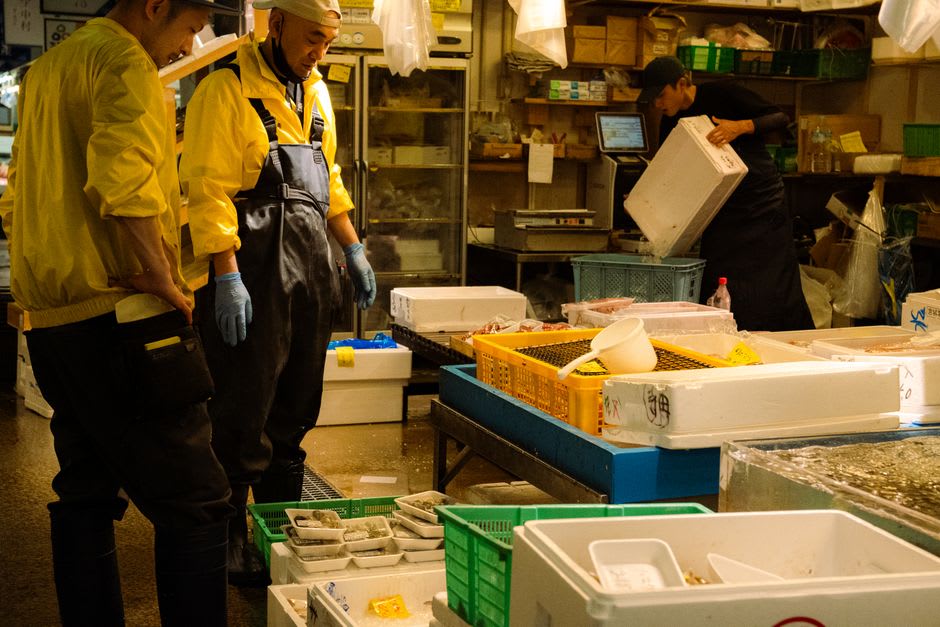
We set an alarm we resented and walked down to the Tatehana Wharf Morning Market while the sky was still the color of wet slate. It is enormous — hundreds of stalls unrolling along the quayside every Sunday from spring through late autumn, one of the largest markets of its kind in the country. There were grandmothers selling mountain vegetables from buckets, men grilling scallops the size of my palm, trays of sea urchin and squid still smelling of the boat, pickles, rice cakes, hot miso soup handed over in paper cups. Nobody was performing for us here, and that turned out to be the whole point. We ate standing up, breath steaming, buying whatever looked good and asking what it was afterward. Lia found a stall selling senbei-jiru, the local cracker soup, and we sat on an upturned crate to share it as the market roared awake around us.
Yokocho and the Drinking Alleys
By night Hachinohe turns inward, into a dense knot of yokocho — narrow drinking alleys threaded through the center of town, lantern-lit, barely wide enough for two people to pass. There are several of these lanes clustered together, each stall-bar seating maybe six or eight people at a counter, and stepping through a noren curtain feels like being let into someone’s kitchen. We squeezed into one where the owner cooked over a single grill and everyone already knew everyone. Within an hour we were part of a conversation about the fishing season conducted mostly in gestures and refilled glasses, a retired sailor insisting we try the local squid, Lia laughing at a joke none of us could translate. This is drinking as the town actually does it — small, warm, unpolished, wonderfully unhurried.

The Tanesashi Coast
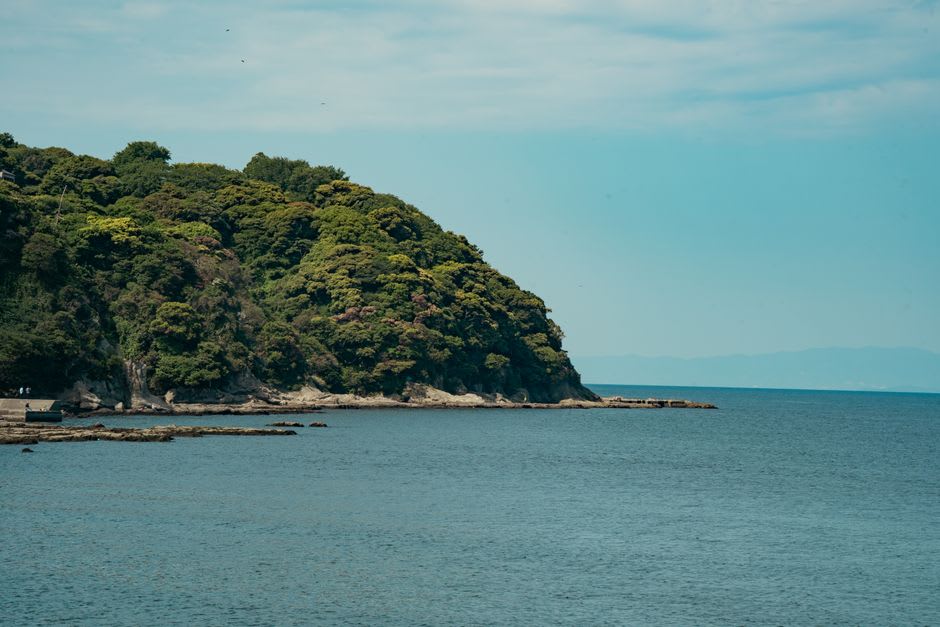
To clear our heads the next day we took the coast road out to Tanesashi, and it undid every idea I had about what a Japanese shoreline looks like. Instead of concrete tetrapods there was a broad natural lawn — genuine grass, cropped and springy — sweeping right down to the rocks and the Pacific beyond. We walked the coastal trail for a couple of hours, past pines bent by the wind and little coves where the tide sucked at black stone, and eventually just lay back on the grass with the sea filling the whole horizon. A few local families were doing the same, unbothered, as though a green cliff meeting the ocean were the most ordinary thing in the world. For them it is. For us it was the sort of quiet, unadvertised beauty that makes you glad you followed a map drawn on the back of a receipt.
Getting There
Hachinohe sits on the Tohoku Shinkansen, a little under three hours from Tokyo, which makes it far easier to reach than its off-the-map feeling suggests. From Aomori city it’s a short hop by limited express or local line. The Sunday morning market runs beside Tatehana Wharf and is best reached by a quick taxi or local bus before dawn — it winds down by mid-morning, so go early and hungry. For the Tanesashi Coast, take the JR Hachinohe Line out along the shore and walk the marked coastal path between stations. Come between spring and autumn for the market, wear a layer more than you think you’ll need for the sea wind, and leave at least one evening free to get lost in the yokocho.
Keep exploring
More of Tōhoku