A sprawling, sun-warmed city on Fukushima's Pacific coast, where surf beaches meet a palm-fringed spa resort born from the ashes of a coal town. Iwaki wears its history and its reinvention with an easy, unpretentious grin.
I will admit that Iwaki was not on our list. We ended up there almost by accident, breaking a long train journey down the coast, and I’m glad we did, because it turned out to be one of those places that rearranges your assumptions. Lia had read something about a Hawaiian resort in the mountains of Fukushima and refused to believe it until we walked through the doors of Spa Resort Hawaiians and a woman in a grass skirt handed us each a paper lei. A Hawaiian dance hall built by miners’ daughters — I did not see that coming. The story behind it, we’d learn, is one of the more improbable and moving in Japan.
The spa that a dying coal town dreamed up
In the 1960s, as the Jōban coal mines were closing and the town faced ruin, someone had the audacious idea to pipe the hot mineral water that plagued the mines into a tropical resort, and to train the daughters of laid-off miners as hula dancers. It should have been ridiculous. Instead it saved the town, and it’s still going — a warm, kitschy, wholly sincere palace of pools and palm trees where Lia and I floated under a glass roof while snow, we were told, sometimes falls outside. The hula show that evening was genuinely lovely, danced by local women with a pride you could feel from the back row. I went in braced for something naff and came out unexpectedly touched.
Down to the Pacific
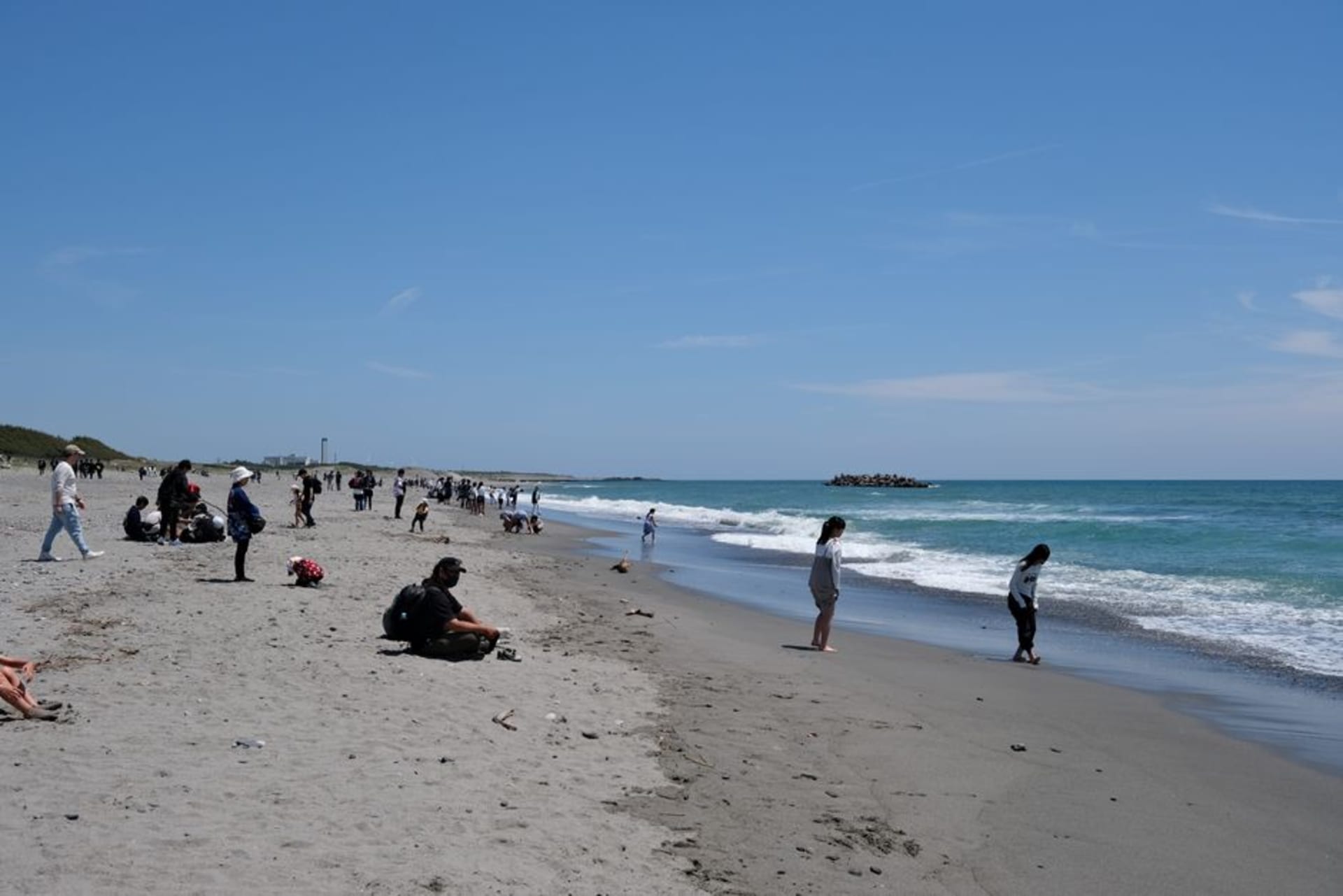
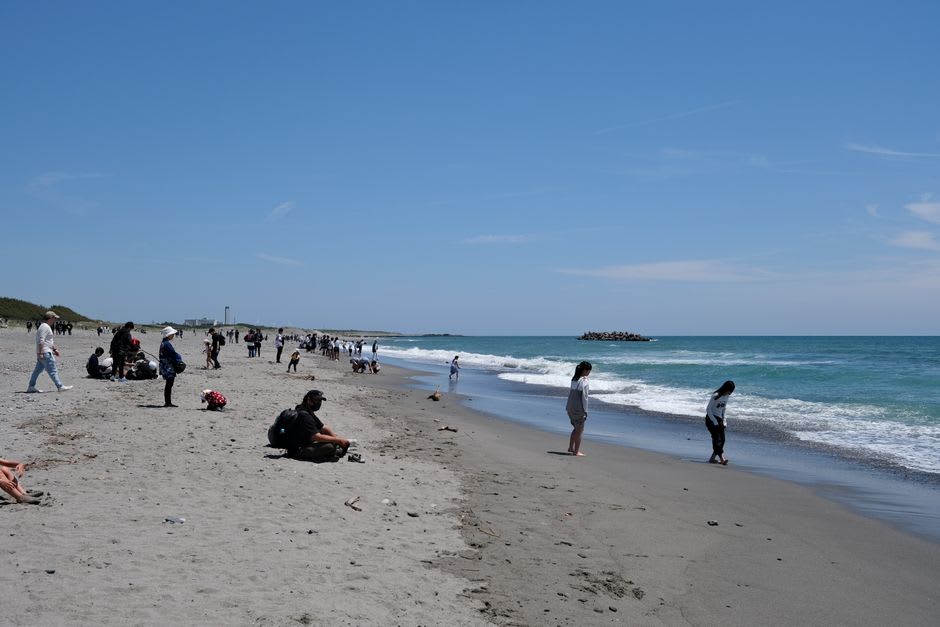
The next morning we went to the sea. Iwaki’s coast is long and generous, and Usuiso and Yotsukura beaches were wide and bright, the Pacific rolling in with a steady, muscular calm. There were surfers out beyond the break and a scattering of families digging in the sand. This coast took the full force of the 2011 tsunami, and you can still read the recovery in the new seawalls and the careful, replanted pines — but what struck me was how thoroughly life had returned. An old fisherman mending nets near the harbor waved us over and, with no shared language at all, insisted we admire his catch. Lia bought grilled scallops from a stall and we ate them looking at the horizon, salt on our lips.

Aquamarine and the deep
Our last stop was Aquamarine Fukushima, the big aquarium on the waterfront, which I’d have skipped if Lia hadn’t insisted. It’s built around the meeting of two great ocean currents off this coast, the warm Kuroshio and the cold Oyashio, and the main tank recreates that collision — a triangular tunnel where sardines wheel in silver clouds overhead. There’s a touch pool where children shrieked over the horseshoe crabs, and outdoor tanks where seals lazed in the sun. It reopened not long after the disaster with fish flown back in from other aquariums, a small stubborn act of faith in the future. We spent longer there than either of us expected, and left in a good mood, which is really all you can ask of a city that had every reason to give up and didn’t.
Getting There
Iwaki is easy to reach — it sits on the Jōban Line, a little over two hours by limited express from Tokyo’s Ueno Station, which makes it a plausible overnight escape from the capital. Lia and I came down the coast from the north, but most travelers arrive from Tokyo. The city is vast and spread out, so a rental car or the local buses help; the spa resort runs its own free shuttle from Iwaki Station and from Tokyo if you book ahead. Spring and summer are best for the beaches, but the indoor spa makes Iwaki a fine wet-weather or winter stop too.
Keep exploring
More of Tōhoku