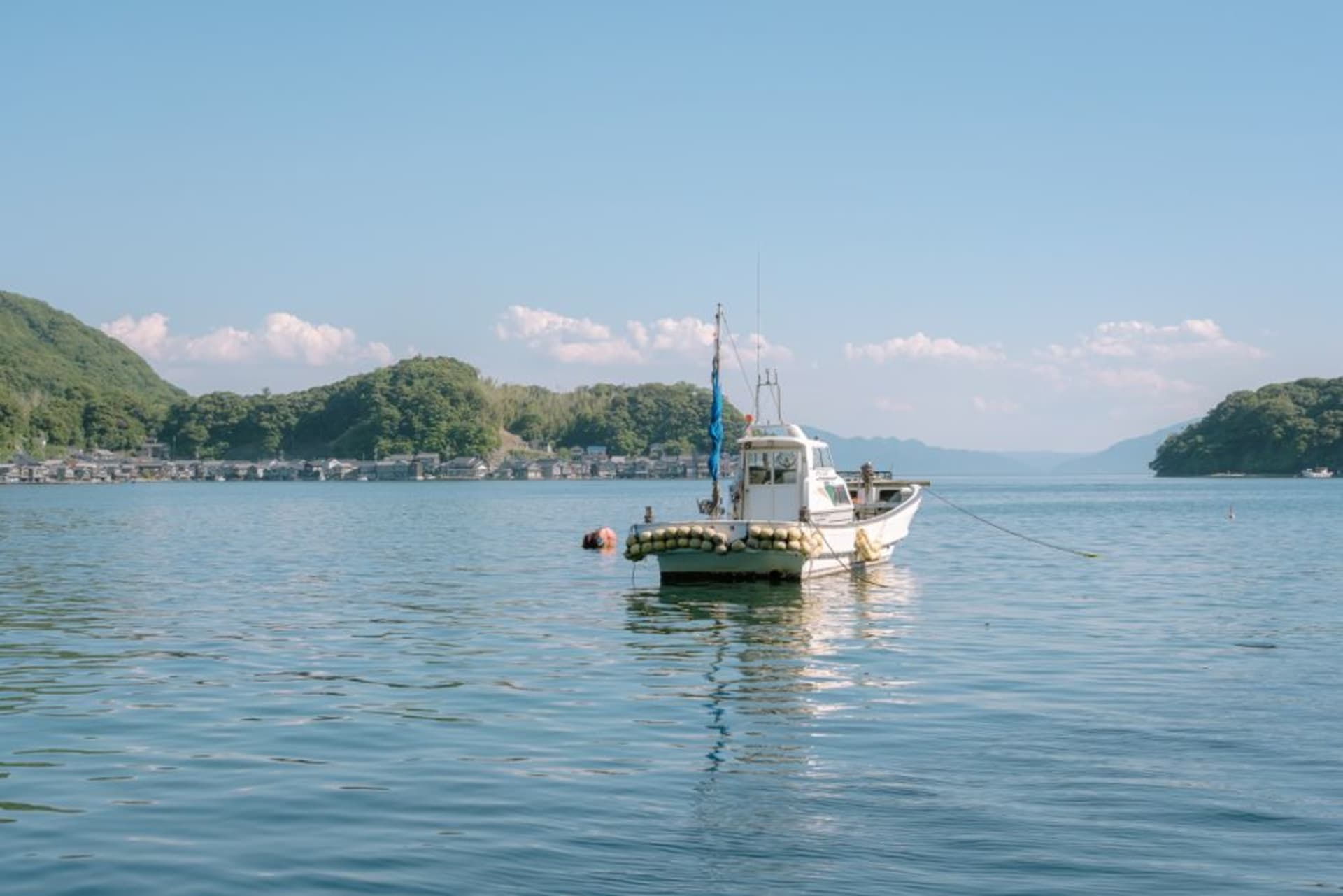
Kesennuma
"This is a town that was taken apart by the sea and chose to keep living beside it anyway."
A Miyagi fishing port on a deeply indented ria coast, famous for bonito and shark fin. Hit hard by the 2011 tsunami and resiliently rebuilt, it is a working harbour of fresh seafood and quiet recovery.
I’ll admit we came to Kesennuma unsure whether we should. It is one of the towns the 2011 tsunami hit hardest, a name I remembered from the news, and it felt presumptuous to arrive as travellers. What we found was a working fishing port getting on with its life — boats coming in, ice being loaded, the market busy at dawn — set on one of the most beautiful indented coastlines in Tōhoku. The town sits at the head of a deep inlet where the sea reaches far inland between forested hills, the classic drowned-valley ria coast of this stretch of Japan. Lia and I walked down to the rebuilt waterfront on our first evening, watched the boats, and felt the particular weight of a place that had been unmade by the water and had decided, deliberately, to remake itself right where it stood.
A Working Port
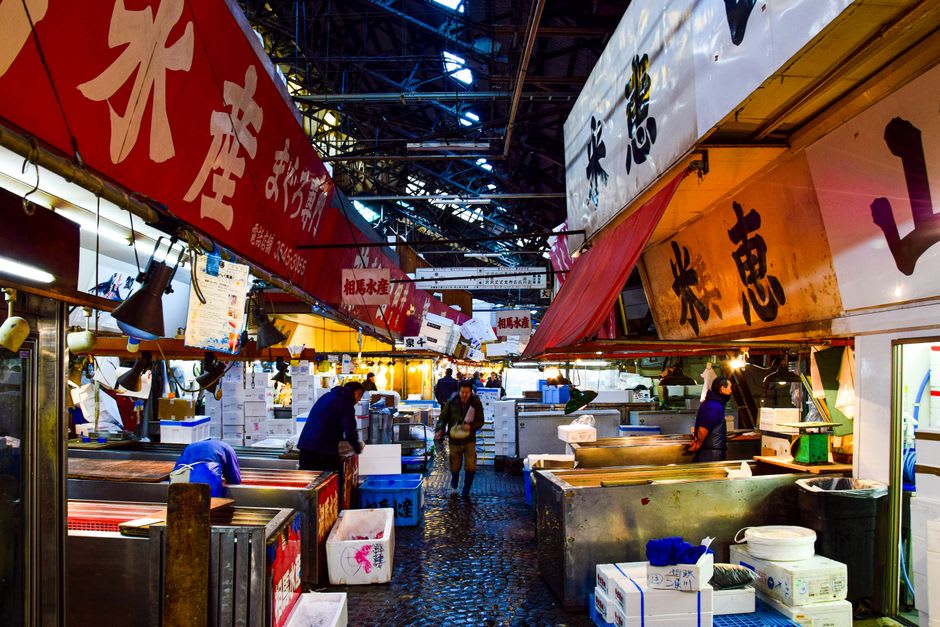
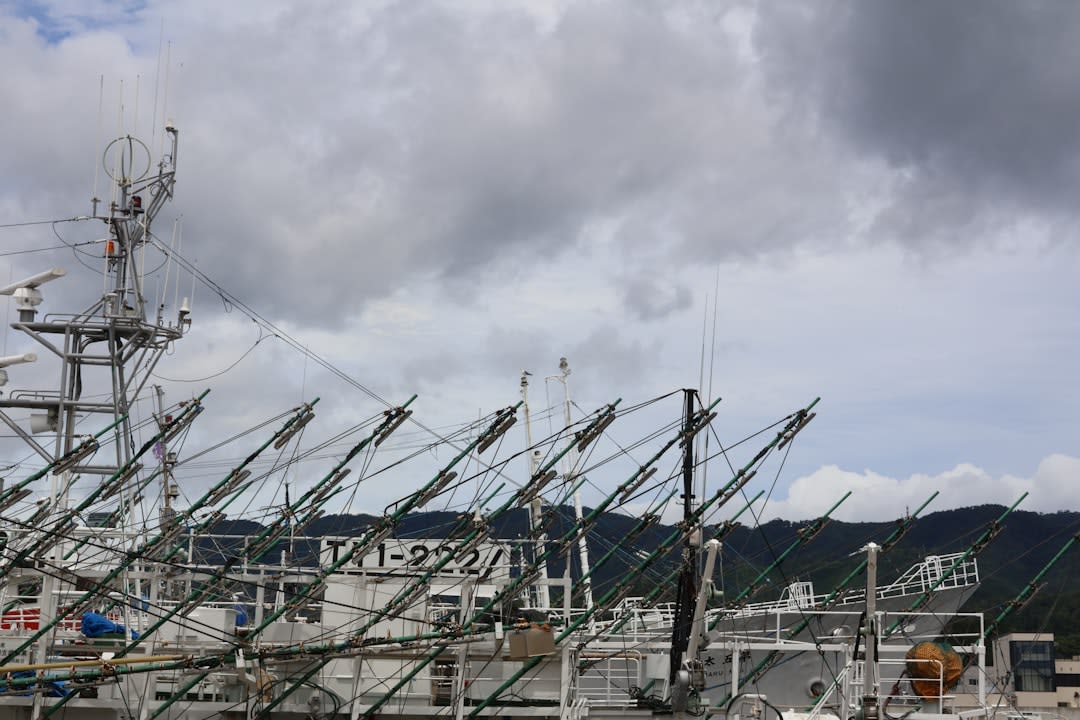
Kesennuma is a serious fishing town, one of the great ports of Tōhoku, and its identity comes off the boats. It’s famous above all for bonito — skipjack tuna — landing more of it than almost anywhere in Japan, and for shark, from which the prized shark fin is dried and traded. The morning fish market is the town’s beating heart, and we went early to watch the day’s catch come across the floor, buyers and fishermen in rubber boots, the smell of cold seawater and diesel. Down on the rebuilt quays the ice plants and processing sheds run at full tilt. This is not a place dressed up for visitors; it’s a port doing its work, and the pleasure of it is exactly that — standing at the edge of a real industry as it happens.
The Ria Coast
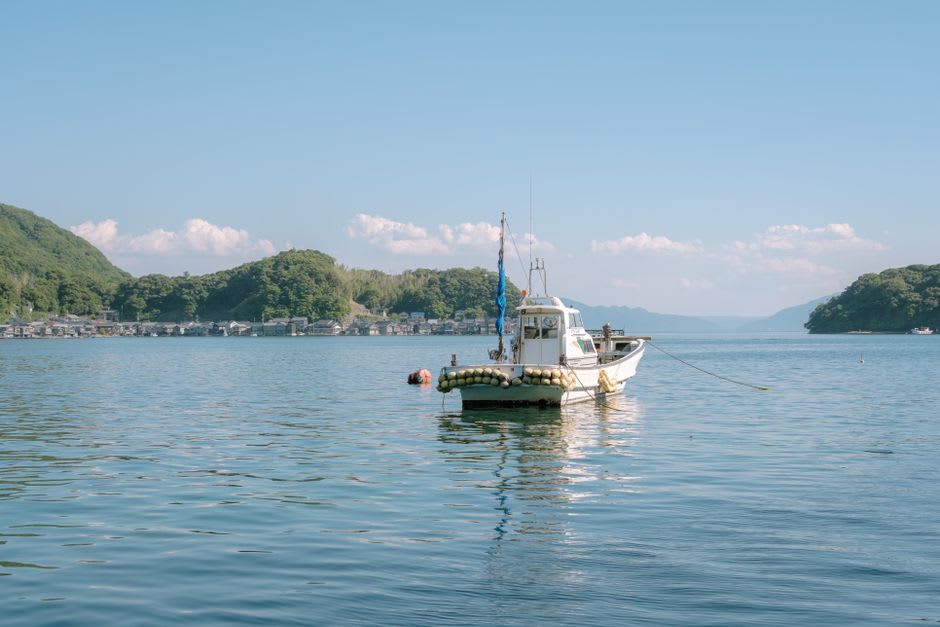
The coastline around Kesennuma is extraordinary — part of the Sanriku ria coast, where old river valleys have been drowned by the sea to leave a deeply crenellated shore of inlets, peninsulas, and islands. Out in the mouth of the bay lies Oshima, the largest island off Tōhoku’s coast, now linked to the mainland by a bridge; we drove across and up to a viewpoint where the whole indented coast lay spread below, blue water reaching into green hills in every direction. The peninsula tips hold small beaches and sea-cliff walks, and the light on the water, threading in and out of the land, is the reason painters and photographers come. It is a coast shaped by the sea’s reach inland — the same force that made the tsunami so devastating here — and it is genuinely, hauntingly lovely.
Recovery and Remembrance
You cannot understand Kesennuma without the tsunami, and the town, to its credit, doesn’t hide it. Much of the low ground has been rebuilt higher, and along the water there are memorials and preserved sites that tell what happened in March 2011 plainly and without melodrama. We visited a preserved building left as the wave left it, a stark and quiet place, and read the accounts of the night the sea came in. But what stayed with me was not the destruction — it was the rebuilding: the new market hall, the raised streets, the ordinary busy life going on. We ate that evening in a small izakaya near the port, the freshest bonito sashimi I’ve had anywhere, the owner cheerful and unhurried, and it felt like the truest kind of memorial — a town that had chosen, against everything, to keep eating and working and living beside the sea.
Getting There
Kesennuma sits on the northeastern coast of Miyagi Prefecture, on the Sanriku ria coast of Tōhoku, and reaching it takes a little patience. The usual route is via Sendai: take the shinkansen or local line to Ichinoseki, then the local train east to Kesennuma, or come up the coast on the BRT bus-rapid-transit line that now runs along much of the tsunami-affected shore in place of the old railway. A rental car makes the ria coast, Oshima island, and the memorial sites far easier to link together, and the drive along the indented shore is part of the reward. Any season works, though the coast is at its softest in late spring and autumn; come with a bit of time, an appetite for seafood, and a willingness to sit with the town’s recent history as well as its beauty.
Keep exploring
More of Tōhoku