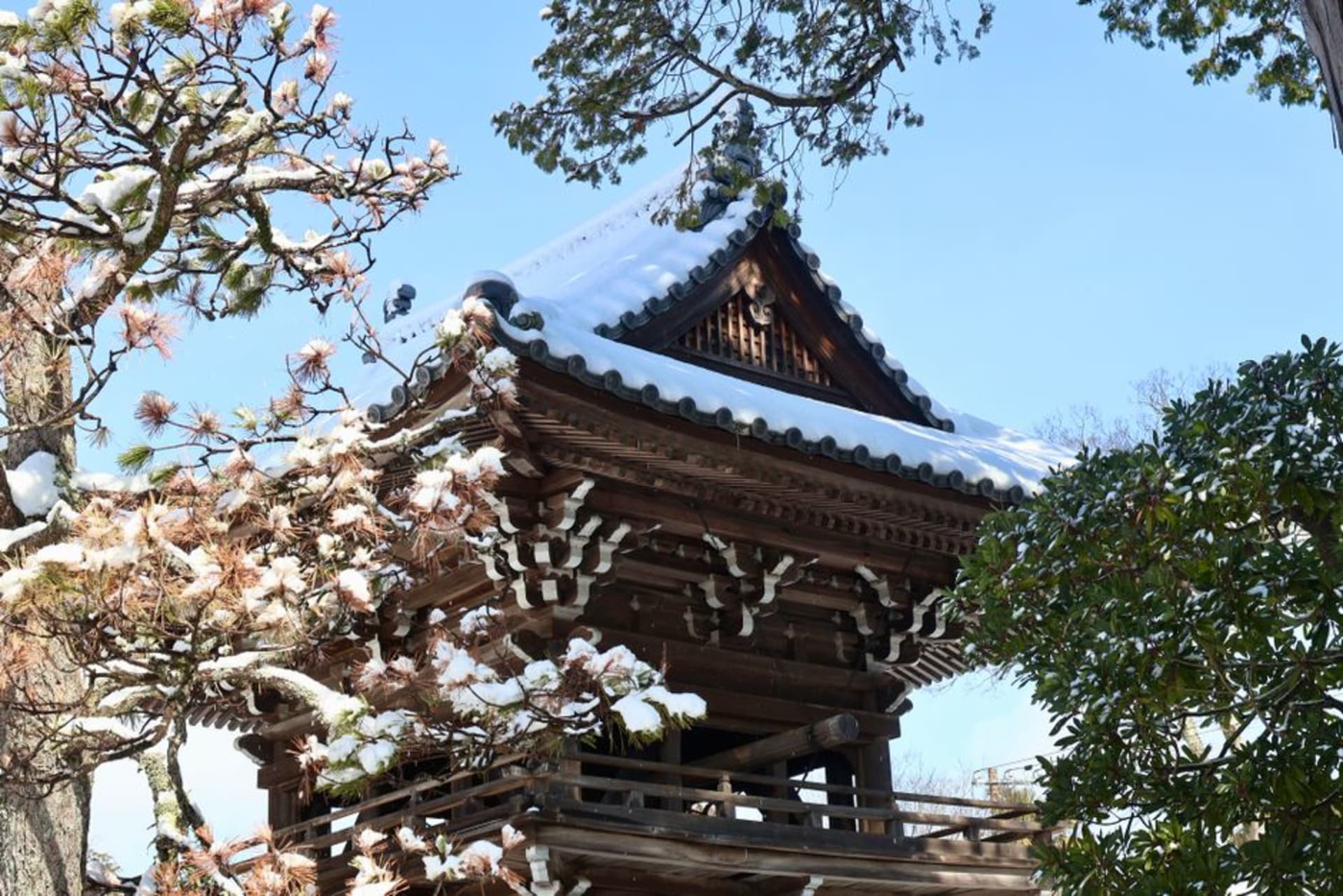
A Yamagata castle town where the Uesugi clan made its last stand and turned adversity into art. The beef is deservedly famous, but the quieter pleasure is walking the old castle moat while snow ticks down onto black pines. It rewards you for slowing to its pace.
We came to Yonezawa for the beef, if I’m honest, and left thinking about a bankrupt lord who planted lacquer trees. That happens here. You arrive with an appetite and the town quietly hands you a lesson in dignity instead, then feeds you anyway. It was late afternoon when we stepped off the train, the light already going blue at the edges, and Lia pulled her scarf up and said the air smelled of woodsmoke and snow. We walked toward the castle without a map, which is the only way I’ll admit to travelling, and let the town gather around us.
Standing in the Uesugi’s snow
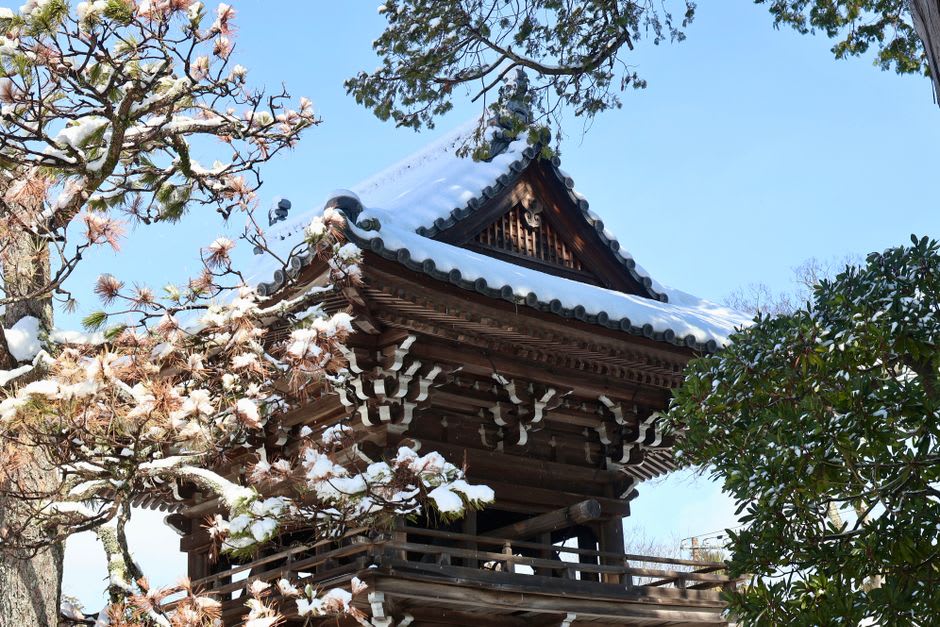
Yonezawa Castle is gone now — only the moat and the earthworks survive, wrapped around the grounds of Uesugi Shrine like a memory that refuses to leave. We crossed the little bridge as the first flakes came down, and the whole enclosure went hushed. A shrine priest was sweeping the approach with a bamboo broom, unhurried, the sound of it very clean in the cold. The Uesugi clan ruled here for centuries, exiled from richer lands, and you feel that history less as grandeur than as endurance. Lia stood a long time under the pines reading the plaque about Uesugi Yozan, the lord who dragged the domain back from ruin by teaching his samurai to farm and weave. I liked that the town remembers a reformer more warmly than a warrior.
The beef, and the ritual around it
Then, yes, the beef. We found a small place near Monzen-dori where the owner grilled Yonezawa beef on a cast-iron plate at the table and watched our faces with the confidence of a man who already knows how this ends. The fat is the thing here — it melts almost before the meat, a faintly sweet richness that made Lia put her chopsticks down and laugh. We ordered a second portion we didn’t need. The owner told us the cattle are raised slowly in the cold basin winters, and that patience is the whole secret, which felt like the town explaining itself. We walked it off afterward through streets where snow had started to stack on the eaves.
Onogawa’s quiet water
On our last morning we took the bus out to Onogawa Onsen, a tiny hot-spring hamlet in the hills southeast of town, more a cluster of inns than a resort. The water there runs faintly milky and smells of iron and earth. We soaked in a small public bath while an old man told us, in slow careful Japanese we half-followed, that the spring had been discovered by a wandering monk twelve hundred years ago. Whether that’s true hardly matters. Afterward we sat on a bench outside with cans of hot coffee from a vending machine, steam rising off our shoulders into air cold enough to sting, and neither of us said much. Lia said the town felt like a held breath, and she was right.
Getting There
Yonezawa sits on the Yamagata Shinkansen, about two and a quarter hours from Tokyo Station on the Tsubasa service — an easy, scenic run once the line climbs into the mountains. From within Tohoku, local trains connect to Yamagata city in under an hour. The central sights around Uesugi Shrine are a flat fifteen-minute walk or a short bus ride from the station; for Onogawa Onsen, buses run from the station forecourt several times a day, though in deep winter check the timetable before you commit. Rent nothing — this is a town best crossed on foot, slowly, with snow on your collar.
Keep exploring
More of Tōhoku