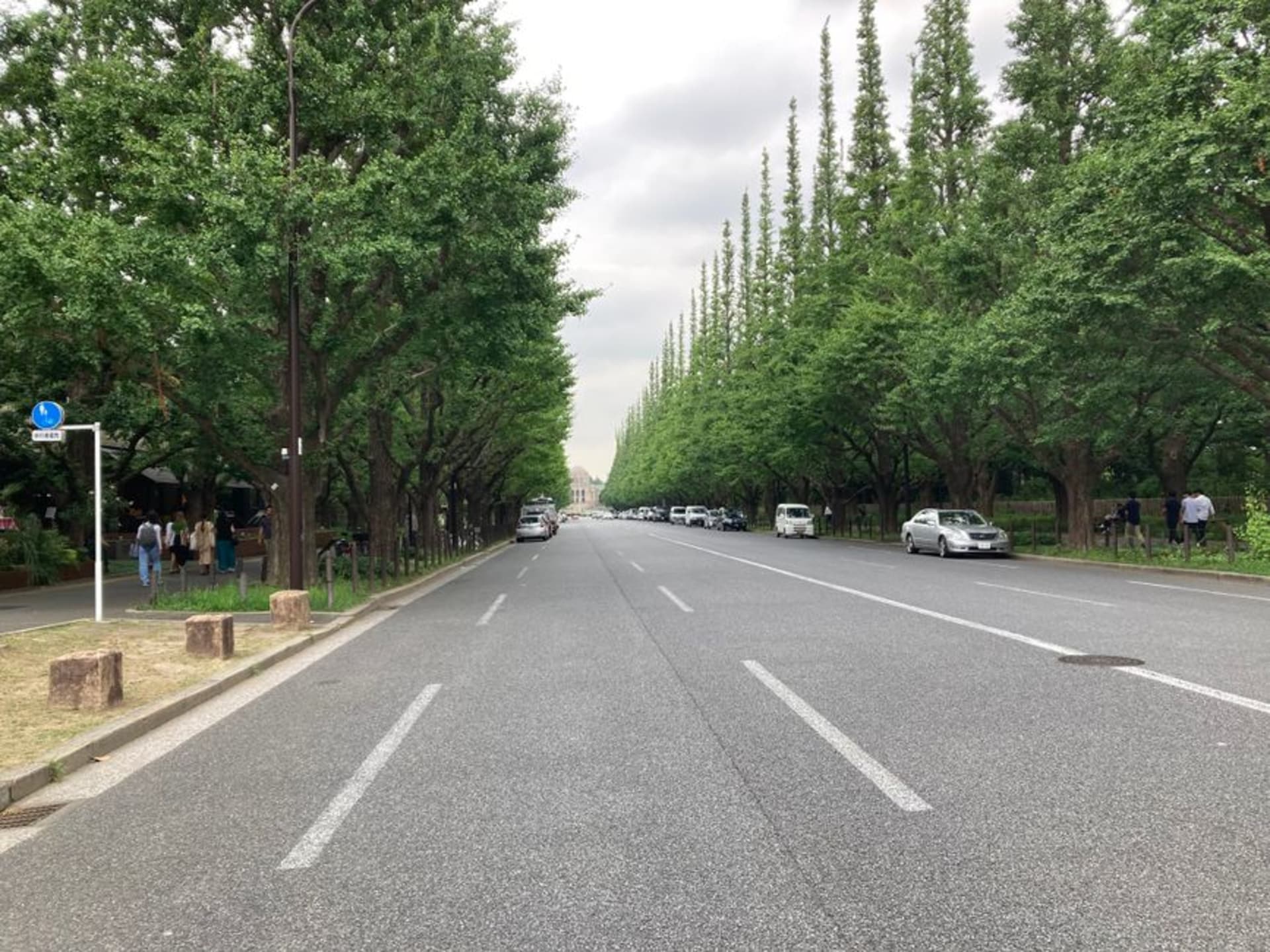
The relaxed City of Trees in the heart of Tōhoku, where broad zelkova-lined avenues shade the sidewalks and the hilltop ruins of a warlord's castle look out over the plain. Grilled beef tongue, green boulevards, and the quiet coast a short ride away.
Sendai was a place we almost skipped, and I keep telling people not to make the same near-mistake. We’d been moving fast, ticking off the famous names, and Lia suggested we stop somewhere with no obligations — a city where we could just live for two days rather than sightsee. Sendai turned out to be exactly right. It’s the biggest city in the Tōhoku region, the northeast of the main island, but it wears its size lightly, and the first thing you notice stepping out of the enormous station is how green the streets are. They call it Mori no Miyako, the City of Trees, and for once the nickname is plain fact rather than tourist-board wishful thinking.
The Green Avenues
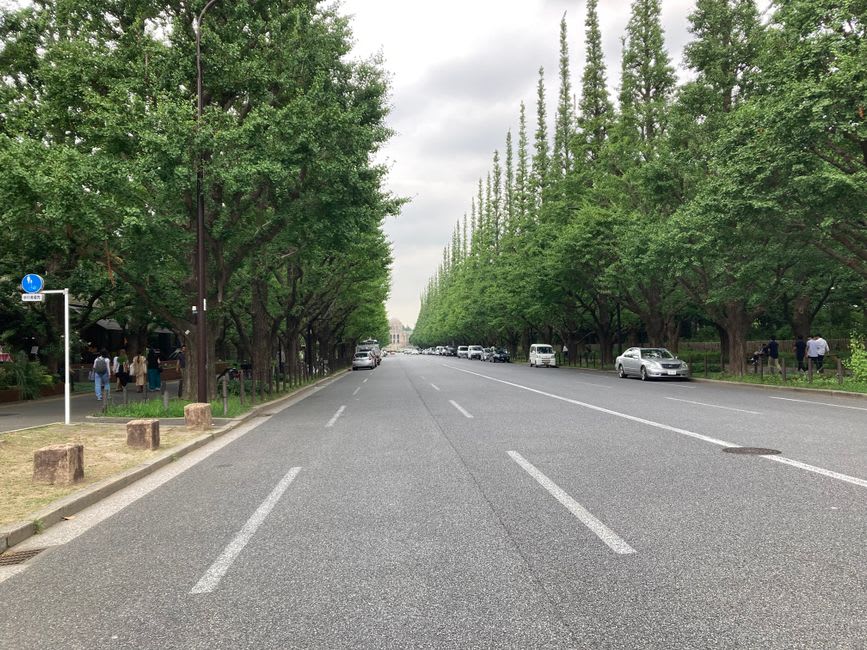
The zelkova trees are the whole personality of central Sendai. The main boulevards — Jozenji-dori especially — run beneath thick double rows of them, so that walking the sidewalks in summer is like moving through a green tunnel, the light coming down dappled and cool. We did almost nothing on our first afternoon but walk these streets, coffee in hand, drifting from one shaded bench to the next. There’s a jazz sensibility to the city — it hosts a big street music festival in September, and even out of season we passed buskers with saxophones under the trees. In December the same avenues light up with the Pageant of Starlight, hundreds of thousands of small lamps strung through the bare branches. Lia said Sendai felt like a city built at human scale, and I knew what she meant — nothing towered, nothing rushed.
Aoba Castle and Date Masamune
On a hill above the city sit the ruins of Aoba Castle, the stronghold of Date Masamune — the one-eyed warlord who founded Sendai in the early seventeenth century and remains its guiding ghost. The castle keep is long gone, but the massive stone foundations remain, and up top a bronze statue of Masamune sits astride his horse, crescent-moon helmet catching the light, gazing out over the city he planned. We climbed up in the late afternoon. From the ramparts the whole of Sendai spread out below, the green avenues threading through it, the river glinting, the sea a pale line at the far edge of the plain. A shrine near the summit was quiet, a priest sweeping the steps. Lia and I sat on the old stones for a long while, the warlord at our backs, the city he built laid out in front of us, and it was one of those hours that doesn’t need anything to happen in it.
Gyūtan and the Everyday
Sendai’s great culinary contribution is gyūtan — grilled beef tongue — and I’ll confess I approached my first plate with mild trepidation and left a convert. The city turned it into an art after the war, and the specialist restaurants grill thick-cut slices over charcoal until the edges char and the middle stays tender, served with barley rice and a clear oxtail soup. We ate it twice. The second time was at a tiny counter near the station where the cook worked in silence and the smoke filled the whole room, and it was, honestly, one of my favorite meals in Japan precisely because nobody was making an occasion of it. That was Sendai’s gift, in the end — an ordinary, comfortable, tree-shaded city that asked nothing of us and gave us two of the most restful days of the trip.
Getting There
Sendai is remarkably easy to reach: the Tōhoku Shinkansen runs from Tokyo in around ninety minutes to two hours, which makes it one of the most painless major cities to add to a mainland itinerary. There’s also an airport southeast of the city, linked to the center by a direct rail line, with domestic and some regional international flights. In town, a loop bus called the Loople conveniently links the castle, the trees, and the main sights, though the center is walkable. Sendai is a natural base for the coast — the pine-dotted islands of Matsushima Bay are a short train ride northeast — so leave time to head out to the sea. Summer for the deep green shade, early December for the avenues strung with light.
Keep exploring
More of Tōhoku