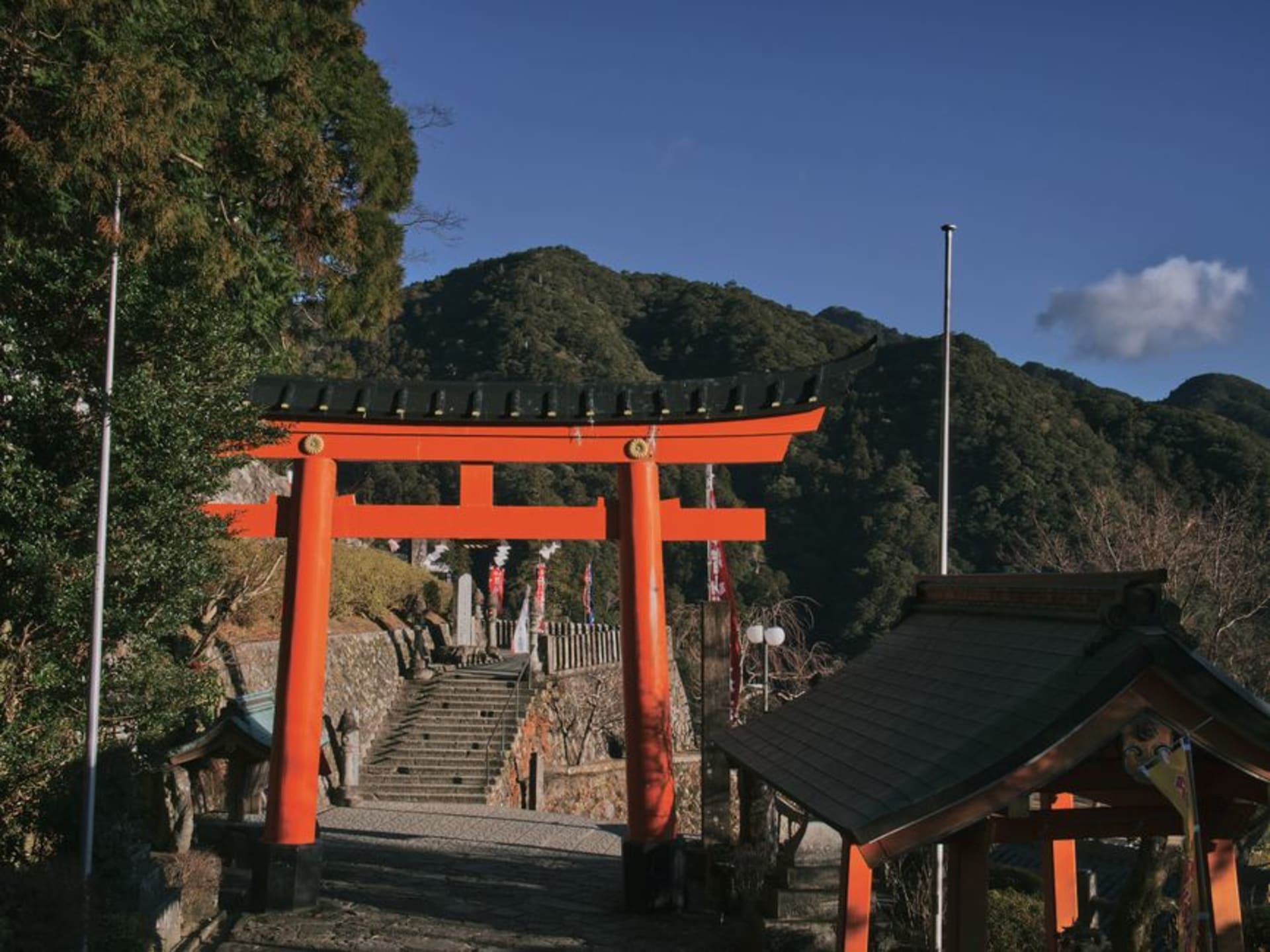
Yamadera
"A thousand steps up, Lia turned to me, breathless, and said the silence had a sound. Bashō thought so too."
A mountain temple whose weathered halls cling to forested cliffs above a Yamagata valley, reached by a thousand mossy stone steps. The place where Bashō heard cicadas and stillness in the same breath, and wrote it down.
We climbed Yamadera on a humid summer morning, the kind where the cicadas start up before the heat and never let go. I’d wanted to come here for a literary reason I was slightly embarrassed to admit to Lia: this is the cliffside temple where the poet Bashō, on his long walk into the deep north, wrote one of the most famous haiku in the language — about cicada song soaking into the rocks, about a stillness so total it becomes a noise. I’d read it a dozen times without feeling it. Then we started up the steps, the valley fell away behind us, and somewhere around the five hundredth stone the poem simply arrived, whole, the way understanding sometimes does when you’ve stopped chasing it.
The climb
Yamadera — the everyday name for Risshaku-ji — is not a temple you visit so much as one you ascend. Just over a thousand stone steps switchback up through towering cedars from the valley floor to the halls near the summit, and the old belief is that each step sheds a worldly desire as you climb. The stones are worn smooth and slick with moss, cupped in the middle by four centuries of pilgrims’ feet, and the forest closes overhead so that the light comes down green and broken. We took it slowly. There were carved Buddhas tucked into the rock, small mounds of coins left in hollows, and everywhere the cicadas, a wall of sound that somehow made the place feel more silent rather than less. Lia stopped halfway, hands on her knees, and told me the quiet had a texture. I knew exactly what she meant.
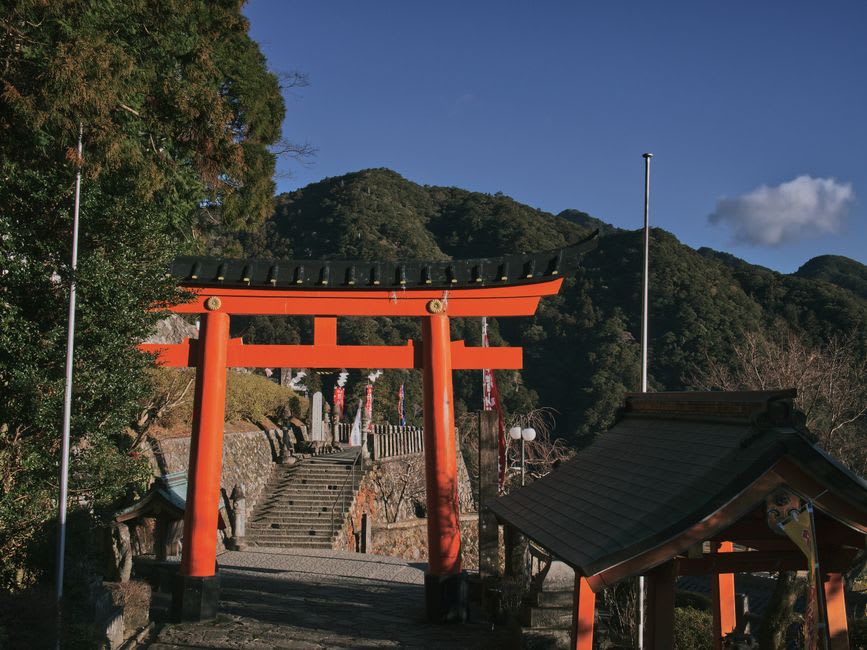
An old woman passed us going down, unhurried, nodding as if to say the mountain would still be there.
The halls on the cliff
Near the top the trees thin and the halls begin to appear, small dark wooden structures wedged onto ledges and outcrops as though they’d grown from the rock. The one everyone knows is Godaidō, a modest open pavilion cantilevered out over the drop, and stepping onto it is like stepping into the air. The whole valley opens beneath you — the river, the little town, the rice fields laid out in green panes, and the far ridges layering into haze. We stood at the wooden rail a long time. A monk somewhere behind us struck a bell, once, and the note went out over the valley and simply kept going, thinning until I couldn’t tell where it ended and the cicadas began.
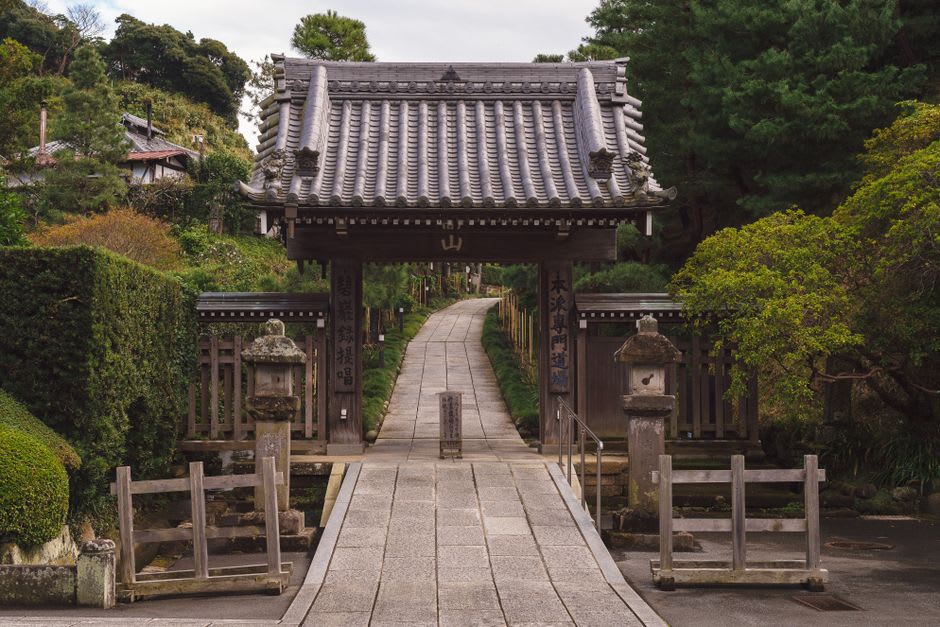
Just below sits the Nokyodo, a small vermilion hall on the very tip of a rock spire, closed to visitors, keeping its own counsel. It has stood there, improbably, since the seventeenth century.
Bashō’s silence
Back at the temple’s oldest hall, the Konpon Chudo, a flame is said to have burned continuously for over a thousand years, carried here from a temple on Mount Hiei. We ducked inside to the smell of old wood and incense, and it was cool and dim and entirely still, the cicada roar reduced to a murmur through the walls. There’s a small stone monument on the mountain inscribed with Bashō’s cicada haiku, placed where he is thought to have written it, and I made Lia wait while I found it and read it out, badly, in my accented Japanese. She didn’t laugh. She said, standing there in the green heat with the whole mountain ringing, that she finally got it too.
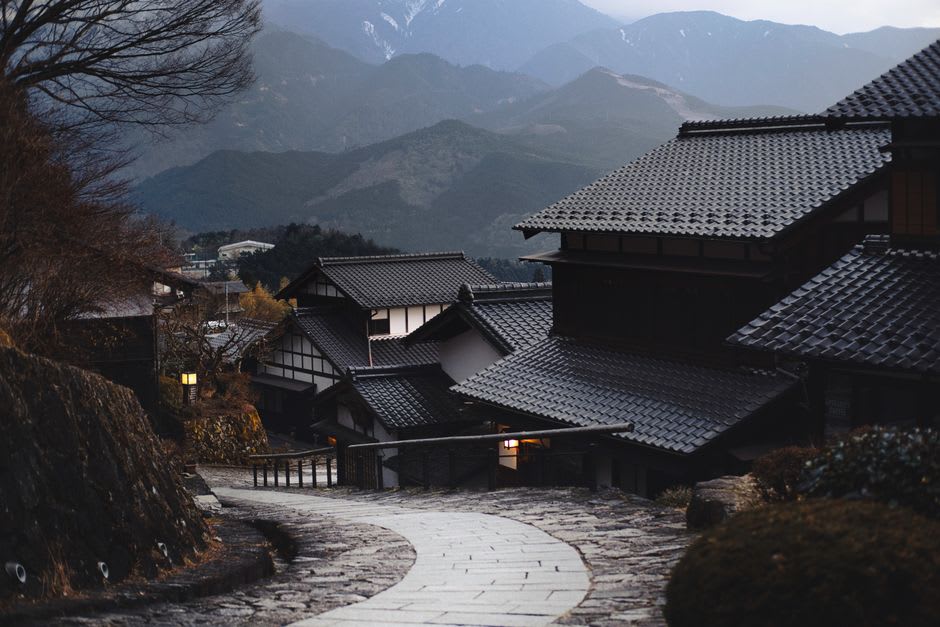
We came down slower than we’d gone up, which felt right. At the bottom we ate cherries from a roadside stall — Yamagata is fruit country — and looked back up at the halls, tiny now against the cliff, and I understood I’d carry this climb a long time.
Getting There
Yamadera lies just outside Yamagata City in Tōhoku, and it’s remarkably easy: from Yamagata station the local Senzan line reaches Yamadera station in about twenty minutes, and the temple steps begin a short walk from there. Yamagata itself connects to Tokyo by Shinkansen in under three hours. Go early to climb before the heat and the coaches; summer gives you the cicadas Bashō heard, autumn the cliffs ablaze with maple, winter a hushed white ascent. Wear real shoes — those thousand steps are no metaphor.
Keep exploring
More of Tōhoku