Goshikinuma
"Same sky, same minerals, and yet every pond had decided on a different colour."
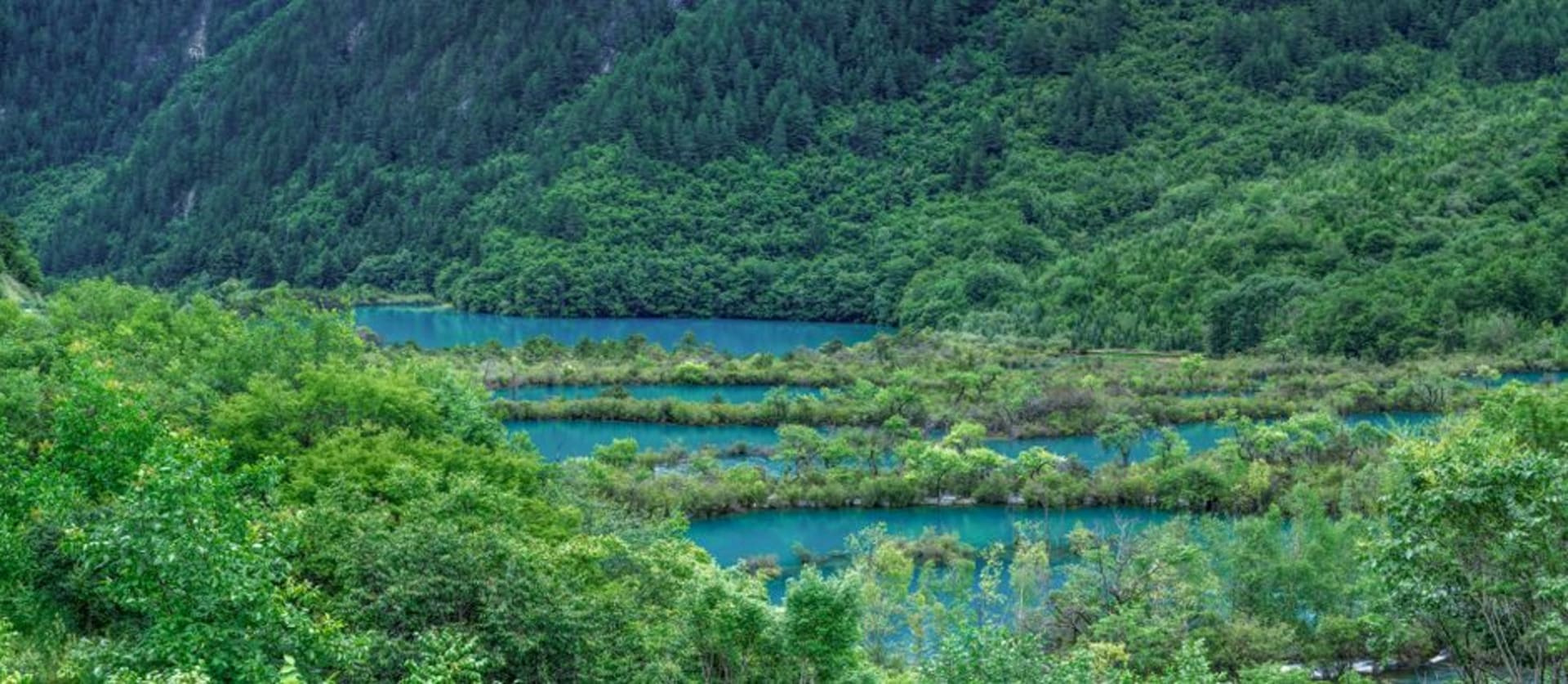
A gentle walking trail below shattered Mount Bandai, threading past a string of volcanic ponds that refuse to be the same colour twice. Turquoise, jade, cobalt, a milky pale blue — the same minerals, the same light, and yet each pool its own impossible shade. We walked it slowly and argued happily about the names of colours.
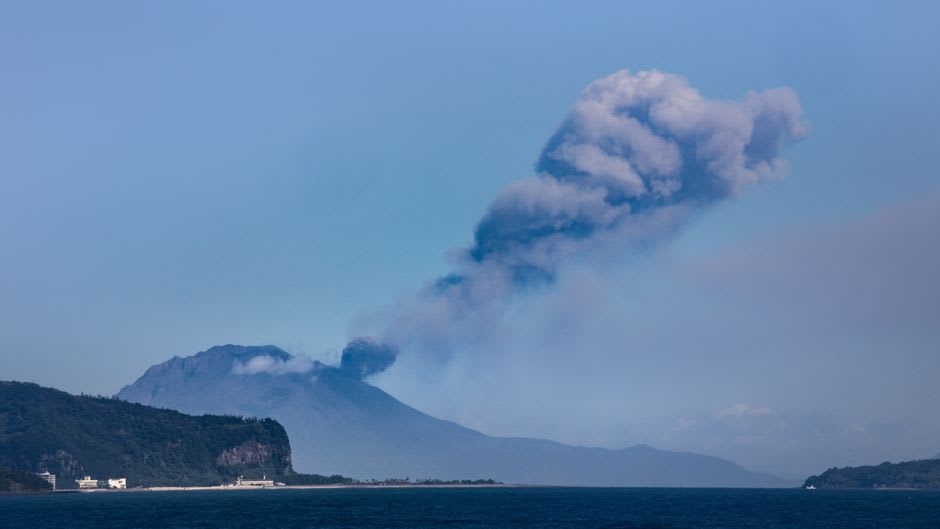
Goshikinuma means “five-coloured ponds,” which undersells it — there are more than five, and between them they run through far more than five colours. They were all born in a single afternoon in 1888, when Mount Bandai’s north flank exploded and dammed the valleys with debris, and the water that pooled in the craters filled with dissolved minerals that scatter light into these unlikely blues and greens. Lia and I set out on the four-kilometre trail linking them with low expectations about “coloured ponds,” and came out the other end genuinely arguing about whether Bishonuma was more teal or more jade.
Bishonuma, the showpiece
The trail usually starts at the Bishonuma end, and it’s a good place to have your skepticism dismantled. Bishonuma — “beautiful pond,” no false modesty — is a broad sheet of water that shifts from turquoise near the shore to a deeper cobalt out in the middle, with the raw grey scar of Bandai’s crater rising directly behind it. On the clear autumn morning we walked, the surrounding beeches and maples had gone orange and gold, and the combination of that warm forest against the cold impossible blue was almost too much, like someone had oversaturated the world. There’s a small boat rental here; we didn’t take one, preferring to sit on the bank and let other people’s rowboats slide across the colour.
The changing pools
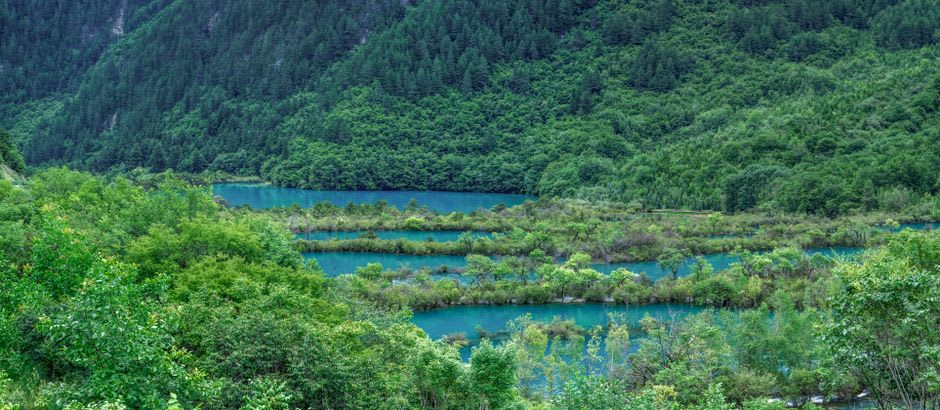
What makes the walk more than a photo stop is how each pond genuinely differs. Aonuma is a milky, pale, almost supernatural blue-green from the aluminium in its water. Akanuma has a rusty reddish fringe of iron-loving reeds. Midoronuma leans deep green; Rurinuma glows a clearer sapphire. Same valley, same sunlight, and yet the chemistry of each crater tips the colour somewhere new — and the colours shift again with the weather and the angle of the sun, so the pond you photograph on the way out isn’t quite the one you passed on the way in. Lia kept a running commentary of colour names, half of them invented. I have never enjoyed a nature trail’s captions more.
The walk itself
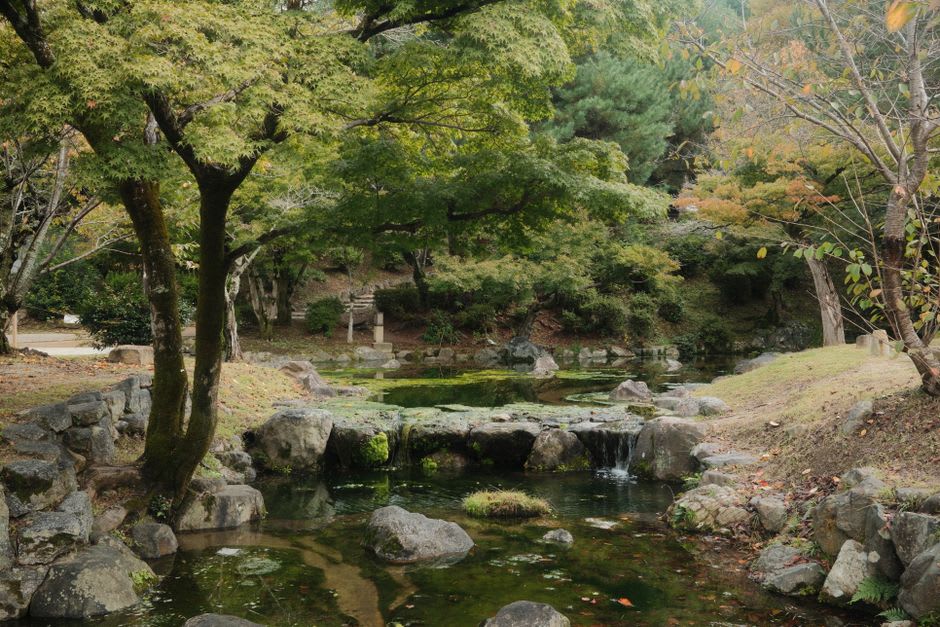
The trail is easy — mostly flat, well-marked, four kilometres end to end, an hour or two if you don’t dawdle and considerably more if, like us, you stop at every pond to disagree about it. It runs one-way between two bus stops, so you don’t have to double back. The path is forest most of the way, roots and leaf litter and the occasional wooden boardwalk over boggy ground, with the ponds appearing and disappearing through the trees like a slideshow. We finished at the Bandai-kogen end tired in the good way, bought a hot can of coffee from a machine, and sat looking back at the mountain that had made all of this in a single violent afternoon a hundred and forty years ago. Hard to hold a grudge against a volcano that leaves behind colours like these.
Getting There
Goshikinuma sits on the Bandai-kogen plateau in northern Fukushima, on the far side of Mount Bandai from Lake Inawashiro. From Inawashiro Station (JR Ban’etsu West Line) buses run up to the Goshikinuma-iriguchi and Bandai-kogen stops that bookend the trail; a car makes the whole Bandai area far easier and lets you pair the ponds with the lake in one day. Autumn brings the best colour contrast and the biggest crowds; go early. The trail is walkable spring through autumn, but check conditions in winter, when it turns into a snowshoe route.
Keep exploring
More of Tōhoku