Tendo
"Every drain cover, every lamppost — the whole town is quietly obsessed with a game."
A small Yamagata town that carves nearly all of Japan's shogi pieces, where the game is played on human-sized boards in the cherry blossoms and soaked away afterward in quiet hot springs. Tendo is craft, orchard, and steam in equal measure.
You notice it slowly. First the manhole covers, cast with the shape of a shogi king. Then the pieces built into the lampposts, the signs, the shape of the very benches. By the time Lia and I reached the center of Tendo we were laughing about it. Every drain cover, every lamppost — the whole town is quietly obsessed with a game. Tendo makes roughly ninety-five percent of Japan’s shogi pieces, the small wedge-shaped tiles of Japanese chess, and it does not let you forget it. What could have been a gimmick turned out to be one of the more charming afternoons of our whole trip.
The workshops where the pieces are born
We visited a small workshop where an old craftsman, a shogi piece maker, sat carving characters into blocks of hard mountain cherry wood. He’d been doing it for over fifty years, he told us through the young woman minding the shop, and he could feel a warped blank before he ever cut it. The finest pieces are carved and then filled with black lacquer, the characters standing up glossy and proud; the cheapest are simply stamped. He let Lia hold a competition-grade set and told her, deadpan, that it cost more than his first car. The smell of the place — cut wood and lacquer and old tatami — is the kind of thing I wish I could bottle. We bought a modest travel set that we still play on, badly, at home.
Human chess under the cherry trees
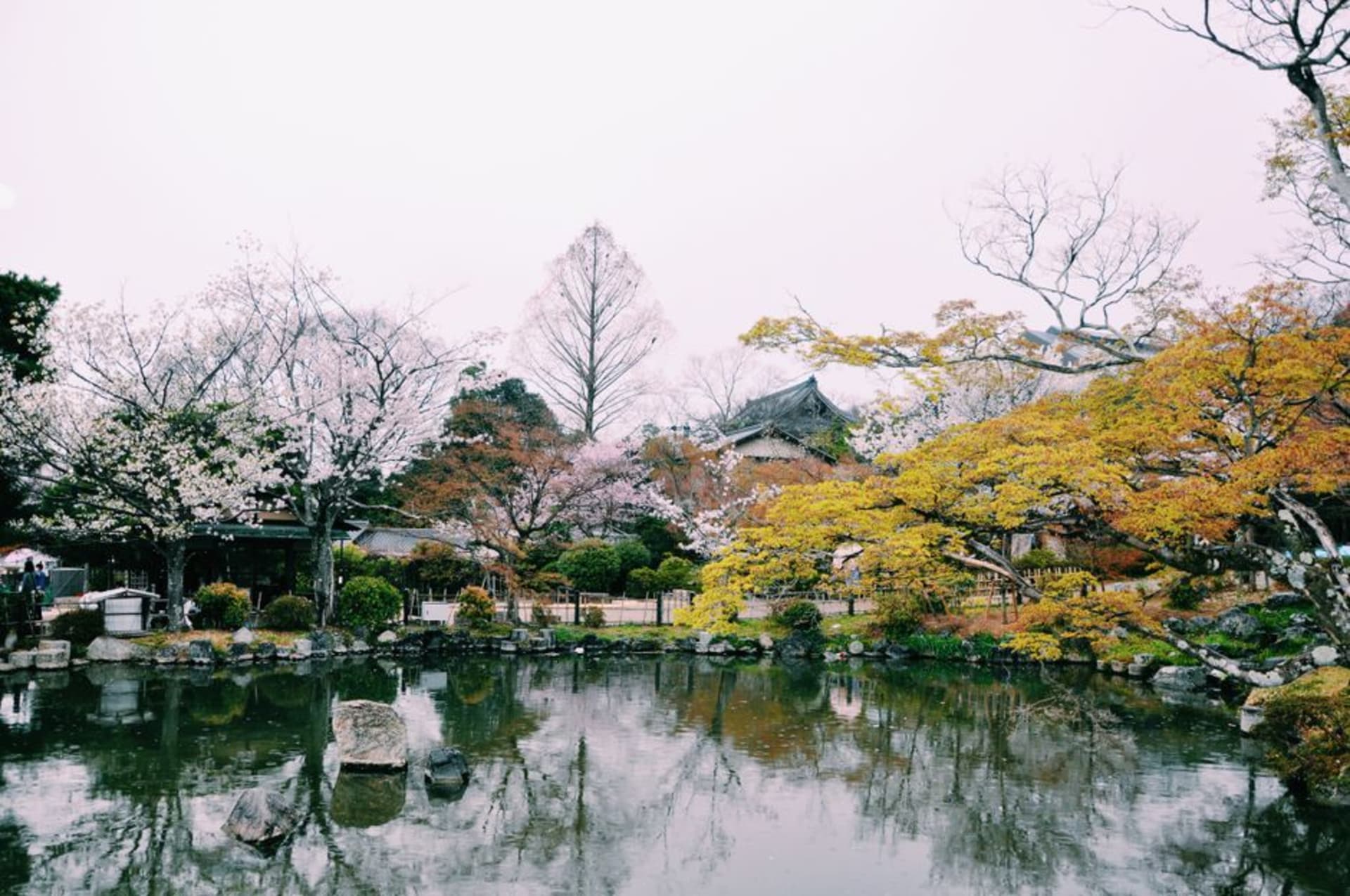
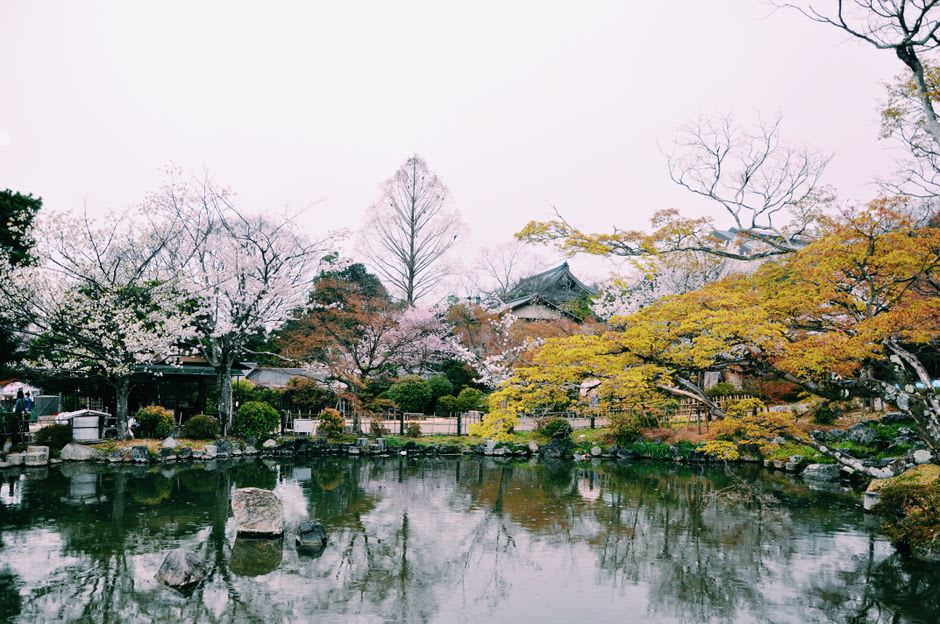
We had timed our visit, half by luck, for the Ningen Shogi — the human shogi festival held each April on Maizuru Hill, when the town’s cherry trees erupt into bloom. On a giant board laid out in the park, actors in full samurai and courtly costume stand as the living pieces, and two invited professional players call the moves while a commentator narrates the whole slow battle to a packed, delighted crowd. Lia and I sat on a blue tarp with hundreds of locals, eating from bento boxes, as a “knight” in armor strode across the board to capture a “bishop.” Petals kept drifting down onto the players. It was gloriously silly and utterly serious at the same time, which is a very Japanese combination, and I loved every minute of it.
Soaking it away, and the orchards beyond
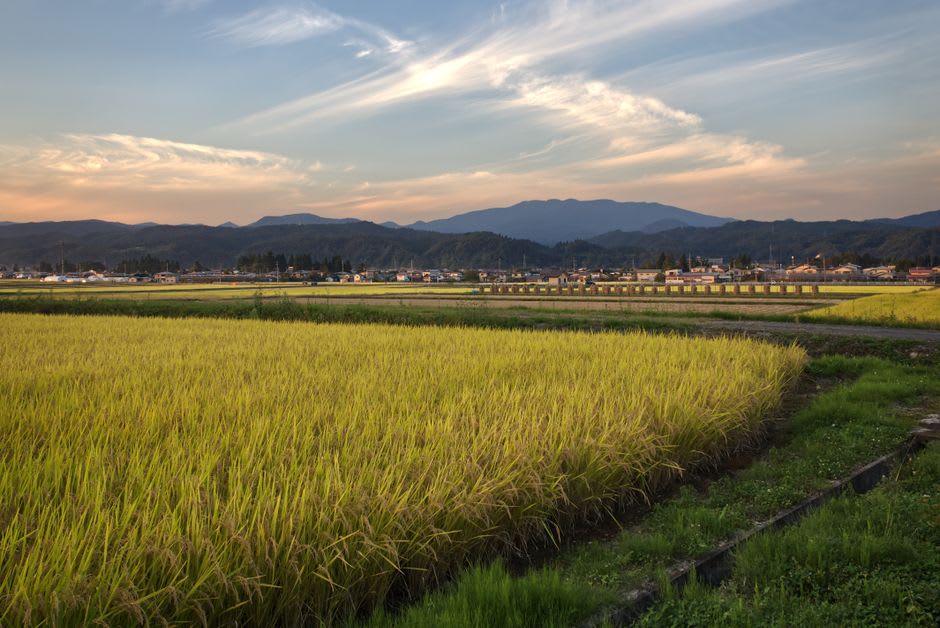
Tendo is also an onsen town, and after a day on our feet we sank into the hot spring at our inn with the particular gratitude that only aching legs can teach you. The water here is clear and gentle, and the town has a public bath or two if your lodging lacks one. The next morning we rented bicycles and rode out among the fruit orchards that ring the town — Yamagata is Japan’s kingdom of cherries and this whole basin is orchard country. A farmer waved us into her rows and pressed a handful of sun-warm cherries on us, refusing any money, mystified that two foreigners had pedaled all the way out to look at her trees. We ate them by the roadside, spitting the stones, absurdly happy.
Getting There
Tendo sits on the Yamagata Shinkansen line, which makes it remarkably easy — a little under three hours direct from Tokyo, and only about twenty minutes from Yamagata city. Lia and I reached it as part of a loop through Tohoku, and found it an easy, rewarding half-day or overnight stop. Come in mid-April if you possibly can, for the human shogi and the cherry blossoms together; the orchards are heavy with fruit in June and July. The town is small and walkable, though bicycles, rentable near the station, open up the orchards beyond.
Keep exploring
More of Tōhoku