Kakunodate
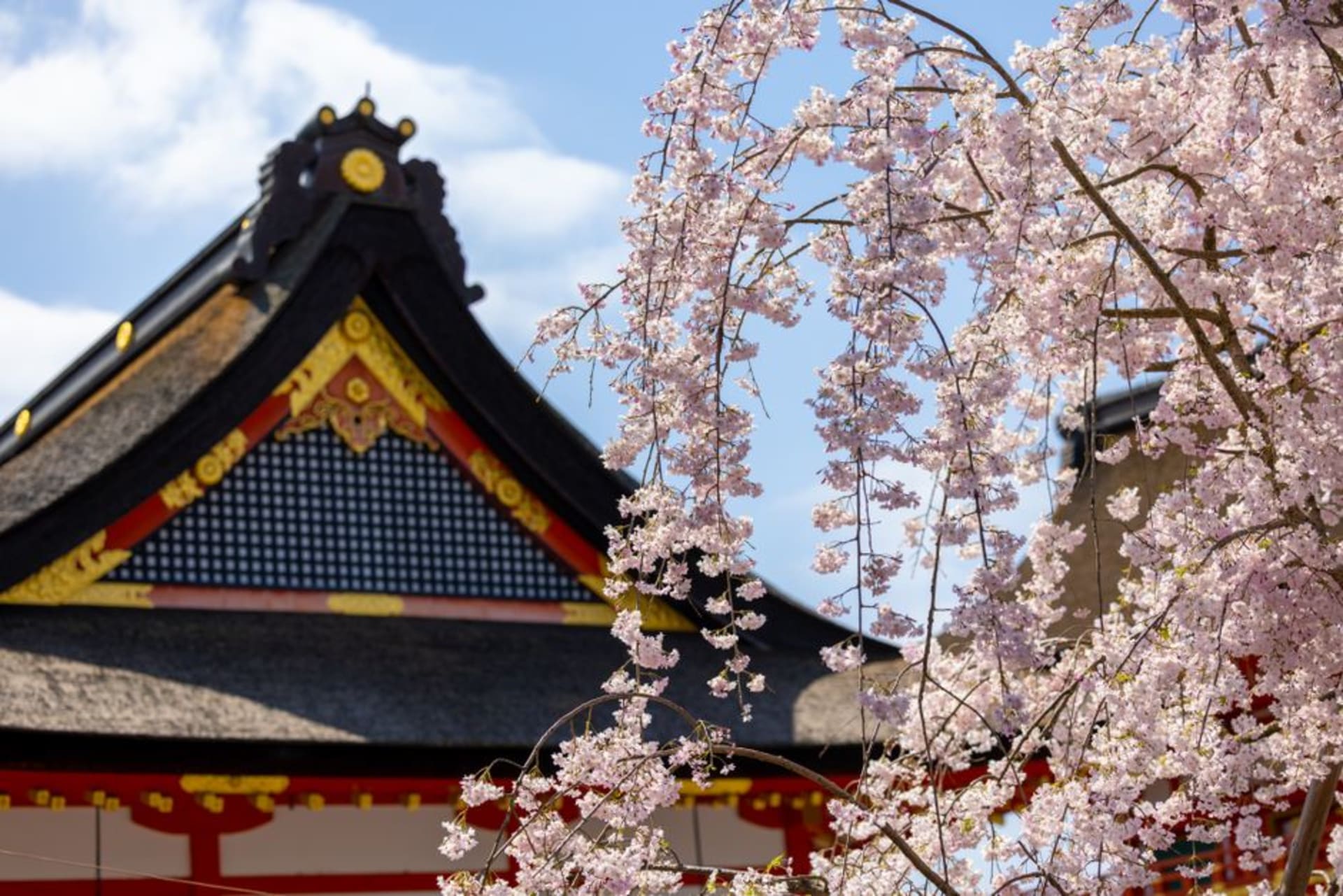
"Lia said it looked like the trees were pouring over the walls, and for two weeks a year, that's exactly what they do."
A preserved samurai quarter in the Akita mountains, where dark-timbered mansions stand behind long earthen walls beneath tunnels of weeping cherry trees. The little Kyoto of Tōhoku, at its most breathtaking for two weeks in spring.
We timed Kakunodate carefully, which for us is unusual — we tend to arrive places by accident and leave by whim. But the weeping cherries here bloom for barely two weeks, and I’d seen enough photographs to know I didn’t want to gamble. So we watched the blossom forecasts creep north up the archipelago like a slow pink tide, and we caught a train into the Akita mountains on the afternoon the trees in the samurai district opened. Lia stepped onto Bukeyashiki-dōri, the old samurai street, looked up at the cherries cascading over the black walls, and went quiet in the particular way that means something has landed. Some places live up to the pictures. A few, rarely, exceed them.
The samurai district
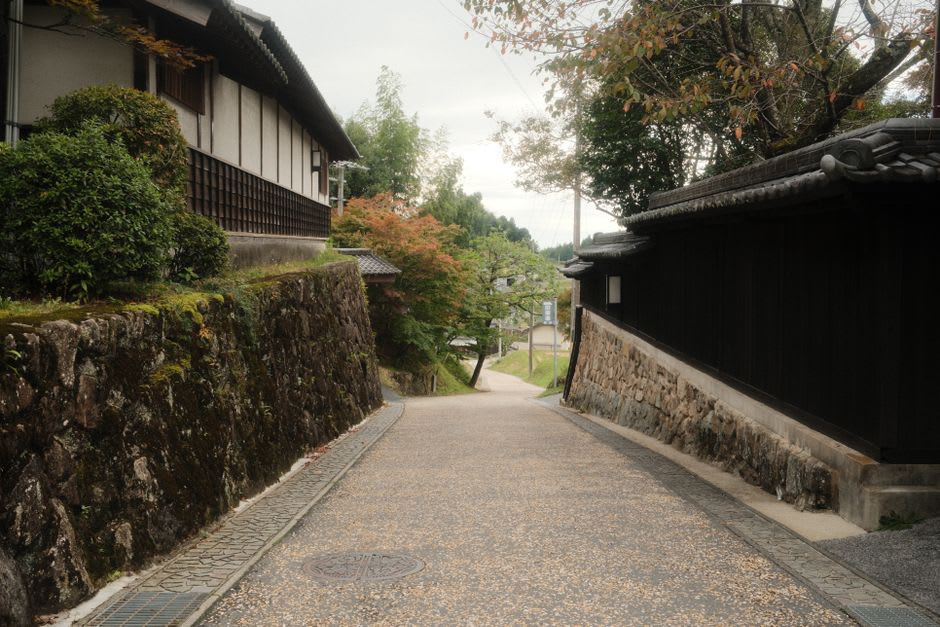
Kakunodate was laid out in 1620 as a castle town, and its bukeyashiki — the samurai residences — have survived with a completeness that borders on the uncanny. A broad street runs dead straight beneath the trees, lined on both sides by long walls of dark weathered timber and earth, and behind them sit the mansions of the old warrior families, several still lived in by their descendants, a few open to visitors. We wandered through the Aoyagi and Ishiguro houses, past armour and sliding screens and gardens gone soft with moss, floorboards cold underfoot and creaking with age. What struck me was the restraint of it all — no ostentation, just good wood, good proportion, and the deep quiet of rooms built for people who valued composure above almost everything.
An elderly caretaker at one house poured us tea and told us his family had kept it for eleven generations. He said it as a plain fact, the way one might mention the weather.
The weeping cherries
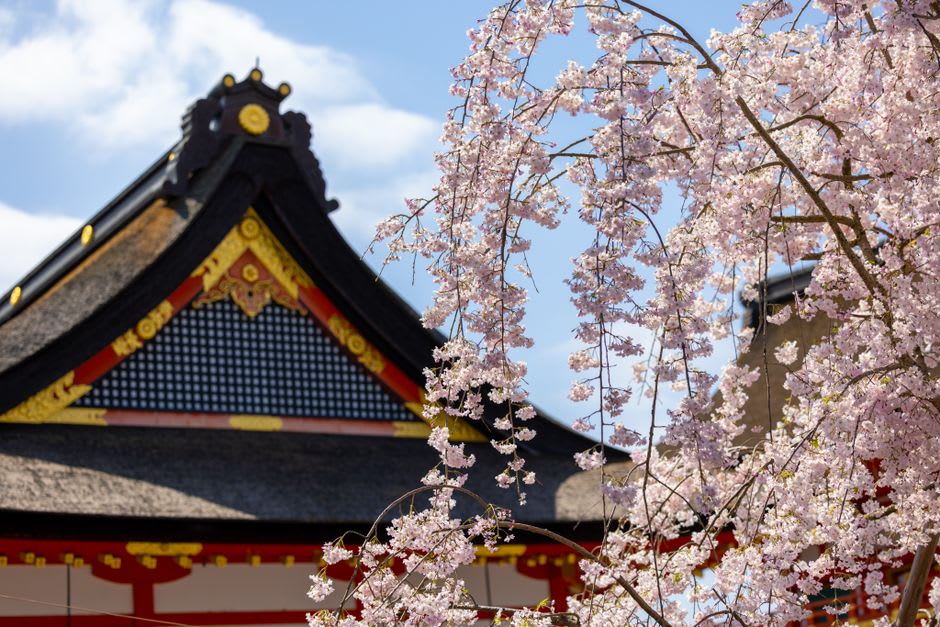
But it’s the trees that undo you. There are said to be some four hundred shidarezakura — weeping cherries — in the samurai quarter, many descended from saplings brought from Kyoto three and a half centuries ago as part of a bride’s dowry. They don’t stand upright and orderly like the cherries you picture; they pour, long trailing branches spilling over the black walls in curtains of pale pink, so that walking the street is like moving through a series of soft collapsing waves. We came back after dark when a few of the finest were lit from below, the blossom glowing against the night, and there was almost no one else there. Lia held my arm and we just walked, slowly, twice up and down, not wanting to use it up too fast.
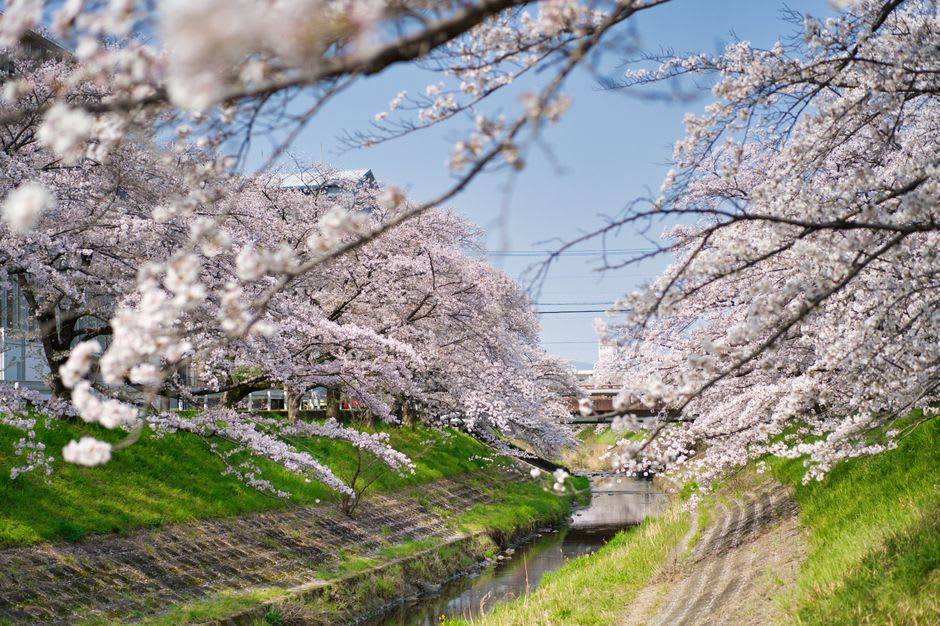
Down along the Hinokinai River the cherries give way to a different spectacle — a two-kilometre tunnel of Yoshino cherries arching over the embankment, denser and brighter, full of families spreading picnic blankets in the petal-fall.
Cherry bark and quiet craft
Kakunodate has a craft as particular as its trees: kabazaiku, the art of working cherry bark. For centuries the samurai here, forbidden from trade, made tea caddies and boxes and small ornaments by pressing polished cherry bark onto wood, and the workshops still turn out pieces with a deep reddish-brown lustre you won’t see anywhere else. We spent an unhurried hour in a shop near the station where a craftsman was heating bark over a small flame and burnishing it smooth. Lia bought a slim tea caddy, and the man wrapped it as carefully as if it were alive. I bought nothing and regretted it by the time we’d reached the platform.
We ate that evening in a low wooden place serving Akita’s inaniwa udon, ribbon-thin and silky, and slept in an old inn where the beams ticked as the night cooled. The cherries would be gone in a week. We’d been lucky, and we knew it.
Getting There
Kakunodate sits on the Akita Shinkansen, which makes it improbably easy for somewhere so remote-feeling — under three hours from Tokyo, with the samurai district a ten-minute walk from the station. The cherry bloom is the whole point in late April, but it drifts year to year, so watch the forecasts and stay flexible. Come out of season and you’ll have the mansions almost to yourself, the trees bare but the quiet just as deep. Autumn, when the maples turn, is a fine second-best.
Keep exploring
More of Tōhoku