
Aomori
"Even under glass, the Nebuta floats looked ready to roar down the street and take you with them."
A bayside city at the northern tip of Honshū with a frontier-north energy. Home to the fierce, glowing Nebuta festival floats, orchards of crisp apples, scallops pulled fresh from the bay, and the wild Hakkōda mountains rising just inland.
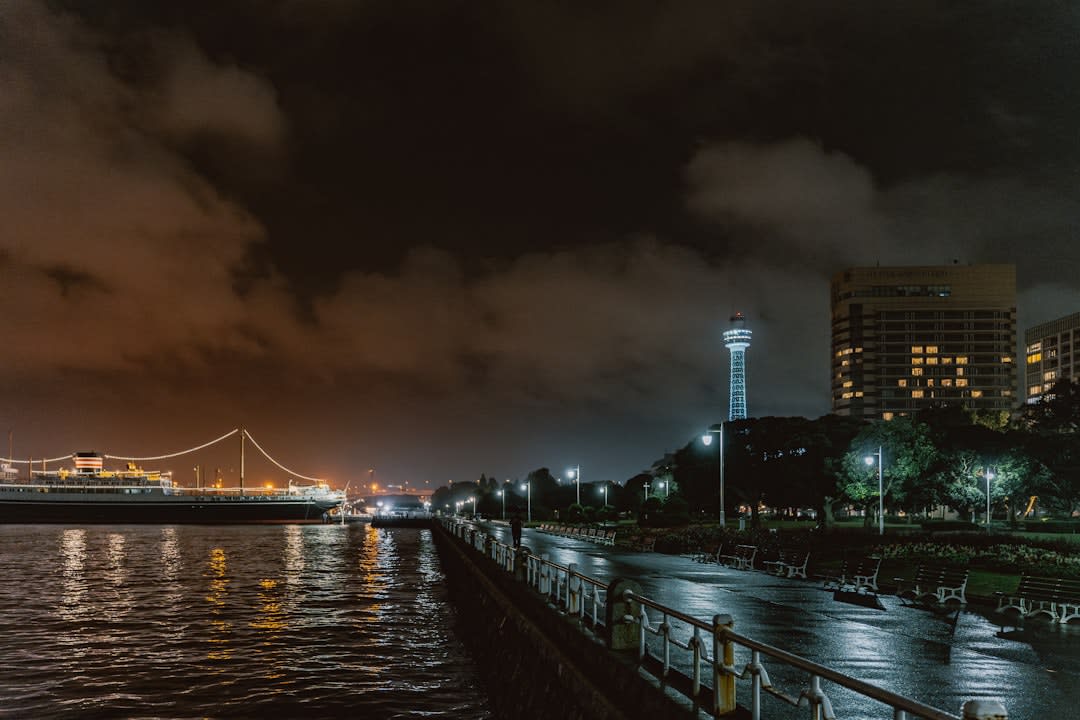
Aomori feels like the end of Honshū, because it is — the last big city before the sea and the tunnel that carries the trains under it to Hokkaidō. It has a frontier feeling I liked immediately, a slightly rough, salt-scoured, deep-winter place that knows it sits at the far northern edge and wears it proudly. Lia and I arrived on a grey afternoon with the wind coming hard off Mutsu Bay, and the first thing we did was walk down to the water, where the city’s strange triangular landmark leans over the harbor, and stood in the cold looking north, feeling very far from Tokyo and glad of it.
The Nebuta Floats
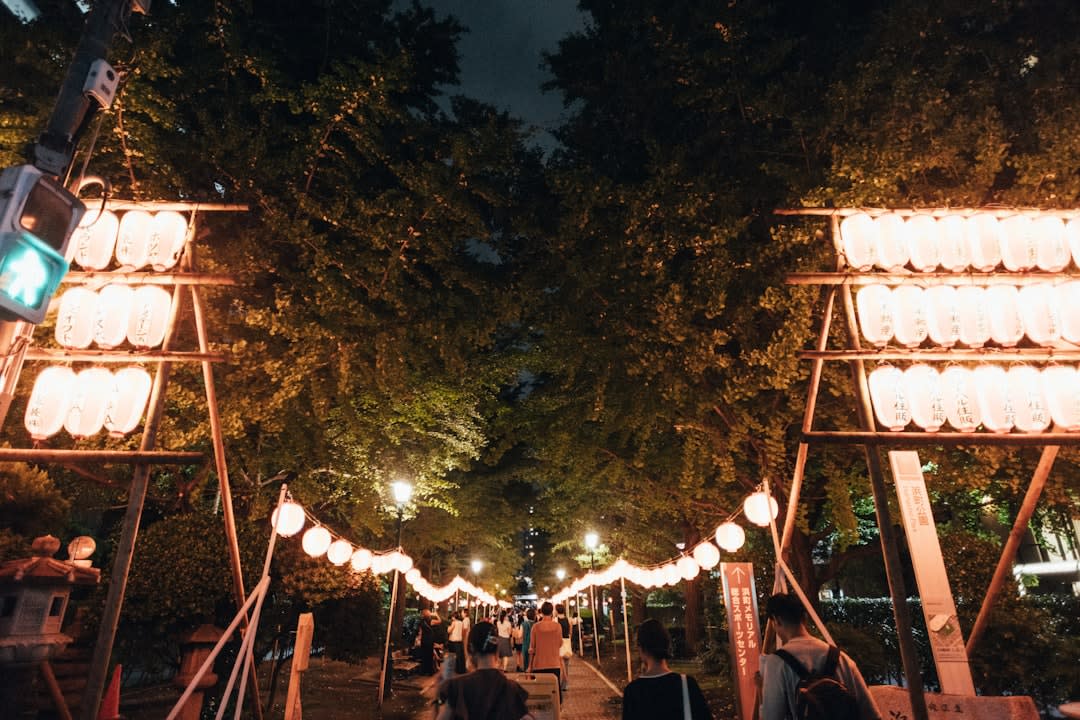
We had missed the actual Nebuta Matsuri — the festival runs for a few blazing nights in early August, when enormous illuminated floats of warriors and demons are hauled through the streets by thousands of chanting dancers — but the Nebuta Museum, Wa Rasse, keeps several of the real floats from past years, and honestly it might have been the better way to see them. Up close, under the museum’s dark lights, they are staggering: paper and wire stretched over frames the size of a house, lit from within, faces twisted in fury or triumph, colors so saturated they seem to hum. A craftsman worked at a bench nearby, and a screen showed the festival in full roar, drums and flutes and the crowd’s chant of rasse-ra. Lia stood a long time in front of a demon king with its arm raised, and admitted it frightened her a little. It was meant to. These are among the fiercest, most alive folk objects I have ever seen.
Apples, Scallops, and the Bay
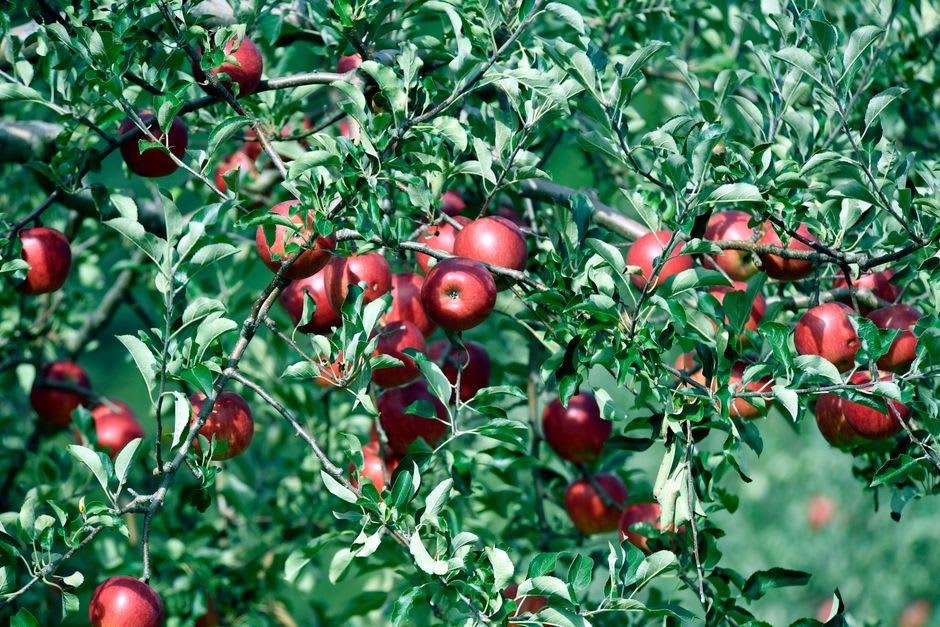
Aomori Prefecture grows most of Japan’s apples, and the city takes the fact seriously — you find apple everything, from cider to pie to a soft apple soft-serve I ate walking along the harbor in weather far too cold for ice cream. But the real eating here comes out of the bay. Mutsu Bay scallops are famous, sweet and thick, and we sat at a counter near the old market and ate them raw, then grilled, then in a bowl of miso, and each way was better than the last. The great ritual, though, is the nokkedon at Furukawa market: you buy a bowl of rice and a book of tickets, then walk the stalls trading tickets for whatever looks good — tuna, salmon roe, sea urchin, more scallops — until you’ve built your own overflowing seafood bowl. Ours was a small masterpiece, and it cost almost nothing, and we ate it grinning at each other over the counter.
Into the Hakkōda Mountains
Just inland from the city the Hakkōda mountains rise up, a cluster of volcanic peaks that get some of the heaviest snowfall on earth, and even on our short visit we couldn’t resist going up toward them. We took the ropeway partway and walked a stretch of trail through marsh and stunted alpine trees, the summits wrapped in shifting cloud, the air sharp and clean and smelling faintly of sulphur. In deep winter these slopes grow the famous “snow monsters” — trees so caked in frozen snow they turn into hunched white figures — and even in the shoulder season you could feel how ferocious the weather here gets. On the way down we stopped at Sukayu, a mountain onsen with a vast cypress bathhouse, and soaked our cold bones in the milky, sulphurous water. Lia said it was the best kind of tired, the kind you earn.
Getting There
Aomori sits at the northern tip of Honshū and is the last major stop before Hokkaidō. The Tōhoku Shinkansen runs from Tokyo to Shin-Aomori station in around three to three and a half hours, with a short local connection into the city center; the same line continues north through the Seikan Tunnel to Hakodate. There’s also an airport with domestic flights a bus ride from town. In the city everything near the bay — the Nebuta museum, the market, the waterfront — is walkable from the station. Buses run up to the Hakkōda ropeway and on to Sukayu Onsen. If you can, come for the Nebuta Matsuri in early August, but the museum makes the floats worth seeing in any season.
Keep exploring
More of Tōhoku