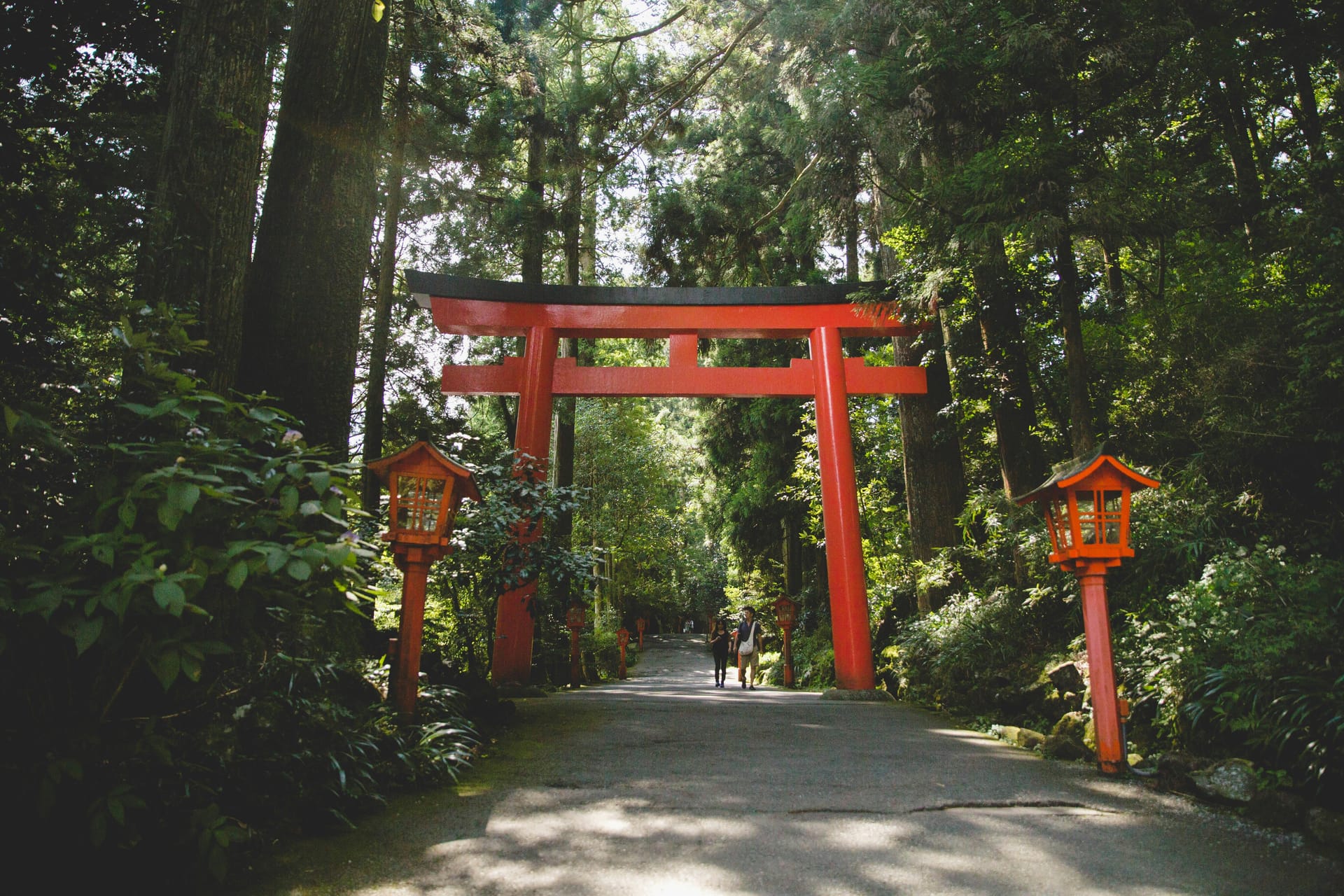
Asia
Japan
"The country that made me rethink how I travel."
Japan changed the way I move through places. Before my first visit, I was a fast traveler — cities as checklists, meals as fuel, hotels as beds. Japan made that approach feel not just inefficient, but disrespectful. Here is a country where a soba chef spends forty years perfecting the ratio of buckwheat to water, where a garden is designed to be experienced differently in each season, where the train arrives at the exact second the schedule promises. Everything is intentional. The least you can do is pay attention.
Most guides will tell you to split your time between Tokyo, Kyoto, and Osaka. That is not wrong, exactly, but it is a surface reading. The Japan that has stayed with me longest lives in the smaller places: Kanazawa, with its samurai districts and contemporary art museum standing in calm coexistence. Naoshima, where Tadao Ando built a museum underground so the architecture would not compete with the Monet inside. The Kii Peninsula, where ancient pilgrimage trails wind through cedar forests so dense the light arrives green.
When to go: Late October through mid-November for autumn color. Late March to mid-April for cherry blossoms, though expect company. June is rainy but uncrowded and deeply atmospheric — temples in the mist have a quality no photograph captures. Avoid Golden Week (late April to early May) and Obon (mid-August) unless you enjoy crowds.
What most guides get wrong: They underestimate how much time Japan demands. A week is a taste. Two weeks is a trip. Three weeks is where it starts to feel like understanding. Budget more days than you think you need, especially outside the major cities. The reward for slowing down in Japan is disproportionately large.
Explore
Places in Japan
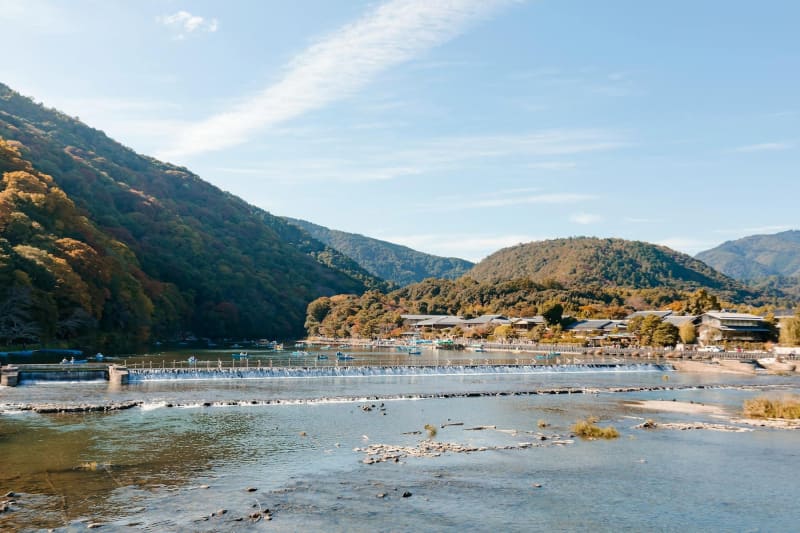
Kyoto Arashiyama
The towering bamboo grove and monkey mountain above the Hozu River at Kyoto's elegant western edge.
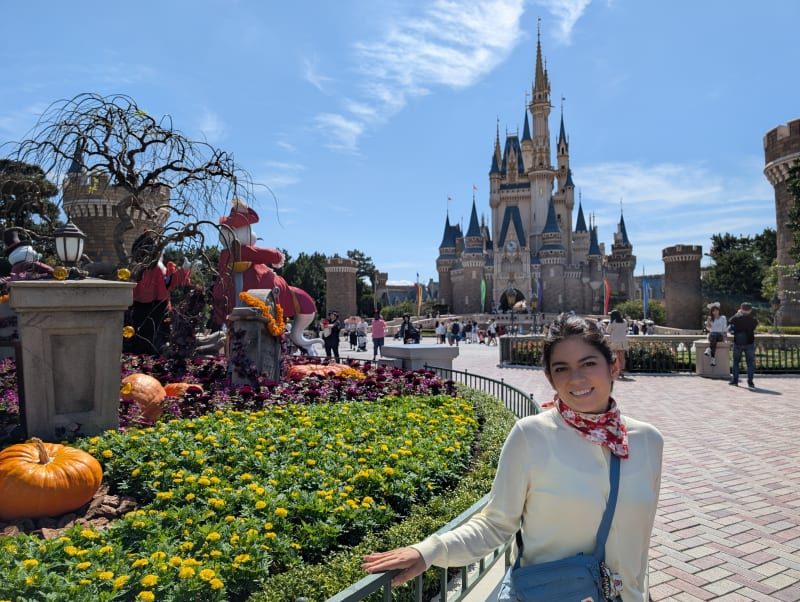
Disney Tokyo
Disneyland and DisneySea — theme parks elevated to art by Japanese precision, obsessive detail, and a sincerity that makes cynicism impossible.
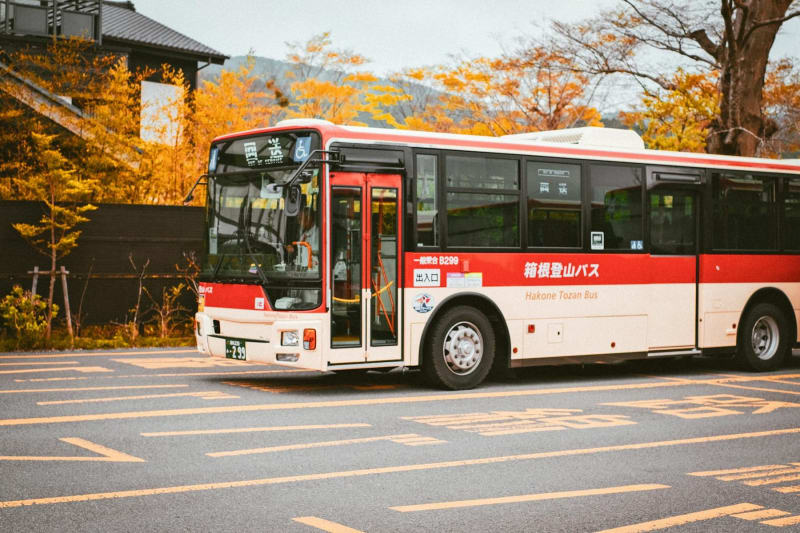
Hakone
Volcanic hot-spring town offering the clearest views of Fuji across the caldera lake.
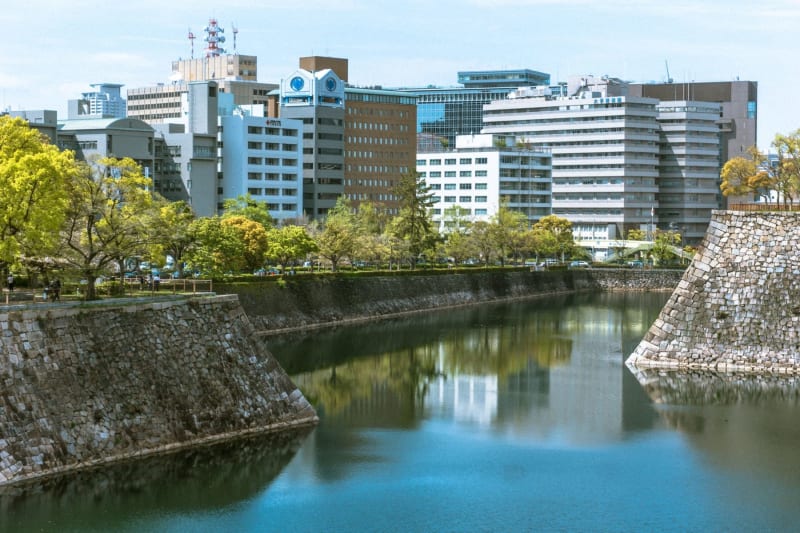
Hiroshima
A city reborn from tragedy, where the Peace Memorial Park stands beside a thriving modern metropolis.
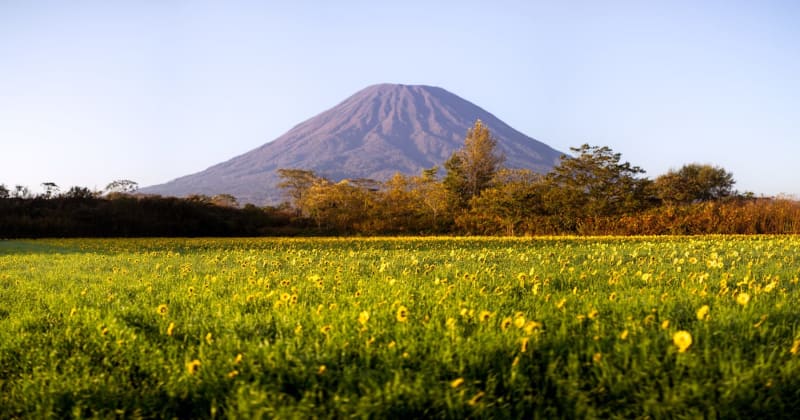
Hokkaido Lavender Fields
Furano's summer lavender fields roll across Hokkaido's volcanic plateau in waves of purple and green.
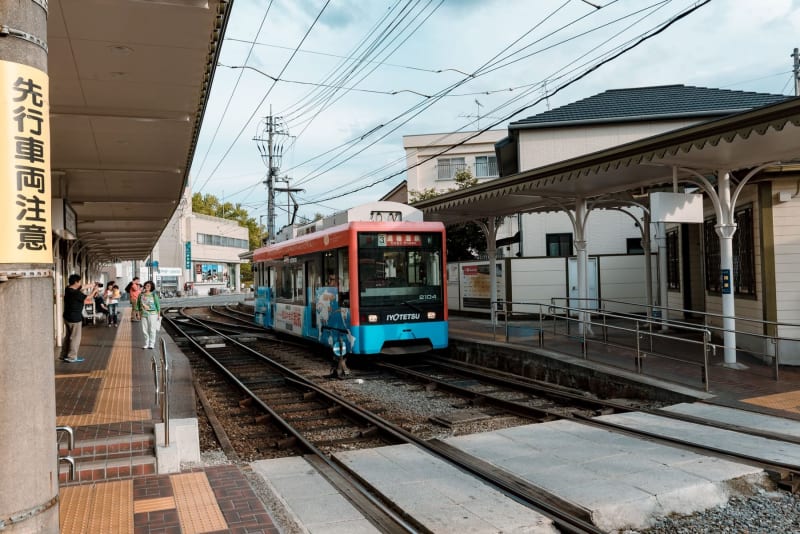
Ishigaki
The gateway to Japan's most tropical waters, with manta ray cleaning stations and Yaeyama star sand beaches.
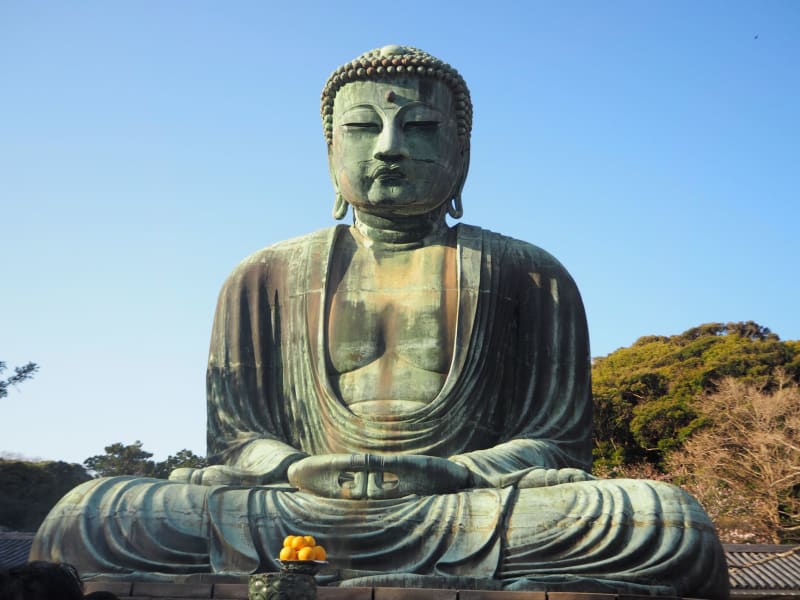
Kamakura
A seaside temple town an hour from Tokyo, where a giant bronze Buddha sits open to the sky and the hills behind hide some of Japan's quietest shrines.
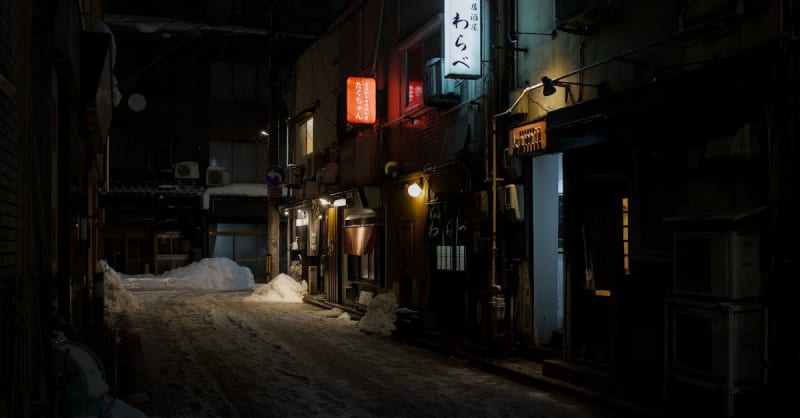
Kanazawa
Samurai districts, contemporary art, and one of Japan's three great gardens — without the Kyoto crowds.
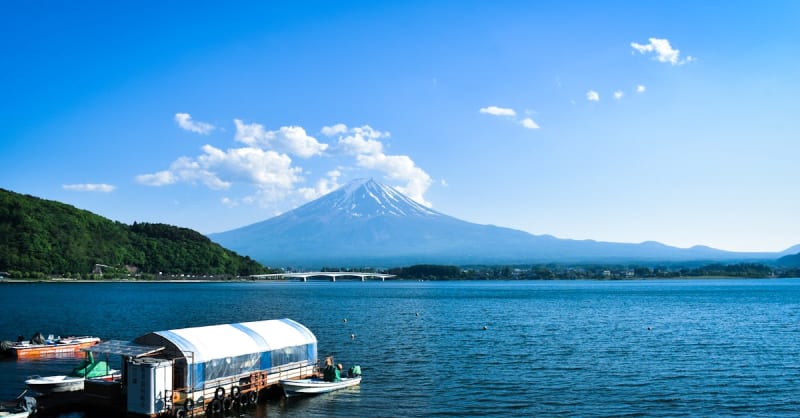
Kawaguchiko
A lakeside onsen town at the foot of the volcano — hot springs, hoto noodles, and the kind of quiet that Tokyo makes you forget exists.
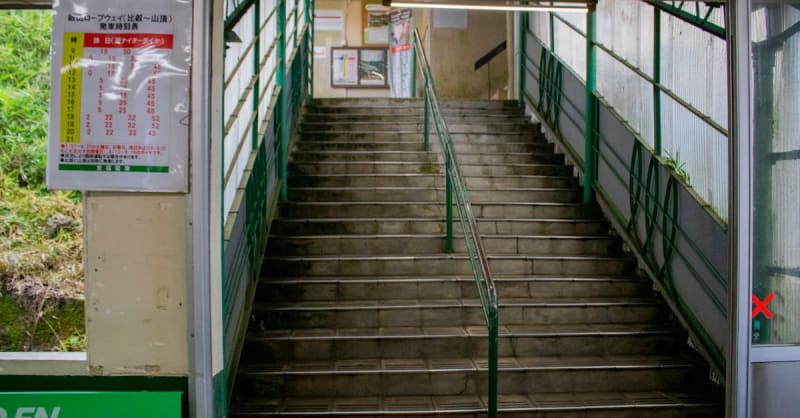
Kii Peninsula
Ancient pilgrimage trails through cedar forests, mountain onsen, and the Japan that existed long before the tourists arrived.
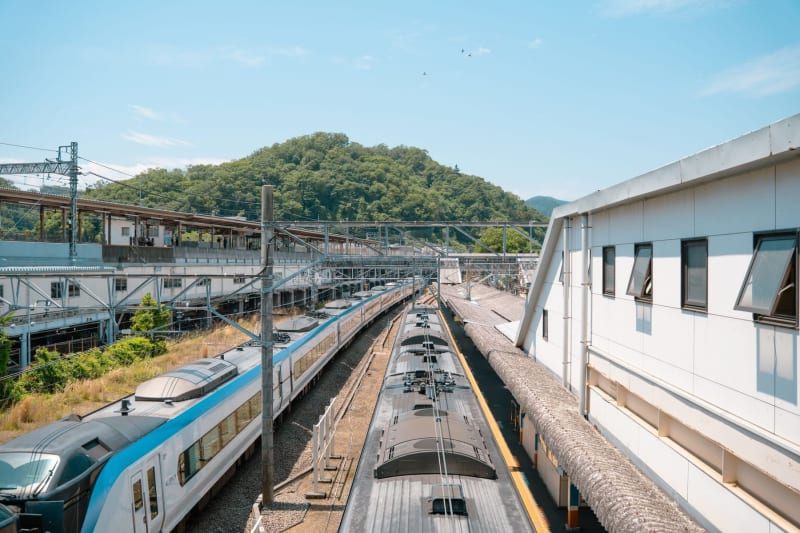
Koya-san
A mountaintop monastery town where you sleep in a temple, eat shojin ryori, and walk a cedar-shrouded cemetery.
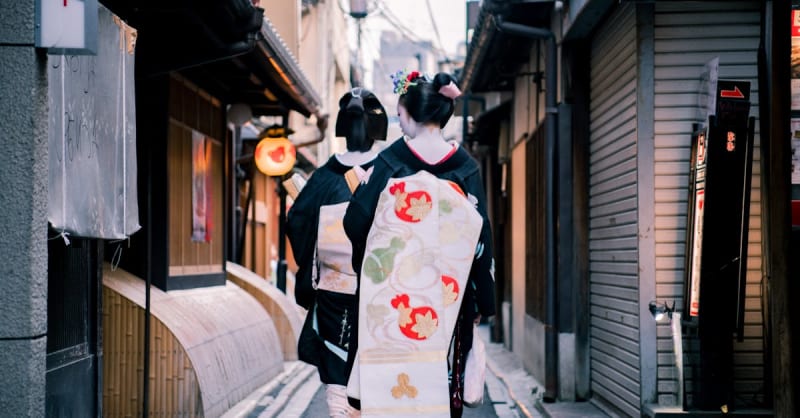
Kyoto
Thousand-gate shrines, bamboo forests, and a city that hides its best moments behind early mornings and quiet side streets.
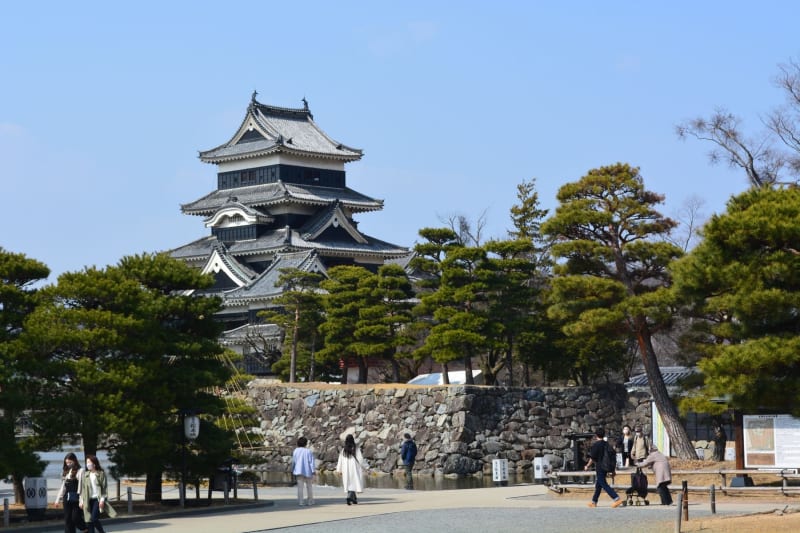
Matsumoto
A feudal black castle reflected in still water, ringed by the Japanese Alps.
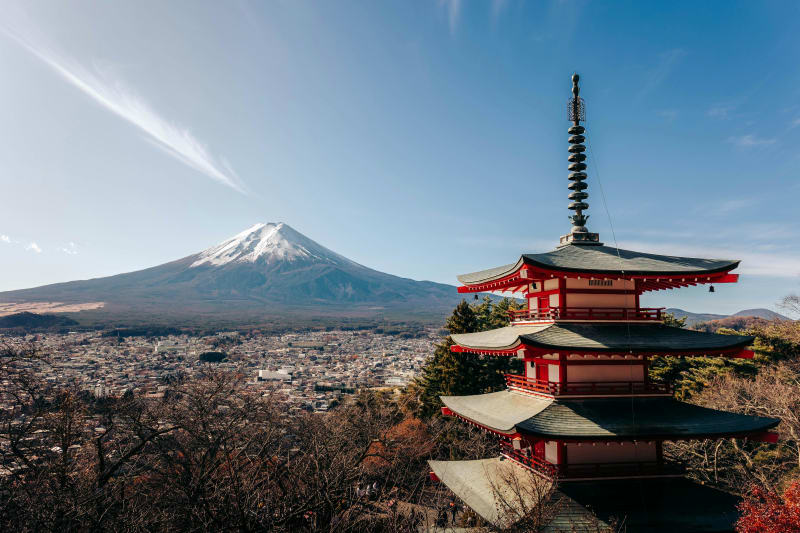
Mt. Fuji
The sacred volcano, the iconic pagoda, and a view that no photograph has ever fully captured. Fuji is Japan's spiritual anchor.
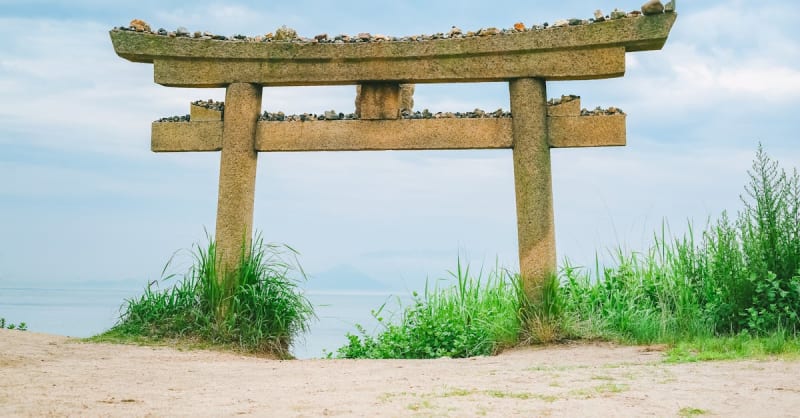
Naoshima
A tiny island in the Seto Inland Sea transformed into one of the world's great open-air art museums.
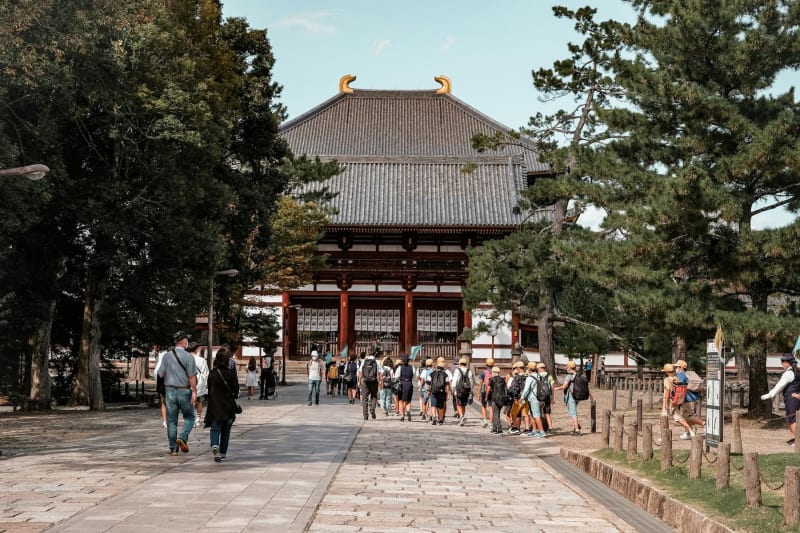
Nara
Ancient capital where free-roaming deer share the streets with towering bronze Buddhas and cedar forests.
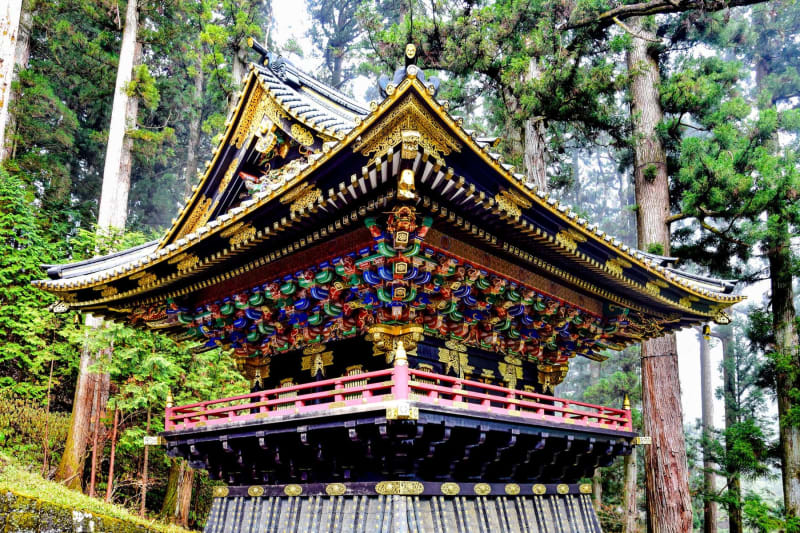
Nikko
Extravagant Edo-era shrines buried in cedar forest, a deliberate overstatement of devotion.
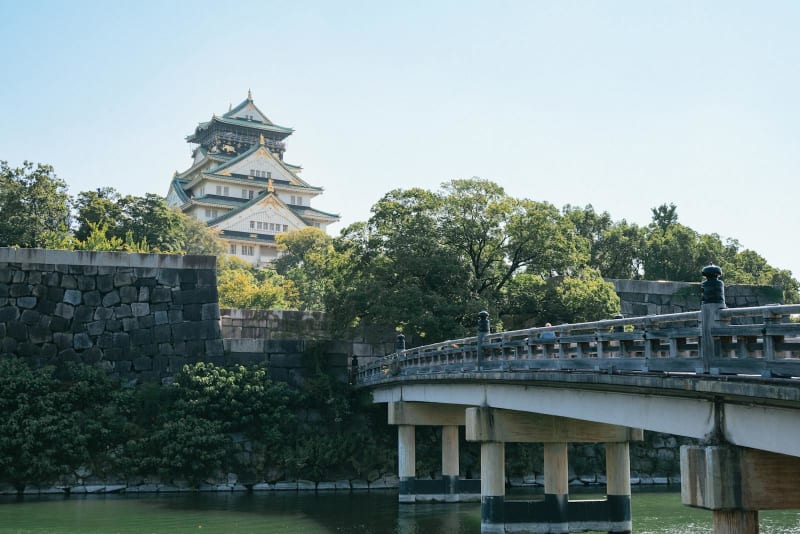
Osaka
Japan's kitchen, Japan's comedian, Japan's night out. Osaka is the city that eats first and asks questions never.

Teshima
A small Seto Inland Sea island where contemporary art museums blend into rice terraces tended by elderly farmers.
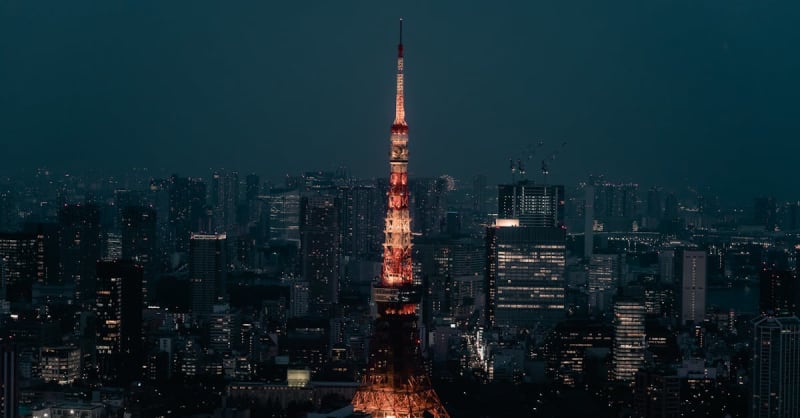
Tokyo
A city that runs on precision, kindness, and the best street food on earth. Tokyo overwhelmed me — and then it made perfect sense.
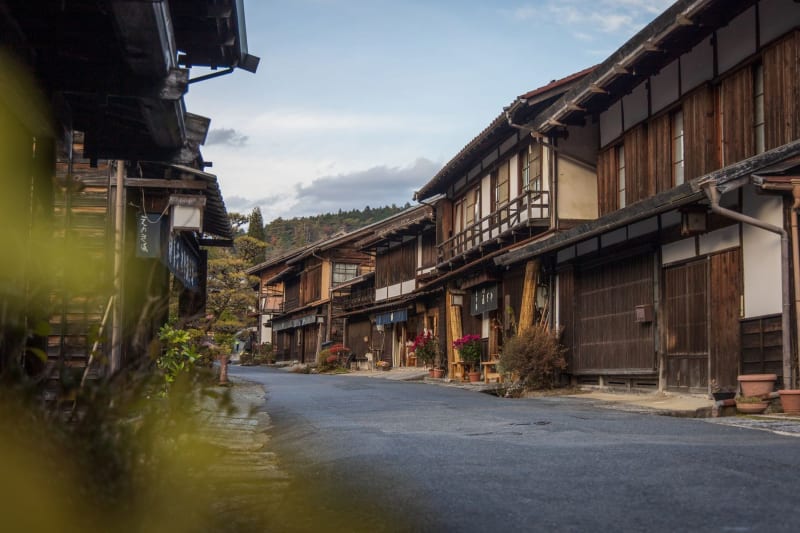
Tsumago
A perfectly preserved Edo-period post town on the Nakasendo trail in the Kiso Valley, with cars banned from the main street.
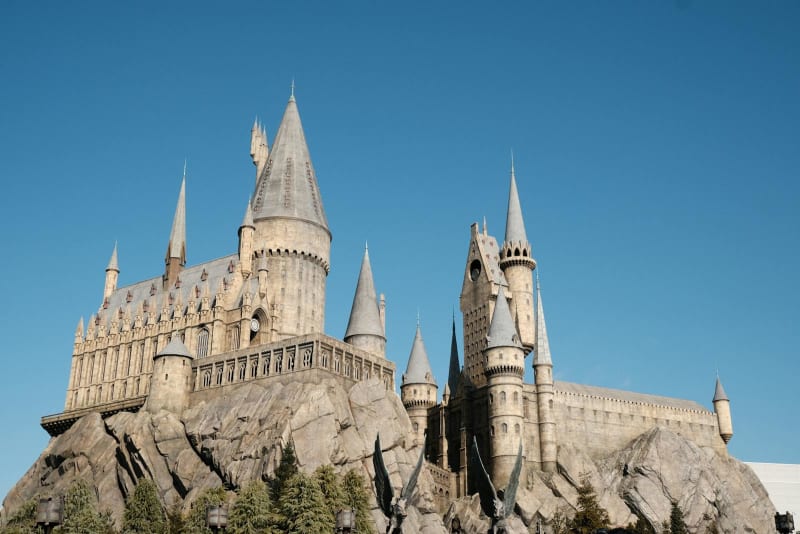
Universal Studios Osaka
Harry Potter's Wizarding World, Nintendo's Mushroom Kingdom, and a level of Japanese theme-park craft that makes the original look like a rough draft.
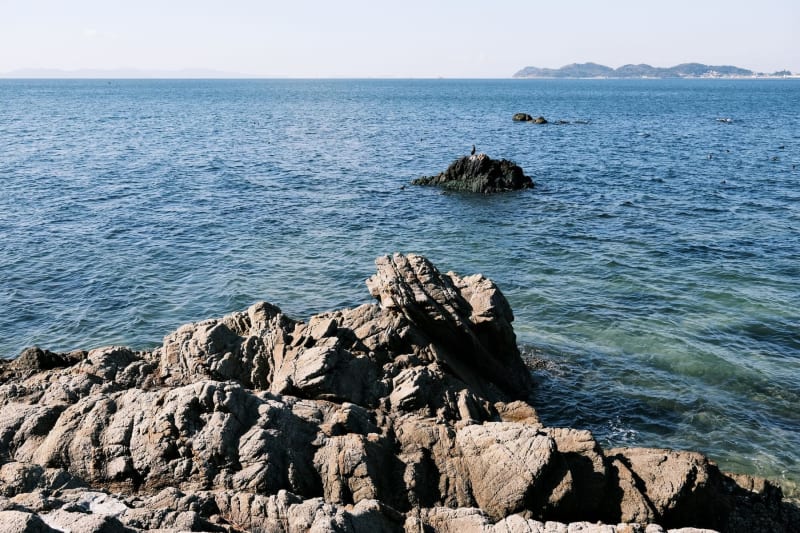
Yakushima
A moss-covered ancient cedar forest on a sub-tropical island that inspired Princess Mononoke's forest spirits.
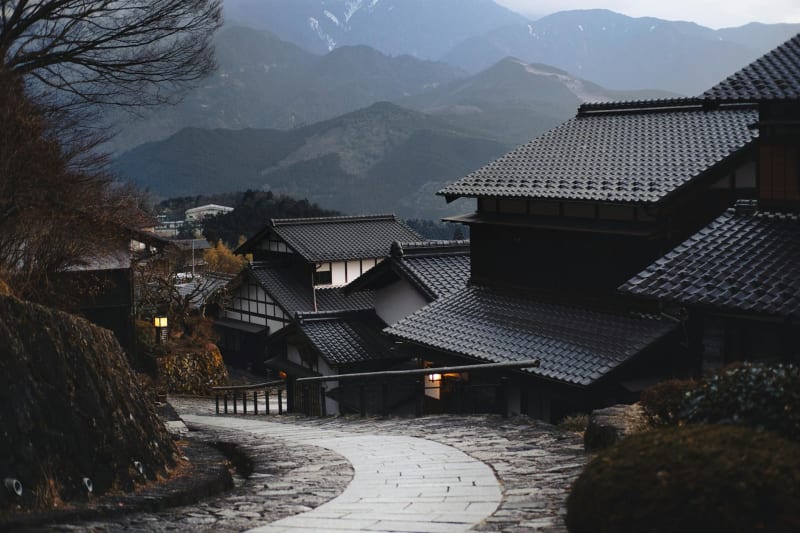
Free download
Get the Japan Guide
A curated PDF itinerary with honest picks, real restaurants, and the details that matter — the kind you'd actually print and bring.
Download the guide