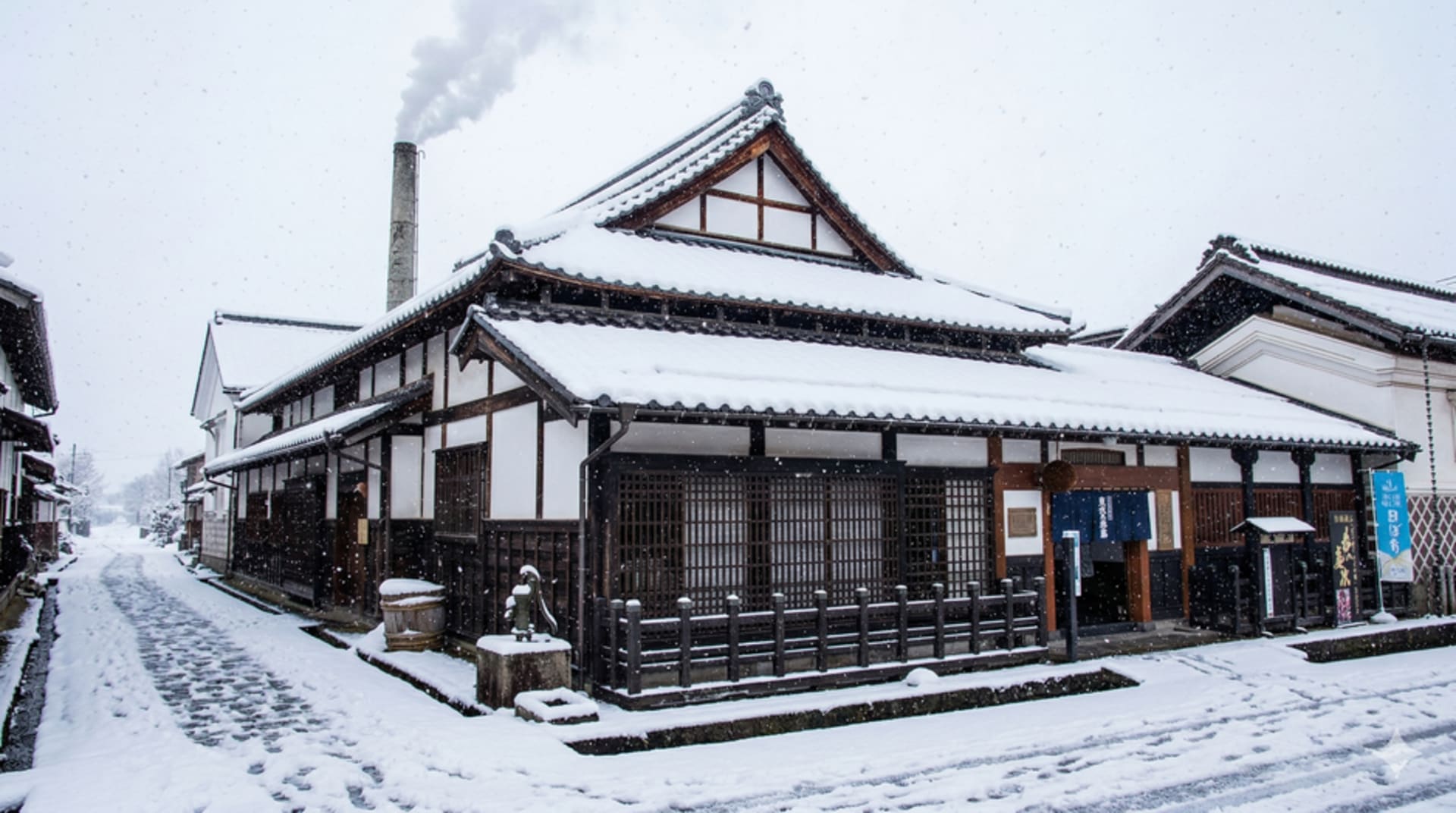
A Fukushima town where thick black-walled storehouses outnumber almost everything, and where the local religion is ramen eaten for breakfast. Wide, curly, chewy noodles in a clear soy broth, served from dawn. We came for the kura and stayed, happily, for the soup.
The first thing anyone tells you about Kitakata is that people here eat ramen in the morning. They call it asa-ra — morning ramen — and I assumed it was the kind of quirky local factoid that turns out to be half-invented for tourists. Then Lia and I walked into a shop at eight in the morning and found it two-thirds full of locals in work clothes, hunched over steaming bowls, entirely serious about the whole enterprise. We ordered, we ate, and by nine o’clock I understood the town completely.
The storehouses
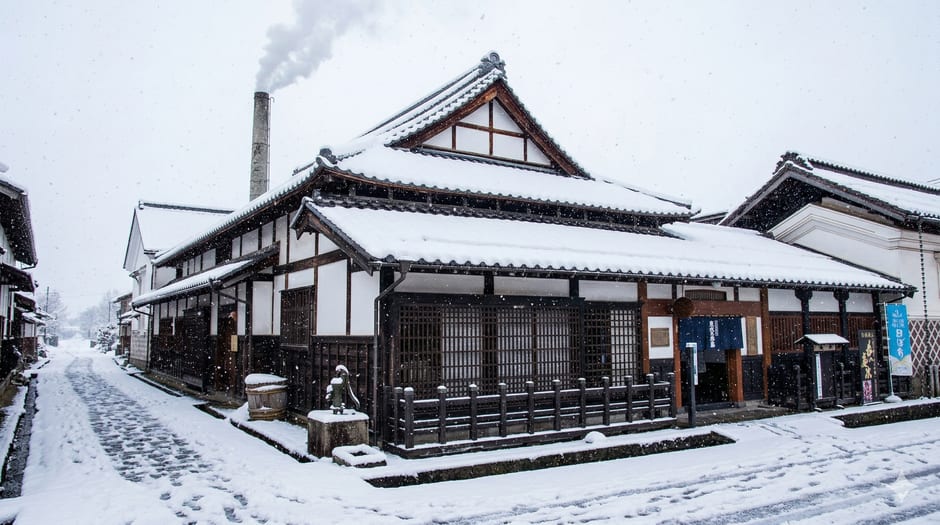
Kitakata has something like two and a half thousand kura, the thick-walled clay storehouses that most Japanese towns kept only a handful of. Here they’re everywhere — black-plastered and brick-red, some still working as sake breweries and miso cellars, others turned into shops and little museums, many just standing quietly on residential corners doing nothing at all. We spent the morning wandering with no map, turning down side streets on instinct, and the pleasure was exactly that ordinariness: a grand fireproof warehouse next to a vending machine, laundry drying beside a two-hundred-year-old wall. The town wears its history loosely, without velvet ropes.
The ramen, properly
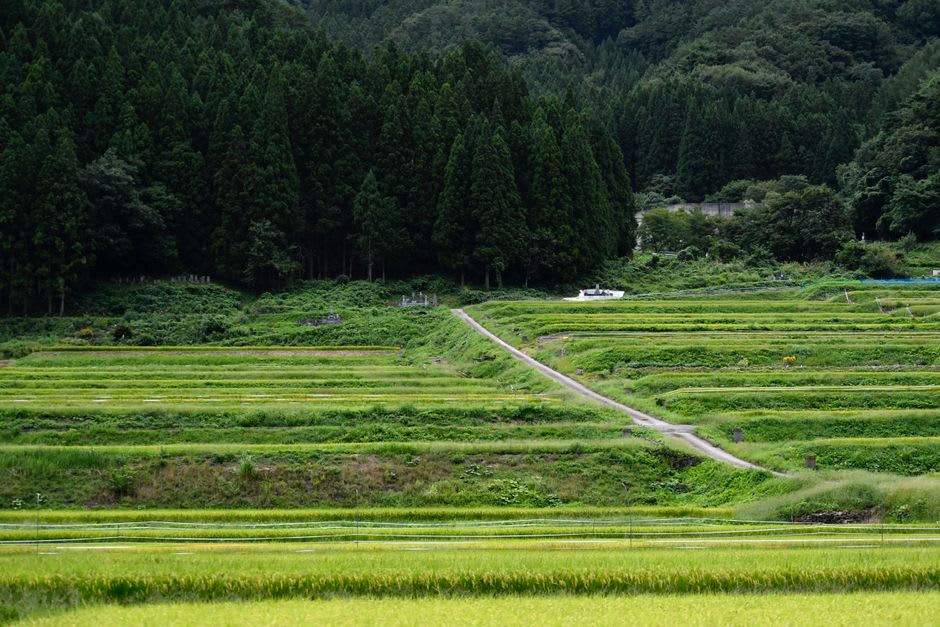
Kitakata ramen is its own thing and the town guards it fiercely. The noodles are flat, wide, and curly — hira-uchi — with a springy chew that comes from the local soft water, and they sit in a light broth built on soy and often pork-and-niboshi dashi, clear and gentle rather than heavy. There are said to be over a hundred shops in a town of not many people, each with its partisans. We tried two in one day, which is either gluttony or research depending on how you frame it. The second bowl, at a battered old shop with a queue already at opening, was the best: the broth so clean it tasted almost of nothing and then of everything, the chashu falling apart. Lia declared it the finest ramen of the trip, and she does not say such things lightly.
Sake, and the slow afternoon
All those storehouses aren’t just decoration — Kitakata’s soft water makes good sake, and several breweries let you wander in. We visited one where the tasting counter sat inside a cool, dim kura that smelled of wood and fermenting rice, and the woman pouring for us explained the seasons of brewing with the patience of someone who has explained it a thousand times and still loves it. We bought a small bottle we had no way to carry sensibly and carried it anyway. Outside, the afternoon light went gold on the black walls, and we walked back toward the station slowly, full of noodles and mildly warm from sake, agreeing that some towns just get the important things right.
Getting There
Kitakata is in the Aizu region of western Fukushima. Take the JR Ban’etsu West Line to Kitakata Station; from the Tokyo side you’ll usually change at Koriyama (Tohoku Shinkansen) and again at Aizu-Wakamatsu. The storehouse district and most ramen shops are walkable or a short cycle from the station — bikes are easy to rent. Come hungry and come early, because the best ramen shops sell out and the morning bowl really is the point.
Keep exploring
More of Tōhoku