The Alentejo Coast — Portugal's Last Quiet Secret
Forget the Algarve. The Alentejo coast is where Portugal still feels like Portugal — wild, slow, and genuinely empty.
Europe
"The country that proves you don't need a big budget to travel beautifully."
Atlantic light, unhurried meals, and a coastline that ranges from wild to sublime. Portugal is Europe's best-kept open secret.

Portugal does something unusual for a European country: it underpromises and overdelivers. People arrive expecting a cheaper Spain, a warmer England, a smaller France. What they find is a place with its own gravity, a country where a three-euro glass of wine on a Lisbon terrace at sunset can compete with any luxury experience on the continent, where fish is grilled whole over charcoal because that is how it has always been done, and where the architecture tells a story of empire, earthquake and reinvention in blue and white tiles on every other building.

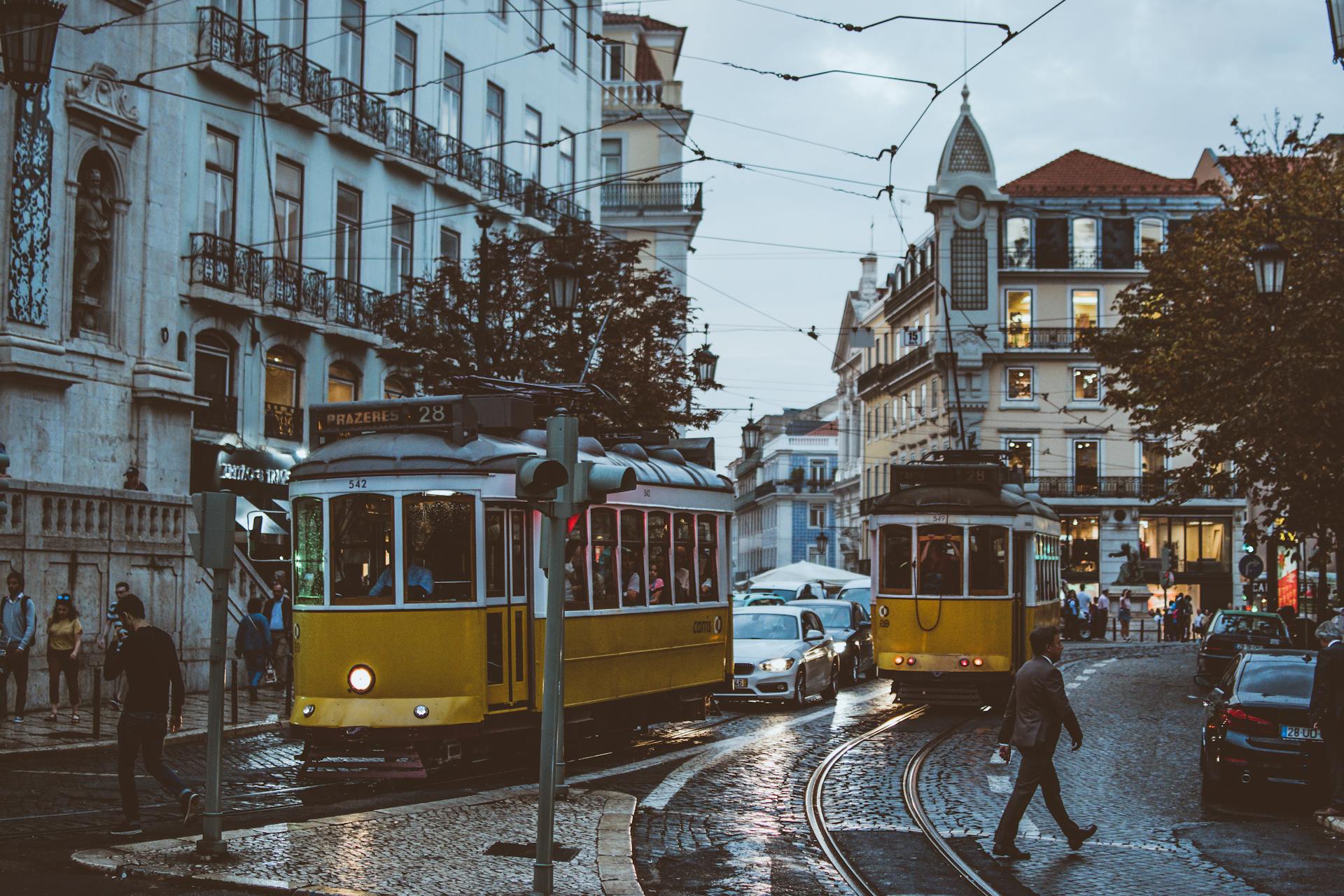
Lisbon is the entry point, and it earns its growing reputation. It is a city of hills, so the best way to see it is to give up on straight lines: ride a yellow tram up through the narrow streets of Alfama, stop at a miradouro for the view over the red roofs and the Tagus, and order a custard tart still warm from the oven at a counter where nobody sits. Day trips are easy. Sintra is a forested hill of palaces and follies, with the Sintra Royal Palaces painted in colors that look made up, and Cascais is a seaside town on the same railway line. Come early to Sintra, or better, stay the night, and you will have the paths almost to yourself.

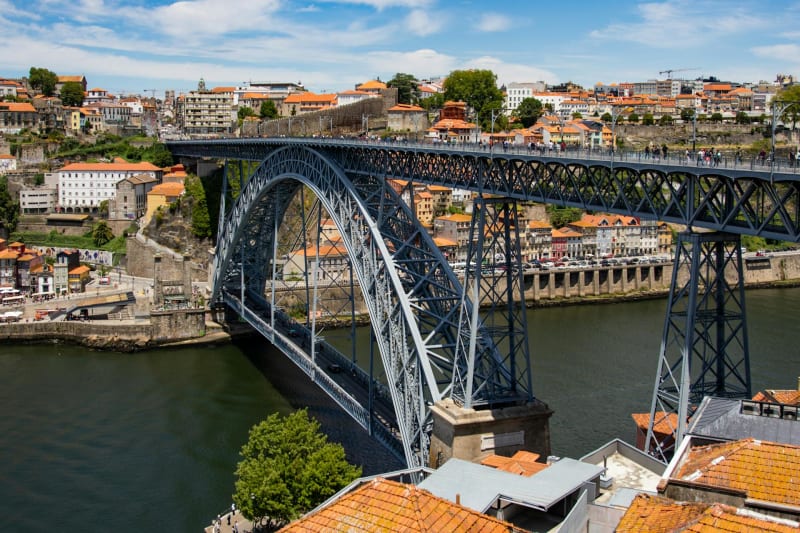
Porto has all of Lisbon’s charm and half its tourists, with better food and a river that catches the light in ways that make photographers weep. Walk down to the Ribeira, cross the iron bridge to the port lodges on the south bank, and taste a tawny in the cellar where it aged.

Behind it, the Douro Valley is where port wine comes from, and where the terraced hillsides above the river are among the most beautiful agricultural landscapes in Europe. It is a UNESCO World Heritage region, and the train from Porto along the river is one of the best rail journeys in the country. Base yourself in Pinhão or Peso da Régua, visit a few family quintas, and arrive in September, when the harvest is under way.

The Alentejo is the Portugal that sits between the guidebook pages: cork oaks, white villages, long horizons and wine that nobody outside the country takes seriously enough. Évora has a Roman temple and a chapel decorated with human bones, and walled hilltop villages such as Monsaraz and Marvão look out over a landscape that seems to go on for ever. Further north, Tomar holds the Convent of Christ, once the headquarters of the Knights Templar in Portugal, and the schist hamlets of the Aldeia do Xisto and the stone fortress village of Monsanto feel like another century.
The north of Portugal is where the country began, and it is green, granite and deeply Catholic. Guimarães calls itself the birthplace of the nation, with a hilltop castle and a tidy medieval center, and Braga is the country’s religious capital, with a baroque staircase climbing to the sanctuary of Bom Jesus. Coimbra is a university town stacked on a hill above the Mondego, with one of the oldest universities in Europe and a library that seems made for another age. Closer to Lisbon, Óbidos is a walled town of whitewashed houses and bougainvillea where a cherry liqueur is served in a chocolate cup, and Batalha and Alcobaça have monasteries that are worth a detour for the stonework alone. For hikers, the Peneda-Gerês national park holds granite peaks, waterfalls and semi-wild ponies.
The Algarve’s reputation rests on its resort strip, but its western end, around Sagres and the Rota Vicentina coastal trails, looks nothing like that and everything like the end of the world. Cliffs drop to coves, the Atlantic is cold and loud, and the light at sunset is the reason people stay. Near Lagos the cliff formations at Ponta da Piedade can be reached by small boats that slip through sea caves, and Tavira and the Ria Formosa lagoon offer a quieter, lower coast of islands and salt flats. Up the Atlantic side, Nazaré is where surfers ride some of the biggest waves in the world each winter.

Two archipelagos are worth the flight. Madeira is a steep island of levada walking trails cut along mountainsides, with Funchal as its lively harbor town. The Azores are greener and wilder, volcanic islands in the middle of the Atlantic where crater lakes such as the twin lakes of Sete Cidades shimmer in different colors, and where hot springs at Furnas steam on the hillside.

When to go: May to June or September to October. July and August bring heat and crowds to the Algarve, though the north stays pleasant. Late September is ideal: warm water, golden light, the grape harvest beginning in the Douro. The Azores and Madeira are best from late spring to early autumn, when the weather is most stable.
What most guides miss: They treat Portugal as a long weekend in Lisbon with a day trip to Sintra. The country is small enough to drive from end to end in a day, but deep enough to spend a month exploring. Rent a car. Head south. Then north. Eat the grilled fish. Drink the wine nobody has told you about, and order the dish of the day wherever you stop for lunch; it is almost always the best thing on the menu. Skip the packed beaches of the central Algarve in August and go inland instead, where a village lunch costs a fraction of the coast price. You will spend half of what you would in France and remember it twice as long.
Photography: Pexels contributors.
Explore
 portugal
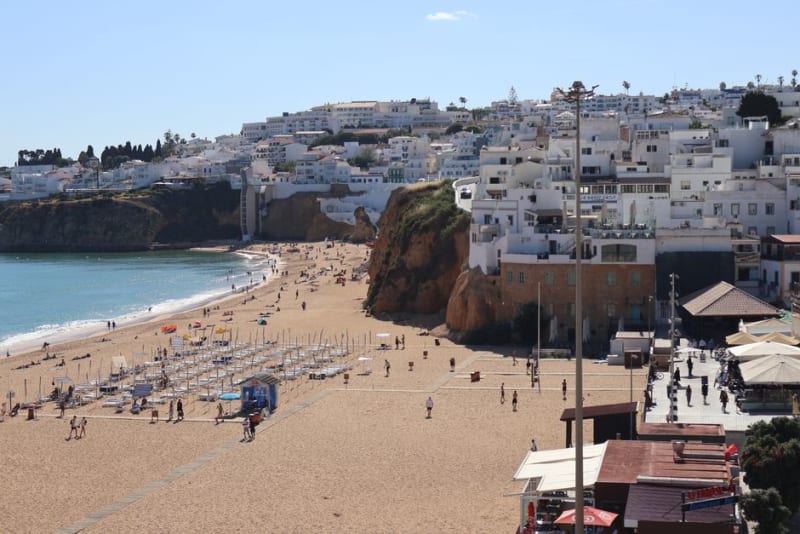
A whitewashed fishing town swallowed whole by mass tourism, where the old quarter still survives in fragments if you know to look past the strip.
Explore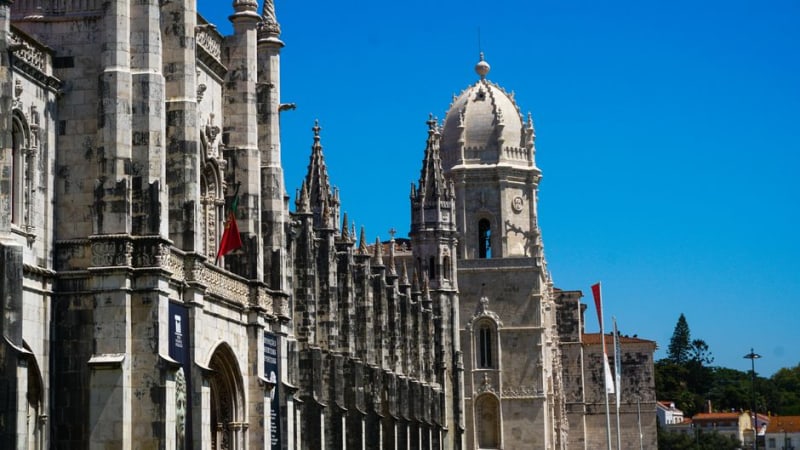 portugal
A colossal Cistercian abbey holding one of Europe's greatest doomed love stories in stone, in a small town that otherwise smells overwhelmingly, wonderfully, of egg-yolk pastry.
Explore portugal
A network of restored schist villages in the Serra da Lousã, their stone houses blending into the mountain like natural formations.
Explore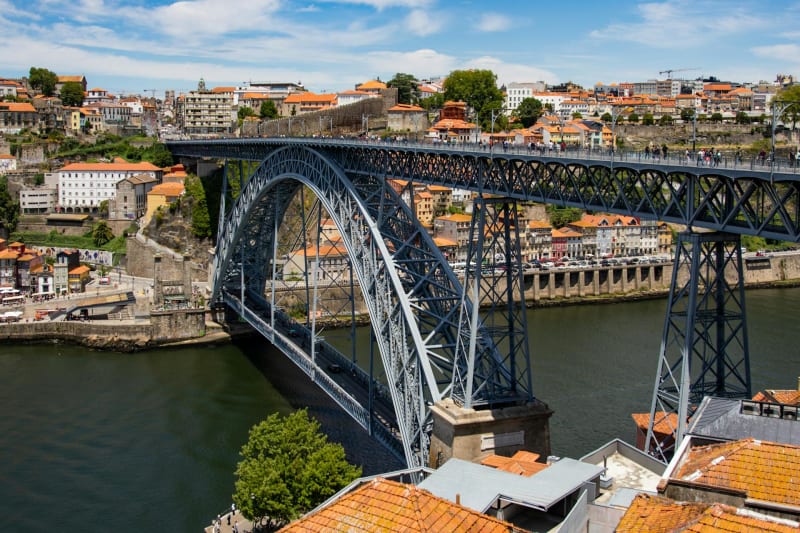 portugal
Cork oaks, white villages, wild Atlantic coastline, and the most underrated wine region in Europe.
Explore portugal
Sea caves, ochre cliffs, and a coastline that ranges from resort-polished to genuinely wild — depending on how far west you are willing to drive.
Explore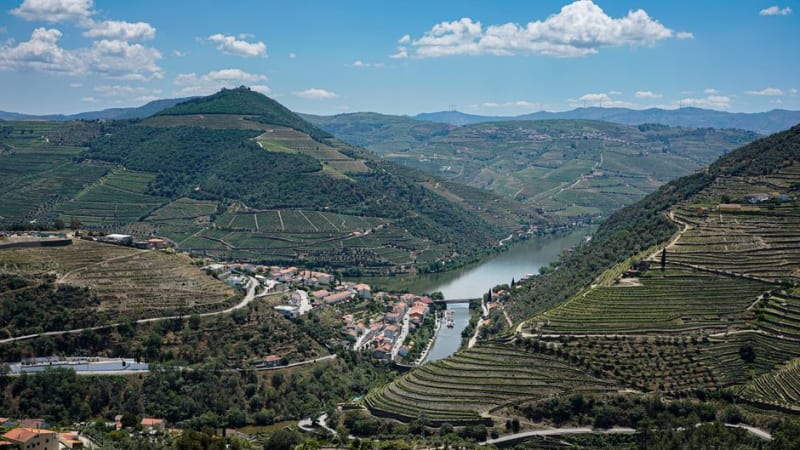 portugal
A hilltop Douro wine town built more for growers than for tourists, where the port houses are family names on cellar doors rather than brands, and the plateau views stretch over vines in every direction.
Explore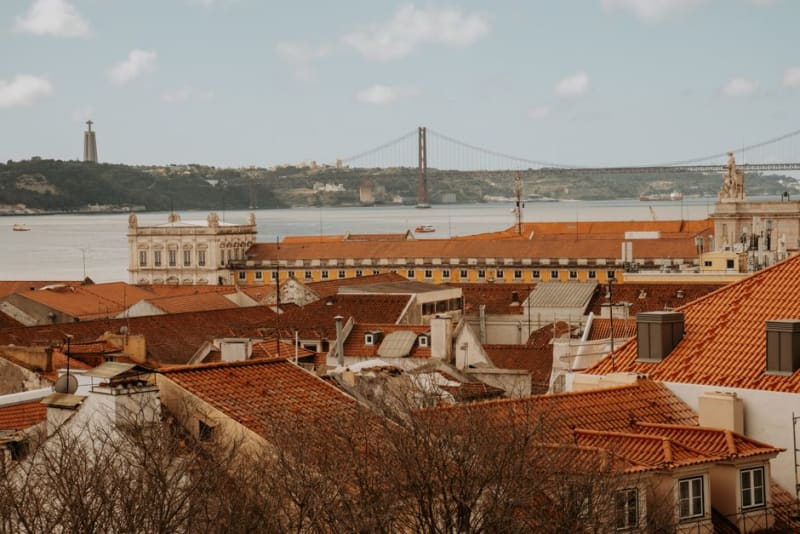 portugal
The unglamorous side of the Tejo, where a giant Christ statue watches over Lisbon and a rickety panoramic lift drops you straight onto a working riverfront.
Explore portugal
A twelve-pointed star fortress on the Spanish border, its bastions cut so precisely into the earth that from above the whole town looks like a piece of military origami.
Explore portugal
A quiet fishing village on a tidal estuary, where wooden boardwalks thread through salt marsh and the loudest sound is still boat rigging clinking in the wind.
Explore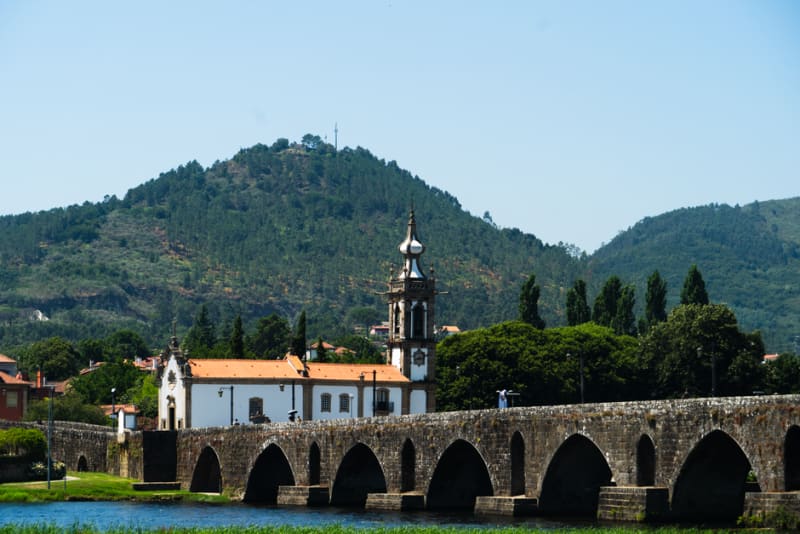 portugal
A riverside town built around a saint famous for matchmaking, where a graceful stone bridge and a monastery of carved granite saints preside over pastries shaped, unmistakably, like something else entirely.
Explore portugal
Terceira's UNESCO-listed colonial capital, once the Atlantic's most important port between Europe and the Americas, where the streets fill each summer with garlanded arches for the Holy Spirit festivals.
Explore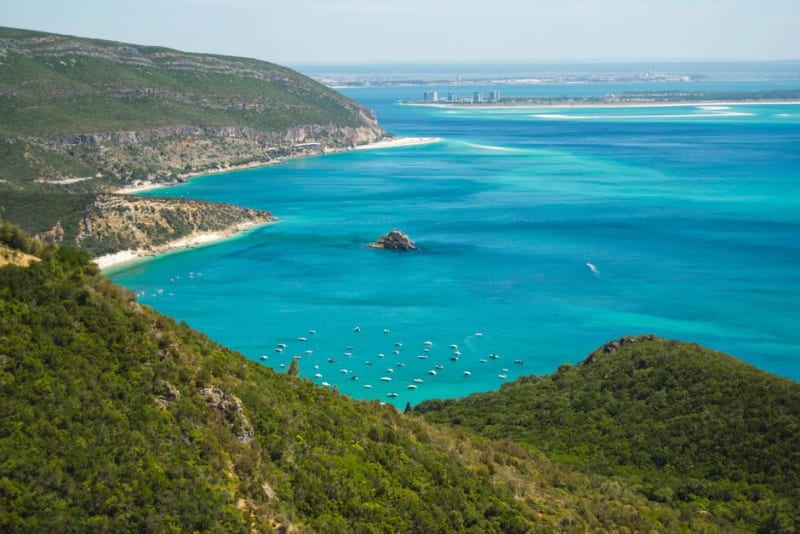 portugal
A limestone mountain range that drops straight into Caribbean-turquoise water, hiding a whitewashed convent, wild goats, and some of the clearest sea in mainland Portugal.
Explore portugal
Canals, striped fishing boats, and a sugary local pastry conspire to make this lagoon city feel like Venice's more relaxed, saltier cousin.
Explore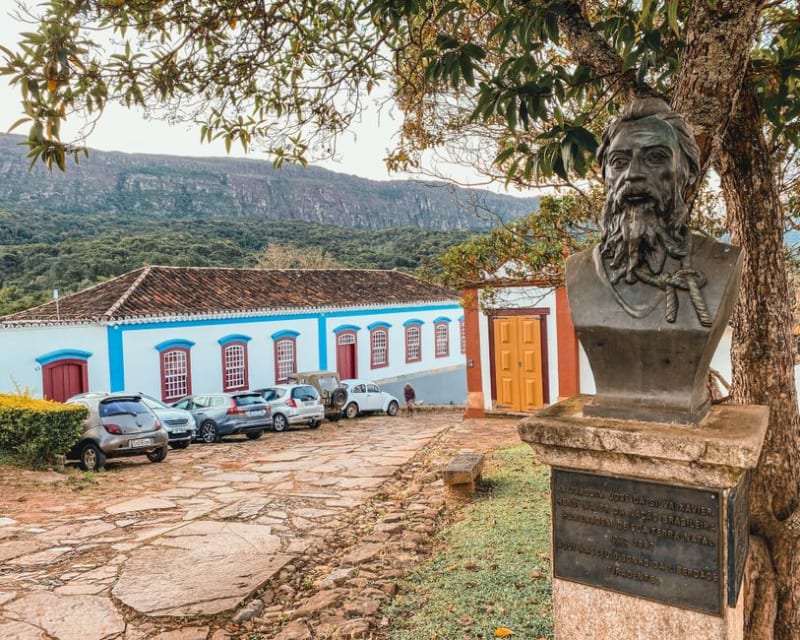 portugal
A quiet Setúbal Peninsula village where sheep's cheese is still shaped by hand and the cellars of José Maria da Fonseca have been fortifying Moscatel wine since 1834.
Explore portugal
Volcanic lakes, hot springs, and mid-Atlantic isolation — Europe's most unexpected archipelago, where the weather changes four times before lunch.
Explore portugal
The town that gave Portugal its most iconic symbol — a crowing rooster born from a medieval legend of wrongful accusation — still throws the country's biggest weekly market and paints its story onto pottery by hand.
ExploreFree download
A curated PDF itinerary with honest picks, real restaurants, and the details that matter — the kind you'd actually print and bring.
Download the guide