
Melides
"Melides is the kind of secret that everyone insists on telling you like it's still one."
A one-street Alentejo coast village between a lagoon and the dunes, quietly colonized by designers and off-duty celebrities without ever quite admitting it's changed.

Melides doesn’t look like much from its own main street — a bakery, a café, a hardware store, a church — and that’s precisely the point people keep making about it, usually in a hushed tone that undercuts their own claim to discretion. I’d heard the rumors before I arrived: that this sleepy Alentejo coast village had quietly become a favorite of architects, fashion people, and at least one former French president, who reportedly bought a house nearby. Driving in, none of that is visible. What is visible is a landscape doing something unusual for the Alentejo coast — pine-covered dunes, a freshwater lagoon separated from the Atlantic by a thin bar of sand, storks nesting on chimney pots in the village itself.
A Lagoon, Not a Postcard
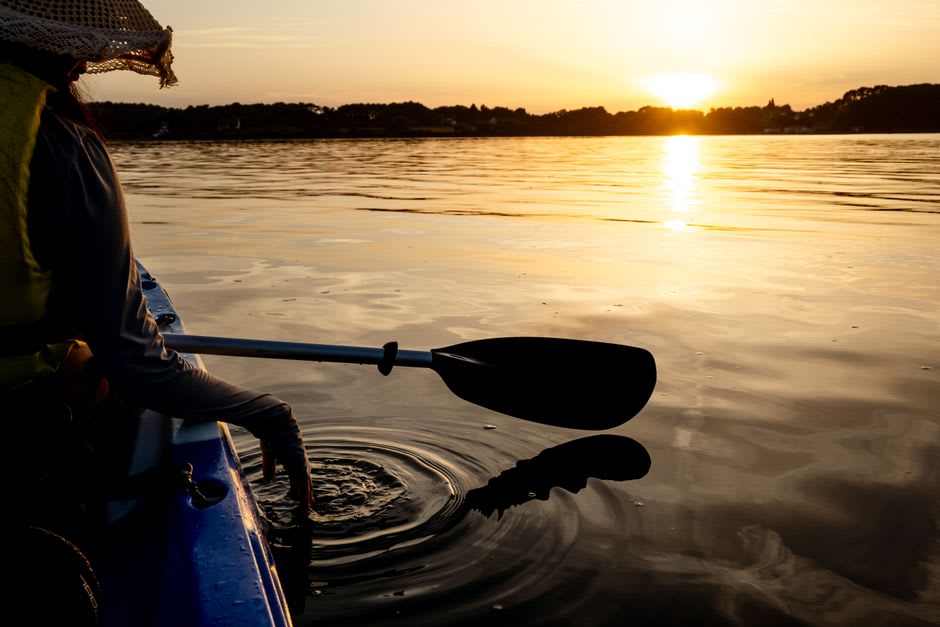
The Lagoa de Melides is the reason to actually linger. It’s a seasonal lagoon, opening to the sea only when the sandbar breaks or is cut, and in summer it becomes a still, brackish mirror ringed by reeds and umbrella pines, popular with kayakers and absolutely nobody else. I rented a paddleboard from a stand run by a guy in his twenties who’d moved down from Lisbon “for the quiet,” and spent an hour drifting past herons that didn’t bother lifting off as I passed, the dunes on one side and low pine forest on the other, the Atlantic audible but not visible over the sandbar.
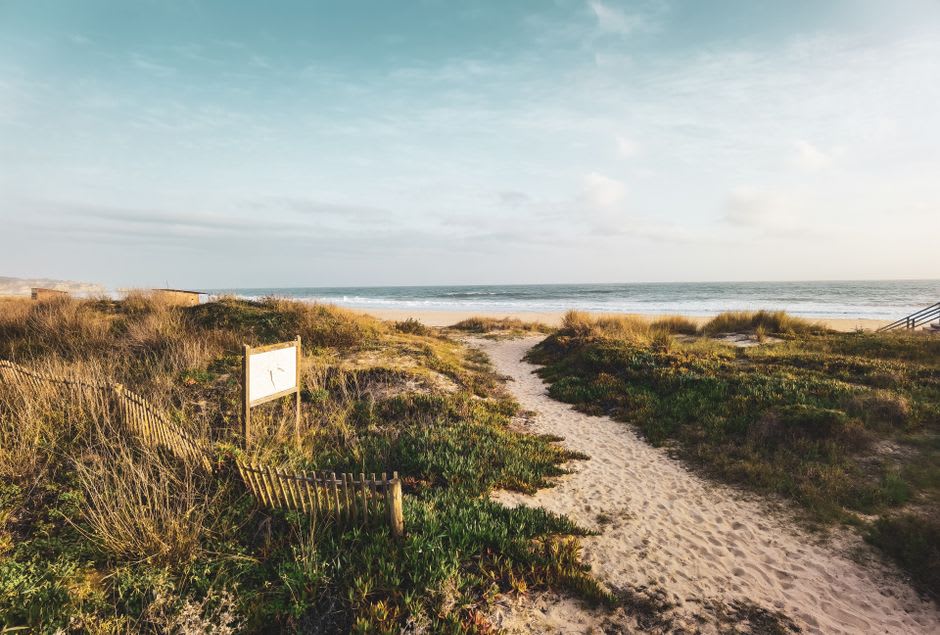
The beach itself, Praia de Melides, is a proper wild Atlantic beach — no boardwalk, no rows of umbrellas, just dune grass and a scattering of surfers reading the swell. I walked it at low tide for what felt like a mile without passing another person, which is either the village’s best-kept secret or its most over-discussed one, depending which article you read beforehand.
Bread, Wine, and Not Much Else
Back in the village I ate dinner at a small tasca that had exactly four tables and a chalkboard menu, grilled sardines and a carafe of local vinho regional Alentejano, while the owner argued cheerfully with a regular about a football match neither seemed to actually remember the score of. Nothing about the meal or the room suggested the village’s supposed reputation for hidden glamour — which, I suspect, is exactly how the people who’ve found it want to keep it.
When to go: Come in June, before the peak-summer crowd that’s slowly discovering the place arrives, when the lagoon is full and the beach is still mostly yours.
Keep exploring
More from Portugal
 portugal
 Mértola
A riverside village stacked on a hill above the Guadiana, where a mosque became a church without anyone tearing the mihrab out, and three thousand years of layers show through in one afternoon's walk.
Explore portugal
 Miranda do Douro
A windswept plateau town above a canyon-cut river, holding onto its own language and a stick-dance nobody else in Portugal performs, as if it forgot to join the rest of the country.
Explore portugal
 Monção
The unofficial capital of Alvarinho wine country, where the vines grow high on pergolas above the vegetable patches and every terrace overlooks the Spain-facing Minho river.
Explore portugal
 Monchique
A misty mountain town above the Algarve's coastal heat, where thermal springs, handmade woodwork, and a fierce homemade firewater define a completely different pace of life.
Explore portugal
 Monsanto
A village built between and under enormous granite boulders on a hilltop in Beira Baixa, voted most Portuguese village in 1938.
Explore portugal
 Monsaraz
A whitewashed fortress village on an Alentejo ridge, looking down over Europe's largest artificial lake, where time seems to have simply stopped somewhere around the Middle Ages.
Explore