
Favaios
"Favaios smells like warm bread and sweet wine, and honestly I'm not sure it needs to be anything more complicated than that."
A small plateau village famous for two things only, and doing both better than almost anywhere else in Portugal: sweet Moscatel wine and bread baked in wood ovens the old-fashioned, unhurried way.

I smelled Favaios before I found a place to park — a warm, yeasty smell drifting from somewhere in the village that turned out to be one of several padarias still baking bread daily in traditional wood-fired ovens, a practice that’s kept this tiny plateau village oddly famous across northern Portugal. The bread here, called pão de Favaios, is dense, slightly sweet, and traditionally baked in big round loaves that locals swear taste different because of the wood used and the specific flour milled nearby — I bought a loaf still warm enough to fog up its paper bag and ate most of it before lunch out of pure impatience. Favaios sits on a stretch of plateau above the Douro’s steep river terraces, which turns out to be exactly the kind of terrain — high altitude, poor schist soil, plenty of sun — that its other claim to fame, Moscatel Galego grapes, seems to love.
The Wine Named After the Village
The Adega Cooperativa de Favaios has been bottling Moscatel do Douro since the 1950s, and it remains one of the few places in Portugal producing this specific fortified, intensely aromatic sweet wine at real scale, distinct from the more famous Moscatel de Setúbal further south. I did a short tasting there, and the wine — pale gold, syrupy, smelling almost like orange blossom and raisins before you’ve even tasted it — was poured alongside, unsurprisingly, a plate of the local bread, a pairing the cooperative’s staff clearly consider not optional. An older woman working the tasting room told me her family had been supplying grapes to the co-op for three generations, that the whole village basically runs on this one grape and one kind of bread, and she said it with a kind of contentment that made the smallness of the place feel like a choice rather than a limitation.

I walked out past the edge of the village at sunset, through vineyard rows heavy with Moscatel grapes turning amber in the low light, the plateau air noticeably cooler and drier than down by the river, and thought that I could have easily spent another day here doing absolutely nothing but eating bread and drinking sweet wine.

When to go: September, during the grape harvest, when the cooperative winery is at its most active and the bakeries seem to time extra batches to match the visiting crowds.
Keep exploring
More from Portugal
 portugal
 Flores Island
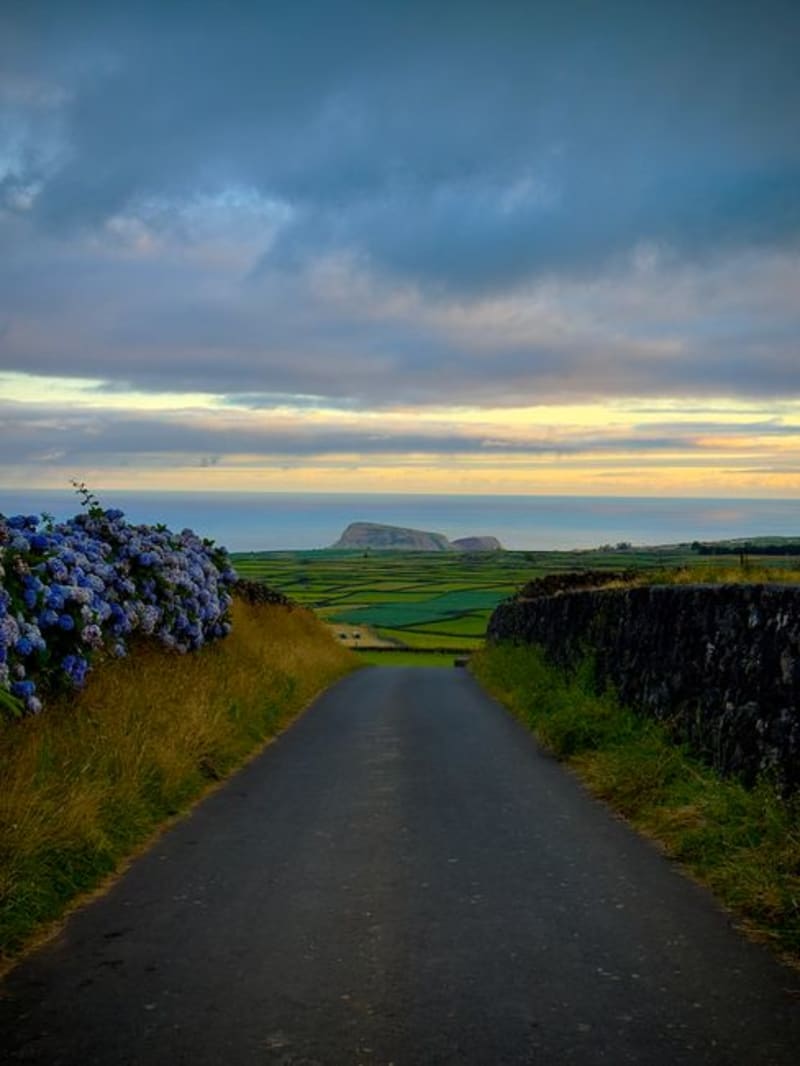
The westernmost tip of Europe, where waterfalls drop straight into the Atlantic and hydrangea hedges turn every road into a blue-and-green corridor.
Explore portugal
 Foz Côa
A dusty Douro Superior town that turned out to be sitting on top of the largest collection of open-air Paleolithic art on Earth, carved into riverside rock 20,000 years before anyone thought to write it down.
Explore portugal
 Freixo de Espada à Cinta
A remote almond-blossom town above a wild stretch of the Douro canyon, its odd name and its pink February orchards both hinting at a history most of Portugal has forgotten.
Explore portugal
 Funchal
Madeira's capital tumbles down a volcanic amphitheater to the harbor, a city of wicker toboggans, fortified wine, and a market loud enough to hear from the street.
Explore portugal
 Fundão
The unofficial capital of Portugal's cherry country, where entire hillsides below the Serra da Estrela turn white with blossom each spring and red with fruit by early summer.
Explore portugal
 Furnas
A volcanic valley on São Miguel where the earth hisses and steams in public gardens, and lunch is a stew buried in the ground at dawn and dug up, still smoking, seven hours later.
Explore