
Barcelos
"In Barcelos, a roasted rooster once supposedly stood up and crowed to prove a man's innocence — and the whole country has been buying ceramic ones ever since."
The town that gave Portugal its most iconic symbol — a crowing rooster born from a medieval legend of wrongful accusation — still throws the country's biggest weekly market and paints its story onto pottery by hand.

Barcelos announces itself before you’ve even parked, because half the souvenir shops in Portugal have already told you what to expect: the Galo de Barcelos, that black-beaked, red-combed rooster covered in painted hearts and flowers, sitting in every gift shop from the Algarve to Porto. I’d seen the thing a hundred times before I ever set foot in the town that invented it, so walking into the actual Barcelos market, on a Thursday morning, and seeing hundreds of them — every size, every hand-painted variation — felt like meeting a celebrity’s hometown relatives. The legend, which every stallholder will happily tell you with slight variations, involves a pilgrim wrongly condemned to hang, a skeptical judge, and a roasted rooster that supposedly stood up on the dinner table and crowed to prove the man’s innocence. Whether you believe a word of it is beside the point; the story is now the town’s entire identity.
Thursdays Belong to the Market
The Feira de Barcelos, held every Thursday in the vast Campo da República, is reputedly one of the largest weekly markets in Portugal, and walking it felt less like tourism and more like eavesdropping on an entire region’s supply chain — livestock, textiles, hardware, live rabbits in stacked cages, sacks of dried beans, and, at the edges, the pottery stalls where Barcelos’s other great tradition gets sold. The town has been a center of folk ceramics for generations, black clay and painted earthenware alongside those endless rooster variations, and I watched one vendor demonstrate to a customer how to tell a hand-painted piece from a mass-produced one by the slight asymmetry of the brushstrokes.
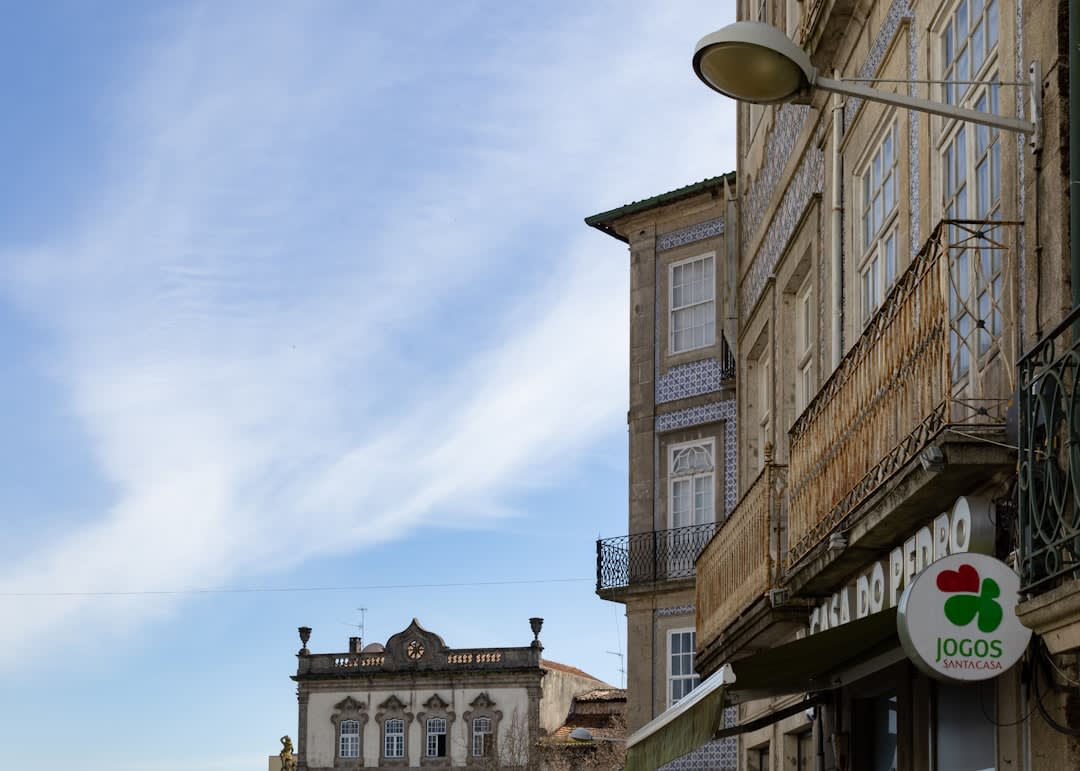
Afterward I wandered down to the medieval bridge over the Cávado and into the ruined Paço dos Condes, the roofless Gothic palace of the old Counts of Barcelos, now an open-air archaeological museum where — fittingly — the original stone carving of the rooster legend is kept among broken tombs and coats of arms, weathered by two centuries of open sky. A caretaker there, noticing me squinting at the worn inscription, walked over unprompted and translated the gist of it for me in slow, patient Portuguese-accented English, clearly pleased someone had asked.

I bought a small rooster before leaving — hand-painted, slightly lopsided, exactly the kind the caretaker had told me to look for — and it’s sat on my desk in Mexico ever since, a small loud piece of the Minho.
When to go: Come on a Thursday, market day without exception since the Middle Ages, and pair it with a spring visit when the Cávado riverbanks are green and the crowds are thinner than summer.
Keep exploring
More from Portugal
 portugal
 Batalha
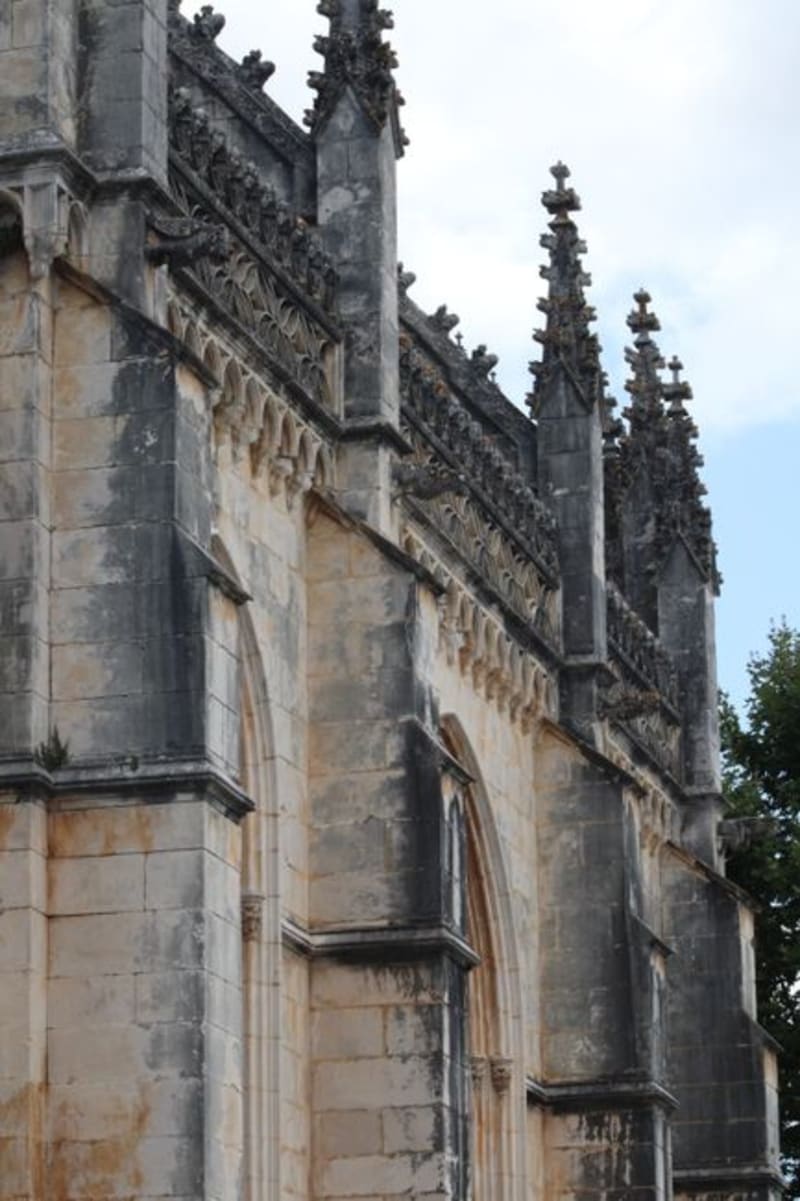
A limestone monastery built as a thank-you note to God for winning a battle that saved Portuguese independence, its unfinished chapels open to the sky as if the masons simply walked off one day.
Explore portugal
 Beja
The quiet capital of the Alentejo plains, where a medieval keep watches over wheat fields to the horizon and a convent guards one of literature's great, disputed love stories.
Explore portugal
 Belmonte
A hilltop town that quietly protected a hidden Jewish community for five centuries and gave the world the man who reached Brazil — history here runs deeper than the postcard suggests.
Explore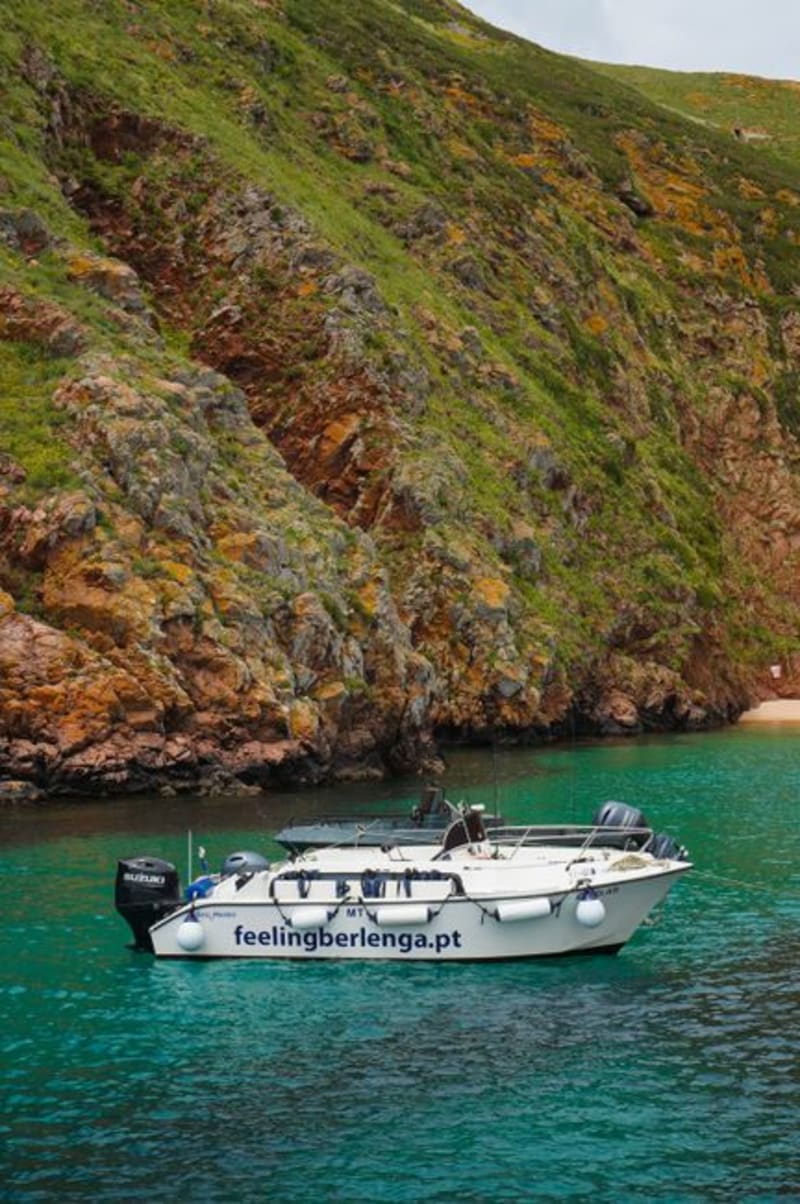 portugal
 Berlenga Islands
A jagged nature reserve archipelago adrift off the Peniche coast, ruled by seabirds and a lone fort perched on a rock, reached by a boat crossing rough enough to earn the view.
Explore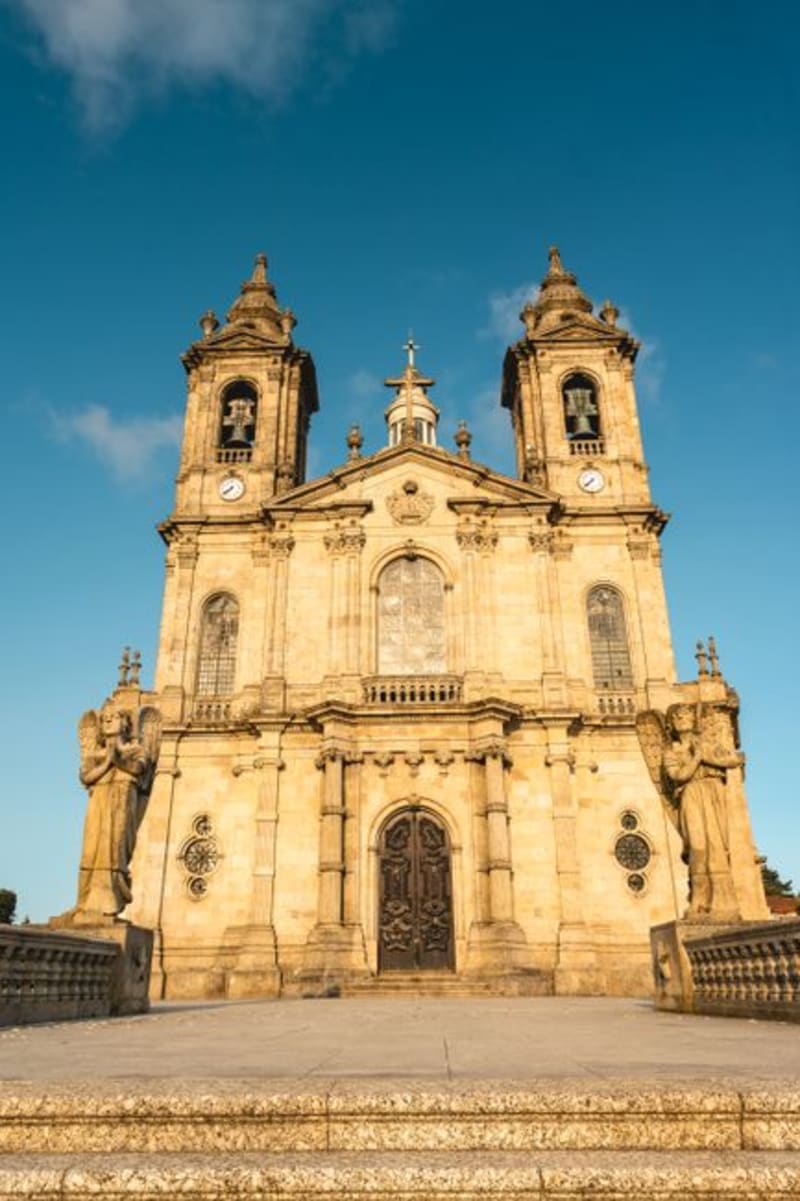 portugal
 Braga
Portugal's oldest city hides its age behind baroque exuberance, granite cathedrals, and a zigzag staircase up a forested hill that pilgrims have climbed on their knees for three centuries.
Explore portugal
 Bragança
Tucked into Portugal's remote northeastern corner, a walled medieval citadel guards a keep, a strange pillory speared through a granite pig, and some of the country's last untouched rural traditions.
Explore