
Idanha-a-Velha
"Idanha-a-Velha has maybe a dozen residents and two thousand years of ruins, and somehow that math feels exactly right."
A village of barely a dozen residents built directly on top of a Roman city, where cathedral ruins and Visigothic stonework sit unguarded in fields, and once a year a world music festival fills the silence.

I have never felt time collapse the way it did in Idanha-a-Velha. The village — if you can even call twelve houses a village — sits on the site of Roman Egitânia, and the evidence isn’t behind glass in a museum, it’s just there: a Roman bridge you drive over without noticing, granite columns stacked against a barn wall, a full-sized fifth or sixth-century Visigothic cathedral standing roofless in an open field with sheep occasionally grazing at its base. I parked, and for a long moment I genuinely wasn’t sure whether the ruins were a protected archaeological site or just what was left of somebody’s old field wall.
Rome, Then Everyone Else
Idanha-a-Velha’s layered history is almost absurd for a place this small: founded or refounded by the Romans as Egitânia, it became an important bishopric under the Visigoths after Rome’s collapse, was held briefly by the Moors, and then passed through Templar hands during the Reconquista — you can see all of it in the walls, Roman masonry at the base, Visigothic capitals reused as decoration, medieval battlements patched on top, sometimes within the same ten feet of stonework. The cathedral ruins are the centerpiece: a Visigothic basilica, one of the oldest religious structures in Portugal, its apse and column bases still legible even with no roof and grass growing through the floor. I sat on a fallen block of granite for twenty minutes without seeing another visitor, which is the whole experience of Idanha-a-Velha in one sentence.

What makes the place stranger still is that for one week each summer, this village of maybe a dozen full-time residents becomes one of the loudest places in Portugal — it hosts a stage of the WOMAD festival, the world music event founded with Peter Gabriel’s backing, and thousands of people camp in fields around these Roman ruins to watch bands from a dozen countries under the stars. I missed the festival by a few weeks and could still see the trampled grass where the crowds had been, an odd overlay on a place that spends the other fifty-one weeks of the year in near-total silence.
Silence, Mostly
Outside festival season, Idanha-a-Velha is just a handful of elderly residents, a small chapel, storks nesting on the ruined cathedral tower, and the sound of the Ponsul river running past the old Roman bridge.
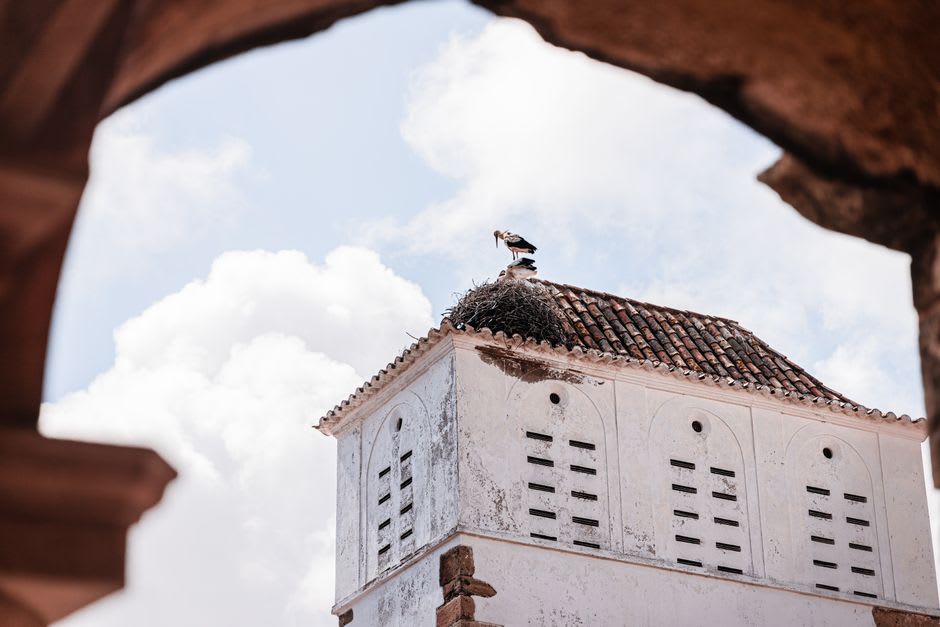
When to go: Come for WOMAD in late July if you want the village at its most alive, or any quiet weekday for the ruins entirely to yourself.
Keep exploring
More from Portugal
 portugal
 Lagos
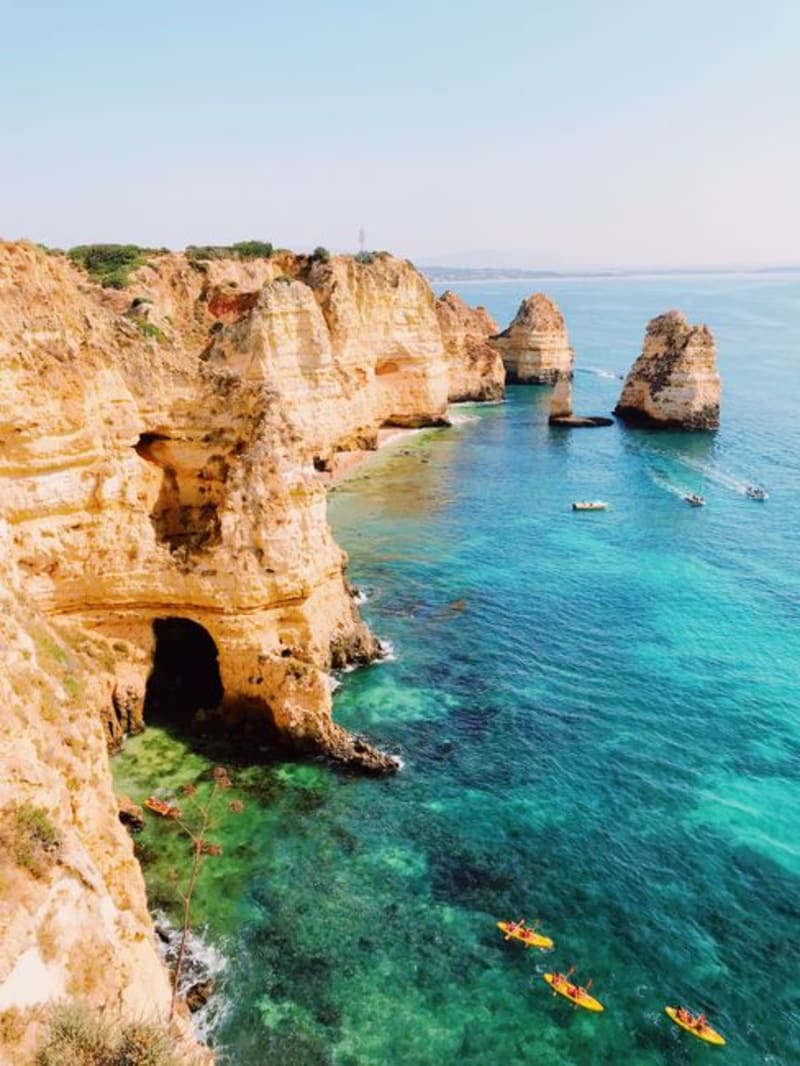
A town of golden cliffs and grottoes where Portugal's age of exploration began and its darkest colonial history is finally being told alongside it.
Explore portugal
 Lamego
A Douro hill town where a monumental Baroque staircase of six hundred steps climbs to a hilltop sanctuary, and the local sparkling wine has quietly outclassed its famous neighbor for over a century.
Explore portugal
 Leiria
A modest hilltop-castle city on the river Lis, overshadowed by its famous monastic neighbors, that rewards anyone willing to actually stop instead of just passing through.
Explore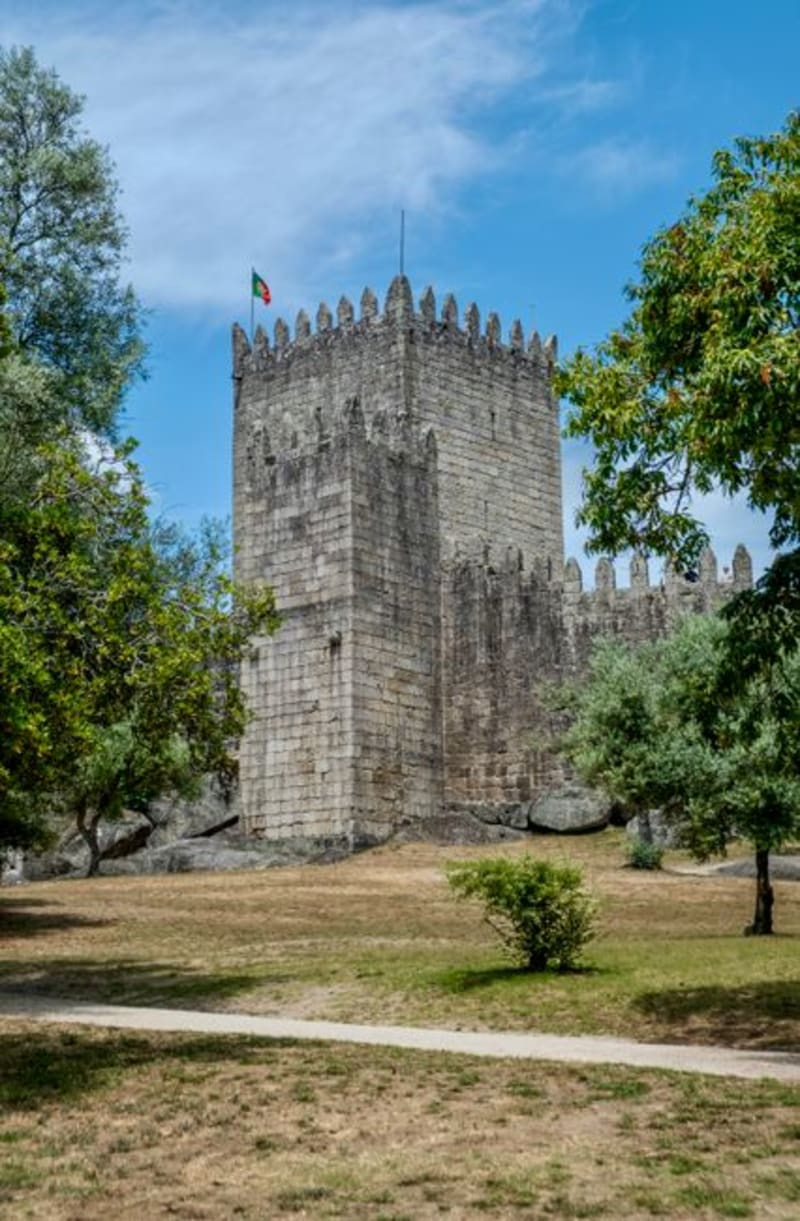 portugal
 Linhares da Beira
A granite castle village clinging to the foothills of the Serra da Estrela, where Roman milestones, medieval walls, and dry-stone terraces are stacked so tightly you trip over centuries.
Explore portugal
 Lisbon
Seven hills, crumbling pastel facades, and the kind of melancholic beauty that makes you want to learn Portuguese just to read the poetry.
Explore portugal
 Madeira
A subtropical garden in the Atlantic, where levada trails thread through laurel forests and the wine has been fortified since the Age of Exploration.
Explore