
Vila Viçosa
"Vila Viçosa is the only town I know where the sidewalks are nicer than my apartment."
A small Alentejo town where the Bragança dukes built a marble palace among orange groves, and the stone underfoot is worth more than most people's houses.

I noticed the marble before I noticed anything else. Curbstones, doorframes, entire building facades — quarried a few kilometers away and so abundant here that locals use it the way other towns use cheap concrete. I’d driven down from Estremoz on a back road lined with orange trees heavy with fruit nobody seemed in a hurry to pick, and Vila Viçosa announced itself first as a smell, that particular citrus-and-dust combination of inland Alentejo in late summer, before the Ducal Palace itself came into view across the Terreiro do Paço, a square so oversized for a town this size that it took me a second to understand I wasn’t looking at a mirage.
Where Kings Slept On Their Way Out
The Paço Ducal is the reason anyone detours here, and it earns the detour. This was the seat of the House of Bragança, the family that ruled Portugal from 1640 until the monarchy ended in 1910, and the last king, Dom Manuel II, spent his final night on Portuguese soil under this roof in 1910 before sailing into exile. Walking the state rooms with a guide who clearly loved the job more than the pay justified, I kept getting stuck on small details — the armory with rows of hunting rifles still gleaming, a billiards room, tapestries that had survived four centuries of Alentejo humidity better than my own clothes survive a Mexican rainy season.
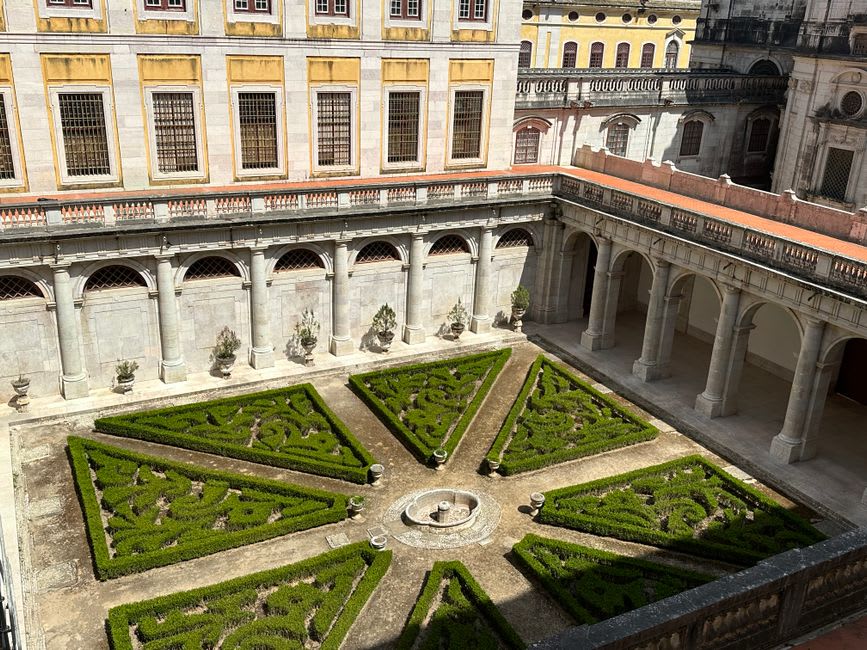
Outside, the town center is compact enough to walk in twenty minutes, but I spent three hours there anyway, mostly because I kept sitting down. There’s a marble fountain on nearly every corner, worn smooth by centuries of hands, and I watched an old man fill two plastic bottles from one like it was the most ordinary errand in the world — which, for him, it was.
The Royal Deer and a Quiet Café
Behind the palace, the old royal hunting grounds — the Tapada Real — still hold a population of fallow deer descended from herds the dukes kept for sport, and you can walk part of the grounds at dusk when the light turns everything the color of the marble itself. I ended up at a tiny café off the main square eating a slice of the local speciality, a thick almond and egg-yolk sweet called toucinho do céu, “bacon from heaven,” which has nothing to do with bacon and everything to do with how much sugar an Alentejo convent could get away with in the eighteenth century.
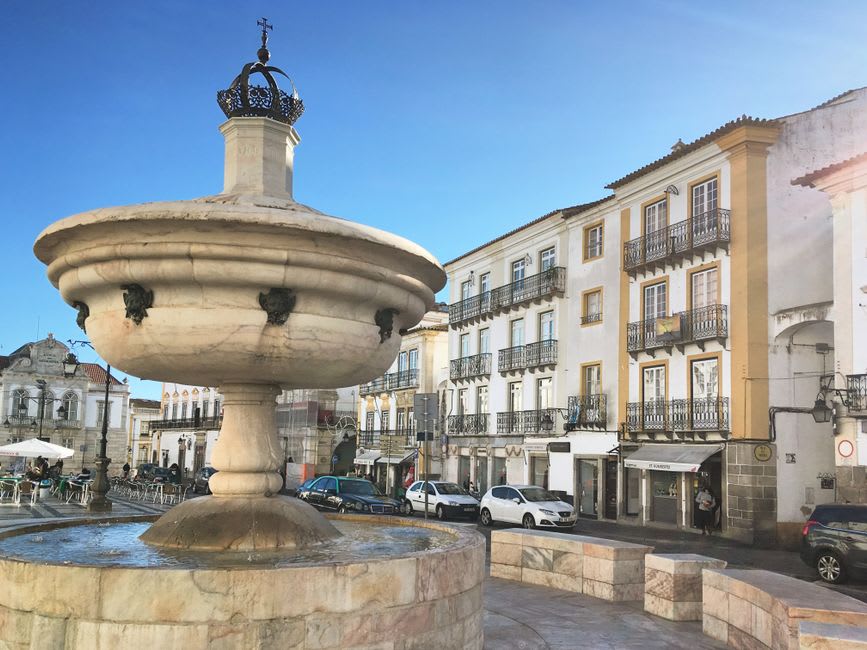
What stayed with me wasn’t the grandeur, honestly — it was how unbothered the town is by its own history. Kids play football against the palace’s outer wall. Nobody’s selling snow globes.
When to go: Come in autumn when the orange harvest is on and the heat has broken; the palace gardens are at their best and the town’s few restaurants aren’t overwhelmed by day-trippers from Évora.
Keep exploring
More from Portugal
 portugal
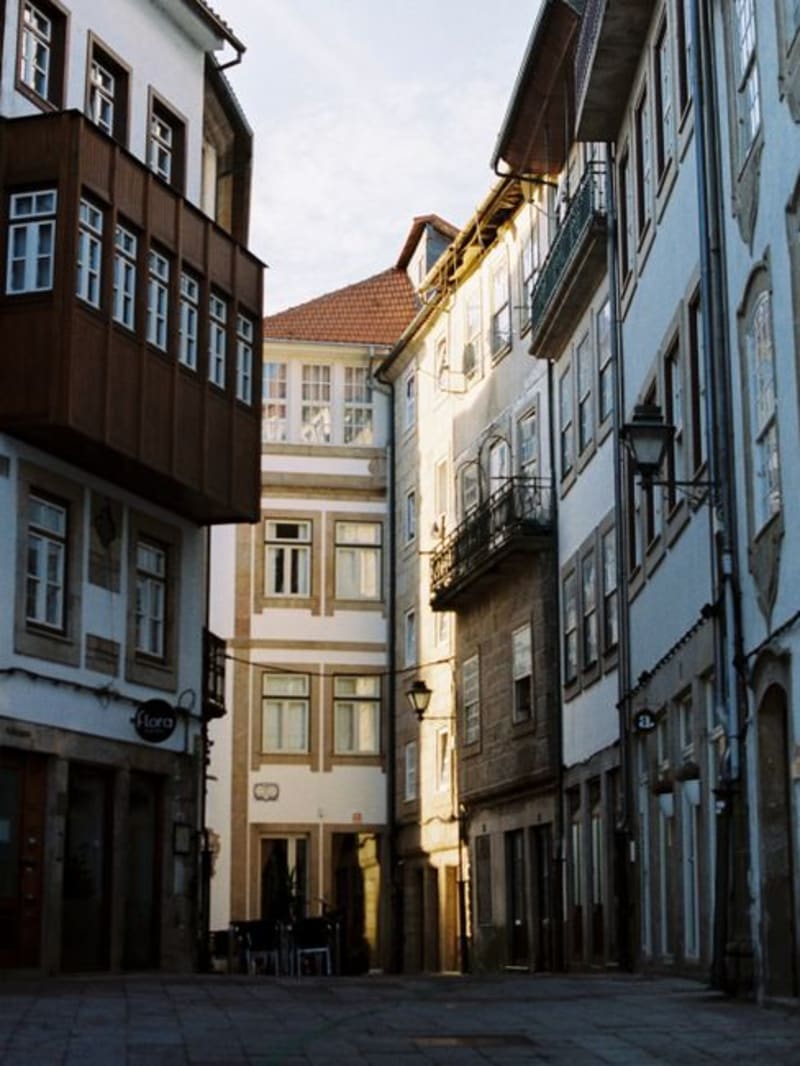
 Viseu
A granite city on a plateau in the Dão wine country, where a Renaissance painter's ghost and unhurried café terraces make you forget the coast exists at all.
Explore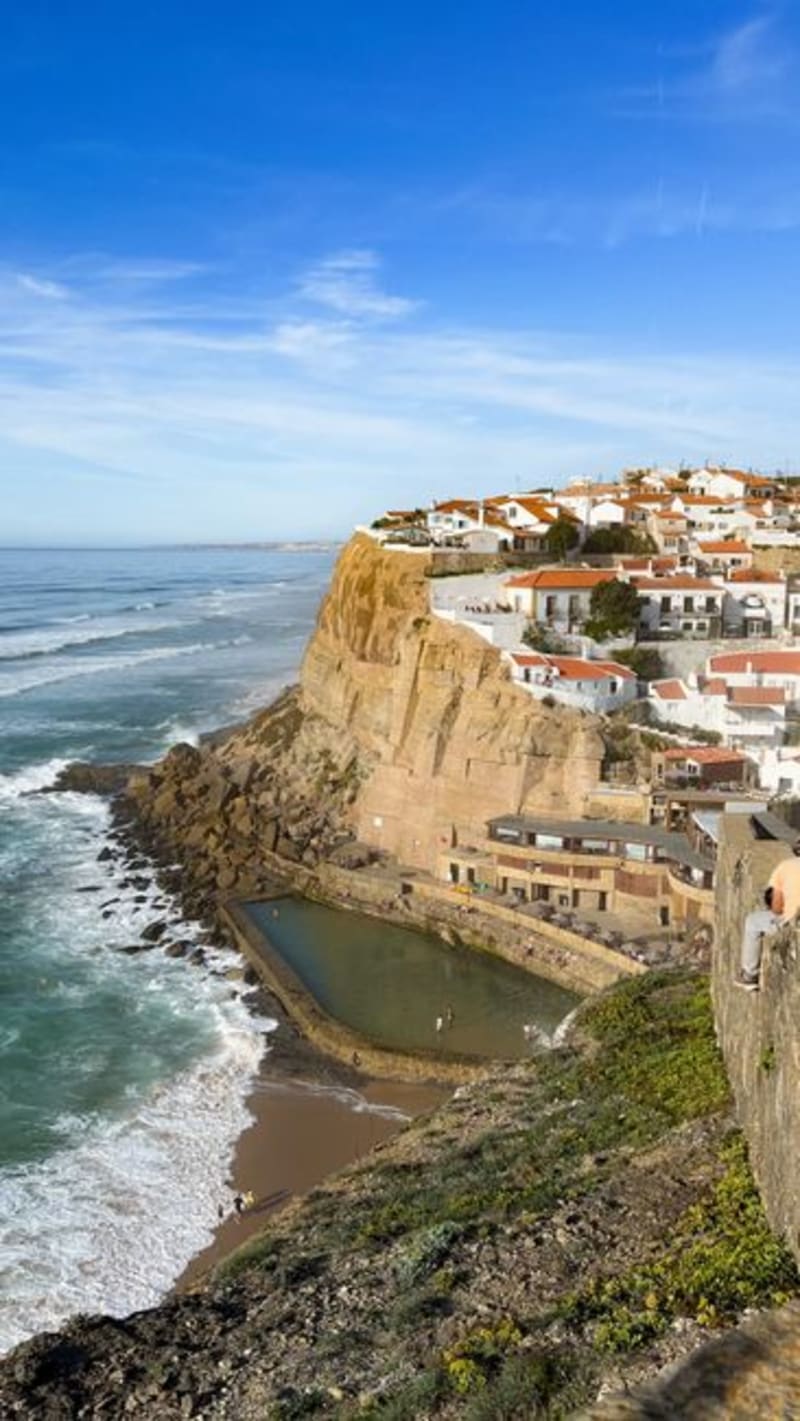 portugal
 Zambujeira do Mar
A clifftop fishing village on the wildest stretch of the Costa Vicentina, where the sunsets are dramatic enough that an entire town pauses to watch them without irony.
Explore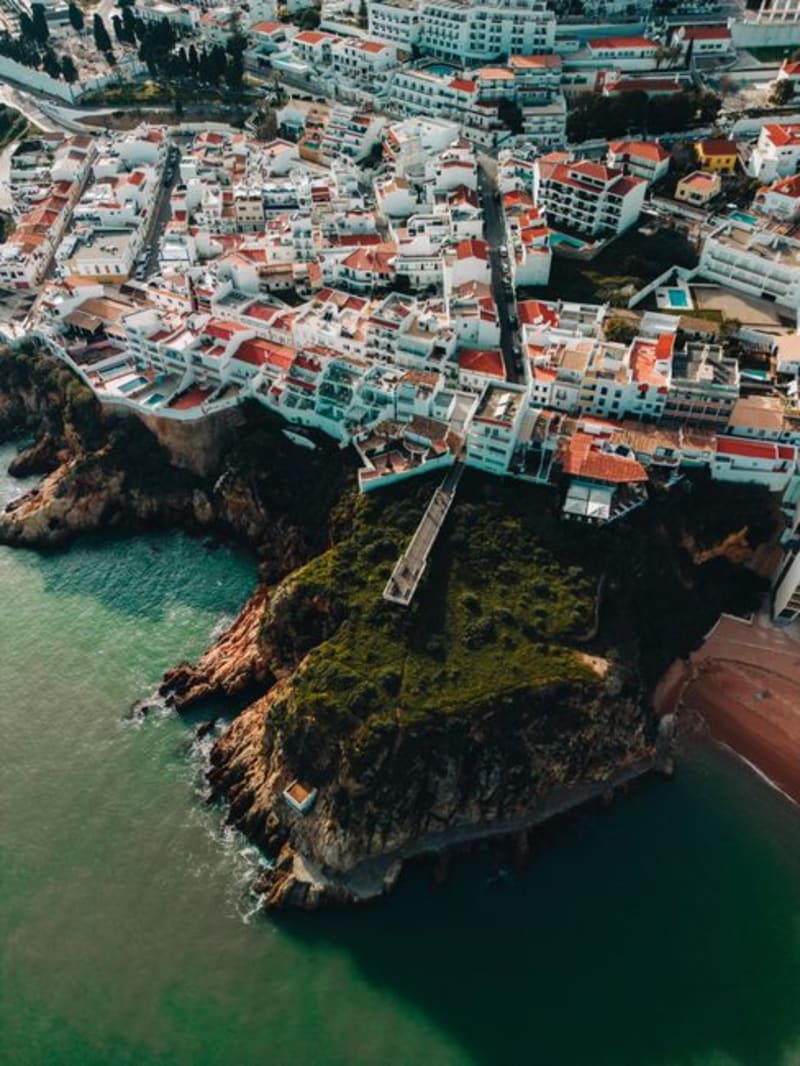 portugal
 Albufeira
A whitewashed fishing town swallowed whole by mass tourism, where the old quarter still survives in fragments if you know to look past the strip.
Explore portugal
 Alcobaça
A colossal Cistercian abbey holding one of Europe's greatest doomed love stories in stone, in a small town that otherwise smells overwhelmingly, wonderfully, of egg-yolk pastry.
Explore portugal
 Vizinha Aldeia do Xisto
A network of restored schist villages in the Serra da Lousã, their stone houses blending into the mountain like natural formations.
Explore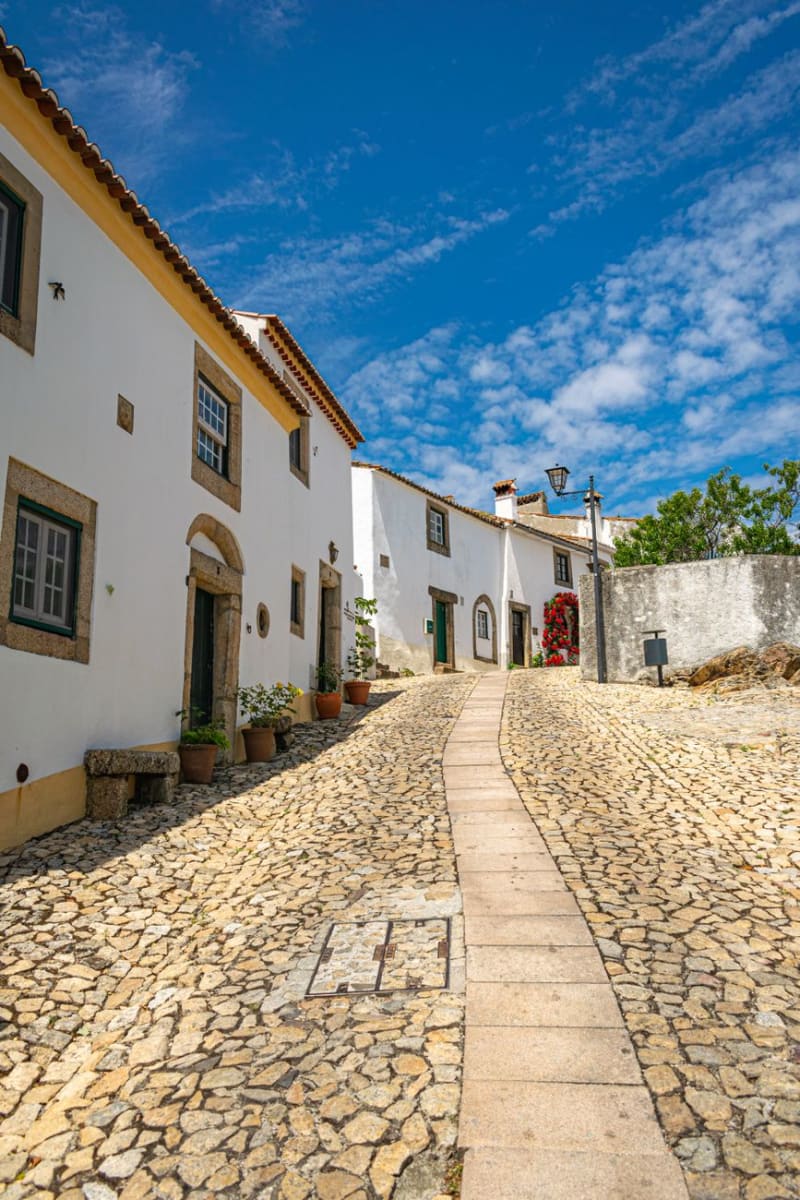 portugal
 Alentejo
Cork oaks, white villages, wild Atlantic coastline, and the most underrated wine region in Europe.
Explore