
Ponta Delgada
"Ponta Delgada looks like Lisbon's quieter, saltier cousin who moved to the middle of the ocean and never looked back."
São Miguel's black-and-white port capital, where calçada cobblestones ripple underfoot and azulejo-covered churches face out toward an Atlantic that built this city on whaling and oranges.

I landed in Ponta Delgada expecting a stopover before heading to the volcanoes and lakes everyone talks about, and ended up staying an extra two days just walking the old town. The first thing you notice is the ground itself — that famous Portuguese calçada, black basalt and white limestone laid in swirling wave patterns underfoot, which here takes on an almost hypnotic quality because the whole historic center is paved in it, plaza after plaza rippling like the sea it faces. I arrived at dusk and walked straight into the Portas da Cidade, the eighteenth-century triple archway that used to mark the entrance from the harbor before land reclamation pushed the waterfront further out, and stood there for a while just watching locals cut through it on their way home from work, completely unimpressed by a monument I couldn’t stop photographing.
A Port Built on Whales and Oranges
Ponta Delgada’s wealth was built twice, on two very different economies. In the nineteenth century it was oranges — São Miguel exported so much citrus to Britain that local merchants built themselves elaborate townhouses and walled orange groves you can still find tucked behind the city’s convents. Then a blight wiped the industry out almost overnight, and the port turned to whaling, sending men out after sperm whales in open boats launched straight from the coast, a brutal trade that only ended in the 1980s and that the old whale-watching lookout towers along the coast were originally built to serve, spotting for harpoon boats instead of tourists.
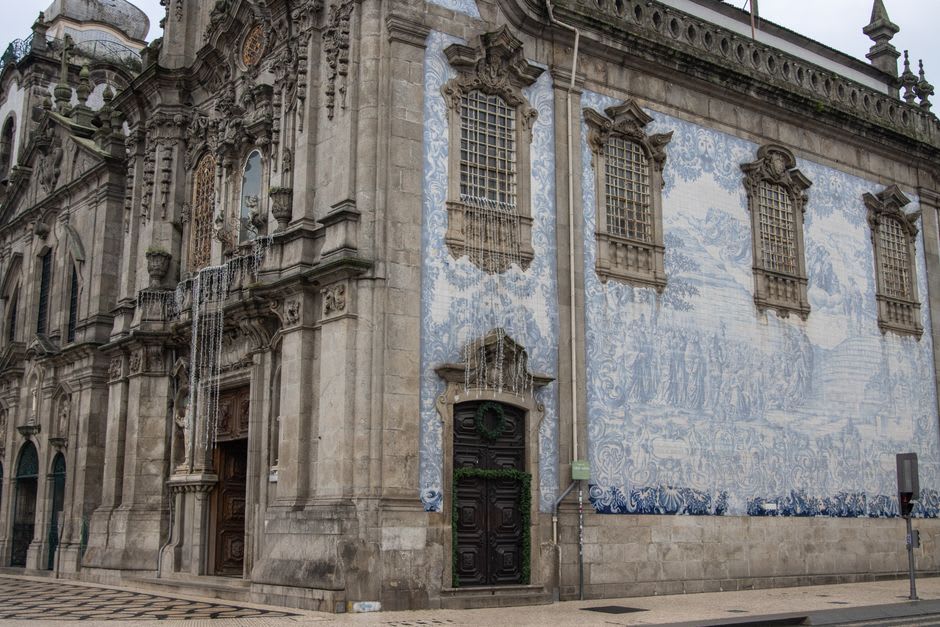
I found the São Sebastião church almost by accident, its interior gilded and heavy with dark wood, and stepped into the smaller Igreja de São José next door where a side chapel was covered floor to ceiling in blue-and-white azulejos telling some biblical scene I couldn’t fully follow but didn’t need to — the tiles alone were worth the detour. Later, at the covered Mercado da Graça, I bought a bag of São Miguel pineapple, grown in greenhouses on the island using a slow, century-old method that keeps it sweeter and less acidic than the tropical kind, and ate it sitting on the harbor wall while ferries came and went to the outer islands.
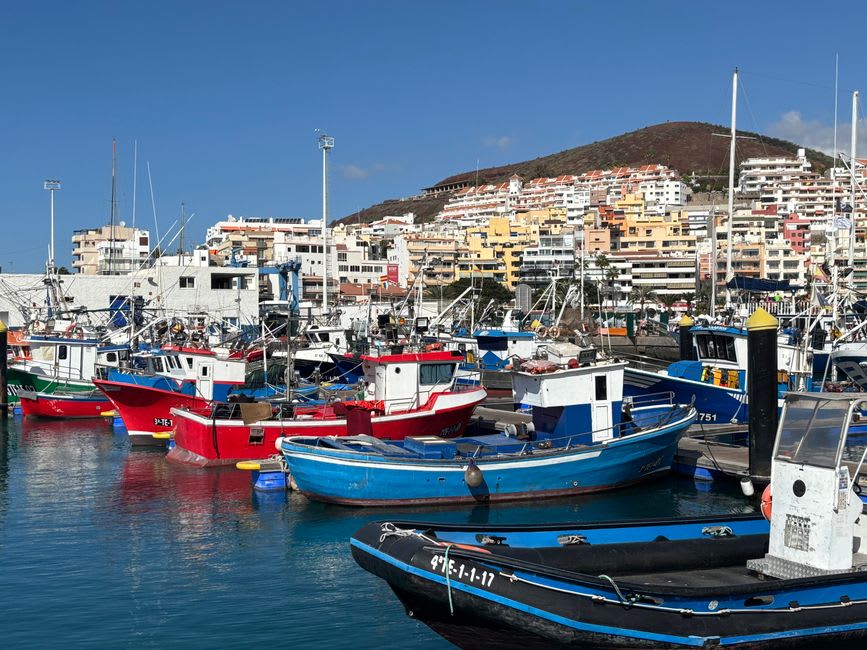
By the time I left, I understood why Azoreans I’d met on the mainland always talked about Ponta Delgada with a specific kind of pride — not as a tourist attraction, but as a proper city, self-sufficient and slightly stubborn, that happens to sit in the middle of nowhere and doesn’t need anyone’s permission to feel important.
When to go: Late spring, when the jacaranda trees along Avenida Infante Dom Henrique are in bloom and the weather is stable enough to actually enjoy the waterfront before island-hopping onward.
Keep exploring
More from Portugal
 portugal
 Ponte de Lima
Portugal's oldest chartered town drapes itself along a slow green river, its Roman-medieval bridge and biweekly market feeling less like a tourist stop than a place time simply forgot to hurry.
Explore portugal
 Portalegre
A hillside town backed by the wild Serra de São Mamede, where women once wove tapestries so fine that Picasso and Le Corbusier asked to have their work rendered in wool.
Explore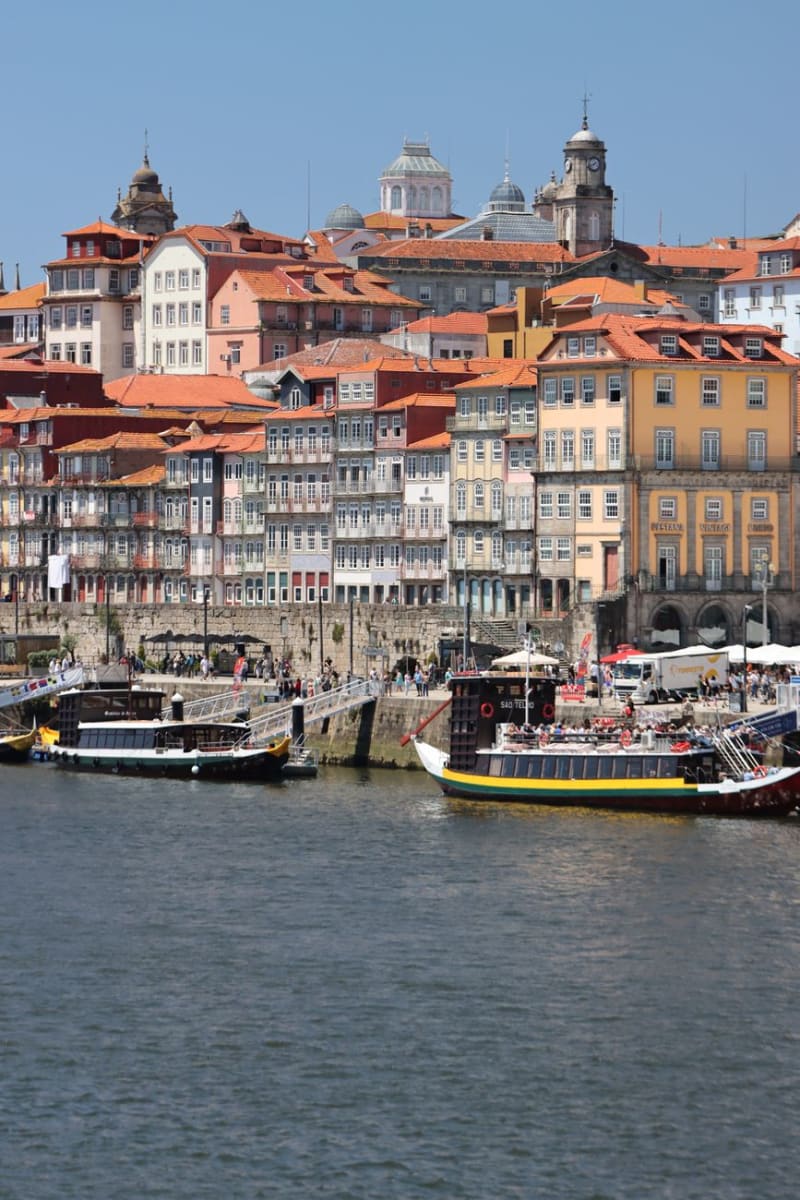 portugal
 Porto
Azulejo-tiled churches, port wine cellars, and a riverside city with all of Lisbon's charm and half its tourists.
Explore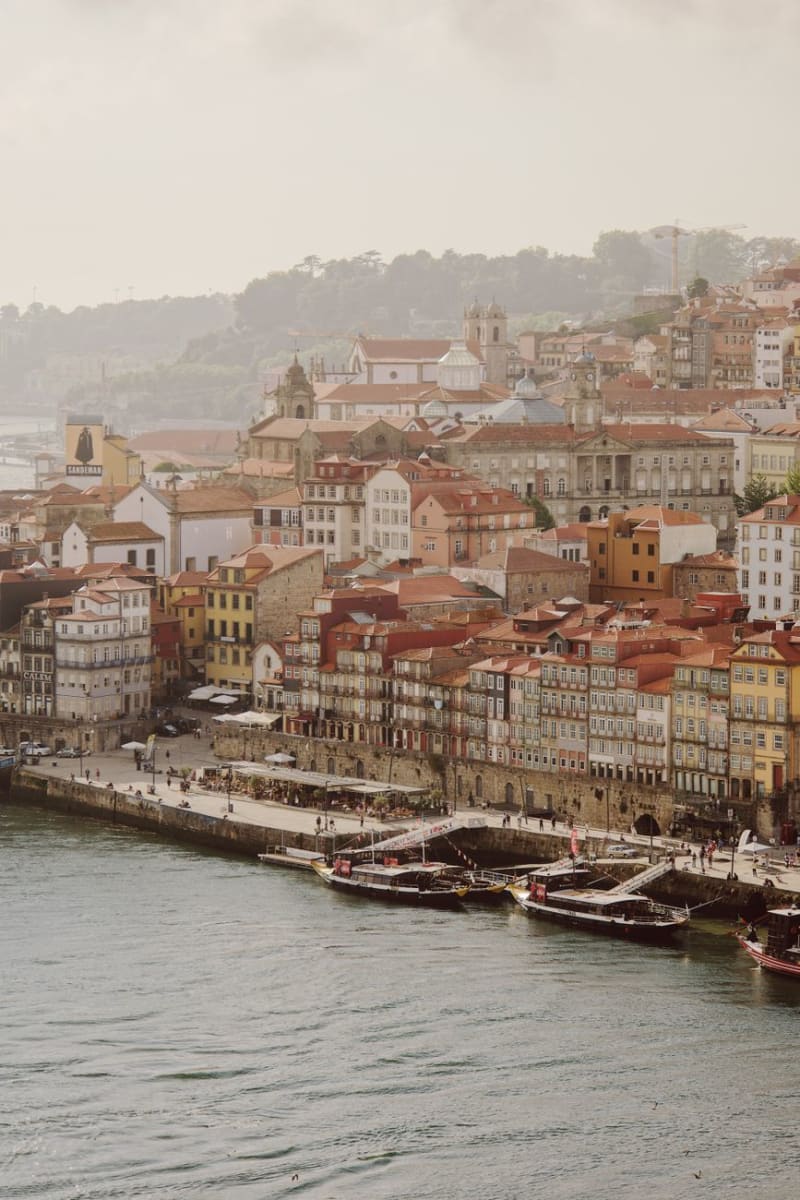 portugal
 Oporto's Douro Riverside
The Ribeira waterfront of Porto is a UNESCO stage where azulejo-tiled wine lodges watch over the Douro's golden afternoon light.
Explore portugal
 Porto Moniz
At Madeira's northwestern tip, volcanic rock pools fill and empty with each Atlantic wave, turning the coastline itself into a natural swimming pool.
Explore portugal
 Porto Santo
Madeira's sister island trades volcanic drama for nine kilometers of unbroken golden sand, plus the house where Columbus lived before any of this had a name on a map.
Explore