
Berlenga Islands
"Forty minutes of open Atlantic swell to reach a fort on a rock — and every one of those minutes was worth it."
A jagged nature reserve archipelago adrift off the Peniche coast, ruled by seabirds and a lone fort perched on a rock, reached by a boat crossing rough enough to earn the view.

The crossing from Peniche took about forty-five minutes, and for at least half of them I was gripping the rail of a small boat that pitched hard enough over the open swell that a French family behind me stopped talking entirely. Then the island appeared — Berlenga Grande, the only inhabited islet of the archipelago, a slab of pink granite carved by the Atlantic into coves, arches, and needle-like stacks, with absolutely nothing on the horizon behind it but water all the way to who knows where. I understood immediately why this place was named a UNESCO Biosphere Reserve; it looks less like a beach destination and more like a fragment of coastline that got up and walked out to sea.
A Fort Nobody Wanted to Build Twice
The Fort of São João Baptista sits on its own small rock just off Berlenga Grande, connected to the main island by a narrow stone causeway that floods at high tide, and I timed my walk out to it badly enough that I got my shoes wet on the way back. Built in the seventeenth century to guard against pirate raids and later used as a lighthouse keeper’s post and even briefly a prison, it’s a squat, practical fortress with none of the grandeur of Portugal’s mainland castles — just thick walls, a chapel, and a handful of simple rooms that now serve, remarkably, as one of the country’s most unusual guesthouses, though beds there are famously hard to book more than a season in advance.

What struck me most, though, wasn’t the fort — it was the birds. Berlenga is one of the most important seabird nesting sites on the Portuguese coast, and in early summer the cliffs were genuinely loud with yellow-legged gulls and, more excitingly, colonies of guillemots and shags wedged into every ledge of rock along the trails. A marine biology student doing fieldwork there for the season told me the reserve status has let bird numbers recover significantly since fishing and tourism pressure got regulated in the 1980s, which she clearly took a personal pride in.
Grottoes and a Very Cold Swim
I hiked the short loop trail around the island’s edge to the Furado Grande, a sea cave you can enter either by kayak or on foot through a narrow tunnel, emerging into a hidden cove called the Cova do Sonho — the “cave of dreams” — where the water sits an almost unnatural turquoise against black rock. I swam there anyway, despite the cold, because it felt like the kind of thing you’d regret skipping.

When to go: June to September, when the ferry from Peniche actually runs reliably and the seabird colonies are at their most active — book the crossing well ahead, since daily visitor numbers are capped to protect the reserve.
Keep exploring
More from Portugal
 portugal
 Braga
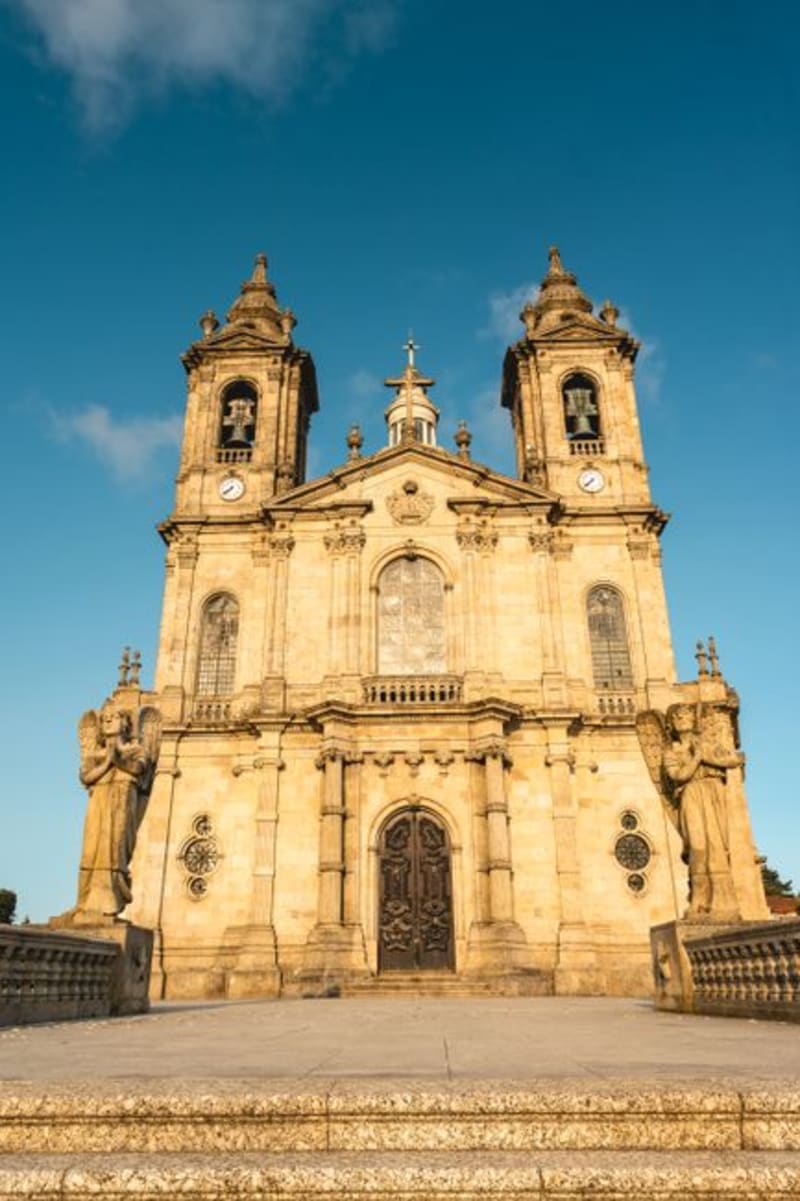
Portugal's oldest city hides its age behind baroque exuberance, granite cathedrals, and a zigzag staircase up a forested hill that pilgrims have climbed on their knees for three centuries.
Explore portugal
 Bragança
Tucked into Portugal's remote northeastern corner, a walled medieval citadel guards a keep, a strange pillory speared through a granite pig, and some of the country's last untouched rural traditions.
Explore portugal
 Buçaco
A walled monastic forest of ancient trees planted by monks under threat of excommunication, hiding a neo-Manueline palace-hotel that feels like a fever dream in the best way.
Explore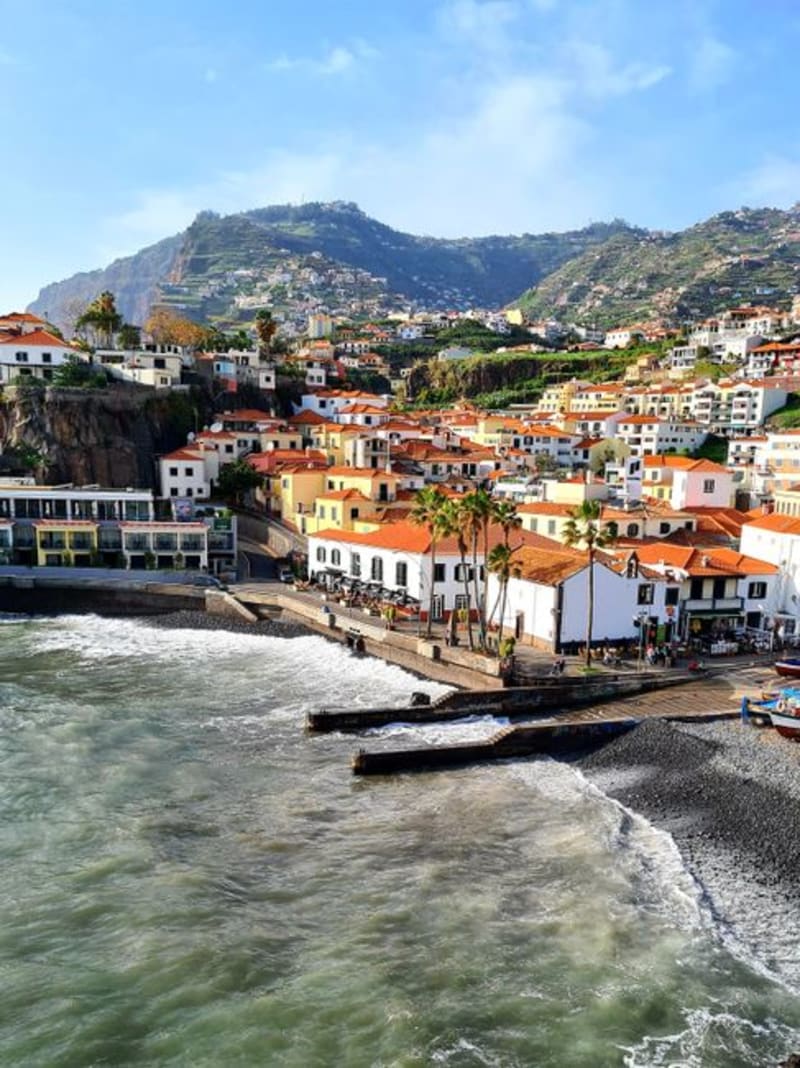 portugal
 Câmara de Lobos
A working fishing village below Madeira's cliffs, painted by Churchill and fueled by poncha, where black scabbardfish still comes straight off the boats.
Explore portugal
 Caminha
The fishing town where the Minho river finally surrenders to the Atlantic, its medieval square and pine-backed beach making it feel like Portugal's quiet last word before Spain begins.
Explore portugal
 Carvoeiro
A cliffside cove town where honeycombed sandstone formations and hidden sea caves rival its more famous neighbor Benagil, without quite the same crowds.
Explore