Almada
"Everyone photographs Lisbon from the water — almost nobody bothers to cross it and look back, which is exactly why you should."
The unglamorous side of the Tejo, where a giant Christ statue watches over Lisbon and a rickety panoramic lift drops you straight onto a working riverfront.

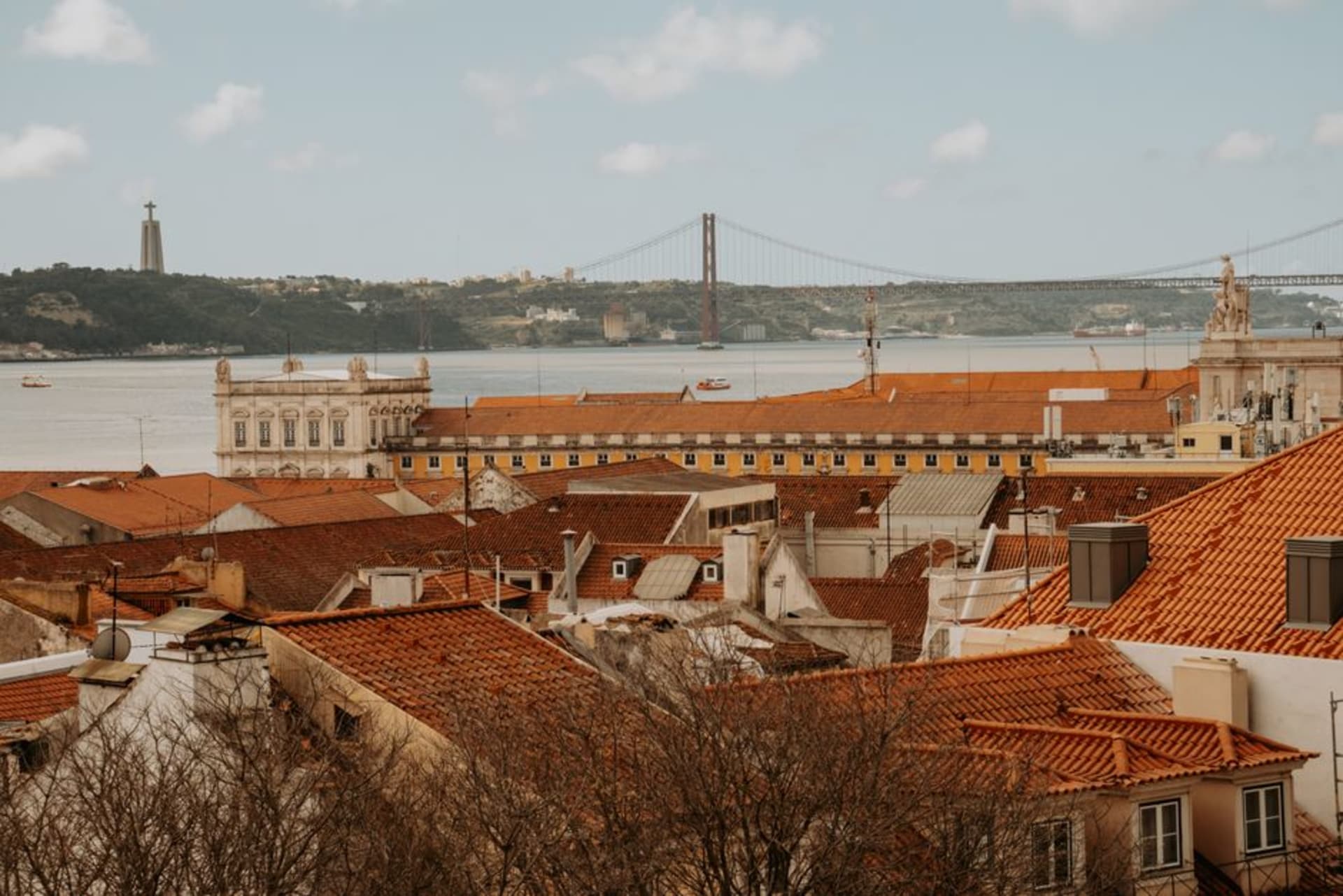
I took the ferry from Cais do Sodré, ten minutes across brown-green water that smelled faintly of diesel and salt, and watched Lisbon’s hills recede into that postcard skyline everyone photographs from exactly the spot I was leaving. Almada sits directly across the Tejo from the capital, close enough that most visitors never bother crossing, which is a shame, because the view back toward Lisbon from this side — the castle, the pastel buildings climbing the hills, the 25 de Abril bridge slung red-orange overhead — is better than any angle you get from the Lisbon side itself. I came up out of the ferry terminal at Cacilhas into a neighborhood of shipyards and dockworker bars, nothing dressed up for tourists, men drinking small glasses of wine at ten in the morning without a hint of self-consciousness.
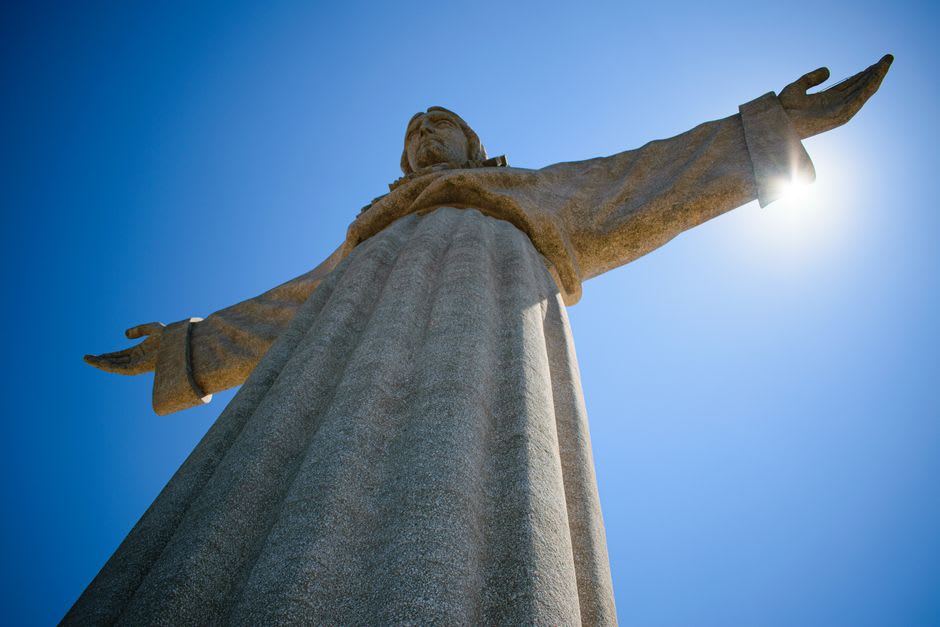
Christ the King, Watching Over the River
The Cristo Rei statue stands on a bluff above Almada, arms outstretched over the Tejo in direct visual conversation with Rio’s Christ the Redeemer, which isn’t a coincidence — it was built in 1959 after Portuguese bishops promised the monument if the country was spared the destruction of the Second World War. I rode the elevator up inside its pedestal and stepped out onto a viewing platform a hundred meters above the river, wind strong enough to make me grip the railing, the whole of Lisbon laid out across the water like a scale model — the bridge below looking almost delicate from that height, ferries crossing back and forth as small white smudges.
The Elevator That Time Forgot
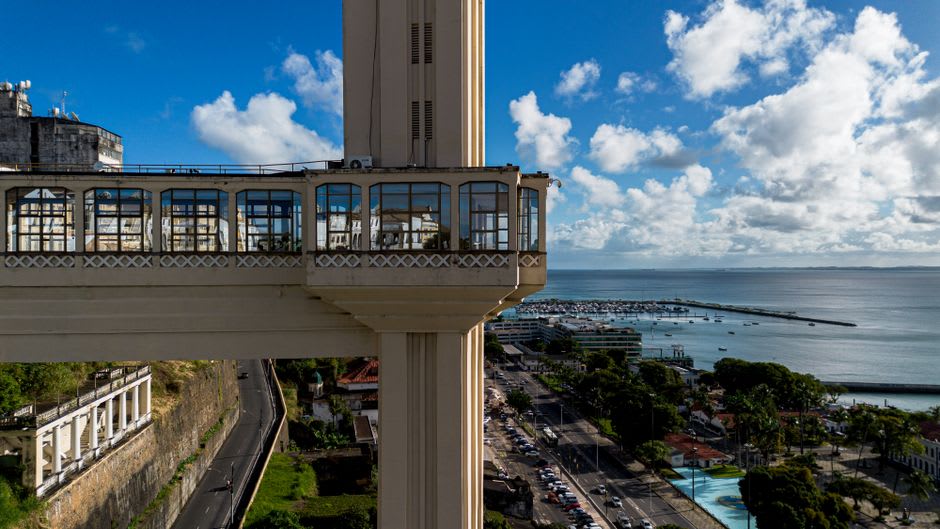
Back down at river level, I found the Elevador Panorâmico da Boca do Vento, a public lift built into the cliff face in the 1990s that carries you down from the old town to the riverfront promenade for the price of a coin, its glass shaft giving a slow, unhurried view over the docks and the water the whole way down. It’s a strange, slightly rickety little piece of infrastructure that most Lisbon-focused guidebooks skip entirely, but locals use it constantly, and riding it down alongside a woman carrying groceries home felt more like real Almada than anything I’d have found staying only across the river.
When to go: Any clear afternoon works, but go right before sunset — the light hits Lisbon’s hills from Almada’s side of the river in a way that makes the ferry ride back feel like the best part of the day.
Keep exploring
More from Portugal
 portugal
 Almeida
A twelve-pointed star fortress on the Spanish border, its bastions cut so precisely into the earth that from above the whole town looks like a piece of military origami.
Explore portugal
 Alvor
A quiet fishing village on a tidal estuary, where wooden boardwalks thread through salt marsh and the loudest sound is still boat rigging clinking in the wind.
Explore portugal
 Amarante
A riverside town built around a saint famous for matchmaking, where a graceful stone bridge and a monastery of carved granite saints preside over pastries shaped, unmistakably, like something else entirely.
Explore portugal
 Angra do Heroísmo
Terceira's UNESCO-listed colonial capital, once the Atlantic's most important port between Europe and the Americas, where the streets fill each summer with garlanded arches for the Holy Spirit festivals.
Explore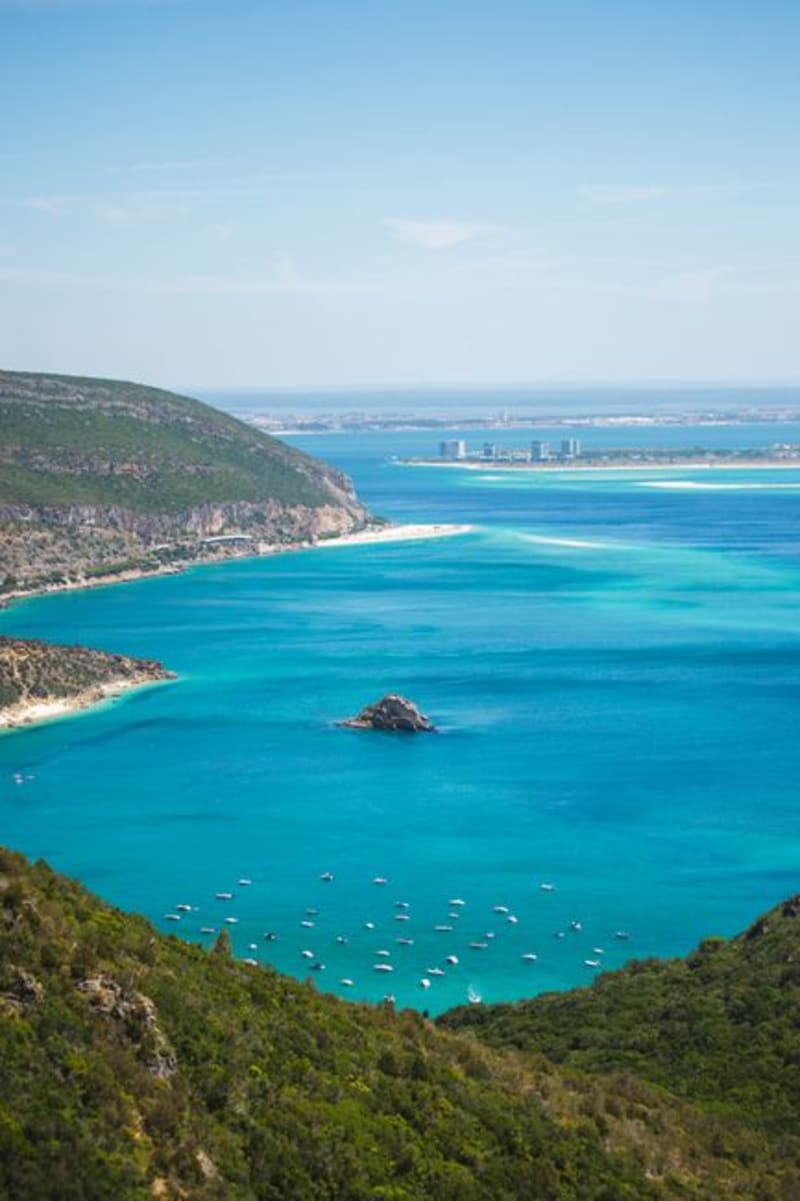 portugal
 Arrábida
A limestone mountain range that drops straight into Caribbean-turquoise water, hiding a whitewashed convent, wild goats, and some of the clearest sea in mainland Portugal.
Explore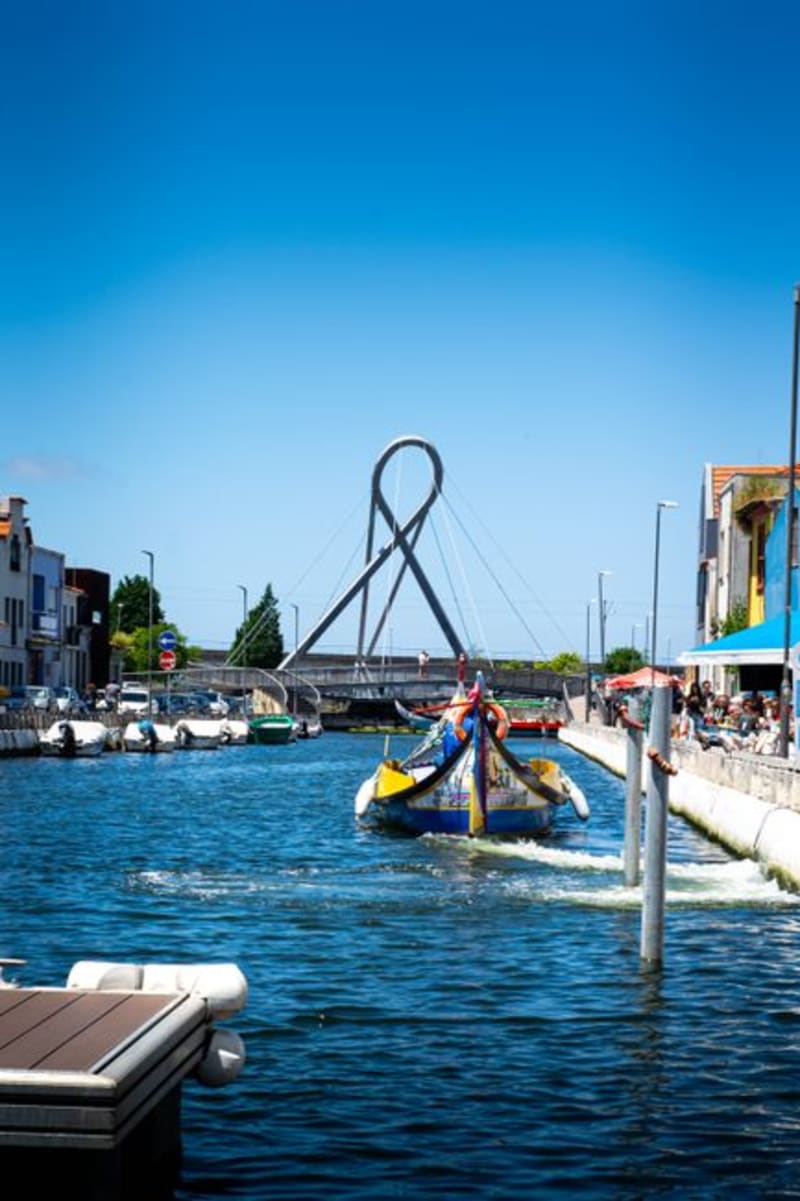 portugal
 Aveiro
Canals, striped fishing boats, and a sugary local pastry conspire to make this lagoon city feel like Venice's more relaxed, saltier cousin.
Explore