
Arrábida
"Arrábida is the one place in Portugal where I stopped believing the water in front of me was actually the Atlantic."
A limestone mountain range that drops straight into Caribbean-turquoise water, hiding a whitewashed convent, wild goats, and some of the clearest sea in mainland Portugal.

The road into the Arrábida natural park twists along a ridge above the sea, and somewhere past the first viewpoint I actually pulled over, because I didn’t trust what I was seeing — water so clear and so improbably turquoise below limestone cliffs that it looked lifted from a Greek island, not forty minutes from Lisbon. The Serra da Arrábida is a compact range, barely five hundred meters at its highest, but it drops almost straight into the sea in places, covered in Mediterranean scrub that smells of rosemary and thyme baking in the sun, and I spent a long time just standing at the Portinho da Arrábida viewpoint trying to reconcile the color of that water with everything else I knew about the Portuguese coast.
A Convent Above the Waves
Halfway up the range sits the Convento da Arrábida, a whitewashed Franciscan monastery built into the hillside in the sixteenth century by monks who apparently wanted solitude badly enough to build individual hermit cells scattered through the woods, each one just large enough for a single monk to live and pray in view of the sea. I hiked up an old trail to reach it, the path barely wide enough for one person, wild goats watching from the rocks above with the bored expression of animals who see this every day. The convent itself is only open on rare guided visits, but even from outside its walls, gone the color of the limestone around it, the setting explains why anyone would choose to disappear here.

Swimming Where the Mountain Meets the Sea
I came back down to Praia dos Coelhos, a small pebble beach reachable only on foot, and swam in water so clear I could count the pebbles three meters below me, cold enough from the Atlantic currents to make me gasp but nothing like the murky green of beaches further north. A local diver I got talking to afterward told me this stretch of coast holds a marine reserve, one of Portugal’s few, and that the visibility here regularly beats anything in the Algarve — which explained the wetsuits and dive flags bobbing offshore. I dried off on a warm rock, ate an orange I’d brought from Setúbal, and watched a sailboat thread between the cliffs like it had nowhere else to be.

When to go: May, June, or September — the water is at its clearest and the park’s narrow coastal road, which becomes a summer bottleneck, is still manageable by car.
Keep exploring
More from Portugal
 portugal
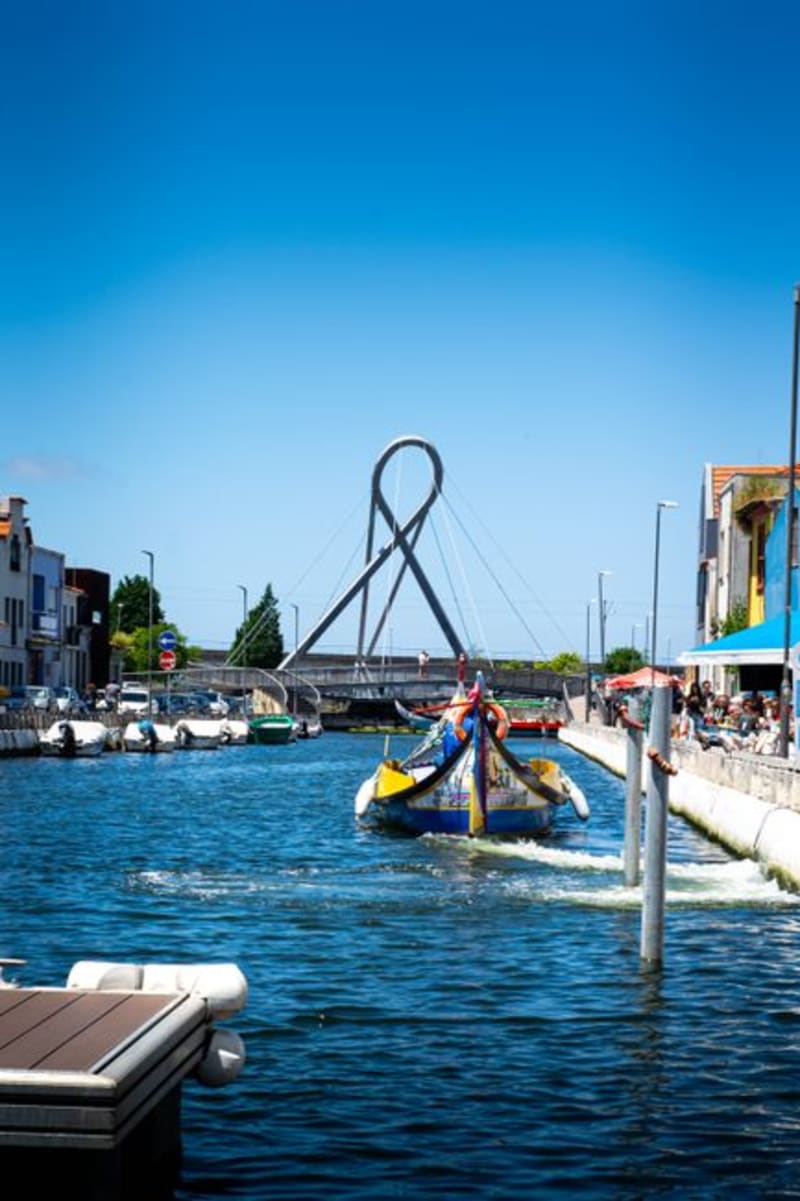
 Aveiro
Canals, striped fishing boats, and a sugary local pastry conspire to make this lagoon city feel like Venice's more relaxed, saltier cousin.
Explore portugal
 Azeitão
A quiet Setúbal Peninsula village where sheep's cheese is still shaped by hand and the cellars of José Maria da Fonseca have been fortifying Moscatel wine since 1834.
Explore portugal
 Azores
Volcanic lakes, hot springs, and mid-Atlantic isolation — Europe's most unexpected archipelago, where the weather changes four times before lunch.
Explore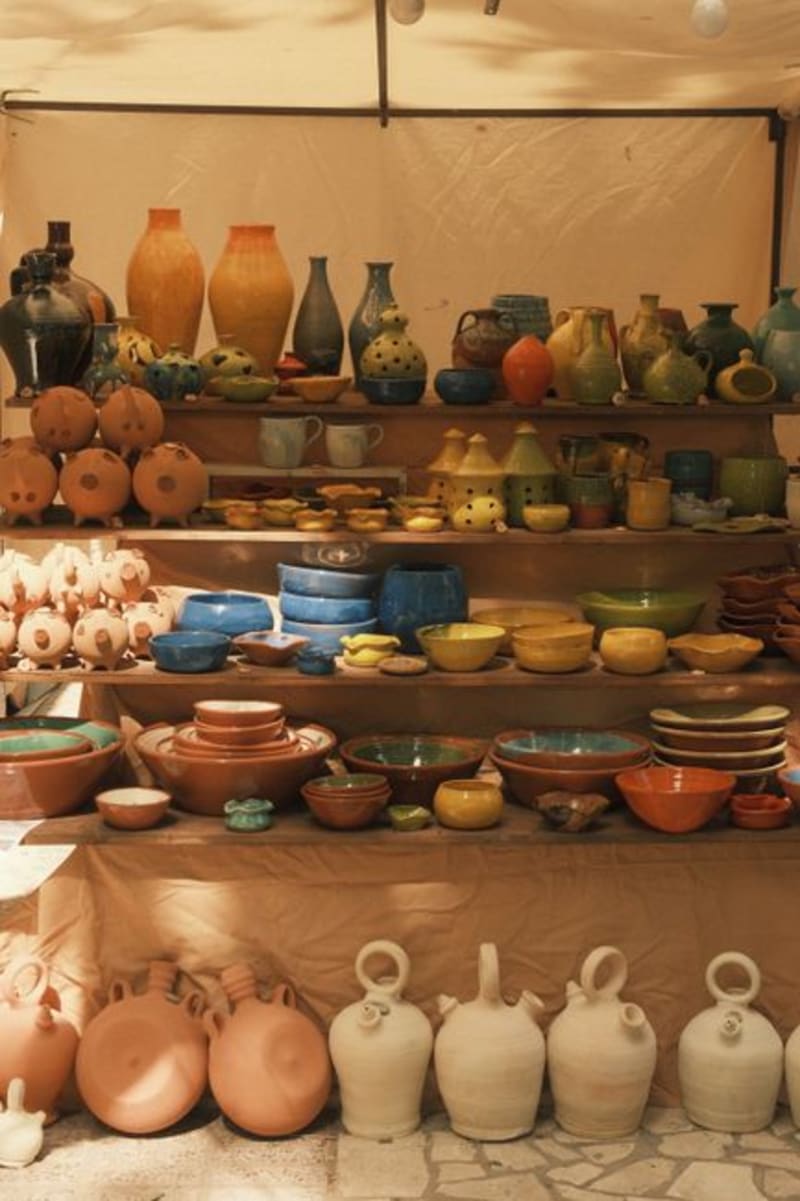 portugal
 Barcelos
The town that gave Portugal its most iconic symbol — a crowing rooster born from a medieval legend of wrongful accusation — still throws the country's biggest weekly market and paints its story onto pottery by hand.
Explore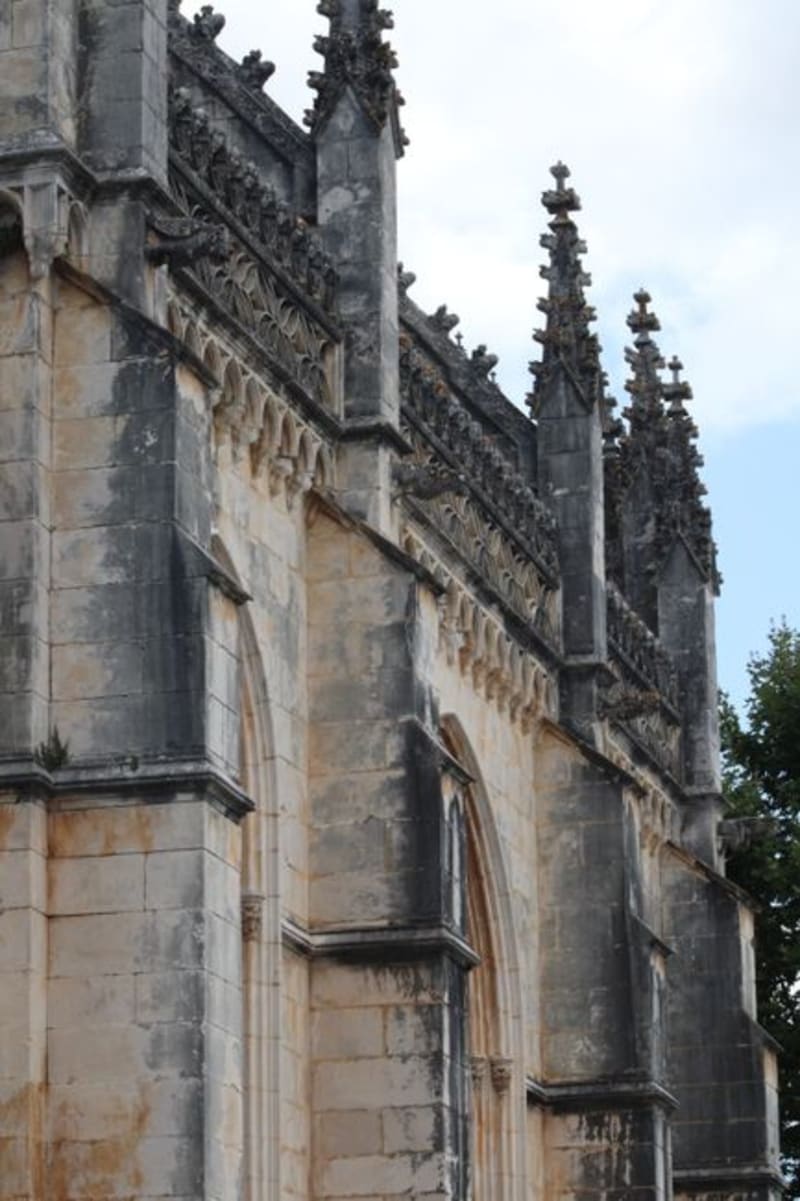 portugal
 Batalha
A limestone monastery built as a thank-you note to God for winning a battle that saved Portuguese independence, its unfinished chapels open to the sky as if the masons simply walked off one day.
Explore portugal
 Beja
The quiet capital of the Alentejo plains, where a medieval keep watches over wheat fields to the horizon and a convent guards one of literature's great, disputed love stories.
Explore