
Foz Côa
"Foz Côa is where I stood in front of a 20,000-year-old horse and had absolutely nothing clever to say."
A dusty Douro Superior town that turned out to be sitting on top of the largest collection of open-air Paleolithic art on Earth, carved into riverside rock 20,000 years before anyone thought to write it down.

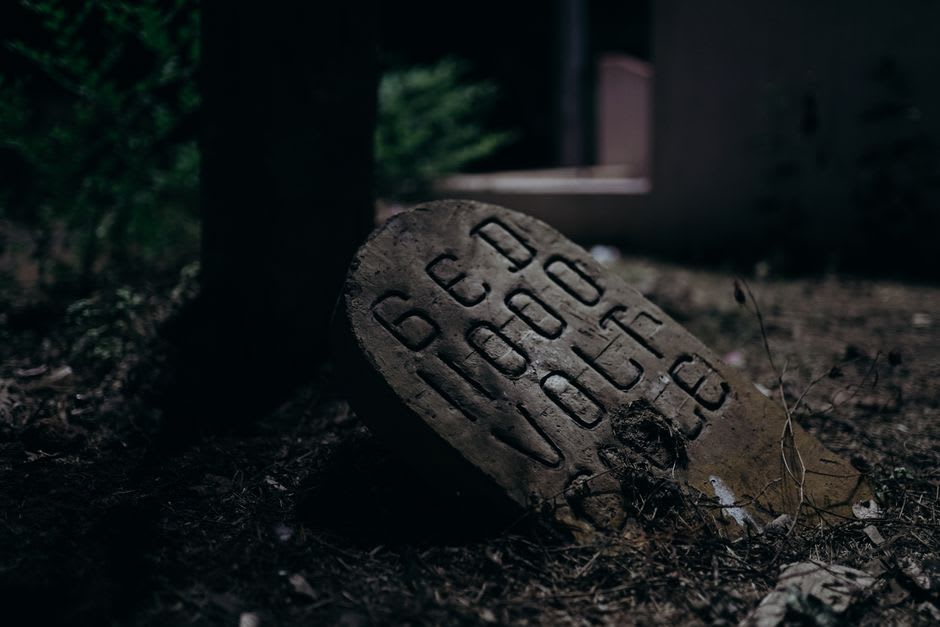
I went to Foz Côa for the wine and left thinking mostly about the horses — not live ones, but the ones scratched into schist riverbanks some twenty thousand years ago by people who left almost nothing else behind. The Côa Valley engravings were only discovered by archaeologists in the early 1990s, during construction of a planned dam that would have submerged the whole site, and the fact that a public campaign actually stopped a major dam project to save prehistoric rock art still strikes me as one of the more improbable wins in Portuguese conservation history. I booked a guided jeep tour out to one of the accessible panels at Canada do Inferno, and our guide, a young archaeologist, pointed a raking flashlight sideways across the rock at dusk until the faint engraved lines of horses, aurochs, and ibex suddenly popped into visibility, invisible in flat daylight but unmistakable once you knew the trick.
Wine Where the Art Is
Above ground, the Douro Superior around Foz Côa produces some of the boldest reds in the whole Douro region, the climate here more extreme than downstream near Pinhão — brutal summer heat, cold winters — which locals credit for wines with real structure and concentration. I stopped at a small family-run quinta on the way back from the engravings and the winemaker, only half joking, told me his grapes and the prehistoric artists shared the same hillsides and probably the same opinion about how good the light was here at sunset. He poured me a Touriga Nacional that had none of the softness I’d found further down the valley, all dark fruit and grip, and told me most of what’s grown out here still goes into blends for port rather than being bottled on its own, a fact he found mildly unjust.
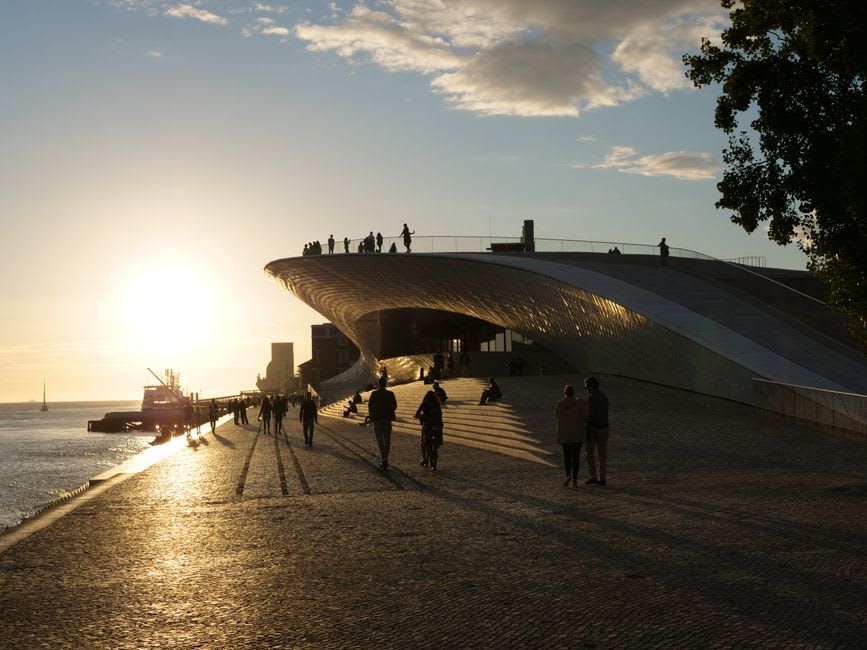
The Côa Museum itself, a striking concrete building set into the hillside above the river confluence, does a better job than I expected of explaining what these people’s lives might have looked like, and I left it more moved than I’ve been in most conventional art museums.
When to go: Spring or autumn, when the heat is manageable for the jeep tours out to the engravings, and dusk light-raking tours are easiest to book without summer crowds.
Keep exploring
More from Portugal
 portugal
 Freixo de Espada à Cinta
A remote almond-blossom town above a wild stretch of the Douro canyon, its odd name and its pink February orchards both hinting at a history most of Portugal has forgotten.
Explore portugal
 Funchal
Madeira's capital tumbles down a volcanic amphitheater to the harbor, a city of wicker toboggans, fortified wine, and a market loud enough to hear from the street.
Explore portugal
 Fundão
The unofficial capital of Portugal's cherry country, where entire hillsides below the Serra da Estrela turn white with blossom each spring and red with fruit by early summer.
Explore portugal
 Furnas
A volcanic valley on São Miguel where the earth hisses and steams in public gardens, and lunch is a stew buried in the ground at dawn and dug up, still smoking, seven hours later.
Explore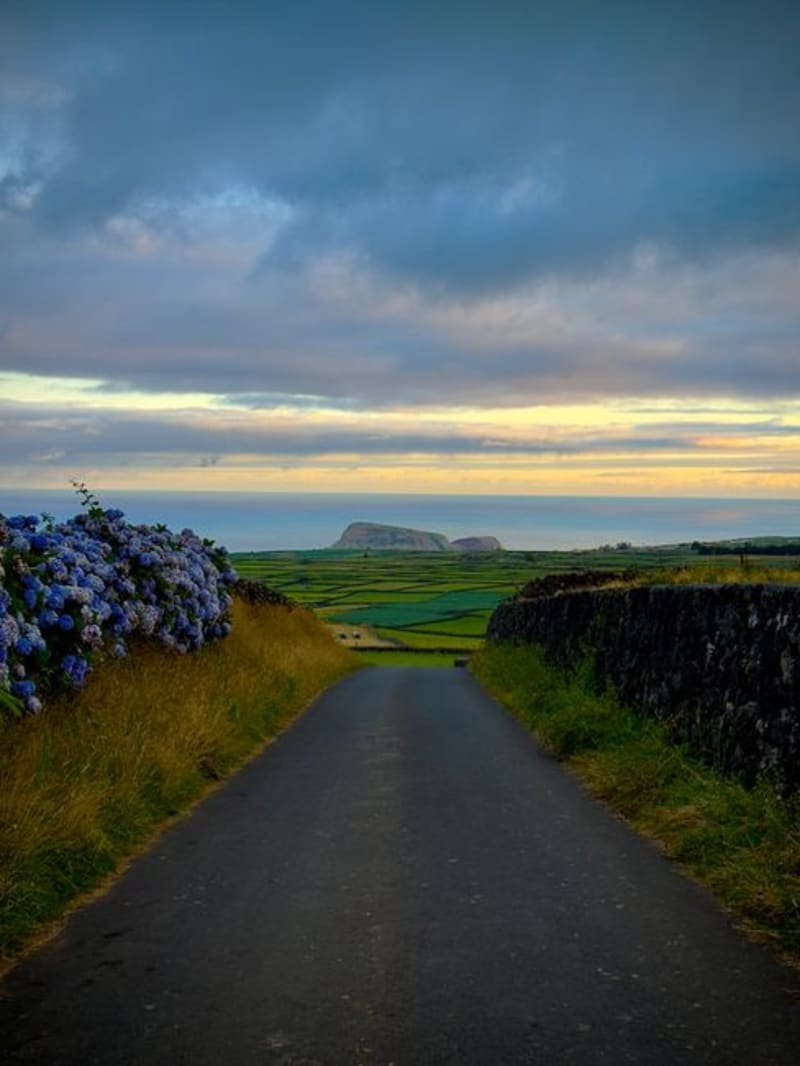 portugal
 Graciosa Island
A whitewashed, windmill-dotted island with a volcanic cave hiding an underground lake, so quiet it earned UNESCO biosphere status almost by default.
Explore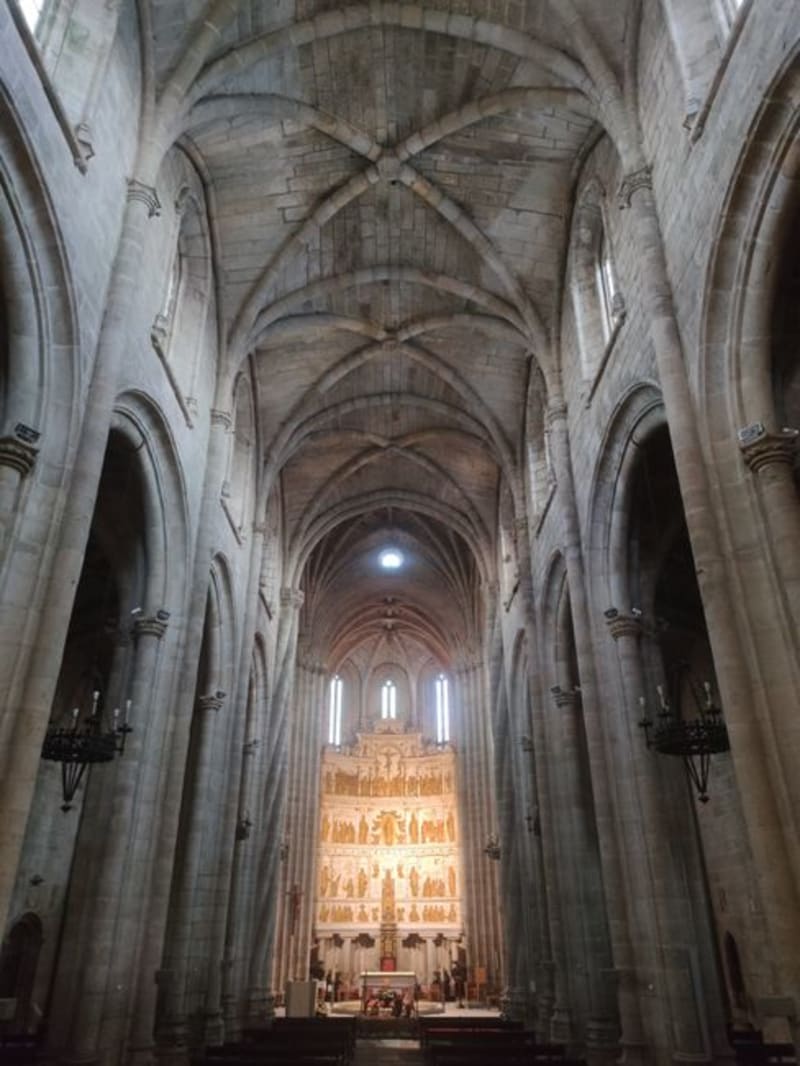 portugal
 Guarda
Mainland Portugal's highest city, a granite fortress-cathedral town built cold and defensive on purpose, where the wind never really stops blowing through the old streets.
Explore