
Vila Nova de Cacela
"Cacela Velha is what the Algarve looked like before someone invented the word 'Algarve' for a brochure."
A whitewashed hilltop hamlet above the Ria Formosa where the Algarve forgets to be the Algarve — no strip, no crowds, just fig trees, a ruined castle, and the tide going out for miles.

I nearly drove past the turnoff. There’s no sign shouting for attention, just a narrow road peeling off the N125 into fig orchards, and then suddenly you’re parked at the edge of a dozen houses clustered around a church and a crumbling castle wall, looking down at a lagoon that stretches to the horizon. This is Cacela Velha, the old heart of the parish of Vila Nova de Cacela, and it took me a full minute of standing at that viewpoint to understand why everyone who’s ever been here goes quiet about it — not because there’s nothing to say, but because talking about it feels like giving away a secret you were lucky to keep.
The Algarve That Got Left Alone
The whole hamlet is maybe two streets wide. There’s a whitewashed eighteenth-century church, the remains of a small fort that the Moors and later the Portuguese fought over for centuries, and a scattering of houses so tidy they look freshly painted every morning — which, this being the Algarve, they probably are. What there isn’t is a single hotel, a single souvenir shop, or a single tour bus, because the road doesn’t really lead anywhere else and the parking lot fits about fifteen cars. I sat on the low wall by the fort ruins with a coffee from the one café in town and watched the tide slide out of the Ria Formosa channel below, exposing sandbanks that fishermen were already walking out onto with buckets, bent double, digging for clams the way their families have for generations.
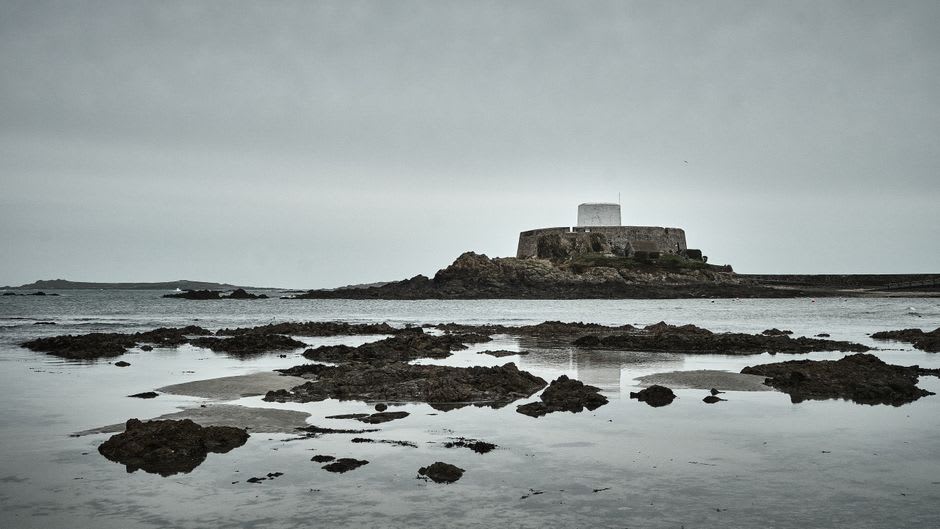
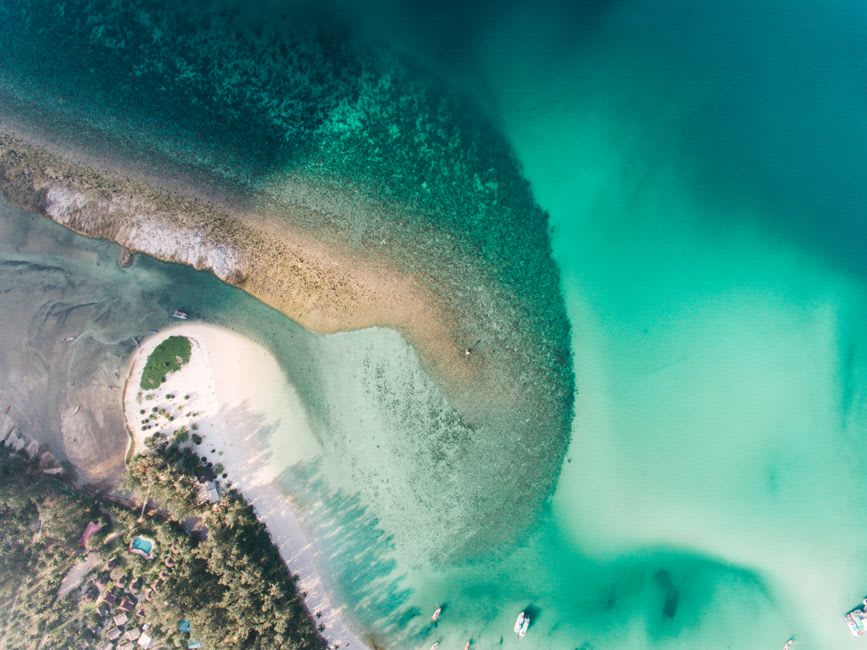
An old man sitting near me — retired, he said, from fishing these same waters — told me that Cacela Velha used to be a real port town, back when the channel ran deeper and closer to the village, before centuries of silt pushed the water away and left the hamlet stranded on its bluff like a lighthouse with nothing left to warn. He said it without any bitterness, more like he was pleased the sea had let them keep the view without keeping the traffic. Down at the beach — a proper sandbar island reachable by a short boat hop or, at low tide, on foot across the flats — the water was warm and startlingly clear, nothing like the packed beaches an hour west.
I ended up staying until the light went orange, eating grilled sardines at a tiny place in the modern part of Vila Nova de Cacela down the hill, the kind of meal that costs twelve euros and makes you angry at every fifty-euro tourist-menu dinner you’ve ever paid for elsewhere. Nobody there was in a hurry, least of all me.
When to go: Time your visit around low tide if you want to walk out toward the sandbanks, and come in the shoulder months — April or October — when the fig trees are either blossoming or dropping fruit into the lanes and the whole hamlet smells faintly, improbably, sweet.
Keep exploring
More from Portugal
 portugal
 Vila Nova de Milfontes
A whitewashed town where the calm Mira river meets the wild Atlantic head-on, and the Rota Vicentina trail begins its long walk south along some of Europe's last undeveloped coastline.
Explore portugal
 Vila Real
Perched on a gorge above two rivers, this Trás-os-Montes town is the gateway to a Baroque palace of gardens and statues that's spent decades quietly proving it's more than just a wine label.
Explore portugal
 Vila Viçosa
A small Alentejo town where the Bragança dukes built a marble palace among orange groves, and the stone underfoot is worth more than most people's houses.
Explore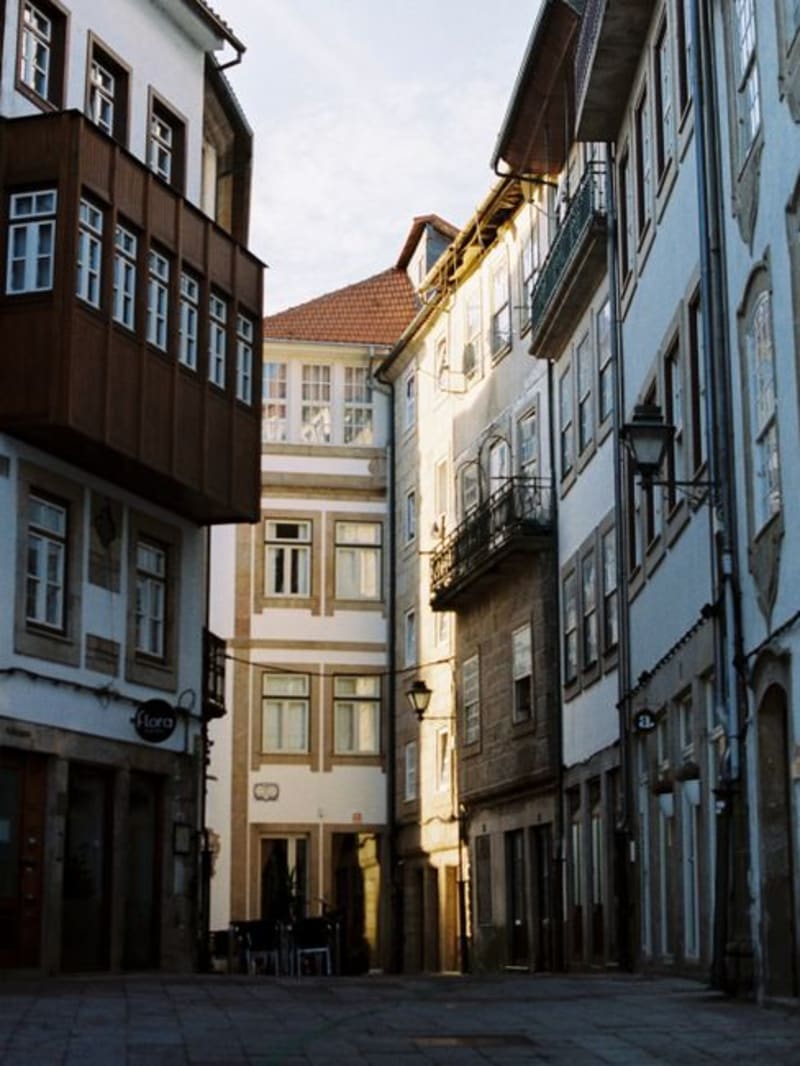 portugal
 Viseu
A granite city on a plateau in the Dão wine country, where a Renaissance painter's ghost and unhurried café terraces make you forget the coast exists at all.
Explore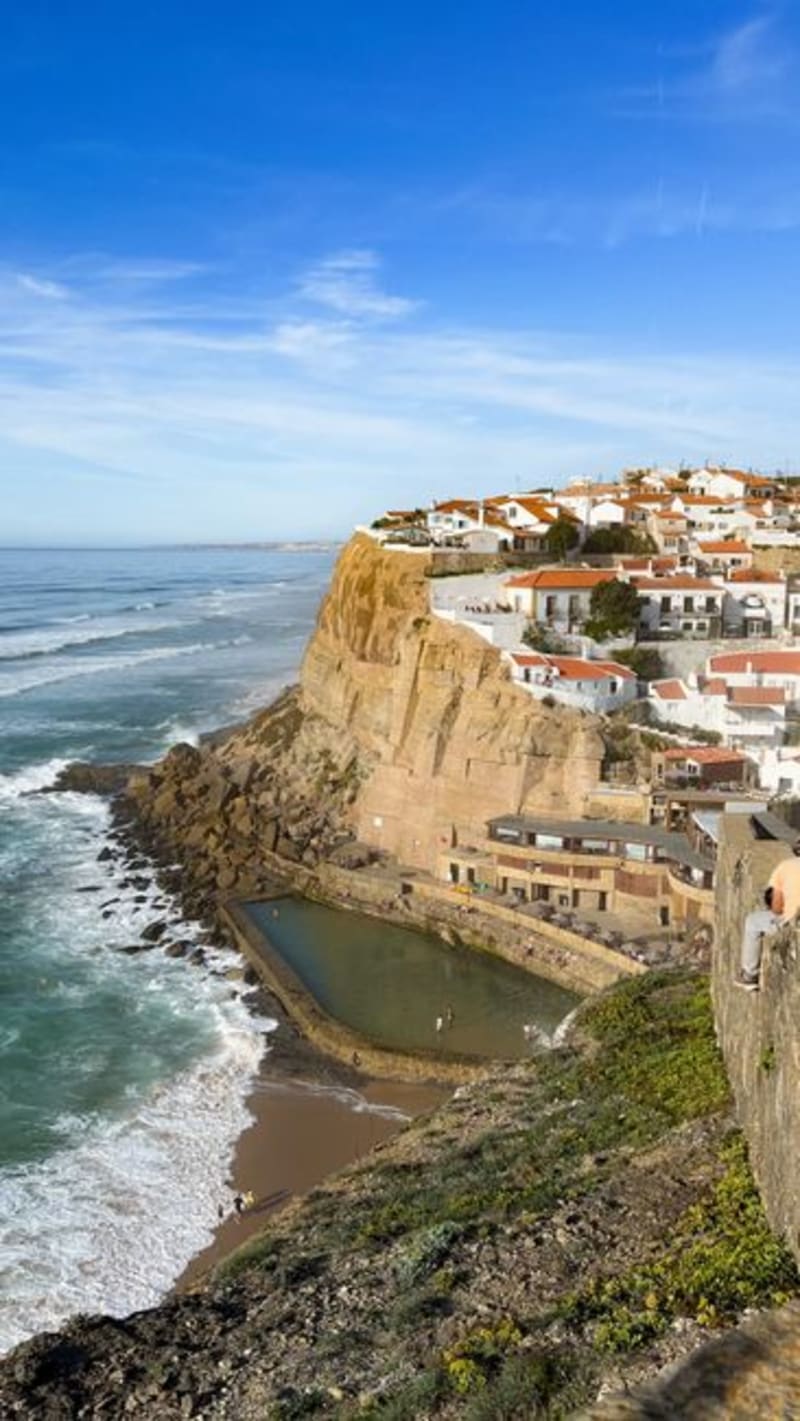 portugal
 Zambujeira do Mar
A clifftop fishing village on the wildest stretch of the Costa Vicentina, where the sunsets are dramatic enough that an entire town pauses to watch them without irony.
Explore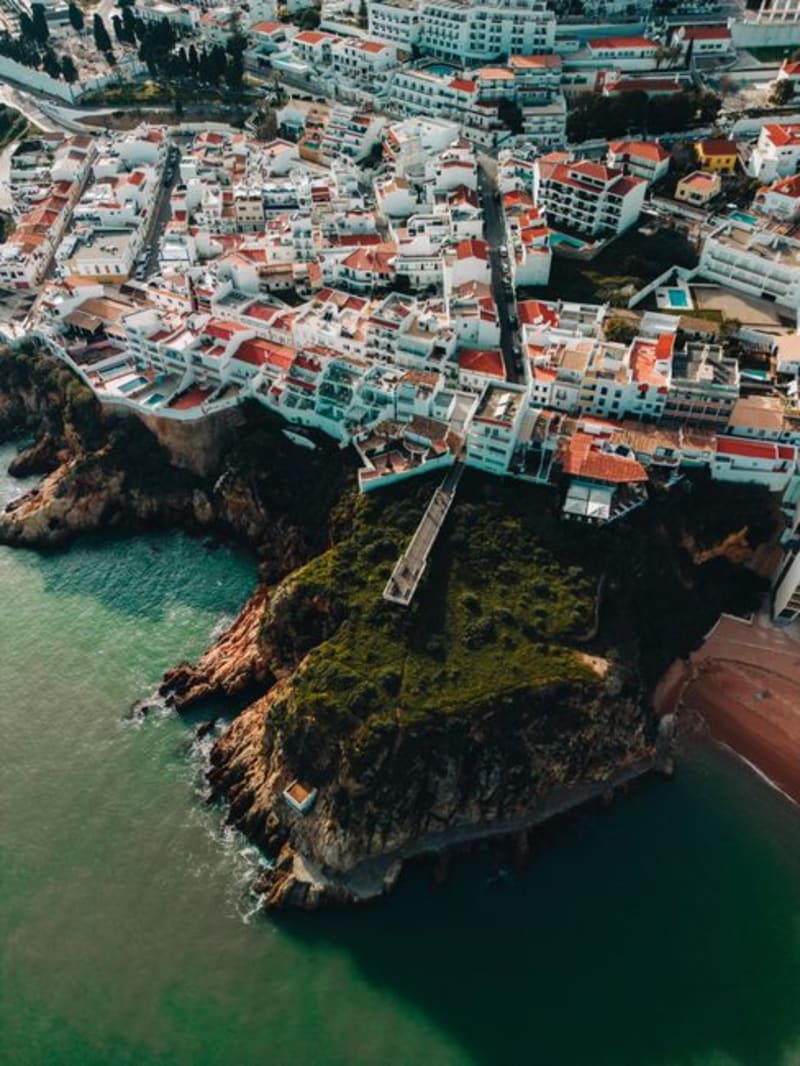 portugal
 Albufeira
A whitewashed fishing town swallowed whole by mass tourism, where the old quarter still survives in fragments if you know to look past the strip.
Explore