
Ericeira
"Ericeira has one foot in a black-and-white photo of old Portugal and the other in a wetsuit."
A whitewashed fishing village turned Europe's first World Surfing Reserve, where cobbled squares full of grandmothers gossiping sit two minutes from some of the continent's best waves.

I came to Ericeira expecting a surf town, full stop, and got something more layered than that — a genuinely old fishing village, whitewashed and blue-trimmed in the classic Estremadura style, where widows in black still sit on doorsteps in the late afternoon and the smell of the day’s catch grilling drifts out of tascas that have clearly never bothered with a laminated menu. Then you walk two minutes toward the cliffs and the whole atmosphere flips: wetsuits drying over balcony rails, surf shops wedged between grocers, a steady procession of boards heading down toward the water like a pilgrimage nobody questions anymore.
Europe’s First World Surfing Reserve
In 2011, Ericeira became the first location in Europe — and only the second in the world after Malibu — to be designated a World Surfing Reserve, a status recognizing the exceptional quality and density of waves along a short stretch of coastline: Ribeira d’Ilhas, Coxos, Reef, Pedra Branca, several world-class breaks packed within a few kilometers of each other, each suited to a different swell and skill level. I watched a heat of the WSL tour at Ribeira d’Ilhas from the cliff-top, packed in among locals who clearly knew every competitor’s style by name, cheering with the easy, proprietary pride of people watching their own backyard get international recognition.
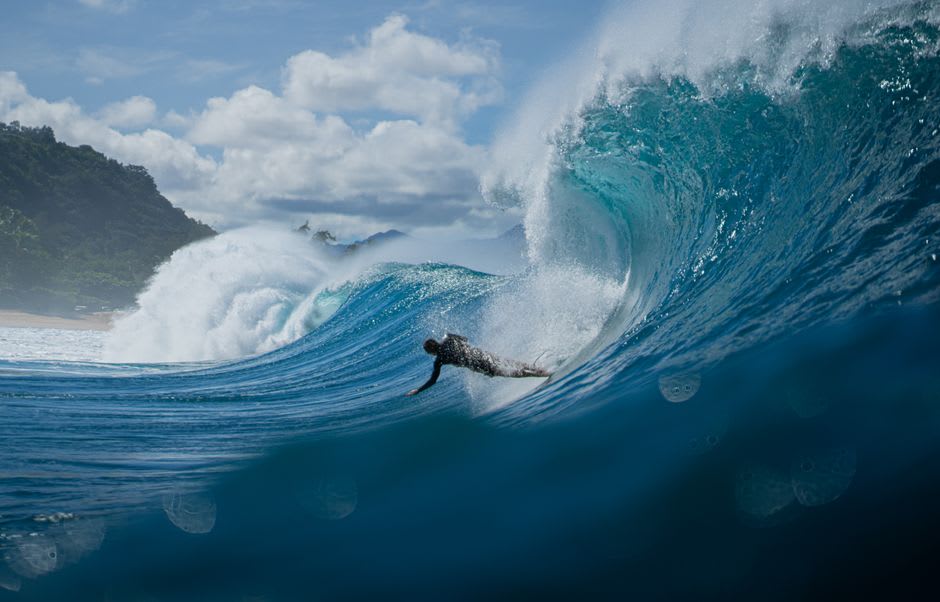
What I hadn’t expected was how seriously the town takes protecting that coastline — locals I spoke with brought up, unprompted, the reserve’s rules against overdevelopment along the cliffs, and there’s a genuine, almost proud consensus that the waves are a shared inheritance rather than a resource to be maximized for hotel views.
An Evening in the Old Town
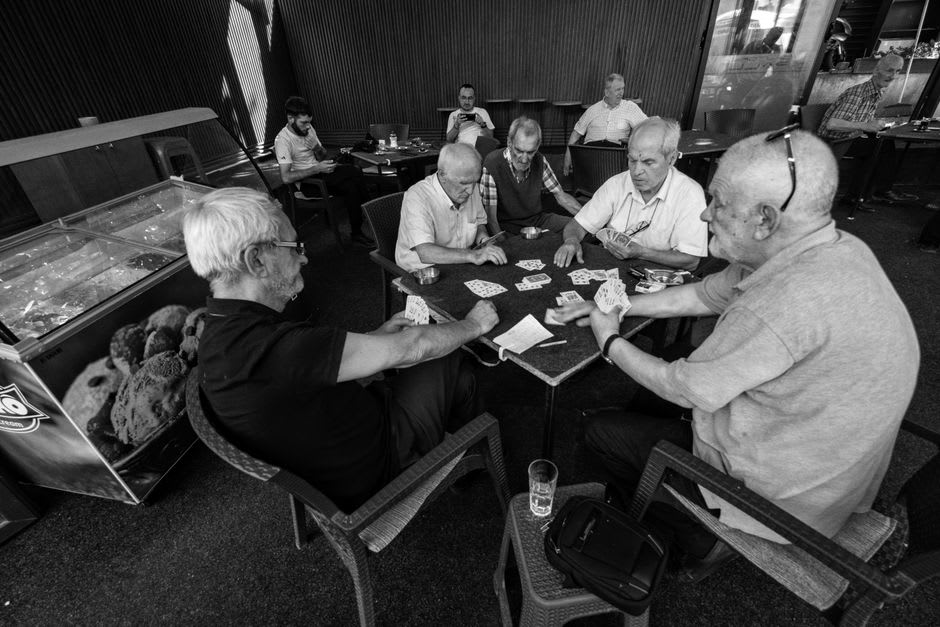
Back in the historic center, I ended up at Praça da República as the sun dropped, watching a group of elderly men play cards outside a café while, a few tables over, a cluster of sunburnt surfers compared notes from the day’s session in three different languages. A woman running a small pastelaria told me Ericeira’s fishing identity hasn’t disappeared so much as folded surf culture into itself — her own son surfs every morning before helping haul in his uncle’s boat, and she didn’t see any contradiction in that at all.
When to go: Autumn and winter for the biggest, most consistent swells and the World Surfing Reserve at its liveliest; late spring if you want warmer water and a mellower lineup.
Keep exploring
More from Portugal
 portugal
 Estremoz
An Alentejo town built almost entirely from the marble quarried around it, where a Saturday market has run in the same square for centuries and a medieval keep now hides a pousada.
Explore portugal
 Évora
A walled UNESCO city in the Alentejo plains — Roman temple, Gothic cathedral, a chapel of bones, and the slowest lunch you will ever eat.
Explore portugal
 Faial (Horta)
A mid-Atlantic marina where transatlantic sailors paint their boat's name on the dock for luck, a bar that's poured the same Gin Fizz to circumnavigators for a century, and a volcano that erased a village in 1957.
Explore portugal
 Faro
The Algarve's overlooked capital, where storks nest on cathedral rooftops and a hidden lagoon does more to define daily life than any beach.
Explore portugal
 Fátima
A vast, spare pilgrimage complex built around a field where three shepherd children said they saw the Virgin Mary in 1917, and where the sight of pilgrims crossing the plaza on their knees still stops you cold.
Explore portugal
 Favaios
A small plateau village famous for two things only, and doing both better than almost anywhere else in Portugal: sweet Moscatel wine and bread baked in wood ovens the old-fashioned, unhurried way.
Explore