
Azores
"The middle of the Atlantic, where Portugal planted nine islands and hoped for the best."
Volcanic lakes, hot springs, and mid-Atlantic isolation — Europe's most unexpected archipelago, where the weather changes four times before lunch.

The Azores sit in the middle of the Atlantic, roughly equidistant from Lisbon and New York, and they feel like neither. These nine volcanic islands — autonomous, remote, stubbornly their own — are the kind of place that makes you reconsider what you think you know about Europe. There are no beach resorts. No cruise ship terminals. No nightclubs playing music you did not ask to hear. Instead: volcanic craters filled with twin-coloured lakes, hot springs that bubble up through iron-rich earth, hydrangea-lined roads winding through dairy pastures so green they look artificial, and a silence that takes a full day to stop noticing.
São Miguel is the largest island and where most people begin. The Sete Cidades caldera — where two lakes, one blue and one green, fill a collapsed volcanic crater — is the image that sells the Azores, and it earns every pixel. I hiked the rim trail in a morning fog that lifted just as I reached the viewpoint, revealing the lakes below in a theatrical unveiling that felt scripted. The Furnas valley, on the island’s eastern end, is where the volcanic activity is most visible: fumaroles hiss from the earth, hot springs pool in gardens, and the local specialty — cozido das Furnas, a stew of meats and vegetables slow-cooked underground in volcanic heat for six hours — is both a meal and a geological demonstration.

The tea plantations of Gorreana — the only commercial tea production in Europe — sit on the northern coast of São Miguel, their rows of Camellia sinensis bushes sloping toward an Atlantic that is grey more often than blue. The factory, which has operated since 1883, gives free tours and the green tea is excellent, which is not something I expected to write about a Portuguese island.
Faial is the sailor’s island — Horta’s marina is one of the great transatlantic stopping points, and the tradition of painting your boat’s name and flag on the harbour wall has created an accidental open-air gallery that stretches for miles. The Capelinhos volcano, which erupted in 1957 and added new land to the island, is still barren and lunar, a reminder that these islands are geologically young and not finished forming. Pico — visible across the channel from Faial — is dominated by Portugal’s highest peak, a volcanic cone that rises 2,351 metres from the sea. The climb is a serious endeavour, and the wine produced on Pico’s lava-field vineyards — UNESCO-protected, grown in stone-walled enclosures called currais that shelter the vines from Atlantic wind — is unlike anything else in Portugal.

What I love most about the Azores is the absence of performance. These islands are not trying to attract you. They exist for themselves — the dairy farmers, the fishermen, the families who have lived here for centuries. Tourism is welcome but not catered to with the insistence you find on the mainland. You will eat what is available. You will drive roads that disappear into clouds. You will check the weather forecast and then ignore it, because it will be wrong within the hour.
When to go: June to September for the best weather, though “best” is relative — the Azores can produce four seasons in a single day regardless of the month. Whale watching season runs from April to October, with sperm whales resident year-round.
Keep exploring
More from Portugal
 portugal
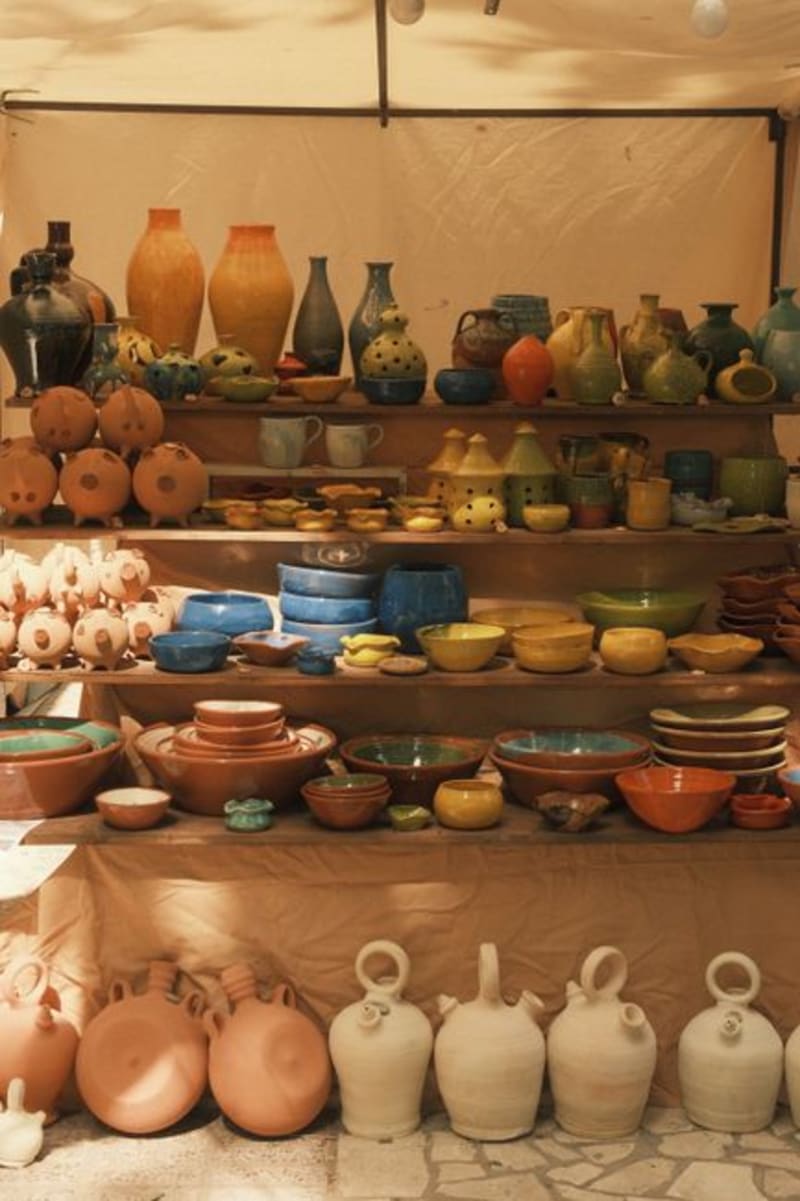
 Barcelos
The town that gave Portugal its most iconic symbol — a crowing rooster born from a medieval legend of wrongful accusation — still throws the country's biggest weekly market and paints its story onto pottery by hand.
Explore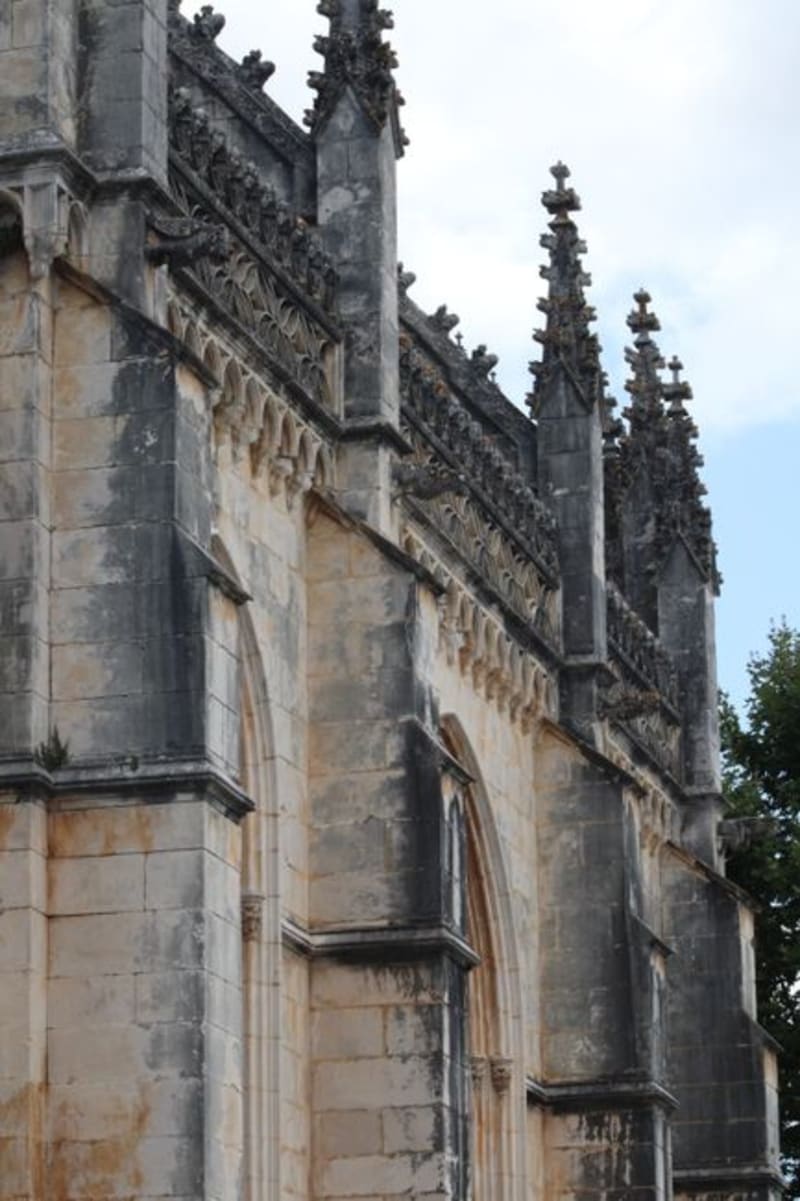 portugal
 Batalha
A limestone monastery built as a thank-you note to God for winning a battle that saved Portuguese independence, its unfinished chapels open to the sky as if the masons simply walked off one day.
Explore portugal
 Beja
The quiet capital of the Alentejo plains, where a medieval keep watches over wheat fields to the horizon and a convent guards one of literature's great, disputed love stories.
Explore portugal
 Belmonte
A hilltop town that quietly protected a hidden Jewish community for five centuries and gave the world the man who reached Brazil — history here runs deeper than the postcard suggests.
Explore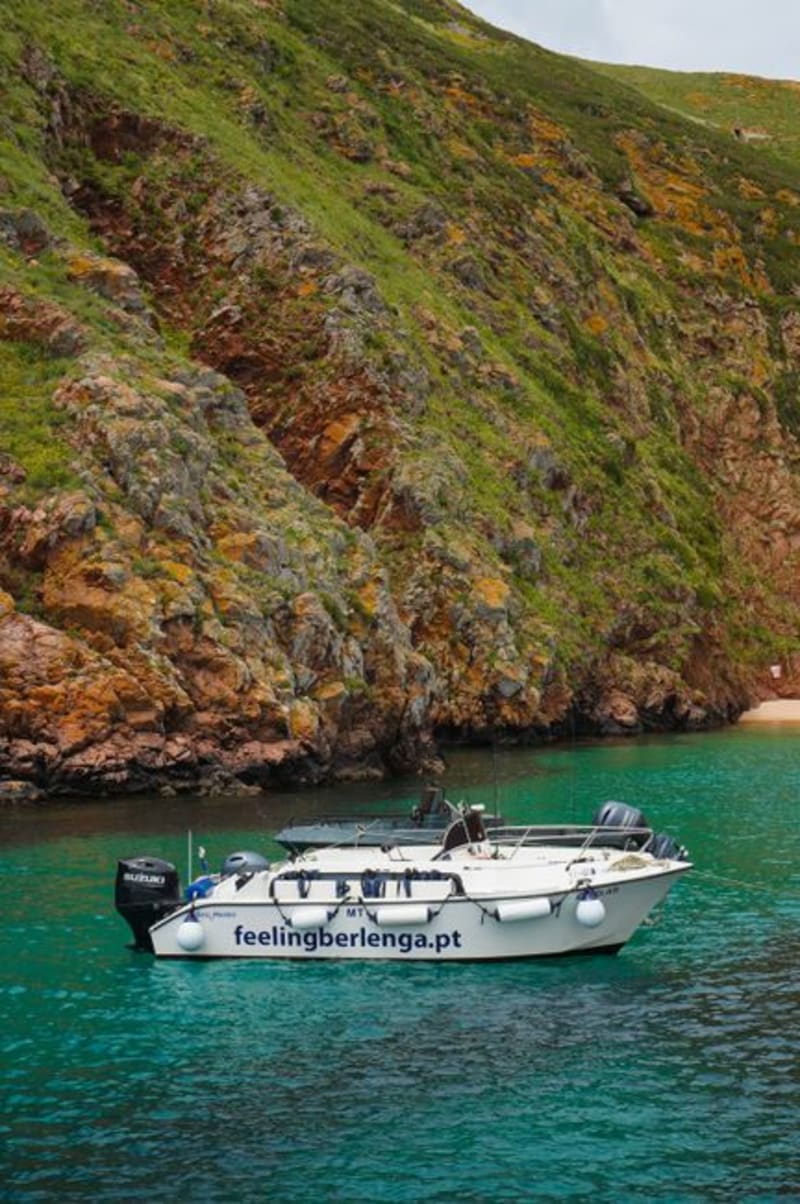 portugal
 Berlenga Islands
A jagged nature reserve archipelago adrift off the Peniche coast, ruled by seabirds and a lone fort perched on a rock, reached by a boat crossing rough enough to earn the view.
Explore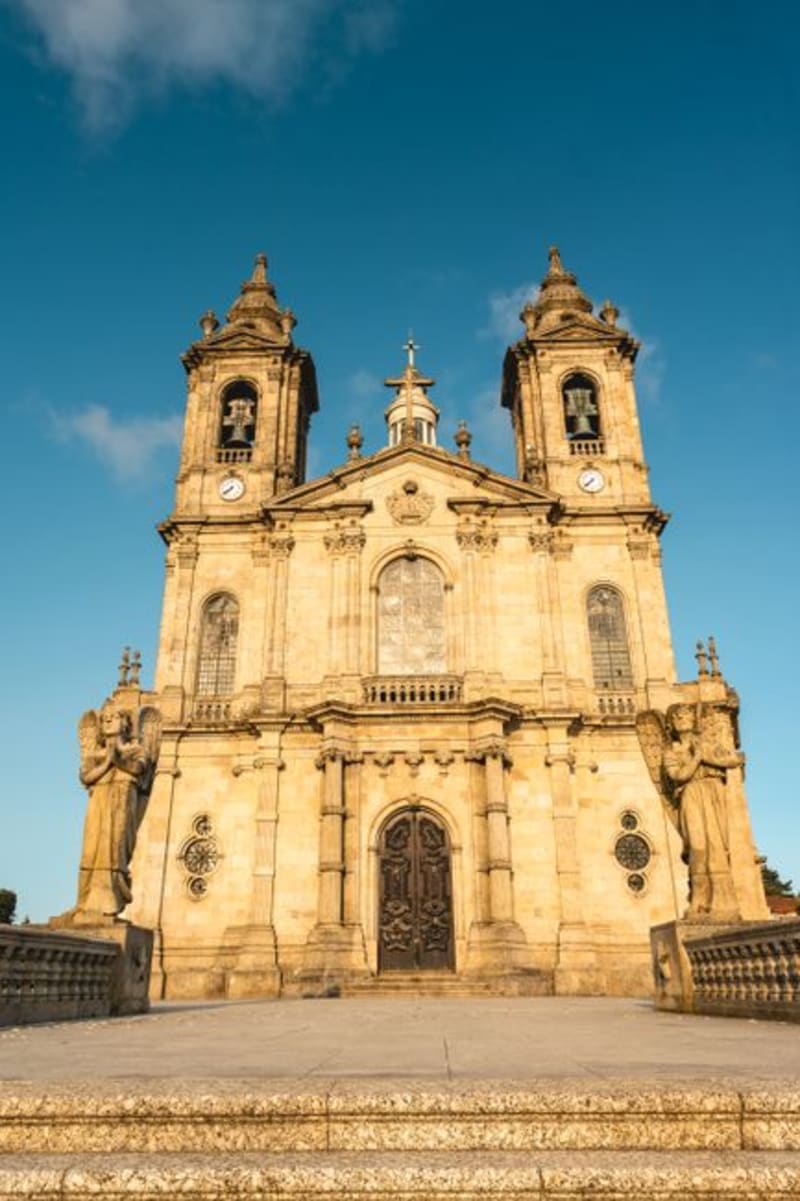 portugal
 Braga
Portugal's oldest city hides its age behind baroque exuberance, granite cathedrals, and a zigzag staircase up a forested hill that pilgrims have climbed on their knees for three centuries.
Explore