Castelo Rodrigo
"Castelo Rodrigo was Portugal's capital for one night in 1640, and the village still tells that story like it happened last week."
A clifftop fortress village surrounded by olive groves and almond trees, remembered locally for a single night in 1640 when it was briefly, furiously, Portugal's capital.

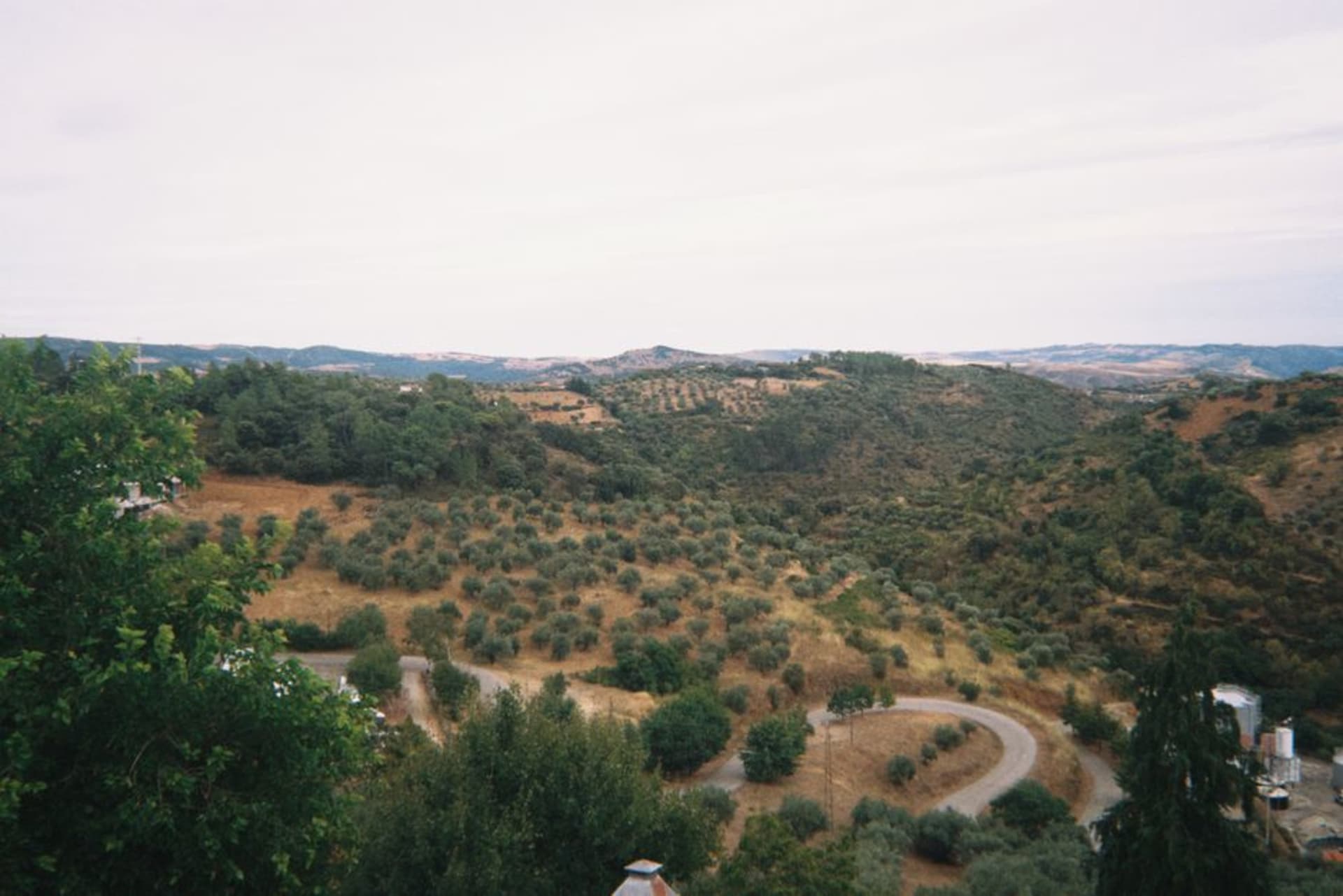
Castelo Rodrigo sits up on a granite outcrop with olive groves and almond orchards falling away in every direction, and the first thing anyone here tells you — before the church, before the walls, before the view — is the story of the one night the village was, more or less, the capital of Portugal. I heard the short version from a woman selling olive oil out of her converted ground-floor shop, and the longer version later from a plaque near the ruined palace, and they mostly agreed.
Capital for a Single Furious Night
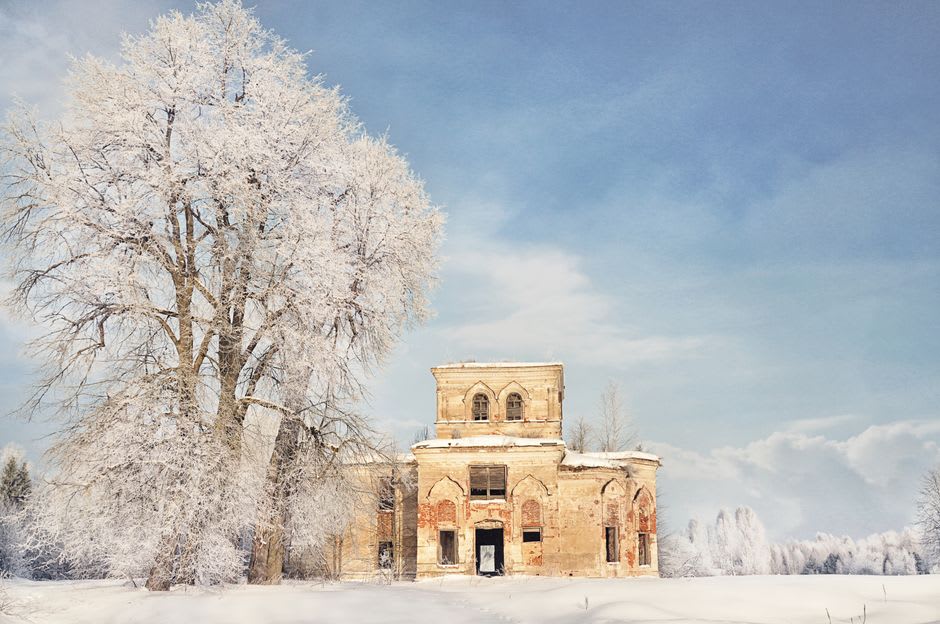
In December 1640, when Portugal rose up against sixty years of Spanish Habsburg rule in the Restoration War, the local nobleman Cristóvão de Moura — who had backed the Spanish crown and held the title of Marquis of Castelo Rodrigo — was in Madrid, but news of the uprising against Spain reached this village fast, and residents turned violently against the symbols of that allegiance, sacking and burning the Moura family’s grand Renaissance palace inside the walls. The ruins of that palace still stand roofless at the heart of the village, its arched windows open to the sky, and it’s genuinely one of the more evocative ruins I’ve stood inside in Portugal — you can see the shape of a wealthy, ambitious household frozen mid-collapse. The “capital for a day” legend, retold with real local pride, holds that in the chaos and uncertainty of those December days, with Lisbon’s authority not yet fully asserted here, the village briefly acted as its own sovereign seat before formally rejoining the new Portuguese kingdom under João IV.
Below the drama, the village runs on olive oil and almonds — this is some of the best olive-growing country in the Beira interior, and small producers sell straight from converted stone houses along the main street. I bought a bottle from a man who’d pressed it himself that winter, and he walked me out to point at the specific hillside terrace where the trees had grown it, as if the oil needed an introduction to its own landscape.
The View Earns Its Reputation
At the far end of the walls, past the old Manueline-style pillory, the ground just drops away into the Côa valley, terraced groves stepping down toward the river in lines that have probably looked the same for four hundred years.

When to go: Late February brings the almond blossom across the surrounding hillsides, and autumn brings the olive harvest — both turn this quiet village briefly, wonderfully busy.
Keep exploring
More from Portugal
 portugal
 Chaves
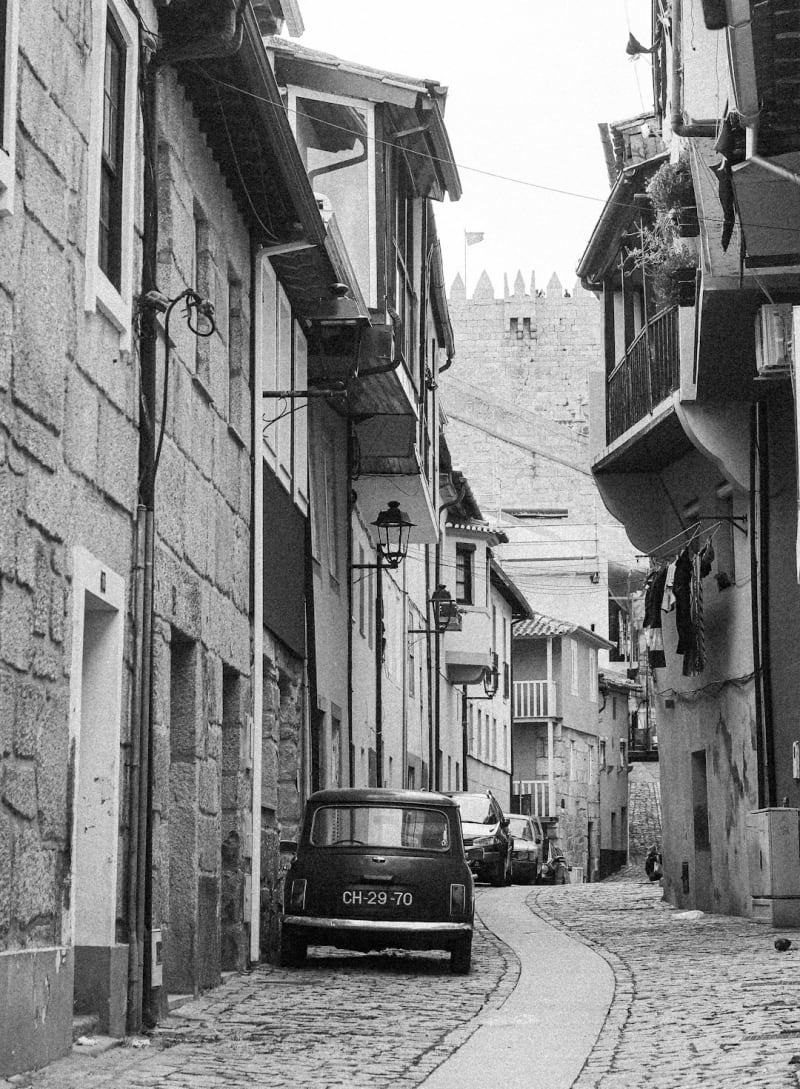
A frontier town near the Spanish border built on a Roman bridge and a hot spring, where the water runs naturally warm out of the ground and the smoked meats are taken as seriously as the thermal baths.
Explore portugal
 Coimbra
Portugal's ancient university city, where students still wear black capes, fado has its own distinct tradition, and the library makes every bibliophile weep.
Explore portugal
 Comporta
A fishing village and rice-paddy coast south of Setúbal, with wild dune beaches and stork nests on every chimney.
Explore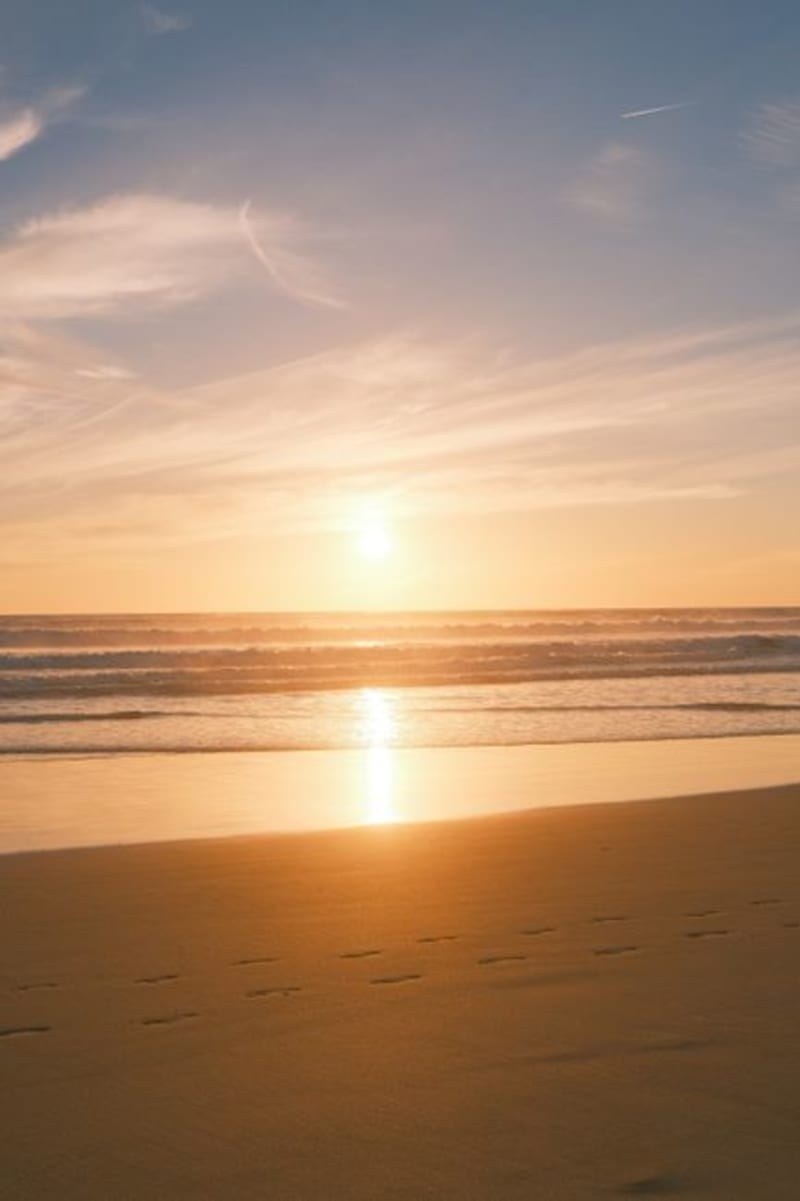 portugal
 Costa da Caparica
A long, wild Atlantic beach strip a short ferry ride from Lisbon, where surf schools crowd the northern end and a rattling wooden train carries you south to empty sand.
Explore portugal
 Costa Nova
A thin strip of beach town where every house wears bold candy stripes, a fishing tradition turned into the most photogenic architecture on Portugal's Atlantic coast.
Explore portugal
 Covilhã
A steep wool-mill town at the foot of the Serra da Estrela, its abandoned textile factories now covered in world-class street art instead of demolished.
Explore