
Aveiro
"Aveiro sells itself as Portugal's Venice, and for once the comparison undersells the place."
Canals, striped fishing boats, and a sugary local pastry conspire to make this lagoon city feel like Venice's more relaxed, saltier cousin.

The nickname gets thrown around so casually — “Portugal’s Venice” — that I arrived half-braced for disappointment, the way you brace for any city living under someone else’s legend. Instead I got off the train, walked five minutes toward the canal, and stopped dead at the sight of a moliceiro gliding past: a flat-bottomed boat painted in reds and blues, its high curved prow decorated with hand-painted scenes that ranged from religious to, on one boat, unmistakably crude. These were built to harvest moliço, the seaweed farmers once used to fertilize their fields, and now they just ferry tourists up and down the canals — but nobody bothered to update the artwork, which is exactly why it’s worth seeing.
Ovos Moles and an Art Nouveau Hangover
Aveiro’s real addiction, though, isn’t the boats — it’s ovos moles, an almost absurdly sweet paste of egg yolk and sugar, sealed inside a thin wafer shell shaped like shells, fish, and barrels. Nuns at the Convento de Jesus invented the recipe centuries ago as a way to use up egg yolks left over from using egg whites to starch their habits, and the city has never let the recipe go. I bought a small wooden barrel of them from a shop that’s been doing this since the 1960s and ate them sitting on the canal steps, which is roughly how much self-control anyone has around them.
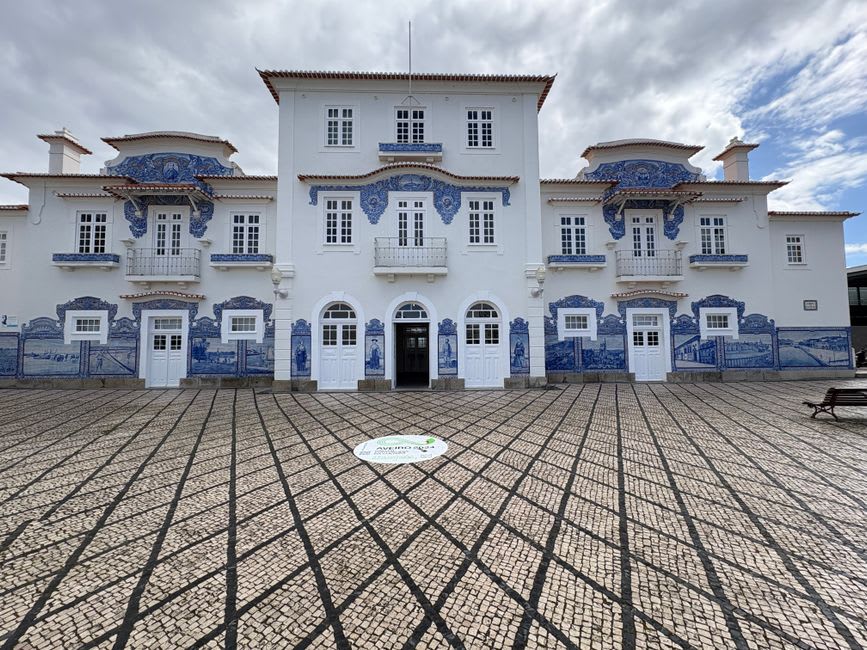
The town center is stitched together with Art Nouveau buildings from a wealthy salt-and-fishing boom in the early twentieth century, tiled facades in mint green and dusty pink that catch the light differently depending on the hour — I walked the same street twice, once at noon and once near sunset, and it felt like two different cities. The fish market near the canal still runs a real morning trade, crates of hake and sardine sliding across wet concrete, gulls working the edges, nothing staged about it.
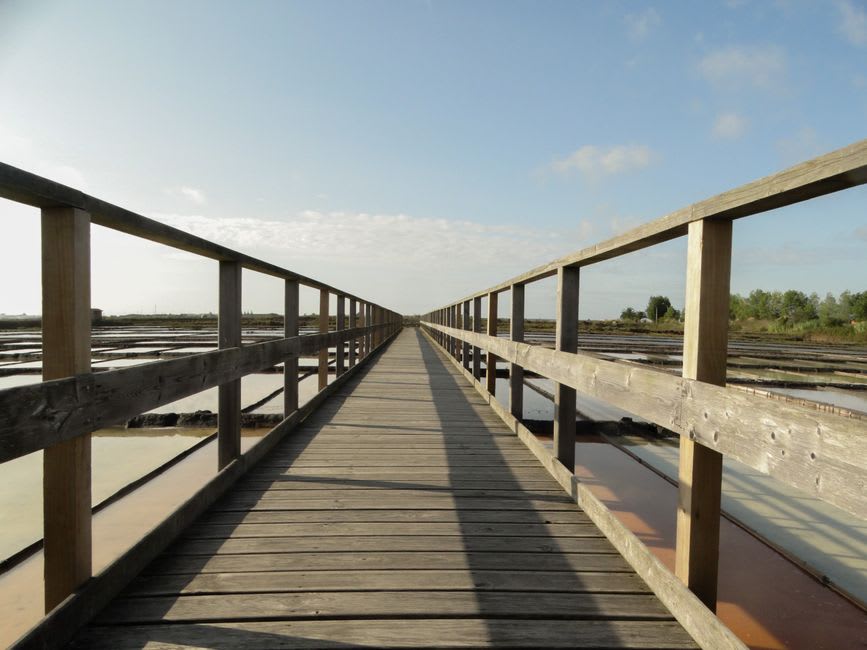
Out past the edge of town, the salinas — salt pans that have been worked since Roman times — spread out flat and mirror-bright, mounds of raw salt piled up like small white dunes. I rented a bike and rode the flat lagoon road out there in the early evening, and it was the quietest, strangest hour I spent in the whole region.
When to go: Late spring through early summer, before the August heat settles over the lagoon, and ideally during the Festa da Ria in July if you want the moliceiro races and canal life at full volume.
Keep exploring
More from Portugal
 portugal
 Azeitão
A quiet Setúbal Peninsula village where sheep's cheese is still shaped by hand and the cellars of José Maria da Fonseca have been fortifying Moscatel wine since 1834.
Explore portugal
 Azores
Volcanic lakes, hot springs, and mid-Atlantic isolation — Europe's most unexpected archipelago, where the weather changes four times before lunch.
Explore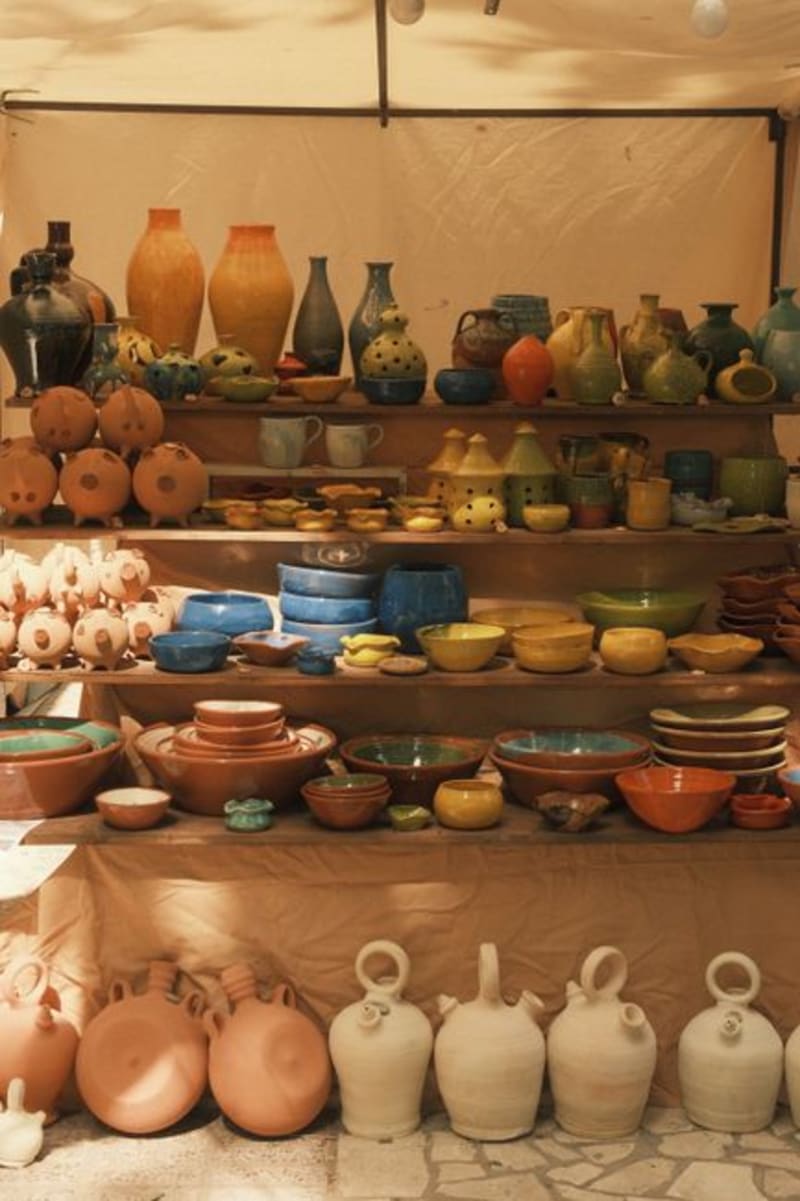 portugal
 Barcelos
The town that gave Portugal its most iconic symbol — a crowing rooster born from a medieval legend of wrongful accusation — still throws the country's biggest weekly market and paints its story onto pottery by hand.
Explore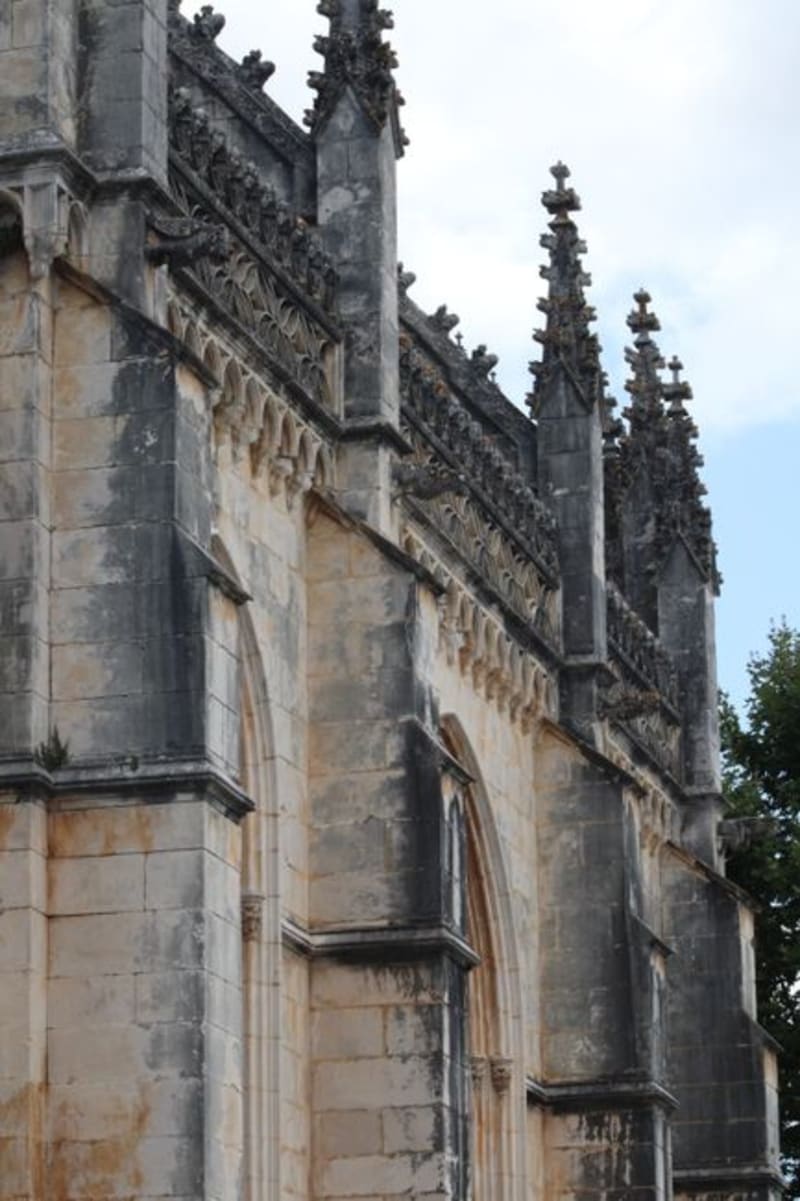 portugal
 Batalha
A limestone monastery built as a thank-you note to God for winning a battle that saved Portuguese independence, its unfinished chapels open to the sky as if the masons simply walked off one day.
Explore portugal
 Beja
The quiet capital of the Alentejo plains, where a medieval keep watches over wheat fields to the horizon and a convent guards one of literature's great, disputed love stories.
Explore portugal
 Belmonte
A hilltop town that quietly protected a hidden Jewish community for five centuries and gave the world the man who reached Brazil — history here runs deeper than the postcard suggests.
Explore