
Évora
"A city that has been sitting in the sun for two thousand years, watching empires come and go with equal indifference."
A walled UNESCO city in the Alentejo plains — Roman temple, Gothic cathedral, a chapel of bones, and the slowest lunch you will ever eat.

Évora is the kind of city that rewards slowness. Rush through it and you will see a Roman temple, a cathedral, and a chapel lined with human bones — impressive, certainly, but not the point. Stay a day or two, eat long lunches, walk the walls at sunset, and Évora reveals itself as something more: a city that has absorbed two thousand years of history without losing its composure. It sits in the middle of the Alentejo plains, surrounded by cork oaks and olive groves, and it carries its UNESCO designation with the casual confidence of a place that was important long before anyone invented heritage tourism.
The Templo de Diana — the Roman temple that stands in the city’s highest square — is the most complete Roman structure in Portugal, its Corinthian columns still upright after two millennia. It survived because it was walled up and used as a slaughterhouse for centuries, which is not the most dignified preservation method but proved effective. In the evening light, with the columns casting long shadows across the square and the Pousada — a former convent converted into a hotel — glowing behind them, it is as atmospheric as anything in Rome, and considerably less crowded.

The Capela dos Ossos — the Chapel of Bones — is Évora’s most famous and most unsettling attraction. Built in the 16th century by Franciscan monks, its walls and columns are lined with the skulls and bones of approximately 5,000 people, exhumed from overcrowded cemeteries. The inscription above the entrance reads: “Nós ossos que aqui estamos, pelos vossos esperamos” — “We bones that are here, for yours we wait.” It is macabre, meditative, and strangely beautiful, depending on your relationship with mortality. The monks intended it as a memento mori, and it works. I stood there for twenty minutes and thought about time differently for the rest of the day.
The Sé — the cathedral — is a fortress-church from the 12th century, squat and granite, with a cloister that catches the afternoon light and a rooftop terrace with views across the Alentejo that stretch to the horizon. The University of Évora, founded by Jesuits in 1559, has cloisters tiled with azulejos depicting every academic subject — geometry, philosophy, natural history — in a visual curriculum that predates PowerPoint by several centuries and is considerably more beautiful.

The food in Évora is Alentejo cooking at its best — slow, rich, and built on ingredients that grow within sight of the city walls. Migas — fried bread crumbs with pork and garlic — is the dish I dream about. Açorda — a bread-and-garlic soup finished with a poached egg and cilantro — is peasant cooking elevated to art. The wines from the surrounding Alentejo region are full-bodied reds that cost five euros at the local adega and would cost four times that in any other European capital. Eat at Botequim da Mouraria, a tiny restaurant with six seats and a chef who cooks what he found at the market that morning. Reservations are essential. Arguments about the best meal in the Alentejo start and end here.
When to go: April to June or September to October. The Alentejo summer is punishing — Évora regularly hits 40 degrees in July and August, and the city empties. Spring, when the plains are green and the wildflowers are blooming, is the most beautiful season.
Keep exploring
More from Portugal
 portugal
 Faial (Horta)
A mid-Atlantic marina where transatlantic sailors paint their boat's name on the dock for luck, a bar that's poured the same Gin Fizz to circumnavigators for a century, and a volcano that erased a village in 1957.
Explore portugal
 Faro
The Algarve's overlooked capital, where storks nest on cathedral rooftops and a hidden lagoon does more to define daily life than any beach.
Explore portugal
 Fátima
A vast, spare pilgrimage complex built around a field where three shepherd children said they saw the Virgin Mary in 1917, and where the sight of pilgrims crossing the plaza on their knees still stops you cold.
Explore portugal
 Favaios
A small plateau village famous for two things only, and doing both better than almost anywhere else in Portugal: sweet Moscatel wine and bread baked in wood ovens the old-fashioned, unhurried way.
Explore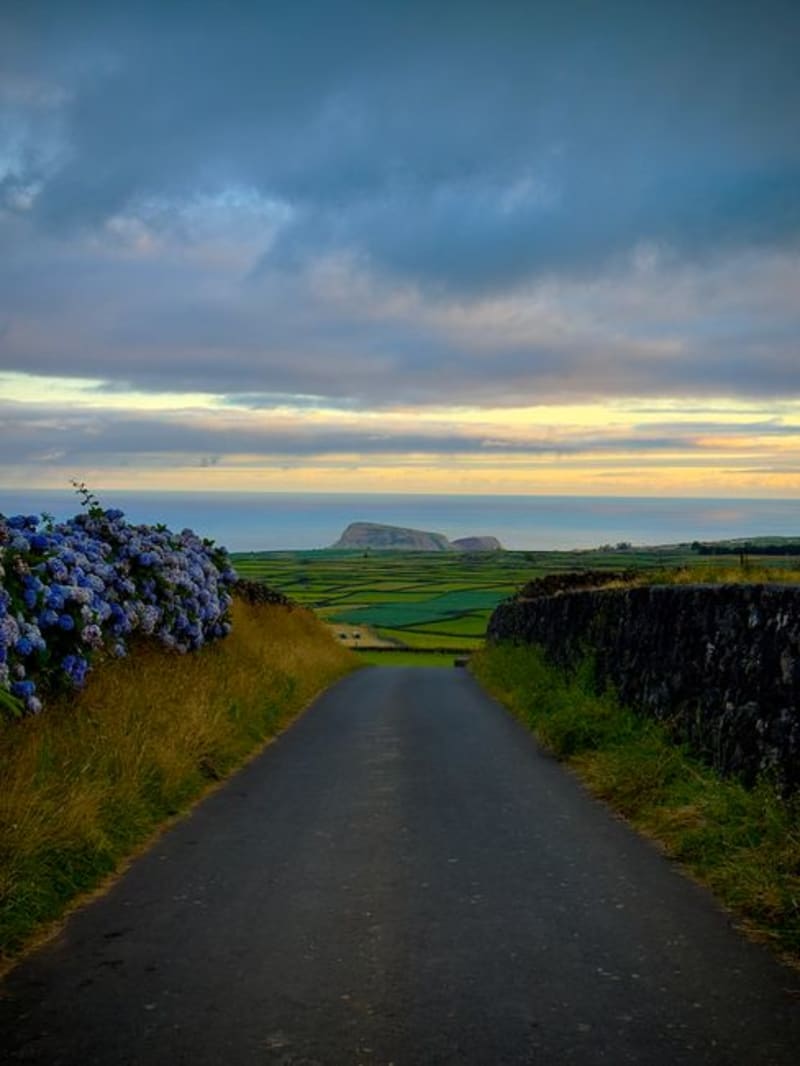 portugal
 Flores Island
The westernmost tip of Europe, where waterfalls drop straight into the Atlantic and hydrangea hedges turn every road into a blue-and-green corridor.
Explore portugal
 Foz Côa
A dusty Douro Superior town that turned out to be sitting on top of the largest collection of open-air Paleolithic art on Earth, carved into riverside rock 20,000 years before anyone thought to write it down.
Explore