
Graciosa Island
"Graciosa doesn't try to impress you, right up until it takes you underground and does exactly that."
A whitewashed, windmill-dotted island with a volcanic cave hiding an underground lake, so quiet it earned UNESCO biosphere status almost by default.

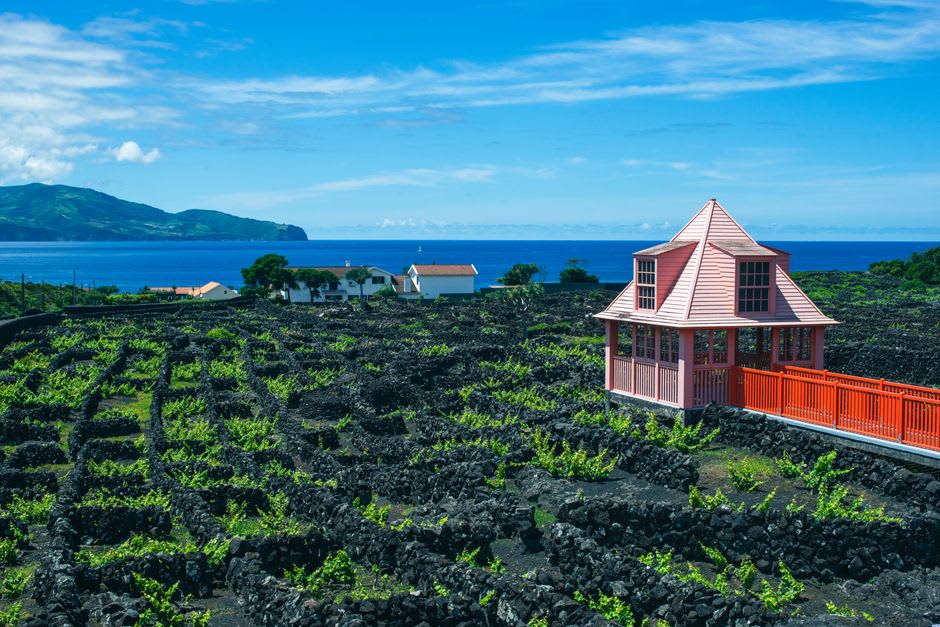
I almost skipped Graciosa. It’s the smallest inhabited island in the Azores, the ferry from Terceira takes a while, and everyone I’d met in Angra had shrugged when I mentioned it — “it’s flat, there’s not much there.” They were sort of right and completely wrong at the same time. Graciosa is flat, gentle, a patchwork of low hills and vineyards enclosed by black basalt walls, dotted with old white windmills that still have their sails. It felt less like an Azorean island and more like someone had transplanted a slice of the Alentejo into the middle of the Atlantic. I rented a bike in Santa Cruz da Graciosa and rode most of the coastline in an afternoon without seeing another tourist.
The Cave With a Lake Inside It
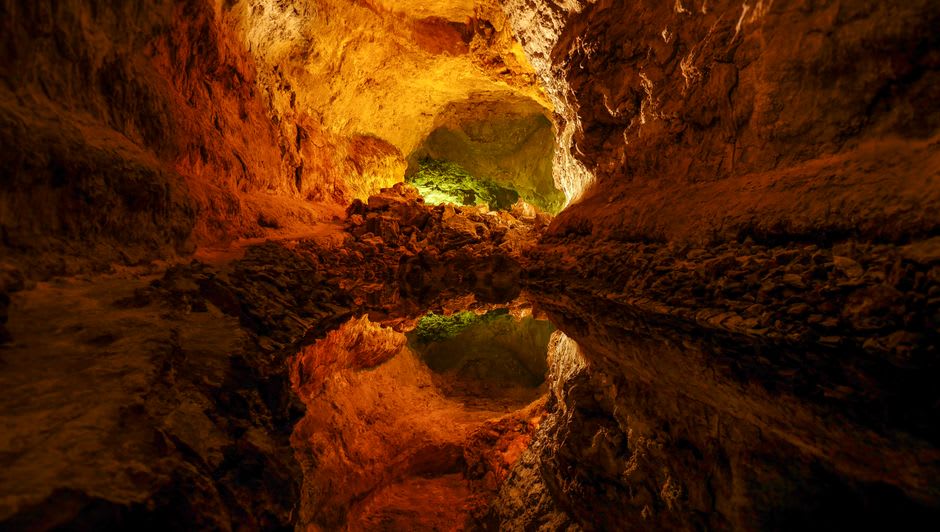
Furna do Enxofre is the reason Graciosa is worth the detour, and it’s one of the stranger things I’ve done in the Azores. You descend through a narrow tunnel into a collapsed volcanic crater, and then keep going — down a metal staircase built into the cave itself, 180-odd steps — until you reach a platform above a black underground lake, sulfurous steam drifting off the water in places where the volcanic heat still seeps through. The light comes from a hole in the crater roof far above, a single shaft cutting through the dark, and the guide killed the electric lighting for thirty seconds so we could just stand there in near-total silence except for water dripping somewhere below. It’s the kind of place that makes you understand why Graciosa’s early residents thought this island was cursed, before deciding — accurately, I think — it was simply extraordinary.
Graciosa was declared a UNESCO Biosphere Reserve in 2007, and it shows in small ways rather than grand gestures — no oversized resorts, fishing still done from small boats out of Praia harbor, vineyards growing verdelho grapes in volcanic soil the way they have for centuries. I stopped at a family-run adega that had exactly one sign, hand-painted, and drank a glass of wine that tasted faintly of the sea salt in the ground it came from.
By evening I was back on the northern coast watching the windmills catch the last orange light, sails motionless, and understood why the islanders I’d met earlier hadn’t bothered oversell the place. Graciosa isn’t trying to convince you of anything. It just sits there, calm and white and green, until the cave underneath it quietly proves everyone wrong.
When to go: Late spring to early autumn (May–September) for calm ferry crossings from Terceira and dry conditions for the cave descent, which gets slick and is sometimes closed after heavy rain.
Keep exploring
More from Portugal
 portugal
 Guarda
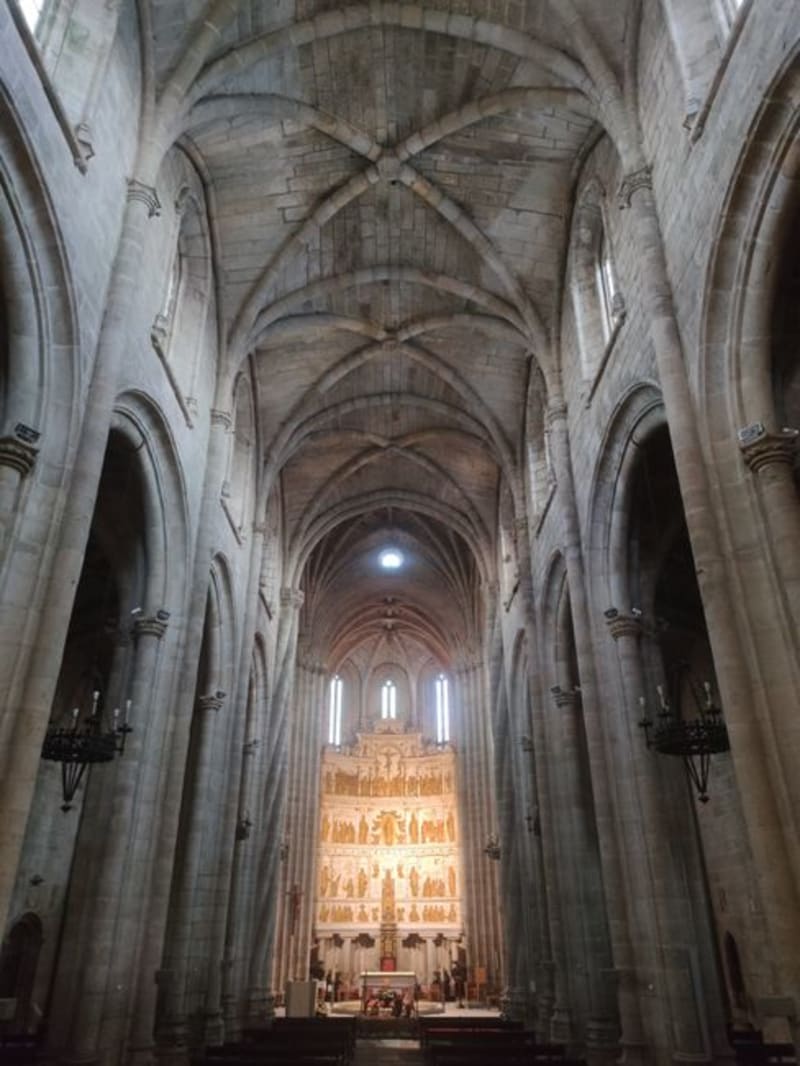
Mainland Portugal's highest city, a granite fortress-cathedral town built cold and defensive on purpose, where the wind never really stops blowing through the old streets.
Explore portugal
 Guimarães
Portugal was born here — its first king, its founding castle, and a medieval center so intact it feels like the nation's origin story is still playing out.
Explore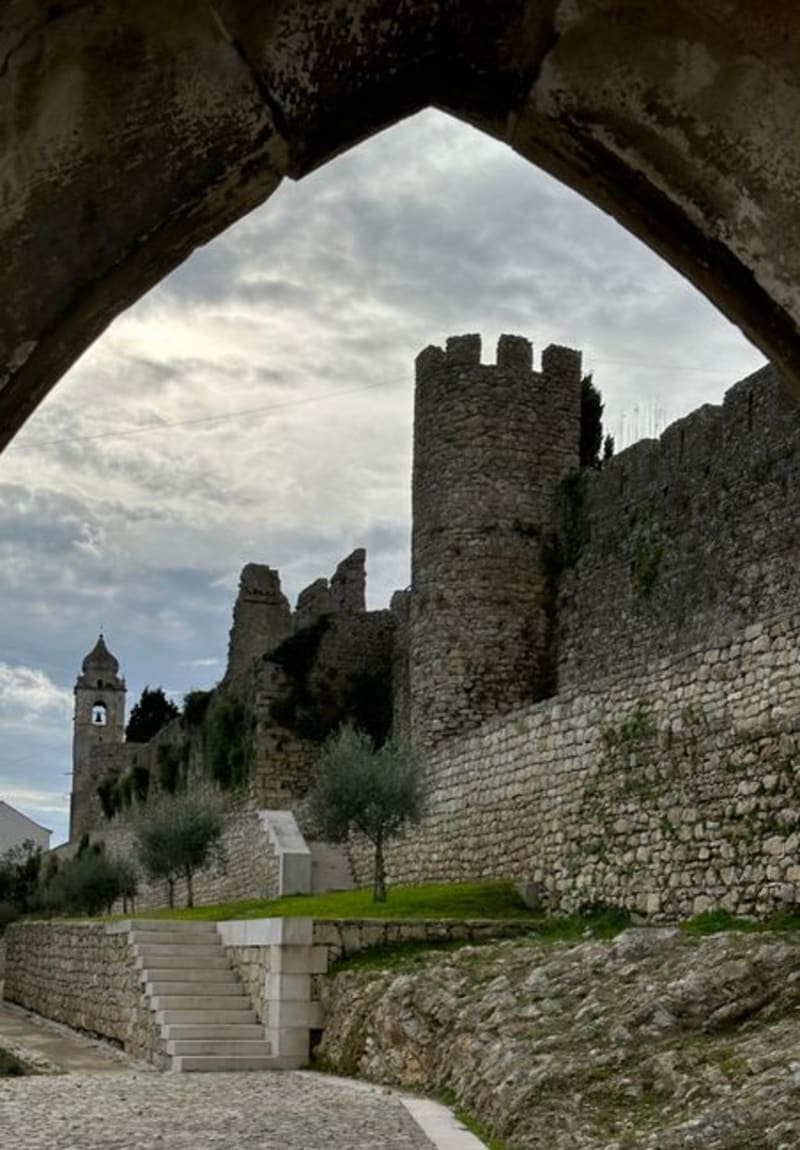 portugal
 Idanha-a-Velha
A village of barely a dozen residents built directly on top of a Roman city, where cathedral ruins and Visigothic stonework sit unguarded in fields, and once a year a world music festival fills the silence.
Explore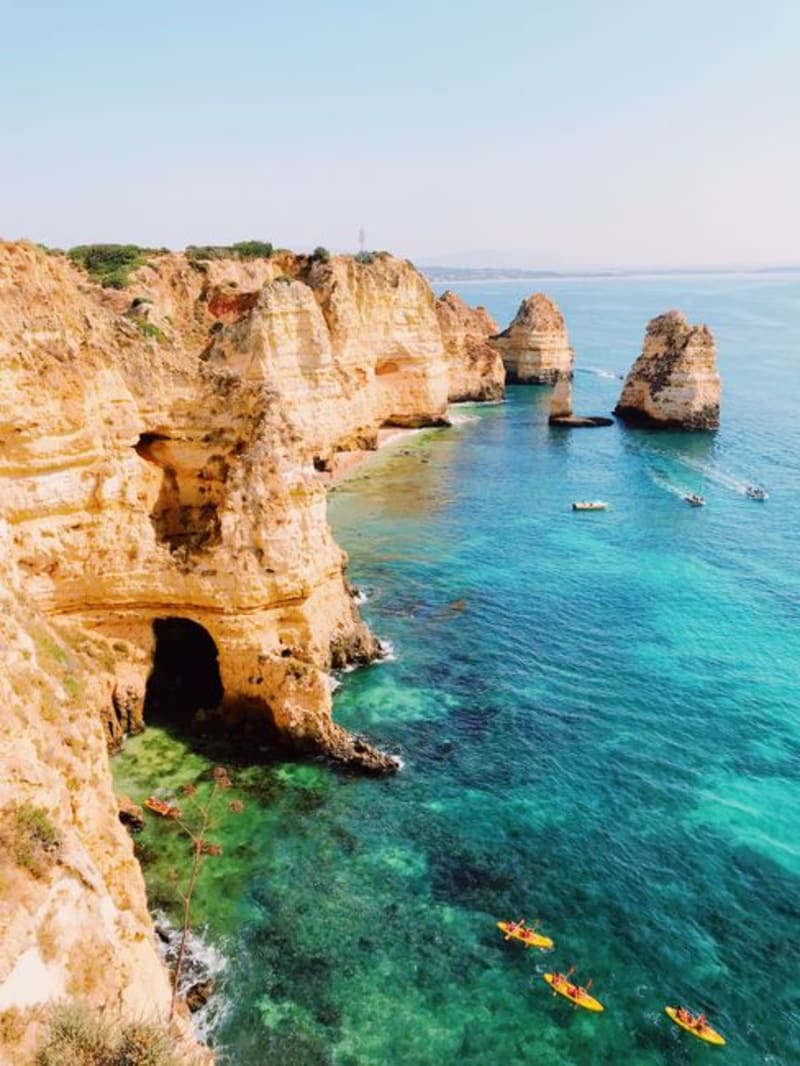 portugal
 Lagos
A town of golden cliffs and grottoes where Portugal's age of exploration began and its darkest colonial history is finally being told alongside it.
Explore portugal
 Lamego
A Douro hill town where a monumental Baroque staircase of six hundred steps climbs to a hilltop sanctuary, and the local sparkling wine has quietly outclassed its famous neighbor for over a century.
Explore portugal
 Leiria
A modest hilltop-castle city on the river Lis, overshadowed by its famous monastic neighbors, that rewards anyone willing to actually stop instead of just passing through.
Explore